
Reviewed · SAPA TREKKING TOURS
EXPLORE SAPA: 2D1N TREKKING & HMONG CULTURE WITH DINH
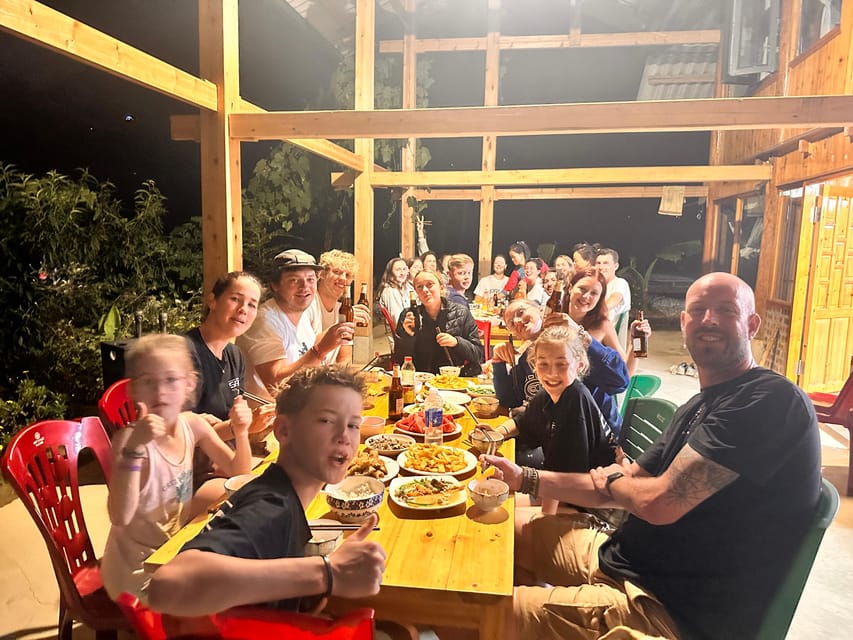
The most memorable part of this Sapa trek is not simply the rice terraces. It is the chance to stay at Dinh’s family homestay in Ta Van, hear her story, and spend an evening with her family, local children, traditional food, dance, and a little rice wine. The walking takes you through Y Linh Ho, Lao Chai, Ta Van, and Giang Ta Chai, rather than keeping you near Sapa’s busy center.
I like two things in particular. First, Dinh’s work supporting the education of 10 local children gives your payment a clear community purpose. Second, the trip offers a real mix of scenery and culture: bamboo forests and waterfalls by day, then cooking, conversation, and family life at night. The main consideration is the trail itself. Eighteen kilometers over two days means mud, steep sections, and uneven ground, especially after rain.
- A Hmong-led route: Dinh lives in Ta Van and explains Hmong customs, village life, farming, clothing, and differences between local ethnic groups.
- Two distinct trekking days: The first day covers 9 to 11 kilometers from Sapa to Ta Van, while the second covers 7 to 8 kilometers through bamboo forest and rice fields to Giang Ta Chai Waterfall.
- A genuine family stay: Choose a shared or private room, or a bungalow with mountain and rice terrace views, subject to availability.
- A useful community link: Dinh uses income from her work to help local children continue their education.
- Strong food value: Two lunches, dinner, and breakfast are included, with vegetarian meals available.
- A practical finish: Your large bags can remain in Sapa or be transported to the homestay, and a taxi returns you to town after the trek.
Why Dinh’s Sapa trek feels different
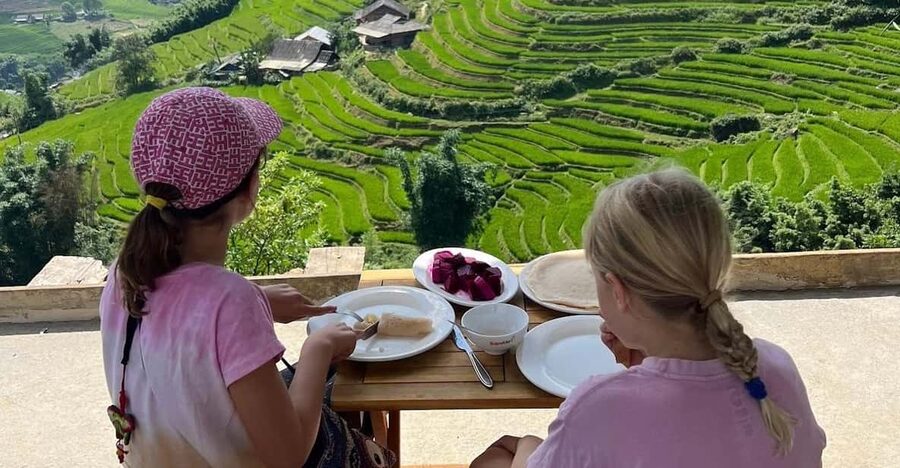
Sapa is easy to admire from a lookout, but its valleys make more sense when you walk through them with someone who lives there. Dinh is a Hmong woman from Ta Van, and she guides you through places that are part of daily life, not just photo stops.
That local connection matters. You are not only looking at rice terraces. You are learning how villages work, how different ethnic groups live in the same valley, and how planting and harvesting shape the year. Dinh also tells her own story, including how she learned English, built a homestay business, and began helping children in nearby communities.
The tone is informal and lively. Dinh is known for her big energy and infectious laugh, while family members may join sections of the walk. Depending on the group, you might trek with guides such as Su, Ku, Zu, or Mo, all connected with Dinh’s family operation.
This is a group tour, so the pace and company can vary. One group reached 13 people, and that made lunch and bag transport slower. In exchange, a group can make the evening more social. If you prefer a quiet private walk, ask about the arrangement before booking.
Day one: Sapa to Y Linh Ho and Lao Chai
The trek begins at 9:00 AM with a pickup at your Sapa Town hotel or a meeting in front of the main church. That start time is important. Booking before 1:00 PM on the first day is advised if you want the full route and overnight stay.
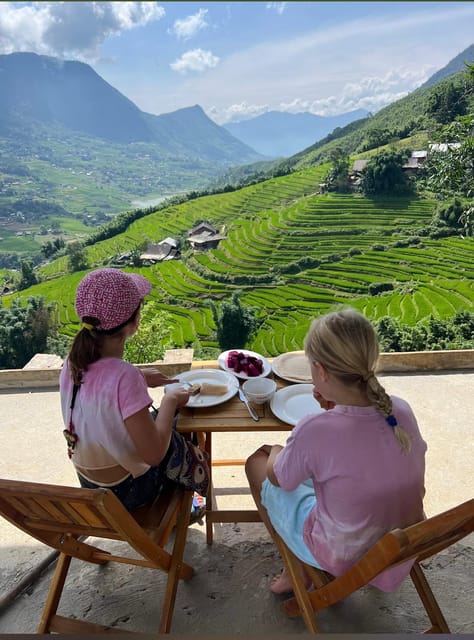
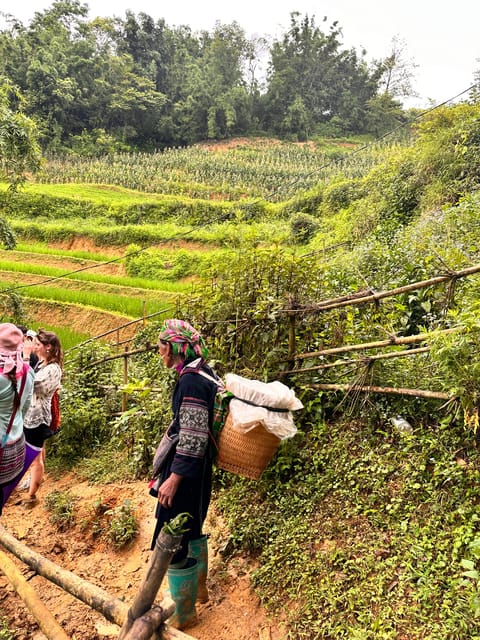
From Sapa, the trail drops toward Y Linh Ho. This first section gives you broad views over mountain valleys and rice terraces, with the scenery changing as you leave the town behind. The route is not a flat stroll. You should expect some steep and uneven ground, and recent rain can turn sections muddy and slippery.
Lunch comes at a small restaurant run by a local Hmong family. This is a welcome pause, since the morning walk takes several hours. Meals are made with fresh local ingredients, and vegetarian food is available for breakfast, lunch, and dinner.
After lunch, you continue to Lao Chai, one of the area’s older and larger Hmong villages. The village is a useful place to connect the scenery with local life. Rice fields are not just pretty terraces here. They are working farmland, and depending on the season you may see people planting or harvesting.
Dinh uses this part of the walk to explain differences between the Hmong and other ethnic groups in the valley. That context adds value to the route. Without it, the villages can blur together, especially if you are seeing several communities in one day.
The route then continues toward Ta Van, where Giay and Hmong communities live. The final approach leads to Dinh’s family homestay. You can shower with hot water, rest, and settle into a simple room or bungalow before dinner.
More Hiking Tours in Sapa
- Sa Pa: Muong Hoa Valley Trek and Local Ethnic Villages
★ 4.6 · 864 reviews - Sapa: Eco Adventure Terrace Fields and Local Villages Trek
★ 4.9 · 636 reviews - From Sapa: 1-Day Guided Trek to Lao Chai & Ta Van with Lunch
★ 4.9 · 416 reviews
Ta Van homestay and an evening with the family
The homestay is basic but comfortable. Options include a shared room, a private room, or a bungalow with a mountain view and what is described as the best rice terrace view at the property. Tell Dinh your preference when booking.
You should not expect hotel facilities. The appeal is the setting and the family welcome, not polished resort service. The rooms have comfortable beds according to the detailed experience accounts, and one useful touch is a heated blanket, especially welcome in Sapa’s cooler weather.
The evening may include an informal cooking class with Dinh’s family. You help prepare a traditional dinner, then sit down to a generous meal. Food is one of the strongest parts of this experience. Spring rolls receive special praise, and vegetarian options are available across the included meals.
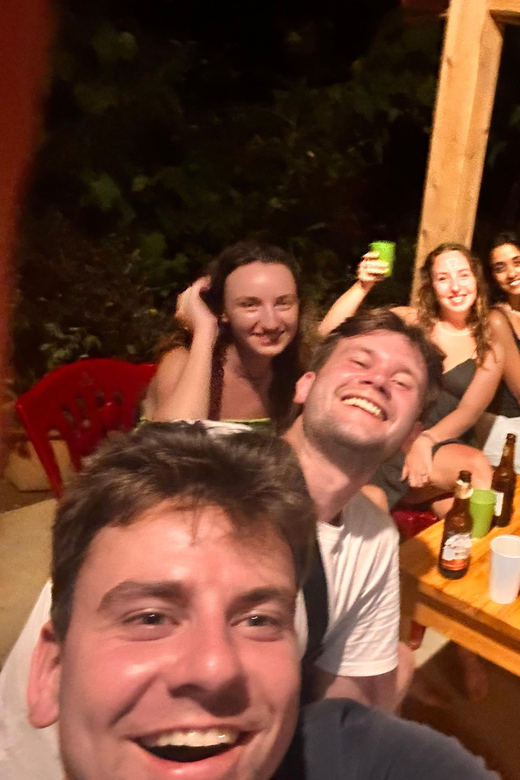
After dinner, Dinh shares her story of supporting 10 local children with their education. The children may perform a traditional dance, and you can spend time playing with them. The result is more personal than a staged cultural show, though you should remember that the evening depends on family schedules and the group atmosphere.
There may also be drinking games with happy water, the local term for rice wine. You do not need to drink, and it is sensible to pace yourself. The walk resumes the next morning, so a late night and too much rice wine will not improve your footing on a muddy trail.
Day two: bamboo forest, Giang Ta Chai, and the waterfall
The second morning begins with coffee or tea and breakfast at the homestay. The quiet setting is part of the pleasure. You have time to wake up, eat, and enjoy the view before setting out.
The trail leads through bamboo forest and terraced fields toward Giang Ta Chai Waterfall. This section feels different from the first day. Instead of mainly crossing open rice terraces and villages, you spend more time among trees, streams, and mountain paths.
Swimming at the waterfall is optional. Bring suitable clothing if you want to take a dip, but do not count on warm water. The waterfall is a natural stop, so conditions can change with rain and the season.
You then enter an area associated with the Red Dao ethnic group before reaching the main road. The route totals about 7 to 8 kilometers and usually takes around four hours, although group size, weather, and meal timing can affect the schedule.
A final lunch follows before a taxi takes you back to Sapa. The official finish is between 2:00 and 3:30 PM, but allow extra time if you have a bus or train to catch. A large group once finished closer to 4:30 PM because lunch and bag transport took longer. I would avoid booking a tight onward connection.
How hard is the 18-kilometer route?
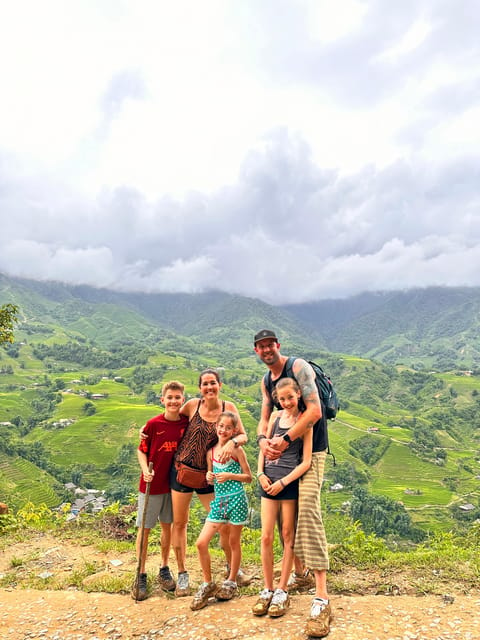
The tour rates itself as moderate, and that is a fair description. The total distance is about 18 kilometers, split across two days, but distance alone does not tell the whole story.
You will walk on steep and uneven terrain. Mud can become a real issue after rain, and one route section was described as muddy and soggy after wet weather. Good hiking shoes are essential. You may finish with mud on your clothes and shoes, so do not wear anything you want to keep spotless.
The guides offer easier or harder route choices in some places. That flexibility helps families and mixed-ability groups, but it does not turn the trek into an easy walk. You need reasonable fitness, steady footing, and the ability to walk for several hours at a time.
Children have joined successfully, including families with children aged 7 and 9. Guides and relatives helped them on difficult sections, sometimes carrying younger walkers. Still, the route is not suitable for toddlers to walk independently, and the stated minimum age information only says children under 3 can join free with advance notice.
Pack a daypack with water, sunscreen, mosquito spray, cash, a sun hat, and a change of clothes. Comfortable shoes and hiking shoes are both listed, but in practical terms, choose footwear with solid grip. Biodegradable sunscreen is requested, and climbing gear appears on the packing list, though the route description does not specify technical climbing.
A few other Sa Pa trips to compare
- Sapa 1 Day Long Trek: Trek to Hau Thao and Sa Seng Villages
★ 4.6 · 344 reviews - Sapa: Fansipan Cable, Cat Cat Village, Moana Instagram Tour
★ 4.8 · 294 reviews - From Sapa: 3-Day Ha Giang Loop with Safe Rider (max 8 pax)
★ 4.9 · 285 reviews - Explore Sapa by TrekkingAdventures, Mountain,Rice fields
★ 4.9 · 229 reviews
What to do with your luggage
Large bags can make this trek unpleasant, so sort them out before the 9:00 AM meeting. First ask your Sapa hostel if it can store your luggage while you spend the night away.
If that is not possible and you do not have a Sapa hotel, Dinh can help transport the bags to her house. Your luggage will then be waiting at the homestay, while you carry only what you need for the day.
This arrangement is a real practical benefit. You still need a small overnight bag or daypack with personal essentials, but you should not have to carry a full backpack over muddy village paths.
What the $43 price includes
At $43 per person, this is strong value for a two-day local-guided trek and overnight stay. The price includes a guide for both days, entry fees for four villages, two lunches, dinner, breakfast, one night at the homestay, one large bottle of water per person per day, and transport back to Sapa.
That list covers the costly basics. You are paying for nearly two full days of guiding, four meals, lodging, village access, and the return ride. The community connection also gives the price more meaning, since Dinh links the business to children’s education and support for women in her family.
You still need to budget for extra drinks during the hike, such as bottled water or beer. Personal travel insurance is not included. Bring cash for drinks and for buying local goods along the route if you wish. One useful ethical point: buying only what you genuinely want is better than feeling pressured by sellers.
The free T-shirt at the end is a small bonus, not a reason to choose the tour. The real value is the combination of local guiding, family accommodation, food, and access to rural areas around Ta Van.
The cultural side, with its strengths and limits
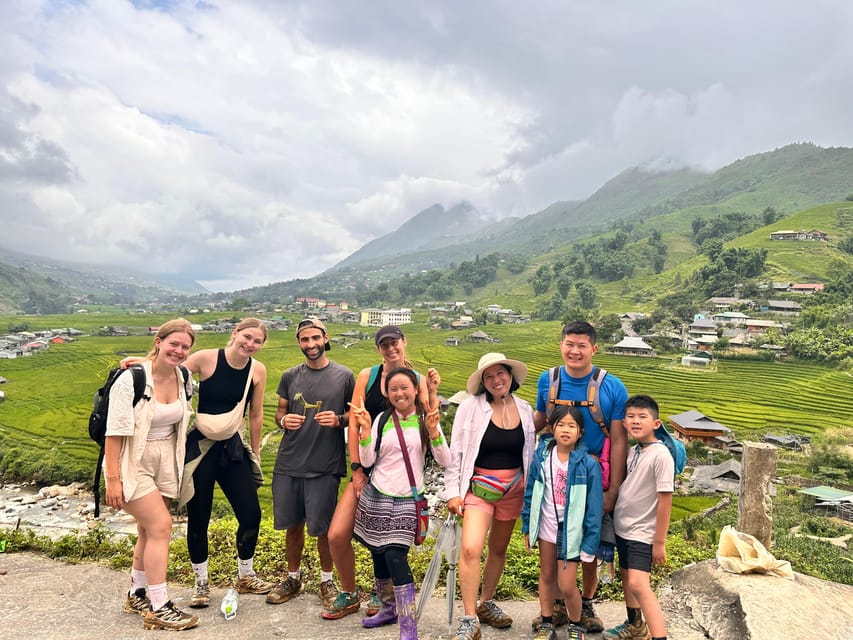
Dinh gives you more than a scenic walk. She explains Hmong life, local traditions, farming, clothing, and the differences between ethnic communities in Sapa. Her own story adds a direct human link to the area.
The education project is especially important. Your booking helps Dinh support 10 local children, and you may meet some of them during the evening. This gives the homestay a clear social purpose rather than presenting local culture as a performance only for visitors.
There are limits to any short cultural tour. You see a guided introduction to village life, not every part of it. Some sections of the route have local people selling handicrafts and artifacts, which can feel intrusive if you want a completely quiet walk.
I would treat purchases as optional. Enjoy the scenery, listen to the explanations, and buy something only if it suits your budget and you genuinely like it.
Who should book this experience?
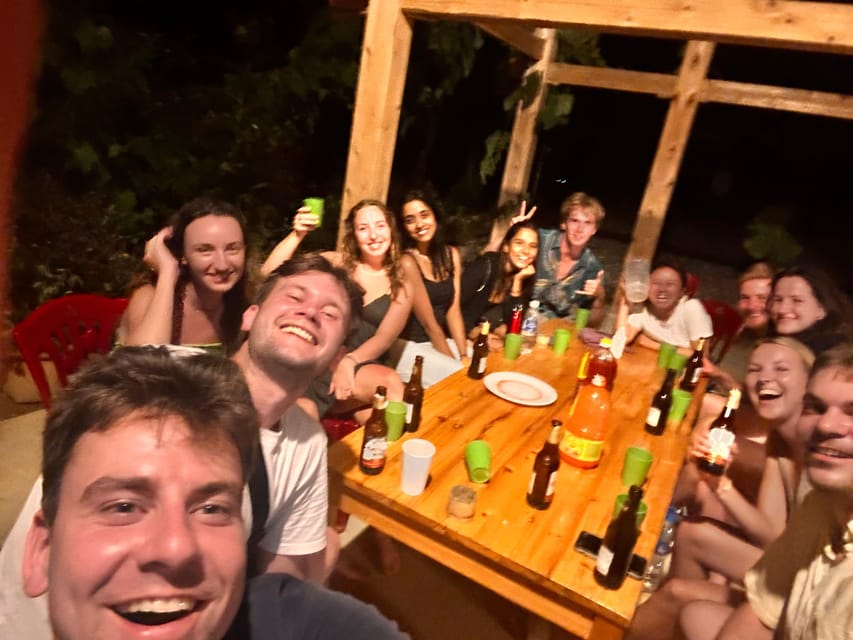
I would recommend it to you if you want an active Sapa trip with a strong personal connection. Nature lovers get terraces, forests, valleys, streams, and a waterfall. People curious about local culture get time with a Hmong family rather than only a short village stop.
It also suits solo visitors who like joining a small social group, and families with older children who can manage a moderate hike. Vegetarian visitors are well catered for, and the private-room option may appeal to couples who want more rest at night.
I would think twice if you dislike muddy paths, basic accommodation, shared group timing, or spontaneous family activities. It is also a poor match for anyone with a very tight departure schedule on day two.
Cancellation is flexible up to 24 hours before the tour for a full refund, and you can reserve now and pay later. The experience is listed as unsuitable for people over 95, but age is less important than fitness, balance, and comfort on uneven ground.
Should you book Dinh’s Sapa trek?
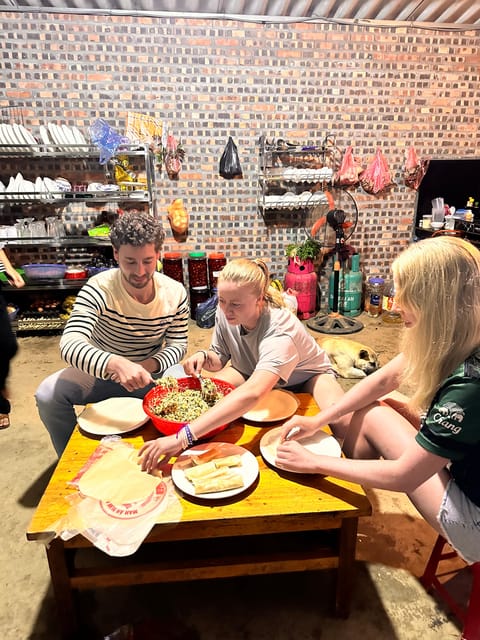
Book it if your priority is local connection over polished comfort. Dinh’s personal story, family homestay, generous meals, and community work give this trek a clear identity. The route also delivers the classic Sapa scenery without stopping at views alone.
Before booking, be honest about your footwear, fitness, and schedule. Pack for rain and mud, leave room in your plan after the stated 2:00 to 3:30 PM finish, and ask for your preferred room type in advance.
At $43, the trip offers a lot: two days of guiding, four meals, a homestay, village fees, water, and transport back to Sapa. If you want the easiest possible sightseeing day, choose a shorter route. If you want to walk, eat, sleep, and talk your way into the valley’s culture, this is a very good choice.
FAQ
Where does the trek begin?
The tour begins at 9:00 AM. Dinh meets you at your hotel in Sapa Town or in front of the local main church.
How far do you walk?
You walk about 9 to 11 kilometers on day one and 7 to 8 kilometers on day two, for roughly 18 kilometers in total.
Where do you stay overnight?
You stay for one night at Dinh’s family homestay in Ta Van. Accommodation is simple and cozy, with shared or private rooms and bungalow options with mountain and rice terrace views.
Are meals included?
Yes. The price includes two lunches, one dinner, and one breakfast. Vegetarian options are available for all meals.
Can I swim at Giang Ta Chai Waterfall?
Yes, swimming is possible if you would like to do it. Bring suitable clothing and expect cool natural water.
What happens to my large luggage?
You can ask your Sapa hostel to store it. If that is not possible, Dinh can help transport it to her house, so you do not need to carry it during the trek.
Is the trek difficult?
The fitness level is moderate. The route includes steep and uneven terrain, and rain can make it muddy and slippery. Good hiking shoes are important.
Is this a private tour?
No. It is a group tour, so you trek with other people. Dinh may be joined by relatives or other guides from her family.
What is included besides the trek and homestay?
The price includes village entry fees for four villages, a local guide for two days, one large bottle of water per person per day, and transport back to Sapa after the trek. A free T-shirt is also given at the end of the Sapa journey.
More Hikes in Sa Pa
- Sa Pa: 6-Hours Muong Hoa Valley Trek with Local Ethnic guide
★ 4.5 · 178 reviews - Half Day Sapa Trekking to Visit Lao Chai – Ta Van
★ 4.7 · 126 reviews - Sapa Trekking Bargains With Local Guide
★ 4.9 · 91 reviews - From Sapa: Waterfalls, Trekking and Tribal Villages Tour
★ 4.6 · 91 reviews
More 2-Day Experiences in Sa Pa
- Sa Pa: 2-Day Trekking Trip with Ethnic Minority Homestay
★ 4.7 · 145 reviews - From Hanoi: 2-Day 2-Night Sapa Tour by Overnight Train
★ 4.4 · 96 reviews - 2-Day Fansipan Mountain Trek – Indochina’s Highest Peak
★ 4.3 · 42 reviews - Amanda Cruise – Ha Long, Lan Ha Bay – All Inclusive 2D1N & 3D2N
★ 5.0 · 4,358 reviews
Newly listed around Sa Pa
- 2-Day Fansipan Mountain Trek – Indochina’s Highest Peak★ 4.3 · 42 reviews
- In Sapa: 1 Day Mountain Trek, Visit beautiful villages★ 5.0 · 50 reviews
- From Hanoi: Sapa 3-Day Medium Trek and Limousine Trip★ 4.5 · 59 reviews
- Sapa: Private Highlights Day Tour with Lunch★ 4.8 · 61 reviews
- 1-Day Sapa Long Trek – Rice Field Terrace, Ethnic Culture★ 4.9 · 62 reviews
- Sa Pa: Half-Day Cat Cat Village Hike to Meet H’mong People★ 3.7 · 72 reviews
- From Sapa: Terrace Fields and Local Villages Trek with Lunch★ 4.3 · 77 reviews
- From Sapa: Guided Full-Day Trekking with Lunch and Drop-Off★ 4.2 · 86 reviews
Sapa Trekking Tours, compared.

Sapa 2 Days 1 Night From Hanoi – Overnight in Ta Van Village
Read our review →

Muong Hoa Valley Trek and Local Ethnic Villages
Read our review →
Fansipan Cable, Cat Cat Village & Moana Instagram Tour
Read our review →

Sapa 3 Days 2 Nights Trekking Tour (1 Night In Ta Van Village, 1 Night In Hotel)
Read our review →
Eco Adventure Terrace Fields and Local Villages Trek
Read our review →
3-Day Trekking Adventure of Sapa from Hanoi – Stay Ta Van Village
Read our review →Browse the lists this tour appears in