
Reviewed · SAPA TREKKING TOURS
From Sapa: Terrace Fields and Local Villages Trek with Lunch
Sapa’s best views arrive when you leave town on foot. This trek leads through rice terraces, corn and potato fields, small villages, and a bamboo-lined route toward Lai Chai, with a local ethnic guide explaining the customs behind the scenery. I especially like the local guide and the included lunch, two details that make this more than a simple photo walk.
I also like the useful return shuttle, since you do not have to hike back to Sapa after lunch. The main catch is the ground: fog and rain can turn the paths slick and muddy, and one route covered about 11 kilometers. Bring proper shoes, take your time, and do not expect a gentle stroll.
Key points to know
- Hotel-to-hotel walking pickup: Your guide collects you from the lobby between 8:00 and 8:45am, walking from one Sapa hotel to the next.
- Terraces beyond the town: The route leaves Sapa’s streets for rice, corn, and potato fields on a quieter trail.
- Local insight: An English-speaking guide from the local ethnic community explains village customs, daily life, and family traditions.
- Lai Chai and a waterfall: You visit a small hill village and stop beside a waterfall for a rest and photos.
- Lunch and shuttle included: A local restaurant meal follows the walk, then a shuttle takes you back to Sapa.
- Weather matters: Mud, slippery paths, and fog can make the trek much harder than the price suggests.
Leaving Sapa on foot between 8:00 and 8:45am
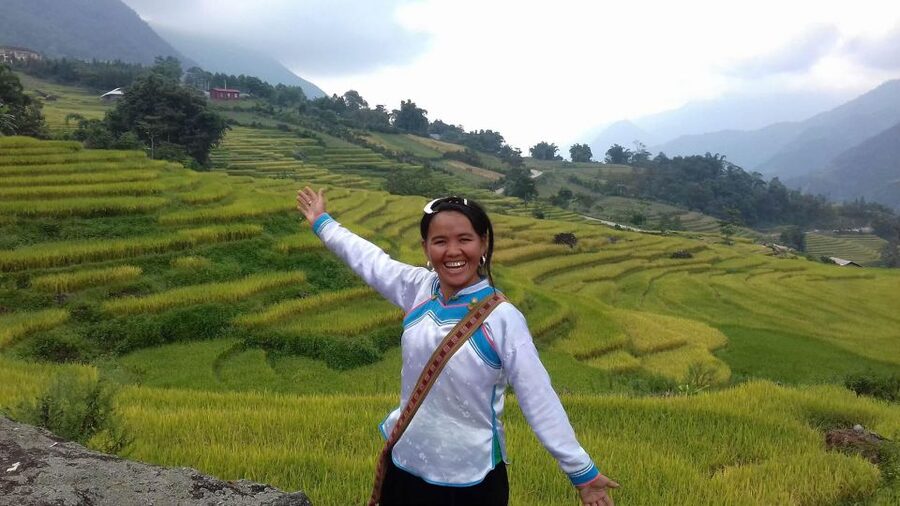
The day begins with a hotel pickup in Sapa town. This is not a single bus collection. Your guide walks from hotel to hotel, picking up the group one stop at a time, so the full collection period can take 30 to 45 minutes.
That slow start has a benefit. You get a short look at Sapa’s streets and daily routine before the countryside begins. The drawback is simple: be ready in your hotel lobby at the stated time, and expect the walk to start later if your hotel is collected near the end of the route.
Once everyone is together, you walk through Sapa town before heading toward the fields. The change is gradual. Shops and buildings give way to open terraces, farm plots, and narrow paths used by local residents.
The route is not presented as a strenuous mountain climb, but it is still a proper countryside trek. One outing covered about 11 kilometers, and wet conditions made the walking physically demanding. Your pace will depend on the weather, the group, and the condition of the trail.
More Hiking Tours in Sapa
- Sa Pa: Muong Hoa Valley Trek and Local Ethnic Villages
★ 4.6 · 864 reviews - Sapa: Eco Adventure Terrace Fields and Local Villages Trek
★ 4.9 · 636 reviews - From Sapa: 1-Day Guided Trek to Lao Chai & Ta Van with Lunch
★ 4.9 · 416 reviews
Rice, corn, and potato terraces away from the main streets
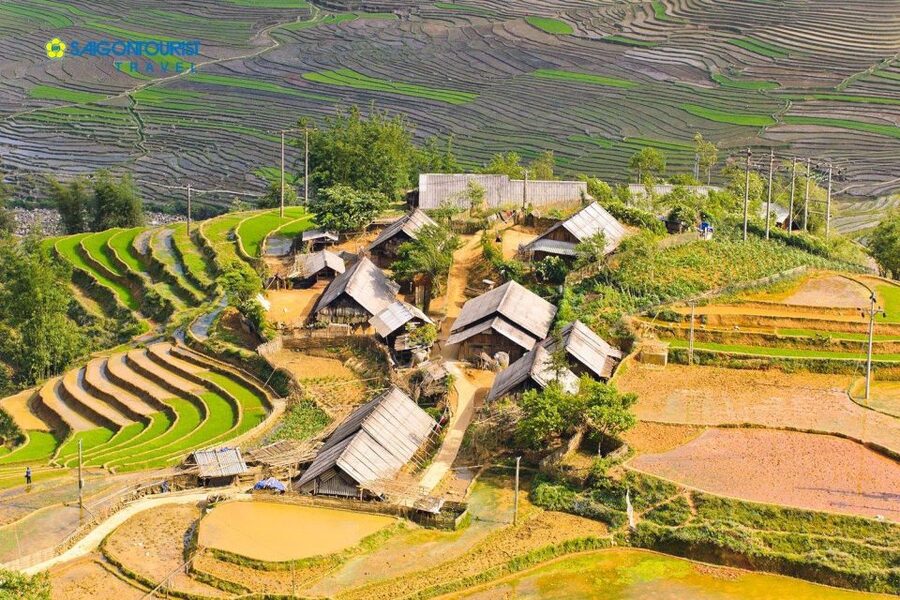
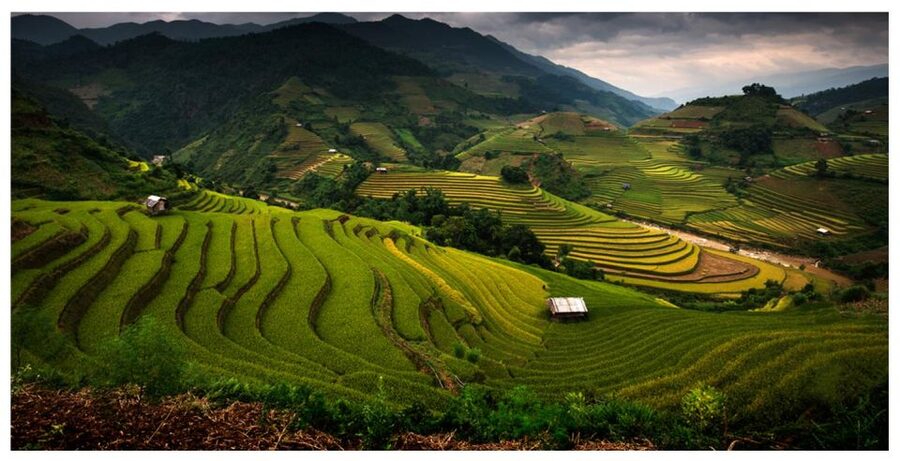
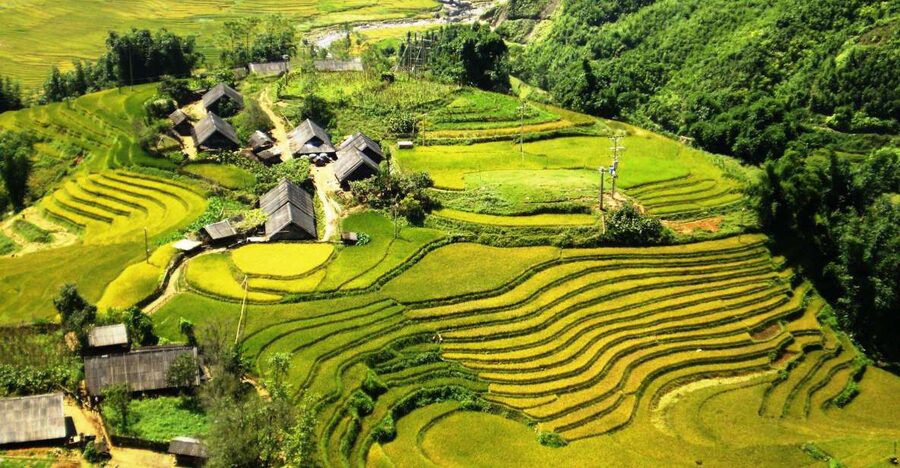
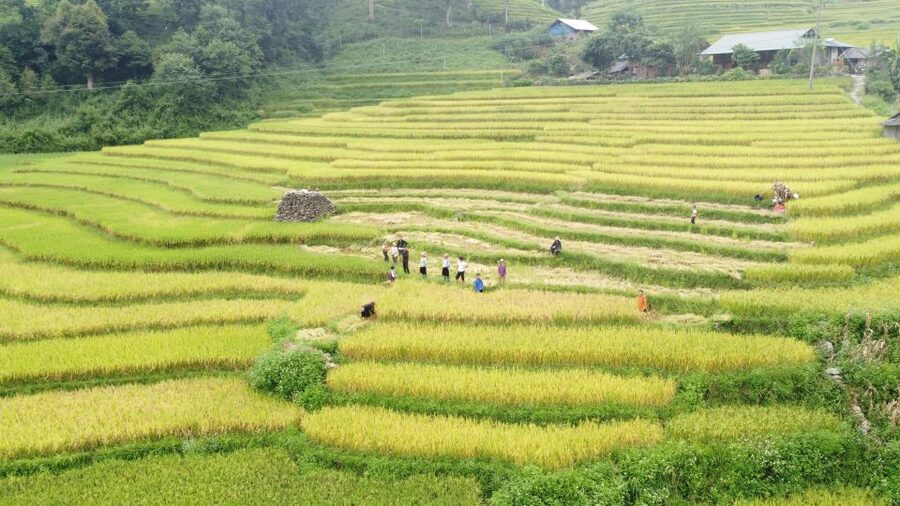
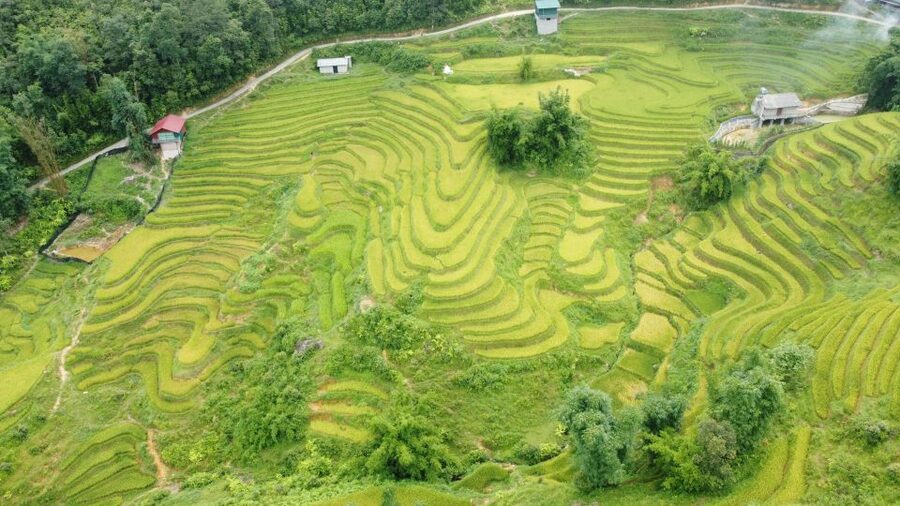
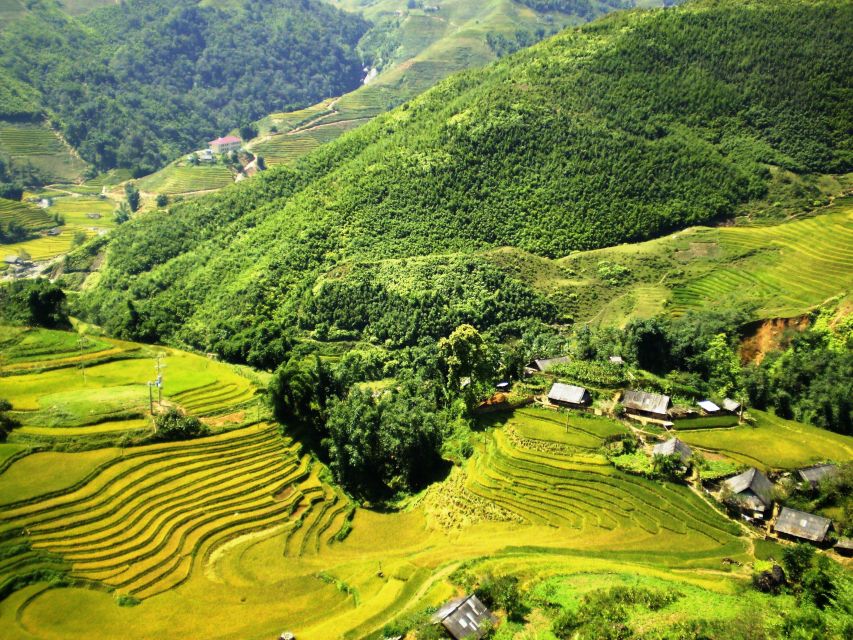
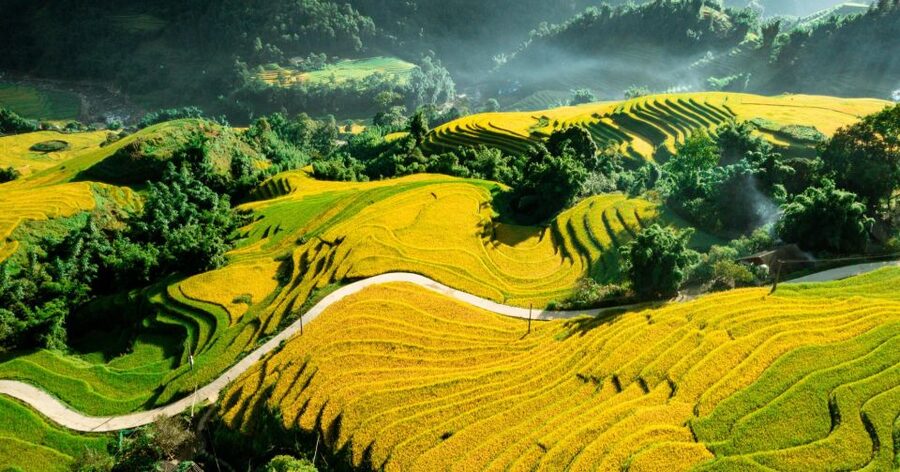
The main reward is the view. Sapa’s terraces are not just a backdrop for photographs. They show how farming has been shaped around the steep hills, with fields cut into long steps that follow the contours of the ground.
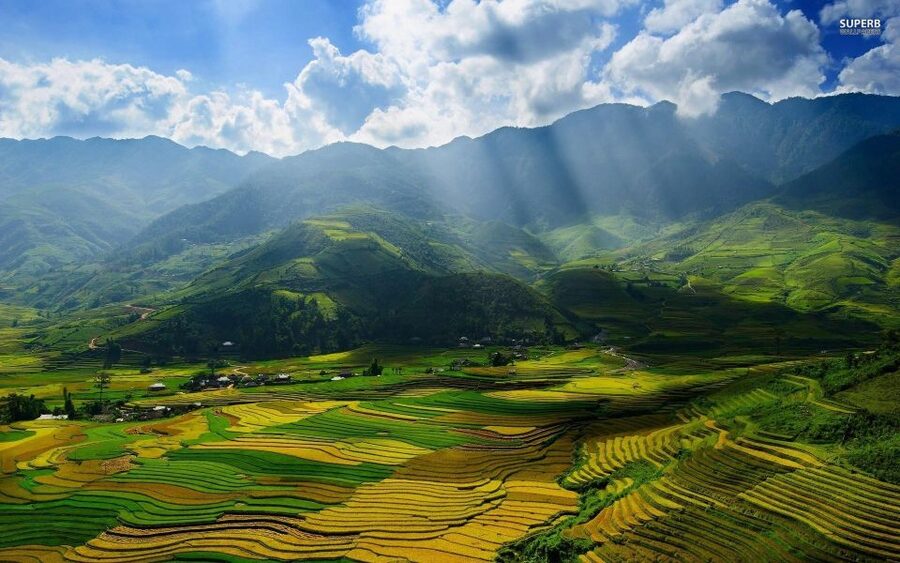
The route includes rice, corn, and potato fields, so the scenery changes with the season and the crop. In clear weather, you can take in a wide sweep of fields and hills. In fog, the views shrink, but the walk can feel more atmospheric and the ground becomes much more demanding.
I would not book this trek solely for guaranteed mountain views. Northern Vietnam weather can change quickly, and fog is a real possibility. The value is stronger if you care about walking through farming country and learning about local life, even when the distant views are hidden.
The route is described as less touristy than the immediate streets around Sapa, but it is not untouched. One assessment found parts of the outing a bit too touristy. That is a fair expectation to set: you will see working fields and village life, but this is still an organized route designed for visitors.
Lai Chai village and the human side of Sapa
Lai Chai is a small village on the hill route. The stop matters because it shifts the focus from scenery to people. Your guide explains local customs, habits, and the daily life of the ethnic minority communities around Sapa.
A local guide can add details that are easy to miss when you walk alone. You may learn how families use the land, how village life is organized, and how local traditions fit into everyday routines. The guide’s personal connection is part of the appeal.
On one outing, a guide named Mao answered questions carefully and showed the group her home and family. That kind of encounter is more personal than a standard sightseeing walk, though it also depends on the guide and the day’s route. Do not assume every group will have the same guide or visit the same home.
The walk through villages gives you a better sense of how close farming, homes, and paths are to one another. You are not simply looking across a valley from a viewpoint. You are moving through the places where people live and work.
Good manners matter here. Keep voices low near homes, ask before taking close-up photos, and listen when your guide explains local customs. The best part of the visit is the chance to understand the setting, not to treat the village as a stage.
A bamboo forest route and the practical reality of mud
Some versions of the walk include a bamboo forest. This section can be especially pleasant in warm weather, with shade and a change from the open terraces.
It can also be tricky. Fog and rain may leave the paths slippery, and muddy sections can make each step uncertain. One person needed help from a local woman after nearly falling, while other walkers had rubber boots and trekking poles.
That is useful advice for packing. In dry conditions, ordinary sturdy walking shoes may be enough. In wet weather, rubber boots are a much better choice, and trekking poles can help with balance. The tour does not list drinks, trekking poles, or special footwear as included items, so you need to arrange those yourself.
Do not wear shoes you care about. Mud and dirt are part of the experience in rainy weather. If you have back or heart problems, are over 70, use a wheelchair, or weigh more than 125 kilograms, this outing is not suitable according to the stated restrictions. Children under five should not join.
A few other Sa Pa trips to compare
- Sapa 1 Day Long Trek: Trek to Hau Thao and Sa Seng Villages
★ 4.6 · 344 reviews - Sapa: Fansipan Cable, Cat Cat Village, Moana Instagram Tour
★ 4.8 · 294 reviews - From Sapa: 3-Day Ha Giang Loop with Safe Rider (max 8 pax)
★ 4.9 · 285 reviews - Explore Sapa by TrekkingAdventures, Mountain,Rice fields
★ 4.9 · 229 reviews
The waterfall break gives the walk a natural pause
A waterfall provides a useful rest stop and a chance for photos. After several kilometers of uneven walking, a pause beside running water breaks up the day and gives you time to catch your breath.
The stop is not described as a large attraction with facilities, so keep your expectations modest. Its value is the setting and the pause, not a long visit or a built-up viewing area.
This is also where the weather can shape the mood. A clear day may give you a pleasant place to sit and photograph the surrounding fields. A wet day can make the nearby paths more slippery, so take care around the approach and do not rush to keep up with the group.
Local lunch after the trek
Lunch is served at a local restaurant after the walking portion. It is included in the $22 price, along with the guide, village entry fees, hotel pickup and drop-off, and the shuttle back to Sapa.
After a half-day on foot, the meal is more than a pleasant extra. It means you do not need to stop at a shop or carry enough food for the entire route. You can sit down, eat local dishes, and recover before the ride back.
The precise menu is not specified, so you should not book this expecting a particular dish. The meal is described as local cuisine with varied flavors. Drinks are not included, so carry money for water or another beverage.
The lunch also makes the schedule feel complete. You see the fields and villages first, then eat before returning. That is a better rhythm than ending the walk at the hardest point and sending you straight back to town.
Returning by shuttle instead of retracing the route
After lunch, a shuttle bus returns you to Sapa. This is one of the smartest features of the outing. You get the countryside walk without having to repeat the same route in reverse.
The shuttle also makes the trek easier to fit into a short Sapa stay. A seven-hour activity takes up most of the day, but you finish back in town rather than arranging a separate ride from an outlying village.
The exact return time will depend on the pickup process, walking pace, lunch, and road conditions. Keep the evening flexible. I would not schedule a tight train, bus, or other fixed departure immediately afterward.
Hotel drop-off is included in Sapa town. Pickup is from your hotel lobby, and the service is intended for hotels within the town area. If you are staying outside Sapa town, confirm the meeting point before booking.
What the $22 price really gives you
At $22 per person, this is a strong-value day if you want a guided walk rather than a private, highly tailored trek. The price covers the parts that can add up quickly: a local guide, village entry fees, lunch, hotel pickup, and return transport.
The value is not based on luxury. You are paying for access, local explanation, and a simple structure that removes several planning problems. You do not need to work out which village route to take, how to reach the trail, where to eat, or how to get back.
The tradeoff is a likely shared group format and a route that may feel somewhat tourist-oriented in places. The listing does not specify group size, so do not assume a private walk or a custom pace.
For $22, I think the strongest case is convenience plus local contact. If you are comfortable with basic food, muddy paths, and a walking day that may reach about 11 kilometers, the cost is easy to justify. If you want a quiet private hike with no other visitors, you should look for a different type of tour.
The guide makes the biggest difference
The guide is central to this outing. The advertised language is English, and the guide comes from the local ethnic community. That combination gives you both practical route help and a direct explanation of local culture.
A guide named Mao received particularly strong praise for being attentive, answering questions, and sharing a look at her home and family. Another guide was described as friendly and caring. These details suggest the human side of the tour can be its best feature.
Still, guide quality is not something a fixed itinerary can guarantee. You may not have Mao, and each guide will have a different style. The best approach is to ask questions as you walk. If you want to know about farming, family life, local customs, or village traditions, speak up rather than waiting for a formal talk.
The guide also matters for safety. On muddy paths, a local person knows where the ground is firm and where to slow down. Stay near the group, use care on steep or slick sections, and accept help when the trail becomes difficult.
Who should book this Sapa trek?
I would recommend it to you if you want a low-cost introduction to Sapa’s terraces and villages, especially when you have one free day and do not want to plan transport yourself.
It suits people who enjoy walking, photography, local food, and cultural explanation. It is also a good choice if you want to see more than the town center but do not need a private guide or a luxury vehicle.
You should think twice if you dislike mud, have trouble walking for several hours, or need a fixed finish time. The route can be hard in fog and rain, and the distance may be longer than the phrase small village walk suggests.
Pack water, since drinks are extra. Wear shoes with a firm grip, or rubber boots in wet weather. A light rain layer, clothes that can get dirty, and trekking poles are sensible additions. Book ahead when possible, especially if the forecast looks poor, so you can prepare properly.
The activity offers free cancellation up to 24 hours before departure, and you can reserve now and pay later. Those terms are useful if the weather forecast is uncertain, but they do not remove the need to check your clothing and fitness before the day.
Should you book it?
Book this trek if you want terrace views with local context, a simple lunch, and a shuttle back to Sapa for a modest price. The local guide, village route, and included transport give it more substance than a quick viewpoint visit.
Skip it if you want a dry, gentle walk or a completely quiet route. In good weather, it can be a rewarding day in the hills. In wet weather, it becomes a muddy test of balance, so your footwear and attitude will shape the experience as much as the scenery.
FAQ
How long does the Sapa terrace trek last?
The activity lasts about seven hours, including hotel pickup, the trek, lunch, and the shuttle ride back to Sapa.
What time does hotel pickup take place?
Pickup takes place between 8:00 and 8:45am. The guide walks from hotel to hotel in Sapa town, and the collection process can take 30 to 45 minutes.
Is lunch included?
Yes. A local lunch at a restaurant is included. Drinks are not included, so bring money for beverages.
What language does the guide speak?
The live guide speaks English. The guide is from a local ethnic minority community and explains local culture, customs, and daily habits.
How difficult is the walk?
The route involves several hours of walking through terraces, villages, and forest paths. One outing covered about 11 kilometers, and fog or rain made the trail slippery and muddy. The activity is not suitable for people with back or heart problems, wheelchair users, children under five, people over 70, or people over 125 kilograms.
Is transport back to Sapa included?
Yes. After lunch, a shuttle bus returns you to your hotel in Sapa town, and hotel pickup and drop-off are included.
More Lunch Experiences in Sa Pa
- From Sapa: Guided Full-Day Trekking with Lunch and Drop-Off
★ 4.2 · 86 reviews - Sapa: Private Highlights Day Tour with Lunch
★ 4.8 · 61 reviews - Ninh Binh Heritage Full Day Tour with Buffet Lunch and Limousine
★ 5.0 · 2,692 reviews - Halong Bay Day Tour With Titop Island, Cave, Kayak & Lunch
★ 5.0 · 2,551 reviews
More Hikes in Sa Pa
- EXPLORE SAPA: 2D1N TREKKING & HMONG CULTURE WITH DINH
★ 4.9 · 191 reviews - Sa Pa: 6-Hours Muong Hoa Valley Trek with Local Ethnic guide
★ 4.5 · 178 reviews - Sa Pa: 2-Day Trekking Trip with Ethnic Minority Homestay
★ 4.7 · 145 reviews - Half Day Sapa Trekking to Visit Lao Chai – Ta Van
★ 4.7 · 126 reviews
Newly listed around Sa Pa
- 2-Day Fansipan Mountain Trek – Indochina’s Highest Peak★ 4.3 · 42 reviews
- In Sapa: 1 Day Mountain Trek, Visit beautiful villages★ 5.0 · 50 reviews
- From Hanoi: Sapa 3-Day Medium Trek and Limousine Trip★ 4.5 · 59 reviews
- Sapa: Private Highlights Day Tour with Lunch★ 4.8 · 61 reviews
- 1-Day Sapa Long Trek – Rice Field Terrace, Ethnic Culture★ 4.9 · 62 reviews
- Sa Pa: Half-Day Cat Cat Village Hike to Meet H’mong People★ 3.7 · 72 reviews
- From Sapa: Guided Full-Day Trekking with Lunch and Drop-Off★ 4.2 · 86 reviews
- Sapa Trekking Bargains With Local Guide★ 4.9 · 91 reviews
Sapa Trekking Tours, compared.

Sapa 2 Days 1 Night From Hanoi – Overnight in Ta Van Village
Read our review →

Muong Hoa Valley Trek and Local Ethnic Villages
Read our review →
Fansipan Cable, Cat Cat Village & Moana Instagram Tour
Read our review →

Sapa 3 Days 2 Nights Trekking Tour (1 Night In Ta Van Village, 1 Night In Hotel)
Read our review →
Eco Adventure Terrace Fields and Local Villages Trek
Read our review →
3-Day Trekking Adventure of Sapa from Hanoi – Stay Ta Van Village
Read our review →Browse the lists this tour appears in