
Reviewed · SAPA TREKKING TOURS
Sapa 2 Days 1 Night From Hanoi – Overnight in Ta Van Village
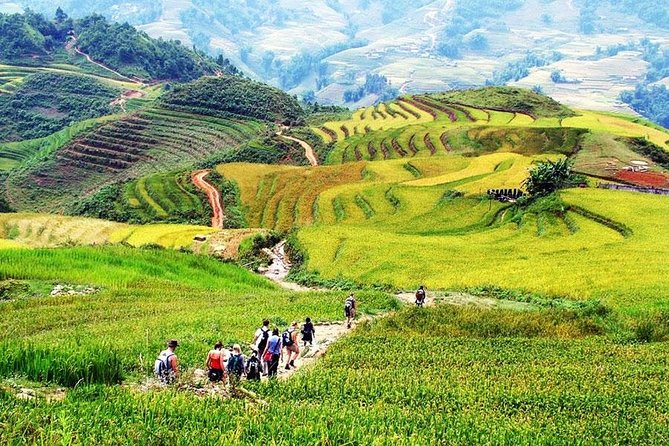
The best part of this trip is the walk from Sapa into the Muong Hoa Valley, where rice terraces, mountain paths, and H’Mong villages replace the noise of Hanoi. You sleep in Ta Van Village, not in a city hotel, and the setting gives you a direct look at rural life in northern Vietnam.
I like the local guides, who explain village customs and adjust the route to the group. Guides such as Khu, Su, May, Cat, Mu, and Chang have been praised for their patience, English, and personal knowledge of the area. I also like the tidy package: buses, two lunches, dinner, breakfast, water, a guide, and a bed are covered for $59.
The catch is the travel time. The bus ride can take about 12 hours in total, and road conditions, weather, group fitness, and the quality of the sleeper bus can shape the trip. The lodging is a simple bungalow or dorm-style stilt house, not a luxury retreat.
Key points to know before booking
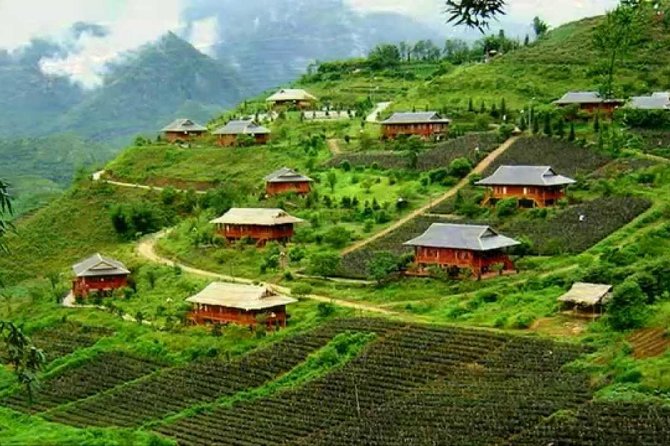
- The first trek links four northern villages: You may walk through Y Linh Ho, Lao Chai, Ta Van, and Giang Ta Chai, with rice terraces and the Muong Hoa Stream as the main sights.
- Ta Van is the overnight highlight: You sleep in a village bungalow or shared stilt house and eat meals prepared by local hosts.
- The guides make the difference: Khu, Su, Cat, May, Mu, Chang, and other local guides have helped people manage muddy trails, route choices, and cultural questions.
- The bus journey is long: Pickup begins around 6:00 to 6:20 a.m. in Hanoi’s Old Quarter, with a morning bus to Sapa and a return bus in the afternoon of Day 2.
- This is an active but adjustable trip: Routes can be shortened or changed for bad weather, muddy paths, or older members of the group.
- Pack for changeable mountain weather: Bring trekking shoes, warm layers, rain protection, sun cream, insect repellent, and Vietnamese dong.
Why the Ta Van route is worth your time
Sapa is best seen on foot. The town itself has hotels, restaurants, shops, and plenty of people selling local goods, but the surrounding valley is where the visit becomes special. This tour takes you away from the main town and into villages connected by footpaths rather than ordinary city streets.
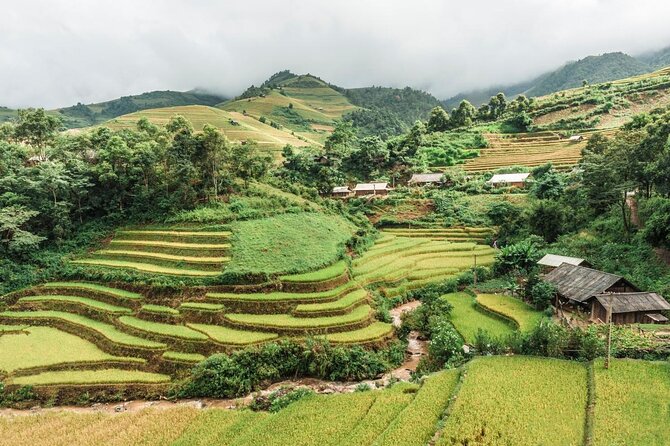
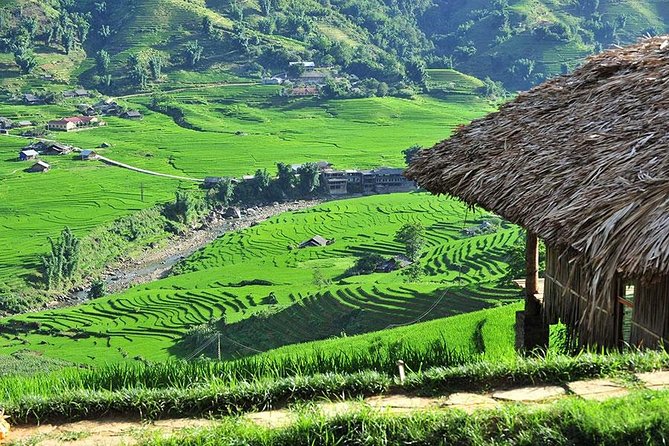
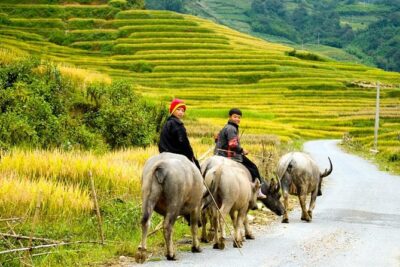
The scenery is the main reward. Rice terraces cut across the hills, the Hoang Lien Son range rises around the valley, and the Muong Hoa Stream follows part of the route. In clear weather, the views stretch across steep slopes and cultivated fields. In fog or light rain, the mood changes completely, with a quieter and more enclosed feel.
Your guide also gives the scenery meaning. A good guide can explain the customs and daily life of H’Mong, Dzao, and Tay communities instead of leaving you to see only attractive hills. Guides named Khu and Chang, for example, have been praised for explaining local culture and sharing personal connections to village life.
Ta Van is a practical overnight choice. It is close enough to reach on foot from the valley routes, yet far enough from Sapa town to feel more rural. You eat with the host family or at the lodging, then wake up in the hills rather than spending the night in a standard hotel.
A few other Hanoi trips to compare
- Hanoi – Sapa 2 Days 1 Night Overnight At Homestay
★ 5.0 · 899 reviews - From Hanoi: 2-Day Sapa Trekking Trip with Homestay & Meals
★ 4.8 · 704 reviews - Sapa 3 Days 2 Nights Trekking Tour (1 Night In Ta Van Village, 1 Night In Hotel)
★ 5.0 · 699 reviews
Day 1: Hanoi to Sapa by morning bus
Pickup is scheduled for roughly 6:00 to 6:20 a.m. from hotels in Hanoi’s Old Quarter, though you need to provide the exact hotel name and address in Hoan Kiem District. Depending on the transfer option, you may be taken to a meeting point or transferred to the main bus.
The bus is air-conditioned and includes WiFi, with two bottles of water per person for the round trip. The route follows the highway toward Lao Cai, with a comfort break around 9:30 a.m. and another stop later in the morning. The planned arrival in Sapa is around 1:00 p.m.
This part requires patience. The ride is long, and the actual timing can change because of traffic, weather, and operating conditions. One bus may arrive close to schedule, while another may take nearly two hours longer. Some buses are comfortable enough, while others may feel less clean or make stops that are longer than expected.
I suggest treating the ride as part of the cost of reaching the mountains, not as a sightseeing segment. Keep medication, snacks, a phone charger, and a light layer with you rather than burying them in luggage. You can leave larger bags on the bus, and a vehicle can transfer luggage to the village while you trek.
Arriving in Sapa and meeting the local guide
Around 1:00 p.m., you reach Sapa Town. The town is known for the traditional clothing of H’Mong, Dzao, and Tay people, and you usually meet your guide at the bus station before going to a local restaurant.
Lunch is included and features Vietnamese dishes. Two lunches are included in the full trip, along with dinner and breakfast. Vegetarian requests and other food needs should be sent to the operator before departure. One person with coeliac disease reported that the food could be adjusted, but advance notice remains important.
Do not expect a long town tour at this point. The main purpose of Sapa is to meet the guide, eat, organize luggage, and begin the walk. If the bus arrives late, lunch and the first route may be compressed.
The guides are the strongest part of the organization. Cat has been praised for making route choices based on group ability, while Khu has helped people through wet and muddy conditions. Su, May, Mu, and Chang have also been singled out for clear explanations, kindness, and practical help.
The afternoon walk through Y Linh Ho and Lao Chai

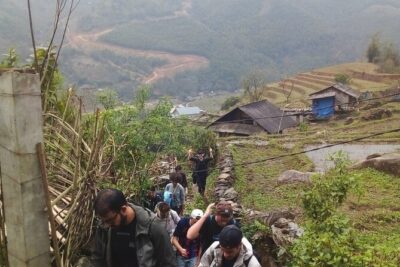
The planned trek begins around 2:30 p.m. You leave the town area and walk toward Y Linh Ho, then continue through rice terraces and along the Muong Hoa Stream toward Lao Chai, a Black Hmong village.
This is the section that gives the trip its character. The route is not simply a paved walk to a photo stop. You move through cultivated hills and village paths, with the guide helping you stay on course. The terraces are especially striking when their changing colors show the season and the way the hills are farmed.
The path can be muddy. Rain changes the footing and may force the group onto a shorter or easier route. Trekking shoes are strongly advised, and rain boots or ponchos may be available locally if conditions turn wet. A guide may also offer a flatter route, but do not expect every group to receive the same walk.
This flexibility is useful, though it creates one possible disappointment. A fit person hoping for a long, steep trek may get a gentler route if the group includes older people or if weather makes the trail unsafe. One guide later offered a longer bamboo forest route when the group could manage it, so tell your guide what you want early.
The hike eventually leads toward Ta Van Village. The route may take several hours, and the supplied schedule gives this portion about 14 hours because it includes the overnight stay. You should arrive ready for a full afternoon outdoors rather than a quick stroll.
Same base, a completely different day:
- Hanoi Jeep Tour: Food, Culture and Fun by Vietnam Army Jeep
★ 5.0 · 15,222 reviews - Full-Day Ninh Binh Highlights Tour from Hanoi
★ 5.0 · 7,761 reviews - Hanoi: Ha Long Bay Day Cruise – Swimming, Meal, Kayaking
★ 4.7 · 7,415 reviews - Hanoi: Water Puppet Show Tickets
★ 4.6 · 7,029 reviews
Sleeping in Ta Van Village
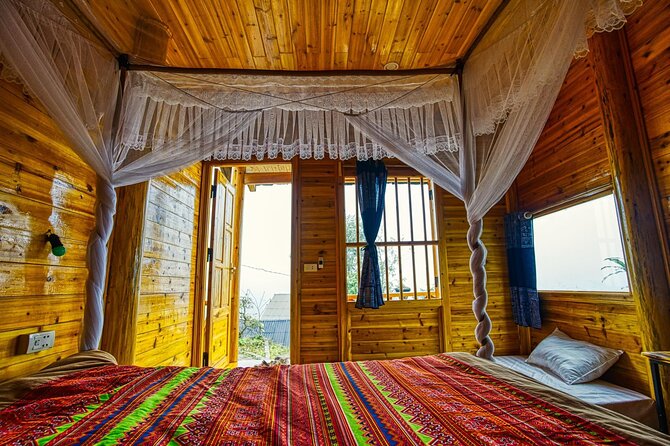
The overnight accommodation is described as a bungalow or stilt house dormitory, with standard rooms for two or three people. In practice, the exact room can vary. Some people receive a cozy, clean bungalow, while others find the advertised upgraded accommodation much plainer than expected.
Set your expectations at village homestay level. You are paying for location, meals, and a local setting, not hotel facilities. Electric blankets may be available in cold conditions, and the accommodation is intended to be comfortable enough for one night after the hike.
Dinner is included and is generally simple Vietnamese food served at the lodging or with other people staying there. Food quality can be good, but it is not a gourmet meal. Service may be slow, so order drinks well before you want them.
The evening matters because it gives you a chance to see a slower side of northern Vietnam. You are not just sleeping near Sapa; you are staying in a village where the setting, family-run meal service, and shared accommodation are part of the experience. If you prefer privacy, quiet hotel standards, or a polished bathroom, this arrangement may test your patience.
Day 2: Rice paddies and the Giang Ta Chai bamboo forest
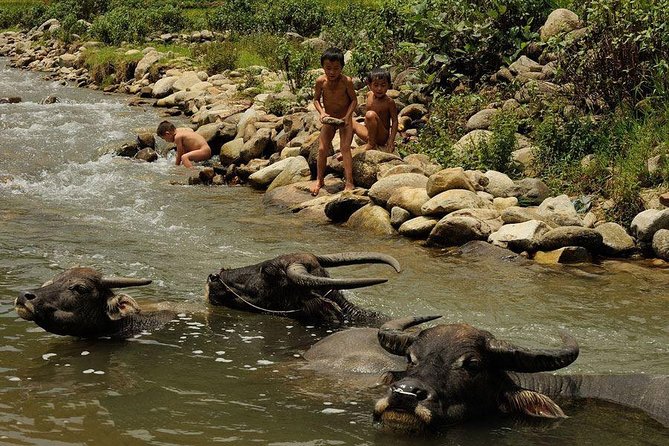
Breakfast is planned for 8:00 a.m., prepared by the local family. The second trek begins around 8:45 a.m. and heads toward Giang Ta Chai Village.
This morning is often the visual high point. The route passes rice paddies, then continues through bamboo forest paths to a panoramic viewpoint over the surrounding hills. The bamboo forest has been singled out as a favorite part of the walk, and it offers a different feel from the open terraces of Day 1.
The second walk is listed at about three hours. It can still be muddy, steep, or slippery, depending on the weather. Guides such as Khu and Cat have helped people choose between longer, steeper routes and easier options, so be honest about your pace and footwear.
The guide’s local knowledge is especially useful here. Su has been praised for pairing stops with stories about local customs, while May and Khu have explained the lives of minority communities in a way that adds meaning to the views. You get more from the walk when you ask questions instead of racing from one viewpoint to the next.
After the walk, you have lunch and time to wash and collect your belongings. A van or car takes you back to Sapa around 1:30 p.m. The bus ticket is provided for the return journey.
Free time in Sapa before the return bus

The schedule allows about an hour in Sapa Town, generally from 2:00 to 3:00 p.m., for a short walk or shopping. This is useful if you want a quick look at the town, but it is not enough time for major sightseeing.
You then meet the group around 3:00 to 3:30 p.m. for the return bus to Hanoi. The precise arrival time in Hanoi depends on traffic and road conditions. The return journey is another major block of time, so this tour works best when you have a spare day after it rather than an important flight or train connection.
If you want more time in the mountains, the operator allows you to finish the trip in Sapa. That option should be arranged before departure. Staying longer would also make sense if you want a slower village visit, extra hiking, or a break from the long bus ride.
What $59 really covers
At $59 per person, the package offers strong practical value. You receive round-trip bus transport from Hanoi, air-conditioned vehicles, water, two lunches, dinner, breakfast, a local English-speaking guide, one night of accommodation, and bus insurance.
Buying each element separately could be harder, especially if you do not speak Vietnamese or know which village routes are open. The guide also removes the risk of getting lost among paths and terraces. For a first visit to Sapa, the convenience is worth real money.
The low price also explains the compromises. The group can have up to 15 people, rooms may be shared, meals are simple, and the bus standard can vary. Drinks, personal expenses, VAT, travel insurance, and other unlisted services are extra.
The package has been booked more than 10 times in a recent week and carries a 4.9 rating from 2,668 ratings, with 98 percent recommending it. Those numbers suggest dependable demand, but they should not hide the main tradeoff: you are buying a tightly arranged mountain excursion, not a private custom trek.
Who should book this Sapa trip?
I would choose this tour if you have limited time in Vietnam and want to combine transport, hiking, food, and a village overnight without planning every detail. It suits people who enjoy walking, can manage several hours on uneven paths, and like meeting a local guide.
It is also a good choice if you are alone and want a small social group. The maximum group size is 15, and group sizes described in the feedback were sometimes closer to seven. That is small enough to meet people without paying private-tour prices.
You should think twice if you dislike long bus rides, shared rooms, uncertain schedules, or muddy trails. You may also prefer a private or longer Sapa trip if you want to control the walking distance and avoid adjusting your route for the rest of the group.
Pack warm clothes, a scarf, hat, trekking shoes, sunglasses, sun cream, insect repellent, and medicine. Sapa can be cold from September through March, and fog is possible in December, January, February, and March. Carry Vietnamese dong because local banking may not work reliably.
Free cancellation is available up to 24 hours before the start time. Changes or cancellations within 24 hours are not refunded, and poor weather or failure to reach the minimum group size can lead to a new date or a full refund.
Should you book this two-day Sapa tour?
Book it if your priority is real village scenery with simple logistics. The walks through the terraces and bamboo forest are the reason to come, and a strong local guide can turn a demanding route into an absorbing cultural visit.
Do not book it expecting a luxury bungalow or a perfectly timed bus. The journey is long, the room may be basic, and the route can change. At $59, though, the combination of transport, meals, guide, and overnight stay is hard to dismiss.
My practical advice is to request your pickup details, confirm food needs, pack for rain, and tell the guide whether you want a longer or easier route. If you can accept a little road-trip uncertainty in exchange for Ta Van’s hills and village paths, this is a sensible first Sapa experience.
FAQ
How long is the tour from Hanoi?
The experience lasts two days and one night. The planned bus leaves Hanoi around 6:00 to 6:20 a.m. on Day 1 and returns after the afternoon bus from Sapa on Day 2.
Where does pickup take place in Hanoi?
Pickup is offered from hotels in Hanoi’s Old Quarter, with customers asked to provide their hotel name and address in Hoan Kiem District. Some transfer options may use a meeting point.
What villages does the trek visit?
The planned route includes Y Linh Ho, Lao Chai, Ta Van, and Giang Ta Chai. The exact route can change because of weather and operating conditions.
Where do I sleep?
You stay in a bungalow or shared stilt-house dormitory in Ta Van Village. The standard room policy is two to three people per room.
Are meals included?
Yes. The tour includes breakfast, dinner, and two lunches. Beverages are not included. Vegetarian or special dietary needs should be provided to the operator in advance.
Is the bus ride air-conditioned?
Yes. The tour includes an air-conditioned vehicle, a modern bus in Sapa for the stated transfer option, WiFi on board, and two bottles of water per person for the Hanoi to Sapa and return journey.
How large is the group?
The maximum group size is 15 people. The tour is described as a small-group experience.
What should I bring?
Bring warm clothes, a scarf, hat or cap, trekking shoes, sunglasses, sun cream, insect repellent, and any medicine you may need. Vietnamese dong is recommended because banking services in Sapa may not work reliably.
Can I end the trip in Sapa instead of returning to Hanoi?
Yes. You can finish the trip in Sapa, but you should arrange this option with the operator before the tour.
More Evening Experiences in Hanoi
- Hanoi Motorbike Tours Led By Women: Hanoi By Night Foodie Motorbike Tours
★ 5.0 · 1,734 reviews - From Hanoi: Ha Long – Bai Tu Long Bay 2-Day 1-Night Cruise
★ 4.6 · 1,113 reviews - Halong Bay Cruise 2 days 1 night from Hanoi included transfer
★ 5.0 · 1,061 reviews - Best Lan Ha Bay Cat Ba Cruise 2 Days 1 Night Less touristy
★ 5.0 · 1,055 reviews
Newly listed around Hanoi
- Hanoi: Halong Bay Cruise, Amazing Cave, Titov Island & Kayak★ 4.2 · 39 reviews
- 2Days-1Night Halong Bay Luxury Genesis Regal Cruises★ 4.5 · 39 reviews
- Ninh Binh 1 Day Tour(Tam Coc – Mua Cave – Bich Dong)★ 5.0 · 39 reviews
- 8 days 360° Vietnam Adventure from Hanoi★ 5.0 · 39 reviews
- Dora Cruise – Luxury 5 Star Cruise in Halong Bay & Lan Ha Bay (2D1N)★ 4.5 · 39 reviews
- 3 Days and 2 Nights Ha Giang Loop Tour★ 5.0 · 39 reviews
- Best Value Ha Long bay 1 day – Lunch, kayak, swimming, transfer★ 5.0 · 39 reviews
- From Hanoi: Ha Giang Loop Motorbike Tours 3-Days 2-Nights★ 5.0 · 40 reviews
Sapa Trekking Tours, compared.

Muong Hoa Valley Trek and Local Ethnic Villages
Read our review →
Fansipan Cable, Cat Cat Village & Moana Instagram Tour
Read our review →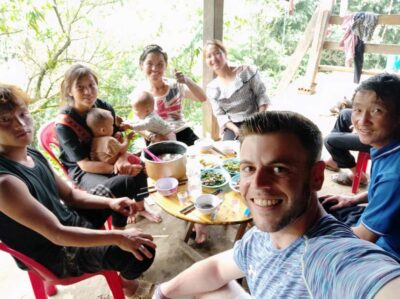
Sapa 3 Days 2 Nights Trekking Tour (1 Night In Ta Van Village, 1 Night In Hotel)
Read our review →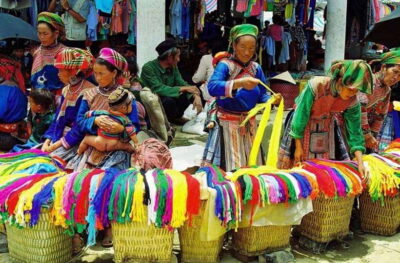
Eco Adventure Terrace Fields and Local Villages Trek
Read our review →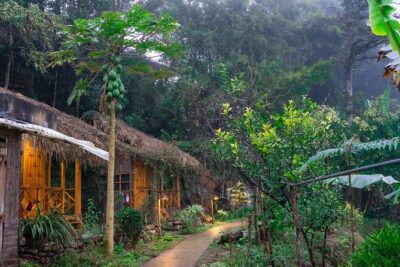
3-Day Trekking Adventure of Sapa from Hanoi – Stay Ta Van Village
Read our review →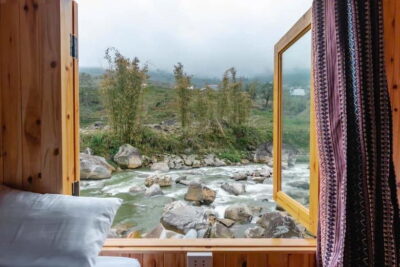
2-Day Sa Pa Ethnic Homestay Tour & Trek with Limousine Bus
Read our review →Browse the lists this tour appears in