
Reviewed · SAPA TREKKING TOURS
Sapa: Eco Adventure Terrace Fields and Local Villages Trek
Sapa’s best moments often come on foot, and this trek puts you right among Muong Hoa Valley’s rice terraces, wooden homes, streams, buffalo, and working fields. I like the small group, limited to 10 people, and the chance to learn directly from a local English-speaking guide such as Chai or Vu.
I also like the home-cooked lunch with a Hmong family and the route through three villages rather than one quick photo stop. The main catch is simple: this is a real 10 to 12 kilometer hike, not a gentle stroll. Mud, steep sections, and slippery descents can make it tough after rain.
Key points at a glance
- Three villages in one day: Walk through Y Linh Ho, Lao Chai, and Ta Van, with time to see rural life rather than just passing a viewpoint.
- A local guide makes the difference: Guides including Chai, Vu, Wu, and others explain Hmong and Dzay customs, family life, clothing, and local history in English.
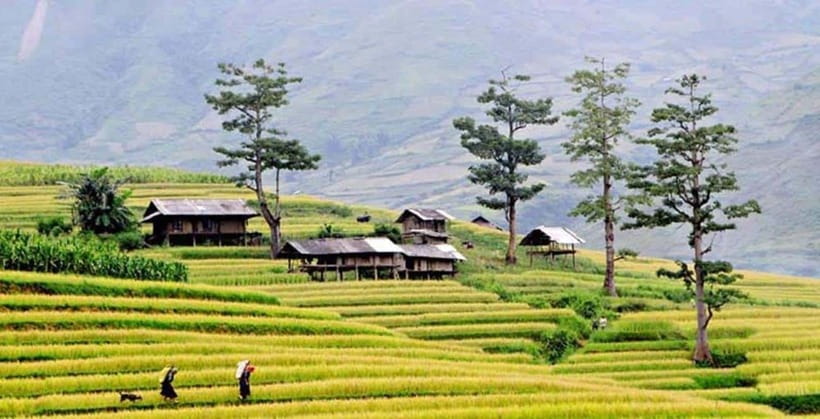
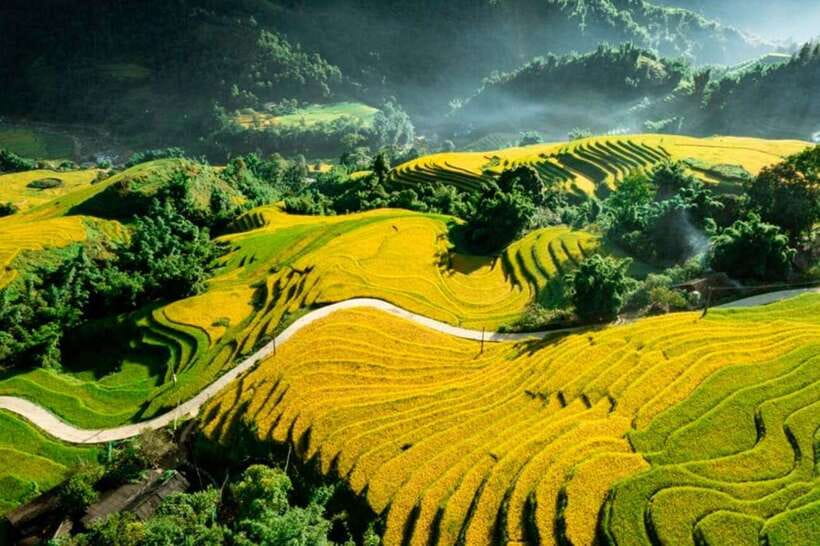
- Muong Hoa Valley scenery: Expect layered rice terraces, high mountains, streams, rivers, traditional houses, and farmers working in the fields.
- Proper walking shoes matter: The first part can become very muddy and slippery, and some people rent rubber boots before starting.
- Lunch is part of the value: A local meal is included, with vegetarian and vegan choices reported during the experience.
- Small-group format: The group is limited to 10 participants, which gives you a better chance to ask questions and keep a sensible walking pace.
Starting at Sapa Church at 9:00 AM
The day begins in front of Sapa Church, an easy meeting point in the center of town. You need to provide a WhatsApp number so the guide can contact you, and it is worth arriving early enough to find the church without rushing.
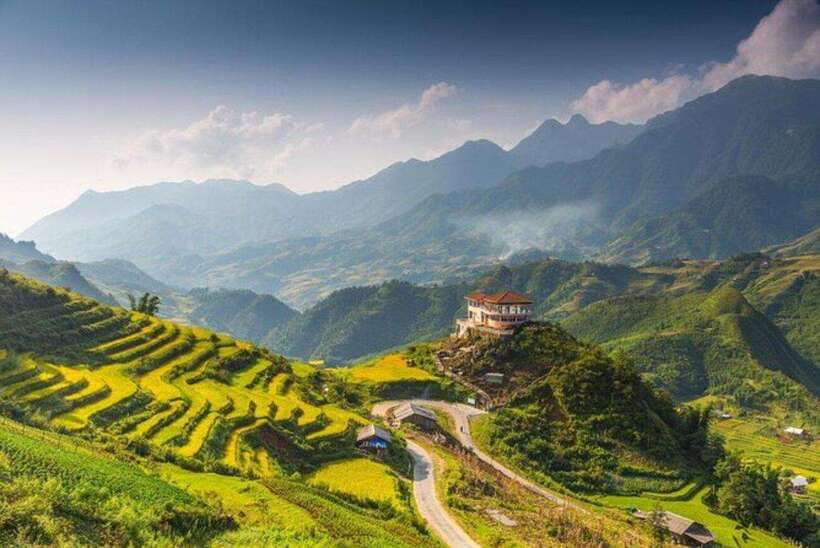
From the center, the trek starts with a small hill viewpoint. On a clear morning, you can look toward Fansipan Peak, Vietnam’s highest mountain. Sapa weather is famously changeable, though, and mist may cover the mountain and valley at first. Do not judge the entire day by the first hour. Several people found that the fog lifted later in the afternoon.
The opening section sets the tone. You leave the town behind and begin walking toward the terraces and valley below. It is not a forest walk in the usual sense. The route focuses on open mountain scenery, rice fields, village paths, and rural homes.
More Hiking Tours in Sapa
- Sa Pa: Muong Hoa Valley Trek and Local Ethnic Villages
★ 4.6 · 864 reviews - From Sapa: 1-Day Guided Trek to Lao Chai & Ta Van with Lunch
★ 4.9 · 416 reviews - Sapa 1 Day Long Trek: Trek to Hau Thao and Sa Seng Villages
★ 4.6 · 344 reviews
Walking into Muong Hoa Valley
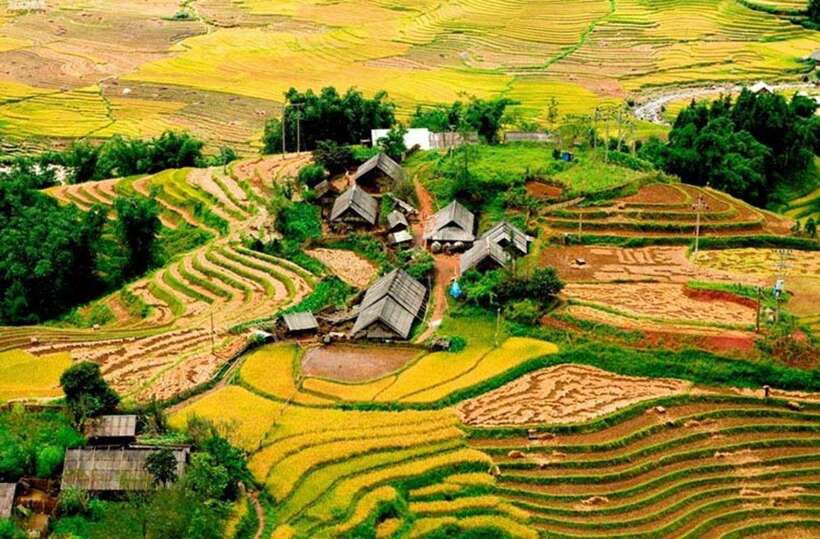
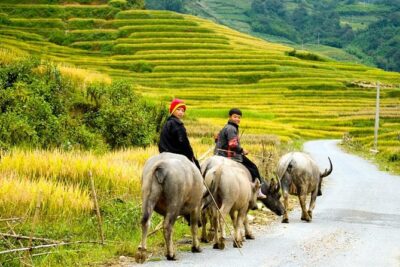
Muong Hoa Valley is the main reason to book this outing. Its rice terraces curve across the steep hillsides, creating broad bands that change color with the farming season. The exact view depends on weather and the time of year, but the setting remains impressive even when clouds hide the peaks.
You will pass meandering streams, rivers, wooden houses, animals, and people working in the fields. Depending on the season, farmers may be planting or harvesting rice. That detail matters because the valley feels like a working place, not a stage set arranged for sightseeing.
I particularly like the slow pace here. The guide can pause to explain what you are seeing, and you have time to look beyond the usual viewpoint. You might see water buffalo, ducks, chickens, pigs, and dogs near the villages. These small details make the walk feel connected to daily life.
The first portion can also be the hardest. After rain, the trail may be thick with mud, and downhill sections can be slippery even in dry weather. Local women sometimes help people across difficult patches by offering a steady hand. You may also find rental rubber boots near the start, and they can be a smart choice if the ground is wet.
Y Linh Ho and the first river crossing
Around 11:00 AM, you reach Y Linh Ho Village, associated with the Hmong community. A small bridge crosses a scenic river, giving you a natural pause before the route continues toward Lao Chai Sang.
The village section is valuable because the guide can explain more than names and dates. The focus is on customs, family life, work, clothing, and the pressures facing people in mountain communities. Guides such as Chai are praised for discussing local women’s lives and sharing personal connections to the area.
That personal approach is one of the strongest parts of the outing. You are not simply pointed toward a house and told to take a picture. You can ask questions about how people live, how rice farming shapes the year, and why traditional clothing remains important.
The route continues beside rice fields and beneath high mountains. In good weather, you get the wide views shown in the tour photographs. In mist, the mood changes. The valley becomes quieter and more mysterious, but visibility can be limited. If sweeping views are your top priority, aim for a day with a good forecast.
Lunch with a Hmong family around 12:30 PM
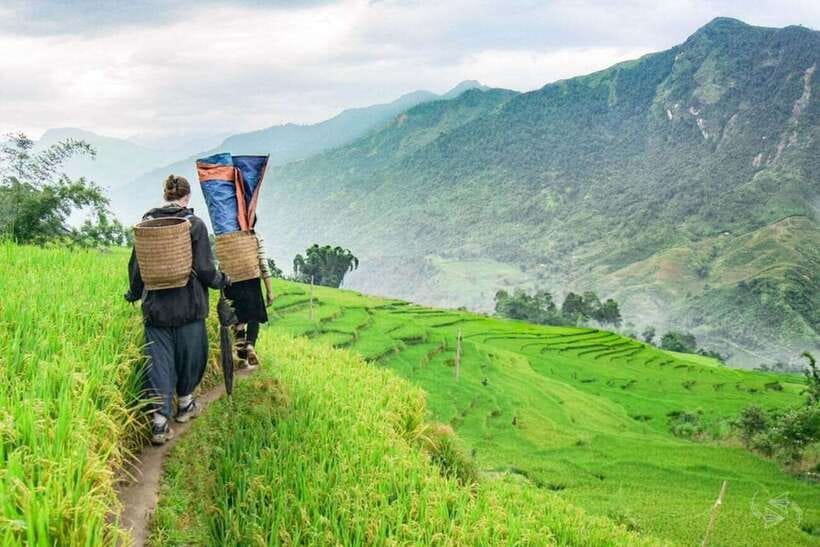
Around midday, you stop for lunch in Lao Chai Sang. The meal is described as home-cooked and is served locally, with some groups eating in a village restaurant with a view. Either way, this is more than a practical food break.
Lunch gives your feet time to recover and creates a relaxed setting for conversation. You can ask the guide about the dishes, local ingredients, and the village while eating. Vegetarian and vegan options have been available, but you should still mention dietary needs when booking or meeting the guide.
The lunch is included in the $27 price, along with entrance tickets and the guide. Drinks are not included, so bring money for beverages or carry enough water for the walk. With six and a half hours away from town, a water bottle and a few snacks are sensible even with lunch provided.
I see the meal as a strong value point. A private meal with a local family, entrance fees, and a full-day guide would usually make this more than a simple paid walk. The price is especially appealing if you want scenery and cultural context in the same outing.
A few other Sa Pa trips to compare
- Sapa: Fansipan Cable, Cat Cat Village, Moana Instagram Tour
★ 4.8 · 294 reviews - From Sapa: 3-Day Ha Giang Loop with Safe Rider (max 8 pax)
★ 4.9 · 285 reviews - Explore Sapa by TrekkingAdventures, Mountain,Rice fields
★ 4.9 · 229 reviews - EXPLORE SAPA: 2D1N TREKKING & HMONG CULTURE WITH DINH
★ 4.9 · 191 reviews
Lao Chai Village and everyday Hmong life
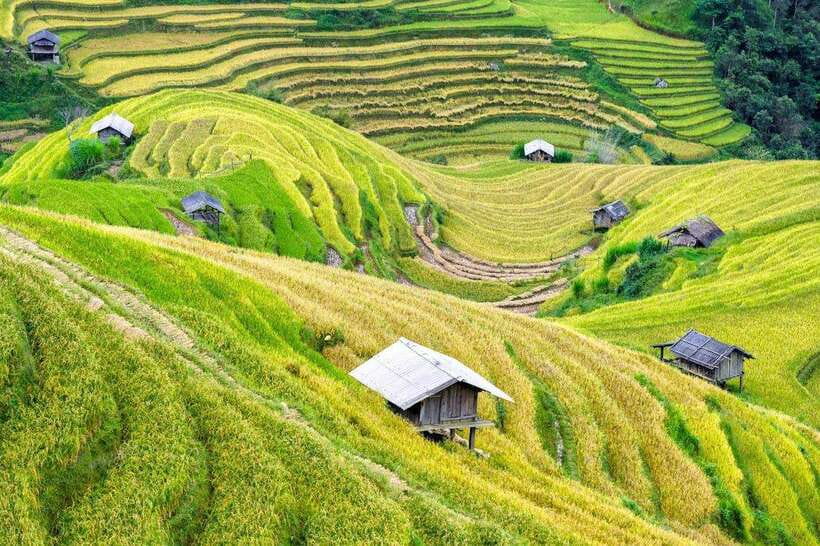
After lunch, the trek continues to Lao Chai Village. The route may pass farmers planting or harvesting, depending on the season. You get a closer view of how the terraces work and why the valley’s beauty is tied to demanding agricultural labor.
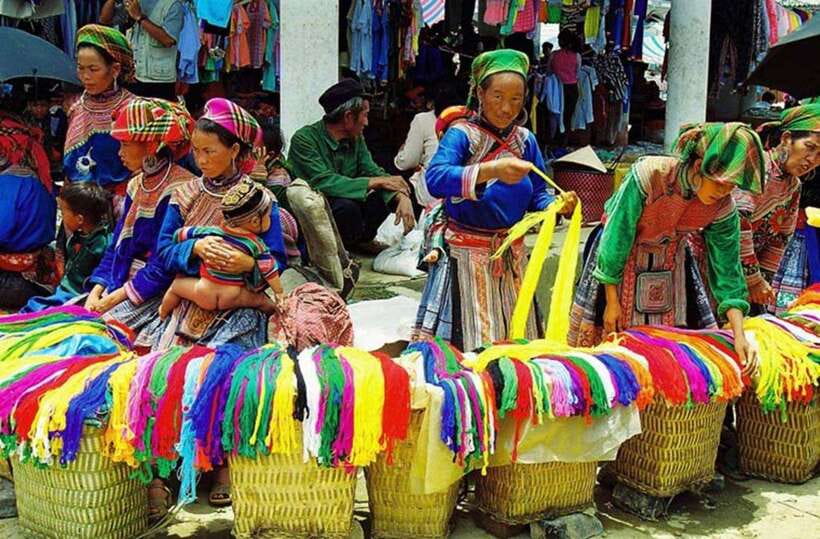
The guide also introduces Hmong clothing-making and traditional dress. This is one of the more distinctive parts of the day because it connects visible objects, such as embroidered clothing or handmade bags, with the skills and identity behind them.
Local women may walk with the group for part of the route, especially on muddy or difficult sections. They may also offer handmade clothing and bags for sale. The information provided does not make shopping compulsory, and several people found the sellers friendly rather than pushy. If you want to support village families, carrying some cash gives you that option. If you do not want to buy anything, polite thanks is enough.
You may also have a chance to look inside a local home. Treat that as an opportunity to listen and ask before taking photographs. The best part of this section is the human contact, so a respectful approach matters more than collecting pictures.
The route to Ta Van and the Dzay community
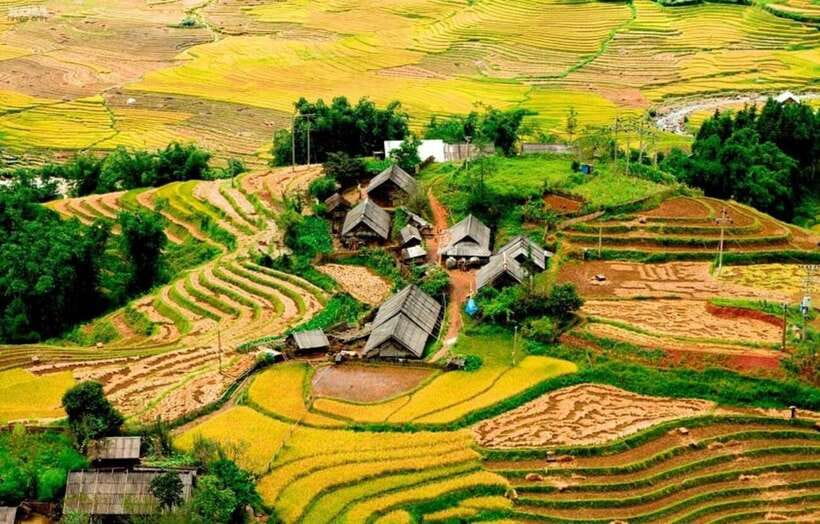
The final village is Ta Van, home to the Dzay minority. By this point, the walk often feels different from the muddy opening section. Some paths are easier, and parts of the route may be paved or follow roads through the villages.
Ta Van adds another cultural layer. The point is not to treat Hmong and Dzay life as interchangeable. Your guide can help explain differences in customs, clothing, homes, and community life. The quality of this explanation depends on the individual guide, but the experience has featured guides with strong English and a warm, funny style.
The small group helps here. With no more than 10 participants, you can usually hear the guide and ask questions without competing with a large crowd. Guides such as Chai, Vu, Wu, and Rou have been singled out for looking after slower walkers and keeping the group together.
The route is described as medium difficulty by some participants, but I would not call it easy. Fitness, balance, and confidence on uneven ground matter more than speed. The guide may offer an easier road option in some places. That can be useful if your knees are tired or the mud becomes too much, though the more adventurous trail provides the closer contact with the fields.
Returning to Sapa in the afternoon
The trek is scheduled to finish back in Sapa at about 3:30 PM. Some groups have arrived closer to 4:00 PM, so avoid booking a tight train, bus, or dinner reservation immediately afterward.
Hotel transfers are not included. You meet at Sapa Church, and transport back to town at the end may be arranged as part of the final return, but you should not expect a pickup from your hotel. Confirm the meeting details and return plan through WhatsApp before setting out.
The return timing makes this workable as a full day in Sapa. You still need energy afterward, especially if the trail has been wet. Your shoes and trousers may be dirty, so pack with that in mind rather than wearing your best sightseeing clothes.
Weather, clothing, and trail conditions
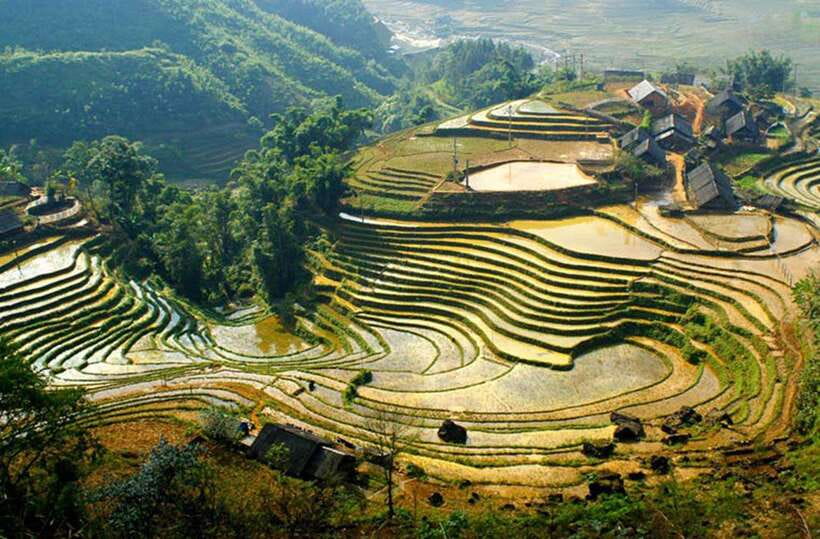
Sapa’s weather can change the character of this experience. Mist and fog may hide Fansipan Peak and reduce the big valley views. Rain can turn the first part into a slippery challenge, while a later clearing may bring back the terraces and mountain walls.
Bring:
- Warm clothing, because Sapa can feel cool in the mountains
- Hiking shoes with a good grip
- Insect repellent
- Water and money for drinks
- Clothes that can get muddy
Rubber boots can be useful after rain, and some people rent them before the walk. Hiking shoes are better for dry conditions and may feel more stable on uneven ground. The guide can help with difficult parts, but footwear remains your responsibility.
This trek is not suitable for children under five, pregnant women, wheelchair users, people with mobility impairments, or people over 75. If you have weak knees or want a casual village stroll, choose a shorter or easier outing instead.
Guide quality and the small-group advantage
The guide is the heart of this experience. Chai receives repeated praise for fluent English, humor, warmth, and detailed explanations of Hmong life. Vu is also noted for sharing local stories, caring for the group, and keeping spirits up in poor weather. Other named guides include Shou, Wu, Rou, Lien, Si, Le, Pai, Rose, and Chan.
Because the guides are local or closely connected to the area, the conversation can move beyond standard facts. You may hear about work, education, family responsibilities, village difficulties, clothing, and the changing lives of mountain communities.
That does not mean every group will have the same guide or identical conversation. The guide name is not guaranteed in advance, so book this for the route and format rather than for one particular person. Still, the repeated strength of the guiding is a major reason I would choose this tour over a generic photo excursion.
The maximum group size of 10 is another practical advantage. A small group can move more safely on narrow or muddy paths, and it is easier for the guide to adjust the pace. It also gives you a better chance to have a real conversation at lunch and in the villages.
Is $27 good value for Sapa?
At $27 per person, this is strong value if you want a full day of walking and local context. The fee includes an English-speaking ethnic minority guide, entrance tickets, and lunch. You are paying for about 390 minutes of activity, not a short viewpoint transfer.
The price does not include drinks, hotel pickup, or personal purchases. Carry cash if you may want handmade goods or extra refreshments. You should also budget for possible boot rental if the trails are wet, though the rental cost reported by one participant was very small.
The value comes from the combination. You get Muong Hoa Valley, three villages, a meal, cultural explanation, and a small group in one day. The trade-off is physical effort. If you do not want to walk 10 to 12 kilometers, the low price will not make the route feel shorter.
Free cancellation up to 24 hours before the start and the option to reserve now and pay later make planning easier. Availability and starting times should still be checked before booking.
Who should book this trek?
I would recommend it to you if you want Sapa scenery with a strong local focus. It suits active adults, older children and teenagers who are comfortable walking, and anyone who prefers a village route to a polished attraction.
It is also a good choice if you have only one day in Sapa. You see several villages and a wide stretch of the valley without spending the day arranging separate transport and guides.
I would be cautious if you are visiting during a rainy spell, have balance or knee problems, or dislike mud. A foggy day can also disappoint you if the main goal is clear mountain photography. The cultural side still works in poor weather, but the views may not.
Should you book the Sapa terrace fields trek?
Book this experience if you want to work a little for your views. The route is scenic, social, and grounded in everyday Hmong and Dzay life. The included lunch and small group add real value, while the local guides bring the details that make the villages more than scenic backdrops.
Skip it if you need an easy walk, hotel pickup, or guaranteed clear views. For everyone else, bring sturdy shoes, accept that mud is part of the deal, and leave room in your afternoon schedule. At $27, this is one of the more useful ways to spend a full day around Sapa.
FAQ
Where does the trek meet?
The guide meets you in front of Sapa Church in the center of Sapa.
What time does the trek begin?
The trek begins at 9:00 AM.
How long does the activity last?
The stated duration is 390 minutes, or about six and a half hours. The scheduled return to Sapa is around 3:30 PM, though some groups have finished closer to 4:00 PM.
How far will I walk?
You should expect about 10 to 12 kilometers of walking and hiking.
Which villages does the route visit?
The route includes Y Linh Ho, Lao Chai Sang, Lao Chai Village, and Ta Van Village. The main village stops are associated with Hmong and Dzay communities.
Is lunch included?
Yes. A local lunch is included. Vegetarian and vegan choices have been available, but you should mention dietary needs when booking or meeting the guide.
Are drinks included?
No. Drinks are not included, so bring water and money for refreshments.
Is hotel transfer included?
No. Hotel transfer service is not included. The meeting point is Sapa Church, and you should confirm the end-of-tour transport details with the provider.
What should I bring?
Bring warm clothing, hiking shoes, and insect repellent. Clothes that can get muddy are also a smart choice, especially after rain.
Who should not take this trek?
The activity is not suitable for children under five, pregnant women, people with mobility impairments, wheelchair users, or people over 75. It may also be unsuitable if you need a very easy walk or have weak knees.
More Hikes in Sa Pa
- Sa Pa: 6-Hours Muong Hoa Valley Trek with Local Ethnic guide
★ 4.5 · 178 reviews - Sa Pa: 2-Day Trekking Trip with Ethnic Minority Homestay
★ 4.7 · 145 reviews - Half Day Sapa Trekking to Visit Lao Chai – Ta Van
★ 4.7 · 126 reviews - Sapa Trekking Bargains With Local Guide
★ 4.9 · 91 reviews
Newly listed around Sa Pa
- 2-Day Fansipan Mountain Trek – Indochina’s Highest Peak★ 4.3 · 42 reviews
- In Sapa: 1 Day Mountain Trek, Visit beautiful villages★ 5.0 · 50 reviews
- From Hanoi: Sapa 3-Day Medium Trek and Limousine Trip★ 4.5 · 59 reviews
- Sapa: Private Highlights Day Tour with Lunch★ 4.8 · 61 reviews
- 1-Day Sapa Long Trek – Rice Field Terrace, Ethnic Culture★ 4.9 · 62 reviews
- Sa Pa: Half-Day Cat Cat Village Hike to Meet H’mong People★ 3.7 · 72 reviews
- From Sapa: Terrace Fields and Local Villages Trek with Lunch★ 4.3 · 77 reviews
- From Sapa: Guided Full-Day Trekking with Lunch and Drop-Off★ 4.2 · 86 reviews
Sapa Trekking Tours, compared.
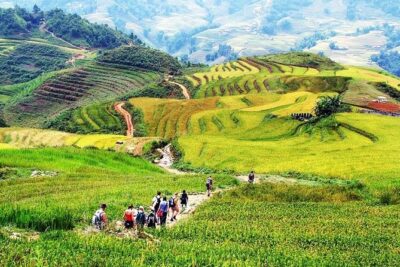
Sapa 2 Days 1 Night From Hanoi – Overnight in Ta Van Village
Read our review →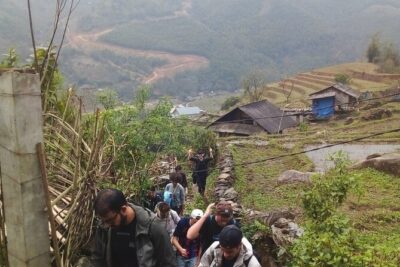
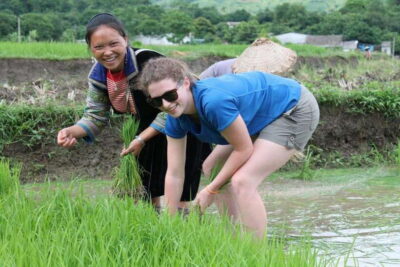
Muong Hoa Valley Trek and Local Ethnic Villages
Read our review →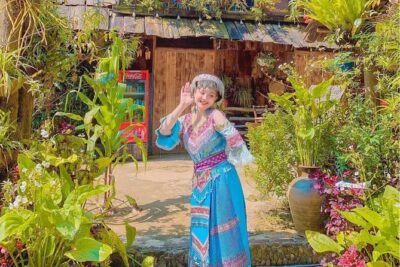
Fansipan Cable, Cat Cat Village & Moana Instagram Tour
Read our review →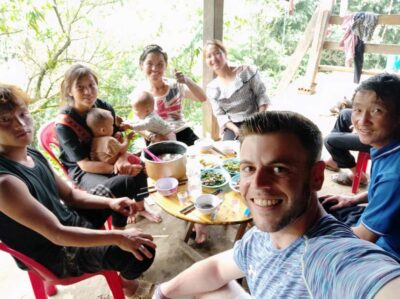
Sapa 3 Days 2 Nights Trekking Tour (1 Night In Ta Van Village, 1 Night In Hotel)
Read our review →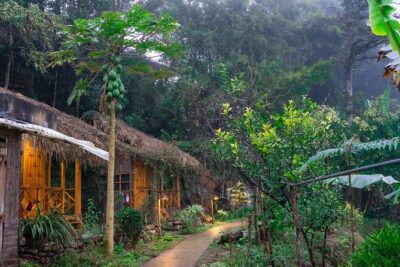
3-Day Trekking Adventure of Sapa from Hanoi – Stay Ta Van Village
Read our review →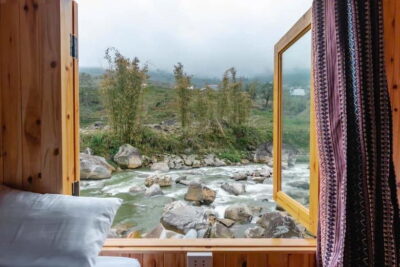
2-Day Sa Pa Ethnic Homestay Tour & Trek with Limousine Bus
Read our review →Browse the lists this tour appears in