
Reviewed · SAPA TREKKING TOURS
Sa Pa: 2-Day Trekking Trip with Ethnic Minority Homestay
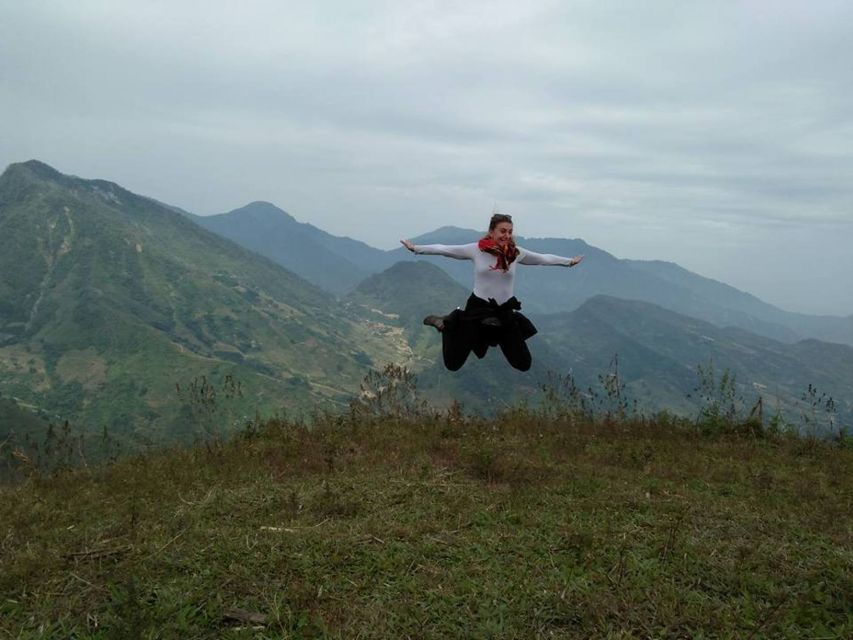
The best part of this Sa Pa trek is the overnight stay in a Dzay family homestay. You do not simply look at the Muong Hoa Valley from a roadside viewpoint. You walk through it, eat in a village home, and wake up among the mountains. I especially like the chance to meet Black H’mong and Dzay communities, and I like that the group is limited to 14 people.
The scenery is excellent, but this is a real trek, not a gentle village stroll. Rain can turn the trail into slick mud, and local women may walk beside you offering help before hoping you will buy handicrafts. The route is manageable for a reasonably fit person, yet you should bring proper shoes and accept a little dirt, sweat, and uncertainty.
Key points to know before booking
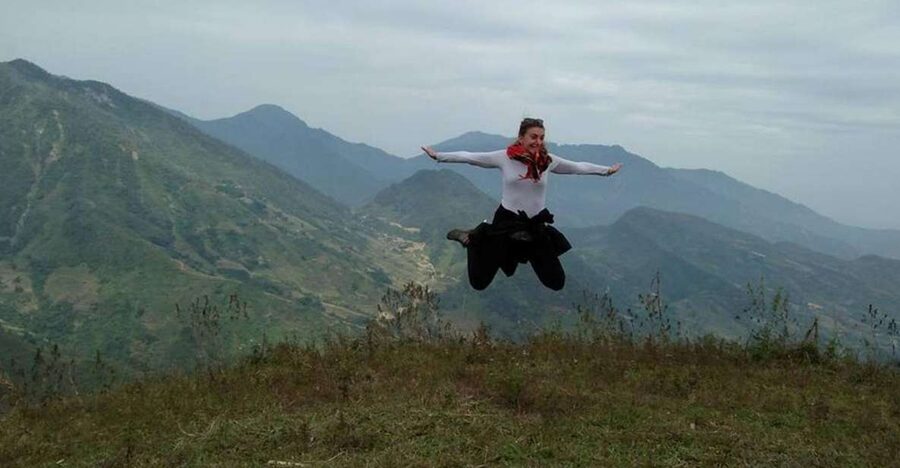
- 11 kilometers on day one: Walk from Sa Pa through Y Linh Ho and Lao Chai before reaching the Dzay village of Ta Van.
- A genuine village overnight: Sleep at a Dzay homestay, with dinner and breakfast served locally.
- Two minority cultures in one trip: Meet Black H’mong communities around Y Linh Ho and Lao Chai, then learn about Dzay life in Ta Van.
- A cooler second day: The 8-kilometer route passes a bamboo forest, waterfall, and the Muong Hoa River.
- Small groups help: The maximum group size is 14, and guides such as Lan, Khu, Nhu, Son, Coo, and Lang have been praised for friendly, patient support.
- Good value at $55: Meals, entrance tickets, mineral water, homestay, guide, and return bus transport are included.
Why this two-day Sa Pa trek works
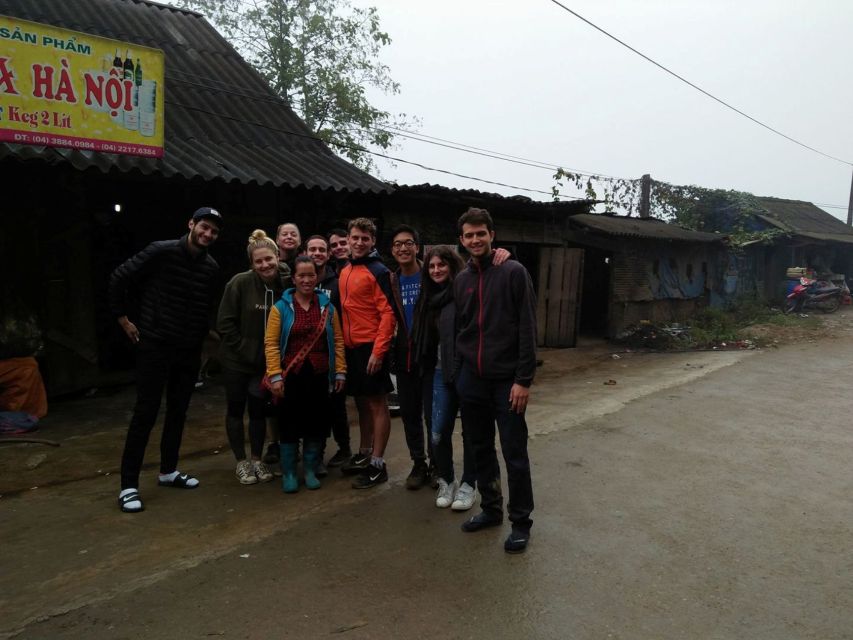
Sa Pa is famous for its rice terraces, but the town itself can feel busy and built around tourism. This trip gets you away from the main streets quickly. The Muong Hoa Valley opens below you, with steep hills, narrow paths, scattered homes, and terraces cut into the slopes.
I like the pace of this tour. Two days gives you enough time to leave town behind without committing to a long expedition. The first day covers 11 kilometers, and the second covers 8 kilometers. Those distances sound modest on paper, but uneven dirt trails and steep sections make the walking more demanding than a city map suggests.
Your English-speaking guide is an important part of the experience. Guides named Lan, Khu, Nhu, Son, Coo, and Lang have led departures, and the strongest guiding style combines trail help with explanations of local customs. You can expect the guide to answer questions, check how you are managing, and adjust the pace or route when needed.
The group limit of 14 is useful here. Narrow paths are easier with fewer people, and a small group gives you more room to speak with the guide and get to know the people sharing the walk. Some departures have been much smaller, with only five people.
More Hiking Tours in Sapa
- Sa Pa: Muong Hoa Valley Trek and Local Ethnic Villages
★ 4.6 · 864 reviews - Sapa: Eco Adventure Terrace Fields and Local Villages Trek
★ 4.9 · 636 reviews - From Sapa: 1-Day Guided Trek to Lao Chai & Ta Van with Lunch
★ 4.9 · 416 reviews
Day one: Y Linh Ho and the long walk to Ta Van
Pickup is available from hotels in Sa Pa’s town center. From there, you begin the descent and head toward Y Linh Ho, a village associated with the Black H’mong people.
The early part of the route gives you broad views toward Fansipan, Vietnam’s highest mountain, along with the rice terraces of the Muong Hoa Valley. Clear weather makes these views especially impressive. In mist or rain, the valley takes on a moodier look, but visibility may be limited.
At Y Linh Ho, the walk becomes more than a scenic outing. You have a chance to see a typical wooden house and learn how local homes are arranged. Your guide can explain the customs and daily life of the Black H’mong community, giving meaning to the houses, clothing, fields, and village paths you pass.
The trail continues toward Lao Chai. This section crosses or follows rough ground, with terraces and mountain slopes providing the main visual reward. You will want to stop for photographs, but remember that the route still has a long way to go. Comfortable trekking shoes matter more than fashionable footwear here.
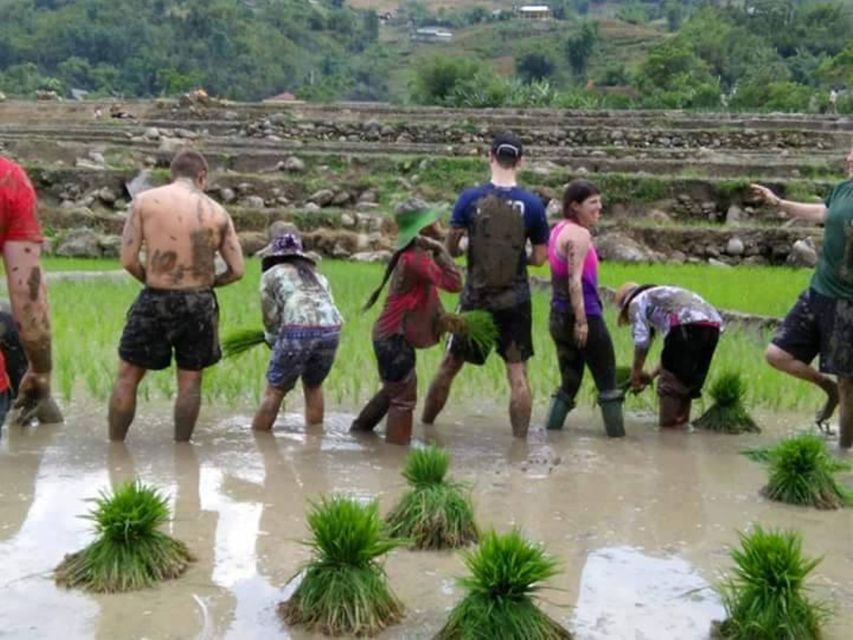
The first day can be muddy after rain. One useful feature of the Sa Pa trekking scene is that local women sometimes walk with you over slippery sections and offer a steady hand. This can be helpful, especially on a wet descent, but the arrangement is not purely charitable. They usually hope you will purchase something from them afterward.
I suggest deciding in advance how you will handle this. You can accept help if you need it, say no politely to purchases, and avoid treating the encounter as part of a free service. Respectful behavior matters in villages where tourism is now part of daily life.
After passing through settlements such as Lao Chai, you continue to Ta Van. This is the main walking day, and most of the route’s physical effort comes before you reach the homestay. Lunch is included at a local restaurant, and dinner is served at the village homestay.
The Ta Van Dzay homestay
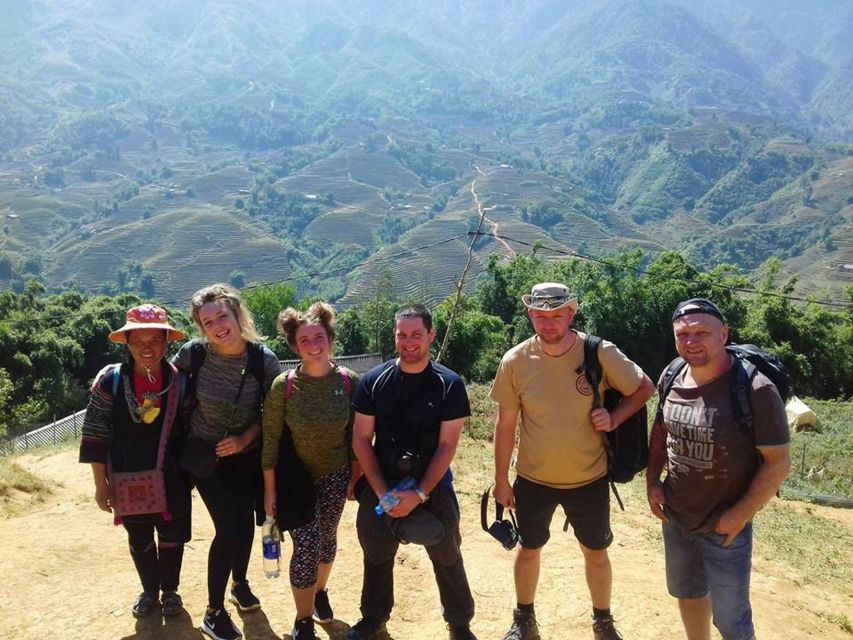
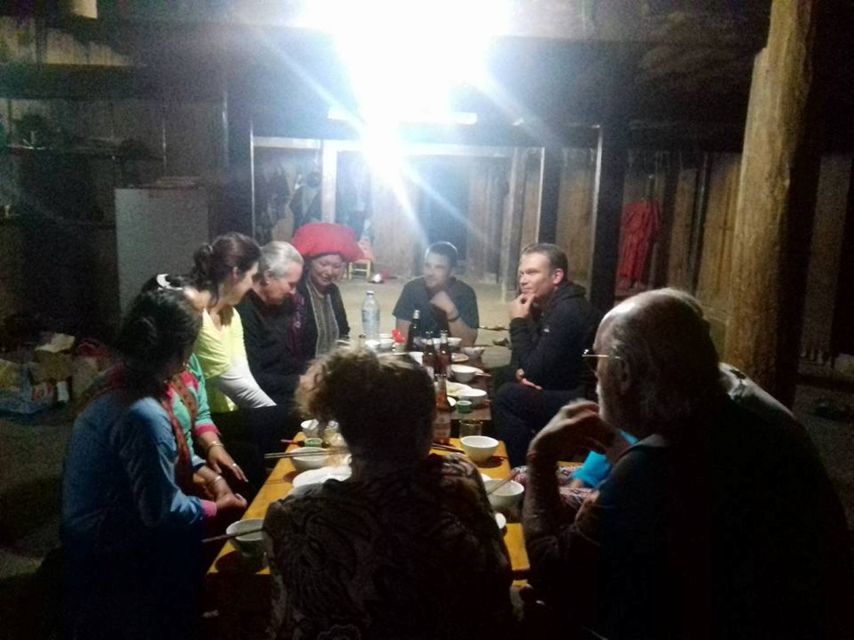
The overnight stay is the heart of the trip. In Ta Van, you sleep at a homestay operated by a Dzay family. This is not a luxury hotel with a village theme. It is a simple local home adapted to host paying visitors.
That distinction is important. You come for contact with village life, shared food, and a different setting, not for resort-style facilities. Previous departures have found the homestay comfortable, clean, and warm, with blankets available. One homestay even had internet and electrical outlets, though you should not assume every practical detail will be identical at every departure.
The included dinner is a family-style meal prepared in the home. The food has been a major strength of the experience, with both dinner and the two local restaurant lunches receiving high praise. You may also be offered locally made happy water, the informal name often used for homemade rice alcohol. If you do not drink alcohol, simply decline.
The evening is quiet. There may not be much to do after dinner, but that is not necessarily a flaw. After 11 kilometers on mountain trails, you may be happy to eat, talk, and rest. The homestay lets you notice the difference between staying in a resort town and spending the night in a village where the mountains are part of the immediate surroundings.
Keep your expectations sensible. Facilities are simple, and one departure reported bedbugs in some beds. That appears to be an isolated problem rather than the defining feature of the accommodation, but it is a fair reason to pack basic sleepwear and keep your belongings organized. If you need polished hotel service, choose a Sa Pa hotel instead. If you want a local overnight and can tolerate basic conditions, this is the right kind of compromise.
Day two: Bamboo forest, waterfall, and the Muong Hoa River
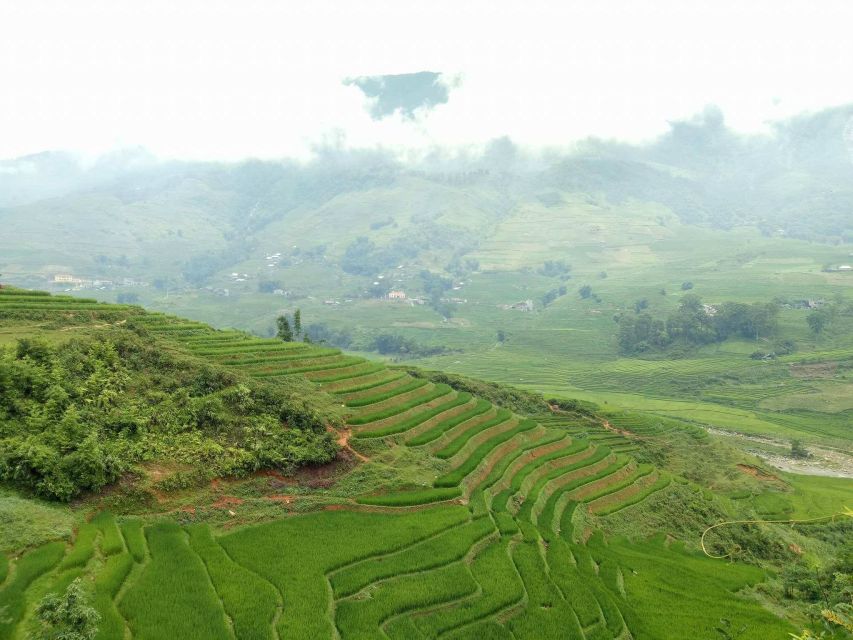
Breakfast comes at the homestay before you set out for the second day. The route covers about 8 kilometers along a dirt trail, so it is shorter than day one, though the surface can still be uneven.
You pass a small H’mong village before reaching a bamboo forest. This section changes the feel of the walk. Instead of looking across wide rice terraces, you move through a more enclosed wooded setting. The route continues toward Giang Ta Chai, another village area connected with the H’mong people.
A waterfall provides a natural break. Depending on conditions, you may have the chance to cool off with a swim in the Muong Hoa River. Treat this as weather-dependent rather than guaranteed. Rain, water levels, and the pace of the group can affect how long you stop.
Lunch follows at a local restaurant. The tour includes two lunches in local restaurants, one on each day, along with the homestay dinner and breakfast. That makes the food arrangement refreshingly simple: you do not need to spend the walking hours searching for meals or guessing where to eat.
After lunch, you return to Sa Pa by bus. One practical warning is worth keeping in mind if you have a tight onward connection. A return transfer has taken longer than expected when the vehicle waited for another group, with one person nearly missing a bus to Hanoi. Do not schedule your onward departure too closely after the tour’s expected return.
A few other Sa Pa trips to compare
- Sapa 1 Day Long Trek: Trek to Hau Thao and Sa Seng Villages
★ 4.6 · 344 reviews - Sapa: Fansipan Cable, Cat Cat Village, Moana Instagram Tour
★ 4.8 · 294 reviews - From Sapa: 3-Day Ha Giang Loop with Safe Rider (max 8 pax)
★ 4.9 · 285 reviews - Explore Sapa by TrekkingAdventures, Mountain,Rice fields
★ 4.9 · 229 reviews
The scenery and the people you meet
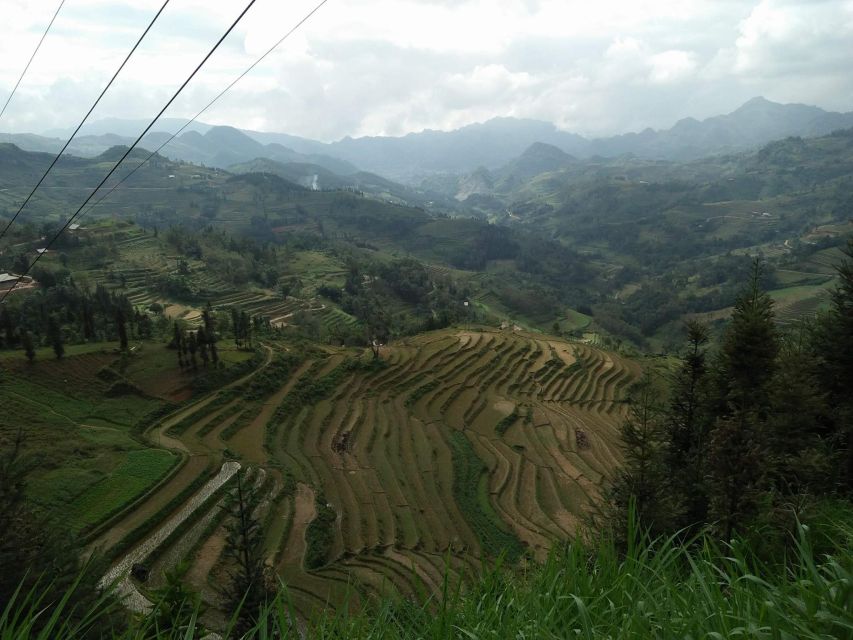
The Muong Hoa Valley is the main visual reason to book. You get mountain views, rice terraces, village paths, and changing angles on Fansipan. The scenery is strongest when the weather is clear, but Sa Pa’s mountain climate can shift quickly.
From October through March, bring warm clothing. Mist and damp conditions can make the air feel cold, even when the walking keeps you warm. Sunglasses, sunscreen, and insect repellent are also recommended. A waterproof layer would be a sensible addition for any mountain walk, though it is not specifically listed among the required items.
The cultural side gives the walk its lasting value. You encounter Black H’mong and Dzay communities rather than seeing only terraces from a distance. A good guide will explain differences in customs and help you understand that these are living villages, not open-air museum sets.
Please ask before photographing people or entering a home. Follow your guide’s advice, keep your voice down near houses, and dress practically rather than treating the villages as a photo backdrop. The tour asks you to respect local culture, and that should guide your behavior throughout the two days.
The presence of local sellers is part of the complicated side of village tourism. Some women may offer support on the trail, then encourage you to buy embroidered goods. You can appreciate the help without feeling forced into a purchase. A calm, polite refusal is better than ignoring or arguing with someone who has spent time helping you over difficult ground.
How difficult is the route?
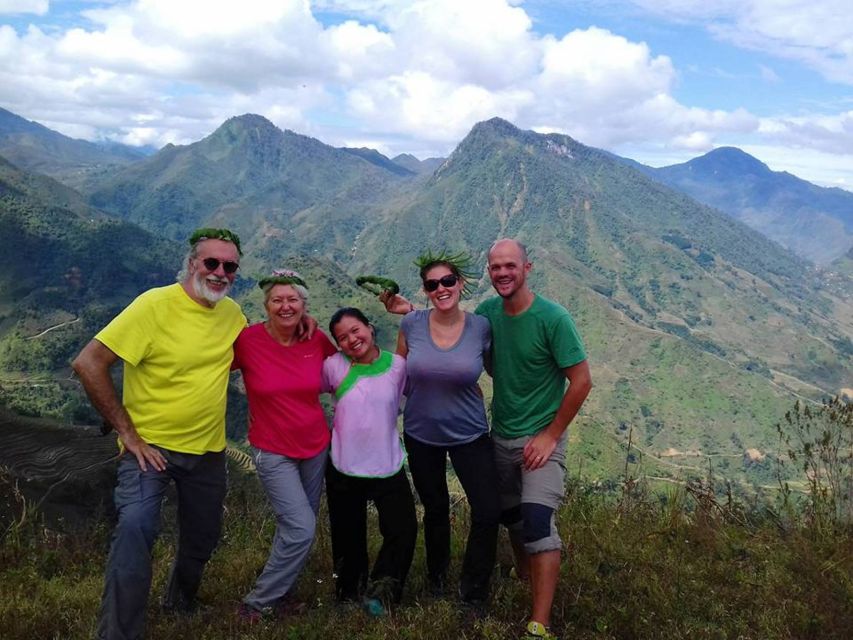
The trek is not described as extreme, and it suits a healthy person with ordinary walking fitness. Still, the word trek is accurate. You will spend two days on dirt trails, with slippery stretches after rain and terrain that can test your balance.
The biggest challenge is not the distance alone. On day one, 11 kilometers through the valley can feel long because of mud, descents, and uneven surfaces. On day two, the 8-kilometer walk is shorter, but the trail still requires attention.
Wear shoes with a firm grip. Do not bring brand-new footwear that has not been tested. Keep your hands free where possible, since you may want them for balance. Warm clothing is especially important between October and March, while sunscreen and insect repellent help in warmer conditions.
This activity is not suitable for pregnant women, people with back problems, people with mobility impairments, or disabled people. Children under six are not permitted. If you are unsure about your fitness, ask the provider before booking rather than relying only on the mileage.
Rain can make the trek more exciting, but it also makes it less comfortable and potentially more slippery. A guide may encourage you to continue because the valley can look beautiful in wet weather, but you should still judge your own footing. There is no prize for finishing soaked and miserable.
Guide quality and group experience
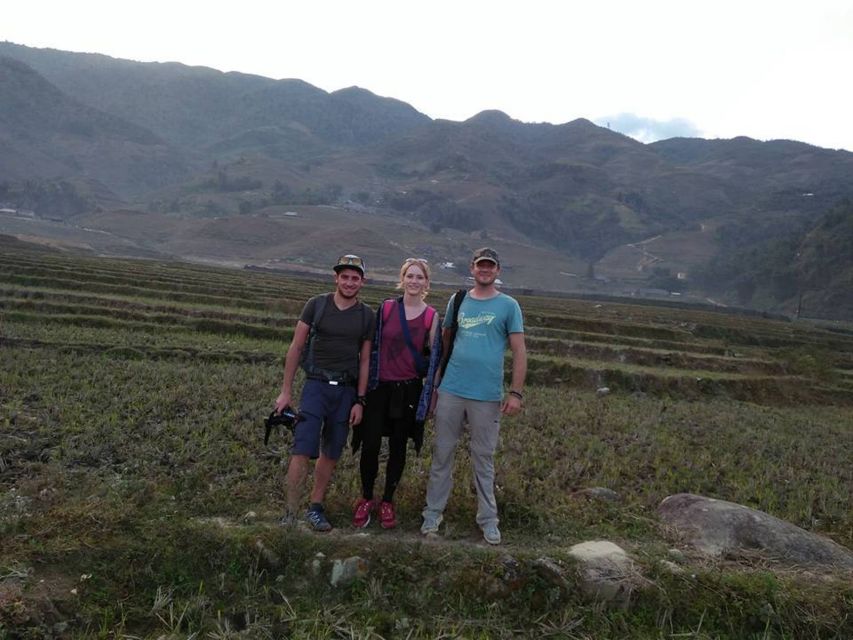
The guide can make the difference between a scenic walk and a useful cultural experience. The best guides on this route speak clear English, explain the different ethnic groups, and remain alert to the needs of the group.
Lan has been praised for her humor, patience, and explanations of H’mong culture. Khu has been described as friendly and helpful, with a strong ability to answer questions. Nhu, Son, Coo, and Lang have also led well-received departures. Since guide assignments can change, treat these names as examples rather than a promise that one particular person will lead your trip.
Small-group travel helps the social side. You may share the walk with a few other people, eat together at the homestay, and compare reactions to the trail and food. One group of five found it easy to get to know one another, while the maximum of 14 still keeps the outing from becoming a large procession.
There can be occasional unevenness. One guide was considered informative but seemed distracted by a mobile phone at times. That is not a reason to reject the tour, but it is a reminder that service quality can vary from one departure to another.
What the $55 price includes
At $55 per person, this is strong value for a two-day mountain experience. The price includes:
- An English-speaking guide
- Entrance tickets for the indicated sites
- Two lunches at local restaurants
- One dinner at the village homestay
- One homestay breakfast
- Overnight accommodation in a Dzay village
- Mineral water
- Return bus transfer to Sa Pa
You still pay for drinks, and there is a $30-per-person Lunar New Year surcharge from January 26 through February 2, 2025, payable at the meeting point. That seasonal fee is substantial compared with the base cost, so check the dates before you commit.
The value is not only in the number of inclusions. Transport, meals, accommodation, and a guide are bundled into a short trip that would be awkward to arrange on your own. You also avoid spending time working out which villages to visit or how to get back to Sa Pa after the overnight stay.
The price does not buy comfort at every step. The homestay is basic, the trail may be muddy, and the return transfer can run late. I would call it a good-value cultural trek, not a polished premium tour.
Booking flexibility and useful packing advice
You can cancel up to 24 hours before departure for a full refund, and the reserve-now, pay-later option gives you some flexibility while finalizing your plans. Pickup is available from hotels in Sa Pa’s town center, but confirm the exact starting time when you check availability.
Pack light. You need comfortable trekking shoes, warm clothes, sunglasses, sunscreen, insect repellent, and enough personal clothing for one night. A small waterproof bag or cover would be sensible for electronics and spare clothes in wet weather.
Bring some patience as well. Mountain routes do not always run by the minute, and the return vehicle may wait for other people. If you have a train, bus, or flight immediately afterward, leave a generous buffer.
Should you book this Sa Pa homestay trek?
I would book this trip if you want village contact and mountain walking rather than a quick photo stop. It suits reasonably fit adults, couples, solo visitors, and small groups who enjoy local meals, simple accommodation, and a guide-led route.
I would skip it if you need smooth paths, private hotel facilities, strict timing, or fully predictable weather. You should also avoid it if you have mobility limitations, back problems, or are pregnant.
For $55, the combination is hard to beat: two days in the Muong Hoa Valley, two minority cultures, four included meals, a Dzay homestay, and return transport. Bring shoes that can get muddy, keep your schedule loose on the final afternoon, and approach the villages with respect. Do that, and this is one of the better ways to experience Sa Pa beyond the town center.
FAQ
How long is the Sa Pa trekking trip?
The trip lasts two days. Day one covers about 11 kilometers from Sa Pa through Y Linh Ho and Lao Chai to Ta Van. Day two covers about 8 kilometers from Ta Van through the bamboo forest and Giang Ta Chai before returning to Sa Pa.
Where does the trek start?
Pickup is available from hotels in Sa Pa’s town center. Starting times depend on availability, so check the schedule when booking.
Where do you stay overnight?
You stay at a homestay in a Dzay ethnic minority village in Ta Van.
Which meals are included?
The tour includes two lunches at local restaurants, one hosted dinner at the village homestay, and breakfast at the homestay.
Is transportation back to Sa Pa included?
Yes. Return transfer by bus is included after the second day’s trek.
Is the trek difficult?
The route is suitable for a healthy person, but it is a genuine trek on dirt trails. Rain can make the path muddy and slippery, so trekking shoes are recommended.
What should I bring?
Bring comfortable trekking shoes, warm clothing, sunglasses, sunscreen, and insect repellent. Warm clothes are especially recommended from October through March.
Who should not take this tour?
The trek is not suitable for children under six, pregnant women, people with back problems, people with mobility impairments, or disabled people.
More Hikes in Sa Pa
- Sa Pa: 6-Hours Muong Hoa Valley Trek with Local Ethnic guide
★ 4.5 · 178 reviews - Half Day Sapa Trekking to Visit Lao Chai – Ta Van
★ 4.7 · 126 reviews - Sapa Trekking Bargains With Local Guide
★ 4.9 · 91 reviews - From Sapa: Waterfalls, Trekking and Tribal Villages Tour
★ 4.6 · 91 reviews
More 2-Day Experiences in Sa Pa
- EXPLORE SAPA: 2D1N TREKKING & HMONG CULTURE WITH DINH
★ 4.9 · 191 reviews - From Hanoi: 2-Day 2-Night Sapa Tour by Overnight Train
★ 4.4 · 96 reviews - 2-Day Fansipan Mountain Trek – Indochina’s Highest Peak
★ 4.3 · 42 reviews - Amanda Cruise – Ha Long, Lan Ha Bay – All Inclusive 2D1N & 3D2N
★ 5.0 · 4,358 reviews
Newly listed around Sa Pa
- 2-Day Fansipan Mountain Trek – Indochina’s Highest Peak★ 4.3 · 42 reviews
- In Sapa: 1 Day Mountain Trek, Visit beautiful villages★ 5.0 · 50 reviews
- From Hanoi: Sapa 3-Day Medium Trek and Limousine Trip★ 4.5 · 59 reviews
- Sapa: Private Highlights Day Tour with Lunch★ 4.8 · 61 reviews
- 1-Day Sapa Long Trek – Rice Field Terrace, Ethnic Culture★ 4.9 · 62 reviews
- Sa Pa: Half-Day Cat Cat Village Hike to Meet H’mong People★ 3.7 · 72 reviews
- From Sapa: Terrace Fields and Local Villages Trek with Lunch★ 4.3 · 77 reviews
- From Sapa: Guided Full-Day Trekking with Lunch and Drop-Off★ 4.2 · 86 reviews
Sapa Trekking Tours, compared.

Sapa 2 Days 1 Night From Hanoi – Overnight in Ta Van Village
Read our review →

Muong Hoa Valley Trek and Local Ethnic Villages
Read our review →
Fansipan Cable, Cat Cat Village & Moana Instagram Tour
Read our review →

Sapa 3 Days 2 Nights Trekking Tour (1 Night In Ta Van Village, 1 Night In Hotel)
Read our review →
Eco Adventure Terrace Fields and Local Villages Trek
Read our review →
3-Day Trekking Adventure of Sapa from Hanoi – Stay Ta Van Village
Read our review →Browse the lists this tour appears in