
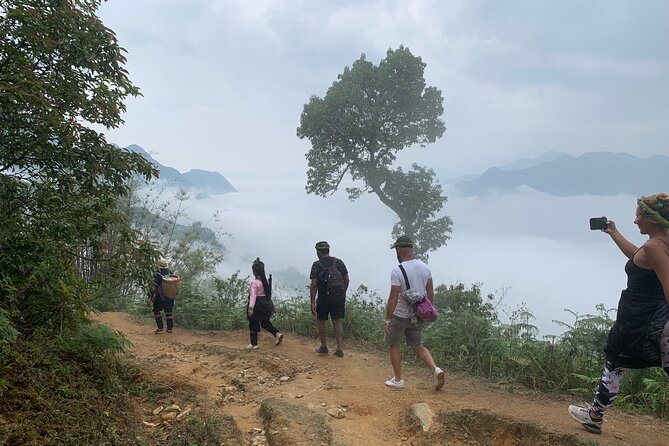
Reviewed · SAPA TREKKING TOURS
Sapa The Hidden Trail Trek 1 Day – Mountain & Rice Valley
Sapa’s best views often come after the hardest climb, and this trek takes you from town to Dragon Jaw Mountain at about 1,970 meters, then down through rice terraces, bamboo paths, and mountain villages. You get more than a viewpoint: the route connects Sapa with the Black H’Mong and Red Dao communities around the Muong Hoa Valley.
I like the mix of big mountain views and small village details. Guides such as Nhu, Zo, Chu, Phenh, and Jacob have helped visitors understand local customs, plants, clothing, and family life. I also like that the pace can be adjusted, which matters on steep ground. The catch is simple: this is a real hike, not a gentle village stroll, and rain can turn the trail muddy and slippery.
Key points to know before you book
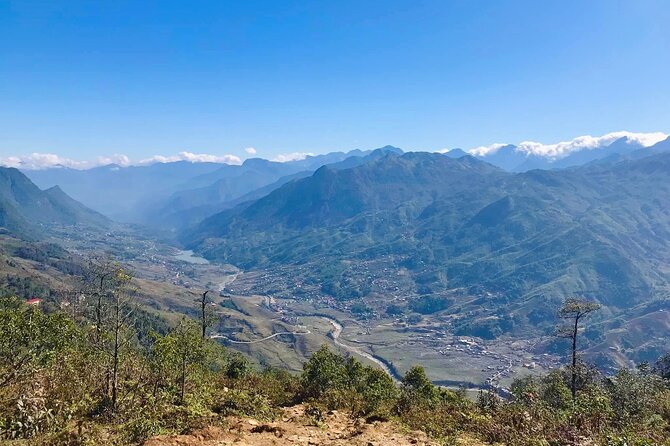
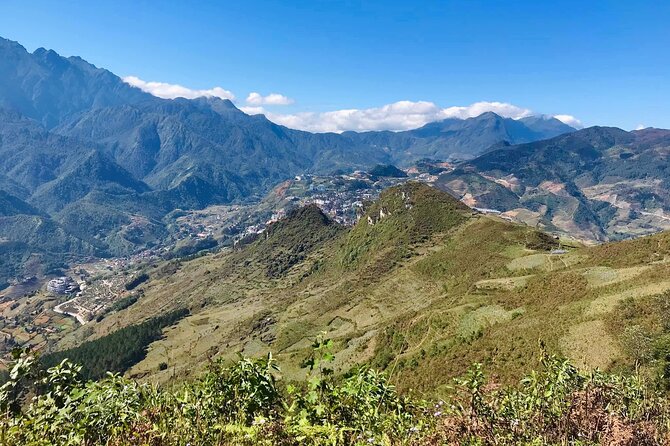
- Dragon Jaw Mountain gives you the headline view: From high ground, you can look across Sapa town, scattered villages, and the Muong Hoa Valley.
- The route combines climbing and descending: Expect steep slopes, uneven paths, bamboo forest trails, and roughly five to six hours on the move. Some people have covered closer to six or seven hours and about nine miles.
- You meet two important ethnic communities: Hang Da is associated with the Black H’Mong, while Giang Ta Chai includes Black H’Mong and Red Dao people.
- The guide can make or break the day: Nhu is often praised for patience and care, while Zo, Chu, Phenh, Jacob, TJ, and others have provided cultural explanation and flexible pacing.
- Lunch and transport are included: You receive bottled water, village entry fees, lunch, a local guide, and transportation back to Sapa.
- Weather changes the experience: Clear skies can reveal the valley and mountain views. Rain brings cloud, green vegetation, mud, and slippery footing instead.
Why this Sapa trek is different from a quick valley walk
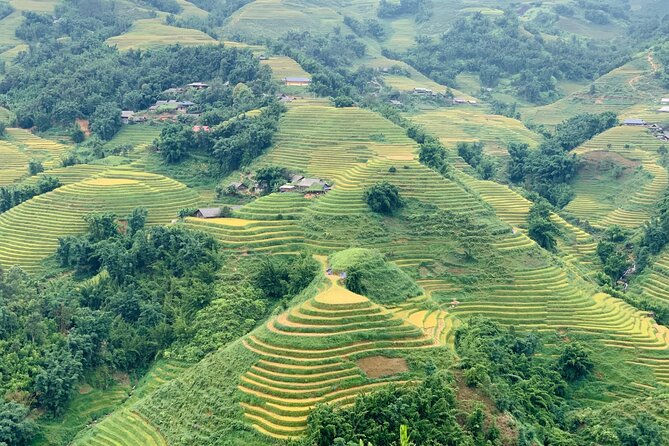
Many Sapa walks focus mainly on the rice terraces below town. This route adds a serious climb first, giving you a high view of the town and valley before you descend through villages and farm paths. That makes the day feel like a proper mountain crossing rather than a short photo stop.
The route begins in central Sapa at 9:00 a.m. Your guide collects you at your hotel or meets you at Sapa Church, then explains the plan. Because this is a private activity, only your group takes part, so the day can move at the pace of the slowest person in your party.
That flexibility is useful, but do not mistake it for an easy outing. One account describes around 20,000 steps, or about nine miles, with nearly half uphill. Another describes six to seven hours of near-continuous hiking. The advertised duration is about five to six hours, so allow extra time if your group walks slowly, stops for photographs, or faces wet ground.
At $35 per person, the price is strong for a private mountain outing that includes a guide, lunch, entry fees, water, and a ride back to town. The value is best if you want a full day outside and would otherwise need to arrange separate transport and a local guide. It is less attractive if you are looking for a short, relaxed introduction to Sapa or a polished sightseeing circuit.
More Hiking Tours in Sapa
- Sa Pa: Muong Hoa Valley Trek and Local Ethnic Villages
★ 4.6 · 864 reviews - Sapa: Eco Adventure Terrace Fields and Local Villages Trek
★ 4.9 · 636 reviews - Number one top rated ethical cultural trekking and homestay by ETHOS
★ 5.0 · 456 reviews
Starting from Sapa toward Dragon Jaw Mountain
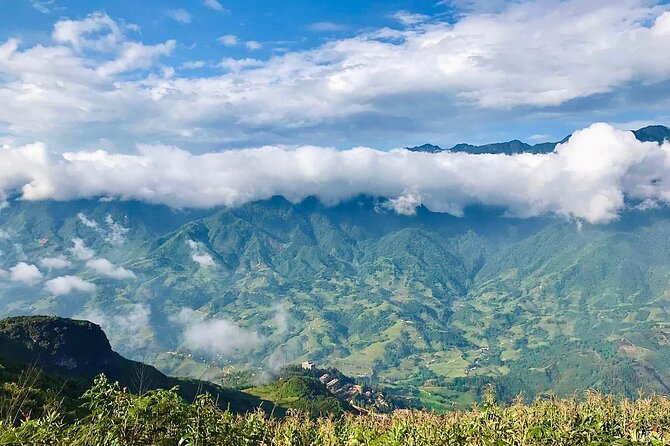
The first part begins in Sapa town and heads toward Ham Rong Mountain, with the wider route described around Dragon Jaw Mountain. This is where the day earns its hiking label. You climb out of town rather than immediately driving to a viewpoint, so your legs start working early.
The reward is the view. From the mountain, you can see Sapa from above, along with villages scattered across the Muong Hoa Valley. On a clear day, this is the most dramatic part of the outing. The rice terraces appear in layers below, and the high position gives you a useful sense of how the communities fit into the valleys and slopes.
This section takes about three hours in the stated plan, including the climb and the mountain stop. Expect uneven surfaces and steep inclines. Several people found the ascent challenging but manageable with basic stamina, while stronger hikers described it as good exercise. The practical lesson is to start slowly. A guide such as Nhu or TJ may help you over difficult sections, but you still need to supply the effort.
Cloud can change the scene quickly. In rainy weather, the valley and mountain view may disappear entirely after the summit. You will still see green hills and cloud-covered paths, but you should not book this day solely for a guaranteed panorama.
Hang Da Village and the Black H’Mong connection
After the mountain section, the route reaches Hang Da Village, a Black H’Mong community known for large rocks, high views, and its position above Sapa. The scheduled visit lasts about an hour, giving you time to look across the surrounding slopes and see village life at a slower pace than in town.
This stop adds human detail to the scenery. Your guide can explain aspects of Black H’Mong life, local customs, and the way homes, farms, and paths fit into the mountain setting. Guides from the area, including H’Mong guides such as Nhu, have helped make these conversations personal rather than purely historical.
The setting is also good for photographs, but remember that this is a lived-in village, not a stage set. Use the guide’s advice before photographing people or homes. The experience is more worthwhile when you pay attention to ordinary details, such as clothing, crops, animals, and the shape of the terraces, rather than rushing from one viewpoint to the next.
Some of the route around here may feel exposed or rough underfoot. If you are new to hiking, this is where footwear matters. Sandals or smooth city shoes will make the descent harder, especially after rain.
Lunch near Hau Chu Ngai and the change in terrain
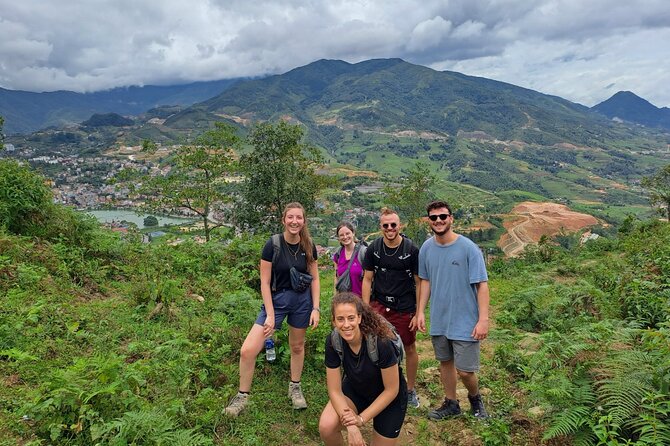
After Hang Da, the route continues toward Hau Chu Ngai and the valley trails. Lunch is included, usually during the village section, but the exact setting deserves a realistic note. The description presents a local meal, and several people enjoyed traditional food and rice from the Sapa terraces. One person expected to eat in a local home but instead stopped at a small restaurant and found the food bland.
So, think of lunch as a useful and welcome meal rather than a guaranteed home-hosted feast. The food may be a highlight, but it is not the main reason to book this trek. The real value lies in having a break during a long walk and eating in the rural area you have just reached.
After lunch, the route becomes a different kind of walk. You follow attractive village roads and short bamboo forest trails toward Giang Ta Chai. The path drops toward the valley, so your knees may notice the change even if downhill walking feels easier than climbing.
Wet weather can make this part especially slippery. One slow-paced group reached the village around 2:00 p.m. after rain had softened the ground. That timing gives you a useful idea of how the day can stretch when the trail is slick or your group needs frequent pauses.
A few other Sapa trips to compare
- Sapa: Fansipan Cable, Cat Cat Village & Moana Instagram Tour
★ 5.0 · 777 reviews - Cat Cat Village, Moana, Fansipan Cable Car, Alpine Coaster – Sapa
★ 5.0 · 420 reviews - From Sapa: 1-Day Guided Trek to Lao Chai & Ta Van with Lunch
★ 4.9 · 416 reviews - Sa Pa Full Day Trekking Tour
★ 5.0 · 414 reviews
Bamboo forest paths and the approach to Giang Ta Chai
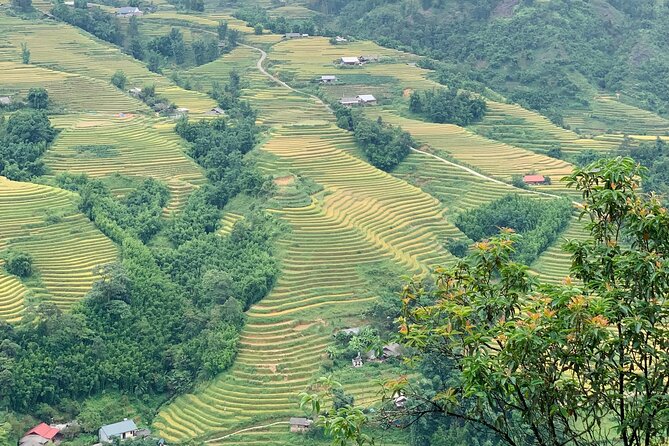
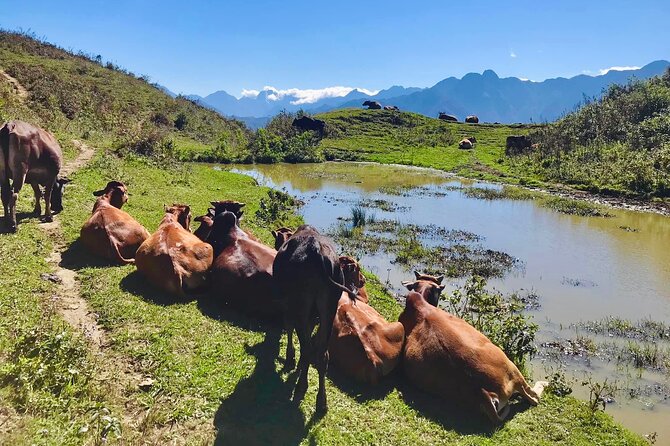
The short bamboo forest trails are one of the route’s more memorable details. They offer a break from open mountain views and rice terraces, with a narrower path through the trees. You may also pass farm animals and working countryside along the way, giving the trek a more everyday feel.
This section is not just filler between two villages. It shows how quickly Sapa’s scenery changes: town streets give way to mountain slopes, then fields, forest, and footpaths linking communities. I like this progression because it helps you understand the region with your feet, not just from a vehicle window.
The descent can be harder than expected. Steep downhill ground requires care, especially if you are tired after the summit climb. One experienced couple specifically suggested walking poles for people over 40, particularly on the steeper sections near the end. That is sensible advice for anyone who values stable footing, not only older hikers.
Your guide’s patience matters here. Nhu has adjusted routes for less experienced hikers, allowing a struggling member of the group to take an easier option. That does not mean every section can be avoided, but the private format gives the guide more room to respond than a large fixed group would have.
Giang Ta Chai Village, clothing, and local customs
Giang Ta Chai is a small community associated with Black H’Mong and Red Dao people. The visit includes a small museum where the local guide explains traditional clothing, customs, and aspects of local culture. It is a short stop, around 30 minutes, but it gives context to what you have seen on the trail.
The Red Dao are known in the region for distinctive traditional clothing, and seeing garments explained locally is more useful than simply photographing them. Ask questions about the materials, who wears particular items, and when they are used. Guides such as Chu have been especially good at explaining the area and H’Mong life in clear, accessible English.
Do not expect a large museum or a long formal presentation. This is a compact cultural stop after a day outdoors. Its strength is the connection between the people, the clothing, the villages, and the mountain environment. The visit gives the scenery a human frame before you return to Sapa.
Transportation back to town is included. That matters because finishing in the valley after several hours of walking would make the day much longer and less convenient. The activity ends back at the meeting point in Sapa.
Guides, pace, and what the reviews reveal
The strongest part of this experience is the guide service. Nhu is repeatedly described as patient, caring, and willing to slow down for a beginner. Zo has explained local culture, different ethnic groups, plants, and the route in strong English. Phenh has adjusted the experience to suit a group, while Chu has provided useful information about the area and H’Mong people.
Other guides named in the feedback include Jacob, TJ, Keyni, Fin, and Paine. The spelling of some names may vary, but the pattern is clear: personal attention and pace control are central to the experience.
You should still communicate your ability honestly at the start. If one person in your group is much slower, say so before leaving town. The guide may adapt the route or reduce the speed, but the trip remains a mountain trek with real climbs and descents.
The tour has a five out of five rating from 134 reviews and a 100 percent recommendation figure. Those numbers point to strong satisfaction, especially with the views, guides, and cultural contact. The four-star experiences are just as useful: they underline the steep terrain, muddy trails, rain problems, and occasional disappointment with lunch.
Weather, clothing, and fitness advice
Plan for a moderate level of physical fitness at minimum. You do not need to be an athlete, and one group included people aged 15 to 51, but you should be comfortable walking uphill, downhill, and across uneven ground for several hours.
Wear shoes with a strong grip. Mud is part of the experience in wet conditions, and polished footwear will not help you on slippery slopes. Walking poles are worth considering if you have sensitive knees, dislike steep descents, or want extra balance.
The most favorable times mentioned for views are March to April and September to October. June can bring persistent rain, cloud, and slippery ground. Weather is never fully predictable in the mountains, but the season matters when your main goal is seeing the valley from Dragon Jaw Mountain.
Bring enough practical clothing for changing conditions. The tour includes bottled water, but you should still arrive ready for a long period outdoors. A waterproof layer would be sensible during the rainy season, though the supplied details do not specify equipment provided by the operator.
Who should book this trek
I would choose this for you if you want a physically active day that combines a high viewpoint, rice terraces, bamboo forest, and two ethnic villages. It is particularly suitable for a private group with mixed interests, since one person can focus on photography while another asks about local life and farming.
It also works well as an introduction to Sapa. One person who had three days in the area suggested doing this on the first day, before deciding between other major attractions. The route gives you a broad sense of the town, valleys, villages, and local communities in one outing.
I would hesitate if you have limited mobility, dislike mud, or want a predictable schedule. The route can take longer than the stated five to six hours, and rain may remove the views that make the climb worthwhile. Fansipan, a shorter valley walk, or a less demanding outing may suit you better, though this tour offers a more varied connection with the countryside.
Booking details and overall value
The tour costs $35 per person, with group discounts available. Pickup is offered from your hotel, or you can meet the guide at Sapa Church at 9:00 a.m. Confirmation arrives when you book, and the ticket is mobile, which keeps the morning simple.
The fee includes lunch, water, village entry fees, a local guide, and transportation back to town. Tips, personal expenses, and insurance are not included. Free cancellation is available until 24 hours before the start time, but changes or cancellations inside that window are not refunded.
The private format is the main value point. You are not simply paying for transport to a viewpoint. You are paying for route guidance, cultural explanation, local access, and the ability to adjust the pace. At this price, that is a fair deal for a demanding day in the Sapa mountains.
Should you book Sapa The Hidden Trail Trek?
Book it if you want serious scenery with genuine village contact, and if five to seven hours of walking sounds like a good use of your Sapa day. The Dragon Jaw climb, Muong Hoa Valley views, bamboo paths, and Giang Ta Chai culture stop give the experience a strong range.
Skip it if you need easy ground, guaranteed clear skies, or a carefully timed meal in a family home. The route is muddy in rain, steep in places, and more strenuous than the low price might suggest. For a reasonably fit visitor who packs proper shoes and accepts mountain weather, this is a very good-value way to see Sapa beyond the town center.
FAQ
Where does the Sapa Hidden Trail Trek start?
The tour starts in Sa Pa, Lao Cai, Vietnam. Your guide collects you from your hotel or meets you at Sapa Church.
What time does the trek begin?
The stated start time is 9:00 a.m.
How long does the experience take?
The planned duration is about five to six hours. Some people have taken six to seven hours, especially with rain, slippery ground, a slower pace, or frequent breaks.
What places does the route visit?
The route includes Ham Rong Mountain and the Dragon Jaw Mountain area, Hang Da Village, Hau Chu Ngai, bamboo forest trails, Muong Hoa Valley scenery, and Giang Ta Chai Village.
Is lunch included?
Yes. Lunch is included, along with bottled water, village entry fees, a local guide, and transportation back to Sapa.
How difficult is the trek?
You should have a moderate level of physical fitness. The route includes steep climbs, uneven surfaces, muddy sections in wet weather, and downhill trails. Walking poles may help on the steeper parts.
Can I cancel the booking for a full refund?
Yes, if you cancel at least 24 hours before the experience start time. Cancellations or changes made less than 24 hours before the start are not refunded.
More Hikes in Sapa
- EXPLORE SAPA: 2D1N TREKKING & HMONG CULTURE WITH DINH
★ 4.9 · 191 reviews - 1 day Fansipan Trekking
★ 5.0 · 180 reviews - Sa Pa: 6-Hours Muong Hoa Valley Trek with Local Ethnic guide
★ 4.5 · 178 reviews - Trekking Through Rice Terraced Fields – 1Day
★ 5.0 · 173 reviews
More 1-Day Tours in Sapa
- Sapa 1 Day Long Trek: Trek to Hau Thao and Sa Seng Villages
★ 4.6 · 344 reviews - Sapa Motorbike Tour With Local Guide 1 Day – Waterfalls, Villages
★ 5.0 · 254 reviews - Motorbike 1 Day Off The Beaten Track, Hidden Villages, rice field
★ 5.0 · 203 reviews - 1-day Authentik trek & Panorama valley views
★ 5.0 · 189 reviews
Newly listed around Sapa
- Half Day Cat Cat Village Tour Guided from Sapa★ 5.0 · 39 reviews
- 1 Day Sapa Authentic Trekking ( off beaten track )★ 5.0 · 40 reviews
- Muong Hoa Valley Trek & Homestay Experience – 4D3N★ 5.0 · 42 reviews
- 2-Day Fansipan Mountain Trek – Indochina’s Highest Peak★ 4.3 · 42 reviews
- Cloud Dragon Skywalk and Silver Waterfall Tour From Sapa★ 5.0 · 47 reviews
- Sa Pa: Private Guided Tour on a Motorbike with Lunch★ 4.8 · 47 reviews
- Full Day Sapa Jeep Open Air Jeep Off The Beaten Track★ 5.0 · 47 reviews
- The best view and most authentic tour in Sapa (Non Touristy)★ 5.0 · 47 reviews
Sapa Trekking Tours, compared.

Sapa 2 Days 1 Night From Hanoi – Overnight in Ta Van Village
Read our review →

Muong Hoa Valley Trek and Local Ethnic Villages
Read our review →
Fansipan Cable, Cat Cat Village & Moana Instagram Tour
Read our review →

Sapa 3 Days 2 Nights Trekking Tour (1 Night In Ta Van Village, 1 Night In Hotel)
Read our review →
Eco Adventure Terrace Fields and Local Villages Trek
Read our review →
3-Day Trekking Adventure of Sapa from Hanoi – Stay Ta Van Village
Read our review →Browse the lists this tour appears in