
Reviewed · SAPA TOURS
Number one top rated ethical cultural trekking and homestay by ETHOS
Sapa’s best cultural experience may be the one that gets you away from the busy town and onto village paths. This private two-day trek crosses rice terraces, bamboo forests, and traditional communities before you sleep with a host family. Guides such as Cha, Ha, Ker, and My bring local life into focus through family visits, plants, customs, and village stories.
I like the direct community connection, and I like the freedom built into day two. You get two lunches, dinner, breakfast, water, refreshments, transport, and a private guide for $93.34 per person. The main caution is the first day’s 14-kilometer route, including a steep two-kilometer climb. This is not a casual stroll.
Key points to know
- A 14-kilometer first day: Expect undulating paths, rice terraces, villages, and a steep climb before the homestay.
- A real family stay: You spend the night in a village home among the paddies, rather than returning to Sapa.
- Private guiding: Only your own group takes part, so the pace and second-day route can be adjusted.
- Local guides make the difference: Cha, Ha, Ker, My, and others explain Hmong and Dao culture, family life, plants, and village customs.
- A flexible second morning: Choose a shorter or more demanding walk, then return to Sapa by taxi in the afternoon.
- Good value for an overnight trek: Meals, refreshments, homestay accommodation, private transport, and guiding are included.
Leaving Sapa at 8:30 for the valley
Meet at ETHOS, Spirit of the Community, at 79 Nguyen Chi Thanh Street in Sapa at 8:30 a.m. This simple start matters. You are not joining a large coach tour or waiting for a long string of hotel pickups. The activity is private, with only your group taking part.
Before setting off, you may receive an introduction to the area and its people. Hoa is mentioned as one person who gives this background, while the walking itself may be led by a local guide such as Ha, Cha, Ker, or My. The exact guide is not fixed in the information provided, so ask when booking if a particular guide matters to you.
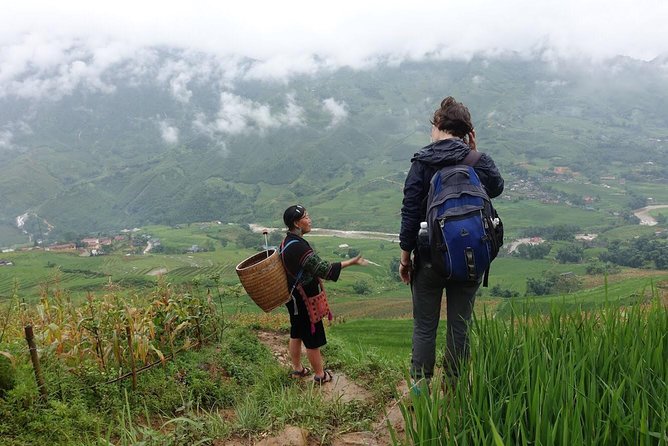
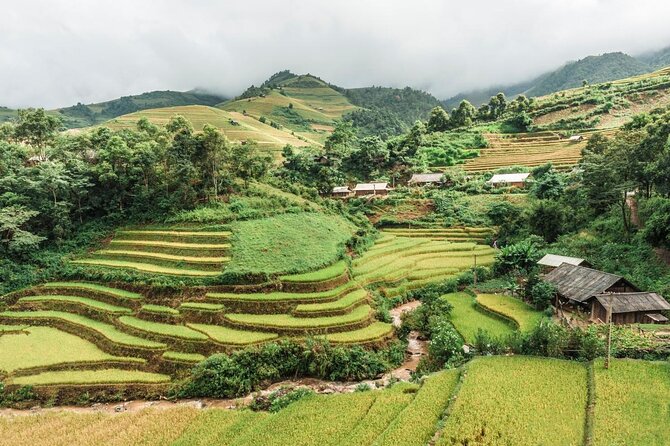
The first stretch covers about six kilometers over fairly easy but rolling ground. Easy does not mean flat. Sapa’s paths rise and fall, and wet weather can make them harder. You will pass rice paddies and traditional villages, with the walking itself providing the main way to see daily life beyond town.
I like this start because it gives you time to settle into the rhythm of the trek. You are not rushed straight into the hardest section. It also gives your guide room to explain what you are seeing, rather than reducing the day to a race from one viewpoint to the next.
More Hiking Tours in Sapa
- Sa Pa: Muong Hoa Valley Trek and Local Ethnic Villages
★ 4.6 · 864 reviews - Sapa: Eco Adventure Terrace Fields and Local Villages Trek
★ 4.9 · 636 reviews - From Sapa: 1-Day Guided Trek to Lao Chai & Ta Van with Lunch
★ 4.9 · 416 reviews
Rice terraces, village paths, and the steep climb
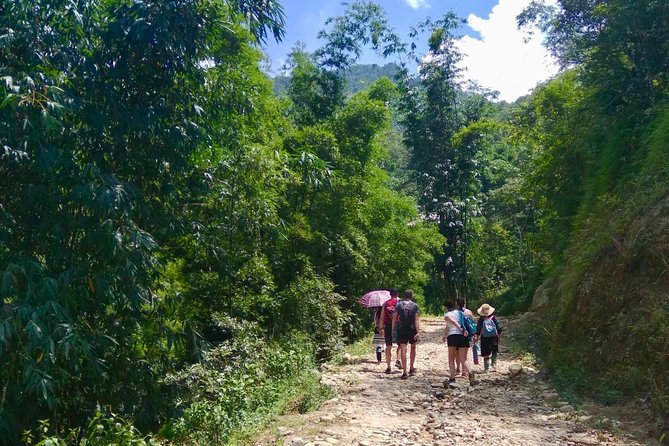
After the first six kilometers comes a steep climb of around two kilometers. This is the point to take the fitness warning seriously. The tour asks for a moderate level of physical fitness, and the full first day is roughly nine miles, or 14 kilometers.
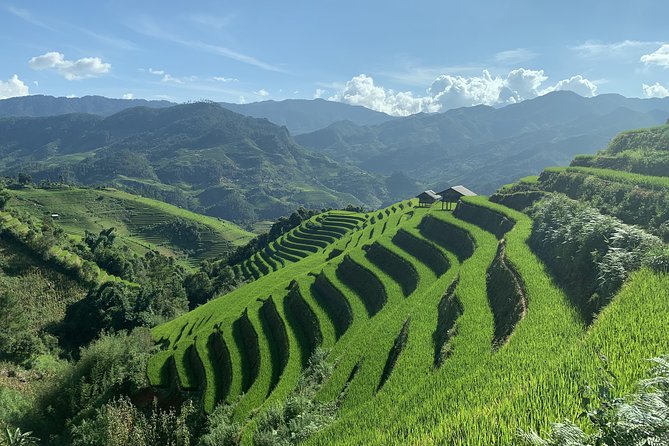
The route passes rice terraces, villages, and bamboo forest. These are not just scenic backdrops. The guides can connect the places you walk through with local homes, family routines, plants, and the lives of Hmong and Dao communities. My, for example, is described as showing the reality of village life, introducing families, and explaining local ways of living.
The exact path can vary, and the supplied details do not promise a particular village, viewpoint, or altitude. That is useful to remember. You are buying a cultural walk through Sapa Valley, not a guaranteed checklist of photo stops.
Bring shoes with a firm grip, especially if the weather has been poor. The experience requires good weather, and the operator may cancel if conditions are unsuitable. You will receive another date or a full refund in that case.
Lunch with the host family
One of the best parts of the first day is stopping to cook and share lunch with your host family. Lunch is included, as is a second lunch on day two. The value here is not only the food. Sitting down in a family setting gives you time to ask questions and see how the welcome works at a human pace.
This is also where the private format helps. With a small group, a meal and conversation can feel less like a performance for a busload of people. Guides including Cha and Ha are praised for making introductions and explaining family life, while Ker is described as both guide and host.
Keep your expectations sensible. This is a village homestay, not a boutique hotel with a rural theme. The information confirms homestay accommodation but does not specify private rooms, bathrooms, heating, or bedding. If those details affect your decision, ask ETHOS before paying.
A night in a Sapa village home
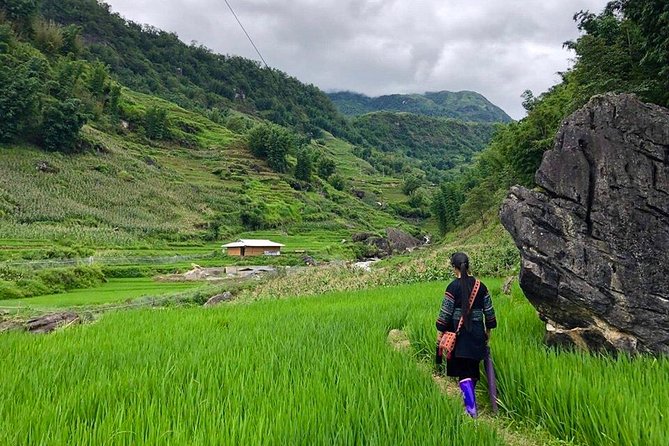
The overnight stay places you among rice paddies in a village. That changes the trip from sightseeing to participation. You are not simply looking at rural Sapa from a path, then returning to town for the night. You spend the evening in the community you have been walking through.
Dinner and breakfast are included. The arrangement gives you a chance to meet the host family and learn about Hmong or Dao life through ordinary conversation. The exact family depends on the route and guide, so the experience will not be identical for every booking.
This is the part I would value most if I wanted an introduction to local culture without arranging a completely independent trek. ETHOS connects the walking with community livelihoods, and the operator describes its purpose as supporting local knowledge and family income.
Still, cultural exchange works best when you remain flexible. A homestay can mean different routines, food, sleeping arrangements, and levels of comfort from one village to another. Pack lightly, bring personal essentials, and treat the home as a family residence rather than a hotel room.
More hikes around Sapa:
- Sa Pa Full Day Trekking Tour
★ 5.0 · 414 reviews - Sapa 1 Day Long Trek: Trek to Hau Thao and Sa Seng Villages
★ 4.6 · 344 reviews - EXPLORE SAPA: 2D1N TREKKING & HMONG CULTURE WITH DINH
★ 4.9 · 191 reviews - 1-day Authentik trek & Panorama valley views
★ 5.0 · 189 reviews
Choosing your second-day walk
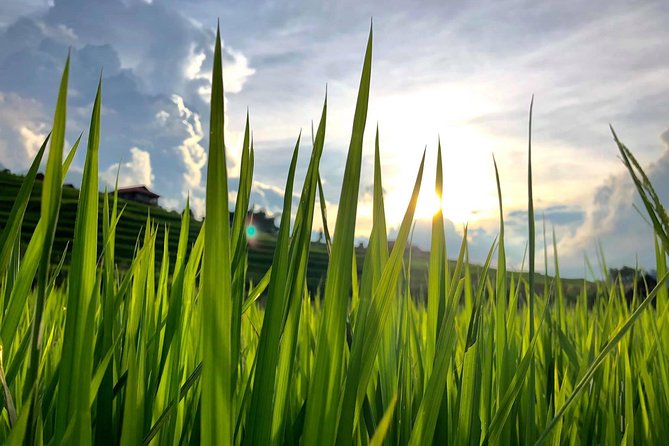
Day two is deliberately flexible. You continue walking in the morning, choosing a destination based on the distance and challenge you want. The supplied details do not name fixed stops, so your guide can help shape the morning around your energy and interests.
This makes the second day useful after a demanding first one. If your legs are tired, you can ask for a gentler plan. If you still want more time among the forests, paddies, and villages, you can request a longer or harder walk. The route remains subject to local conditions and what your guide can reasonably arrange.
I like this better than a rigid second-day schedule. A fixed route can leave you exhausted or underwhelmed. Here, your guide can respond to the group. Just be clear about what you want at the start of the morning, because flexible does not mean every destination is available.
In the afternoon, a taxi takes you back to Sapa. Private transportation is included, and the activity ends at the original meeting point. The return ride saves you from retracing the trek on foot and lets you finish in town rather than extending the walk late into the day.
What the guides add to the walk
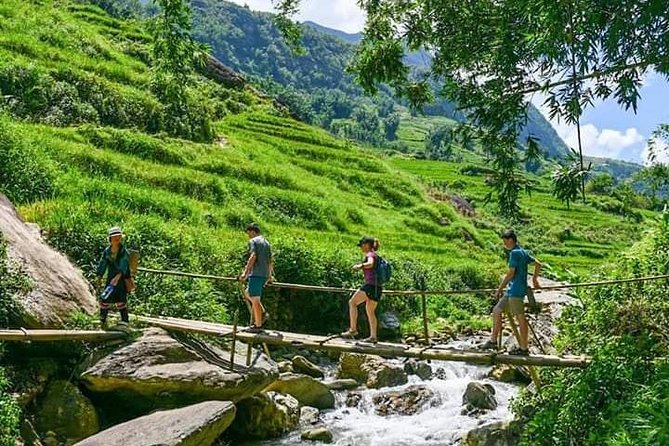
The strongest part of this experience is the guide relationship. The named guides in the available feedback include Cha, Hoa, Ha, Ker, Kae, and My. Some appear to handle the introductory context, while others lead the trek and host the overnight stay.
Cha is described as insightful and closely connected to the host family experience. Ha is associated with clear explanations involving her family and people in the villages. Ker is praised for combining guiding and hosting, while My is noted for explaining village life and introducing families.
Kae is associated with routes through forests, rice fields, and jungle, including paths where the group did not meet other tourists. That does not mean every departure will be quiet or empty, but it shows the kind of route the operator may provide.
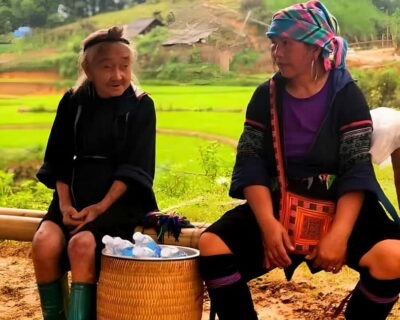
The guides also bring an important local perspective. You may learn about Hmong and Dao communities, plants along the path, family life, and customs. That is more useful than a string of memorized dates because it helps you understand the homes and fields around you.
Ask questions. This is a tour where curiosity improves the experience. Ask how crops are grown, how families use the forest, or what you should know before photographing people. Your guide is there to interpret the place, but respectful conversation is a two-way effort.
Price, inclusions, and the value of two days
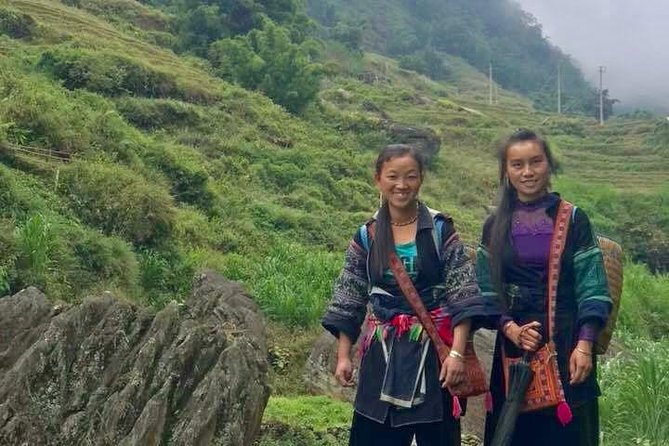
At $93.34 per person, the price includes a private guide, private transportation, water and refreshments, the homestay, two lunches, dinner, and breakfast. Travel insurance is not included.
That is a solid package for an overnight cultural trek. You are paying for more than walking. The price supports a private arrangement, a family stay, several meals, local guiding, and the return taxi. Booking 59 days ahead on average also suggests that advance planning is sensible during popular periods.
The value depends on what you want. If you only need a short viewpoint walk from Sapa, this is too much. If you want an organized way to reach villages, stay with a family, and learn from a local guide, the overnight format makes the cost easier to justify.
The private setup is especially useful for couples, friends, and families who want to set their own pace. The minimum booking size is two people, so solo visitors cannot book this experience alone under the stated conditions.
Who should book this Sapa homestay trek?
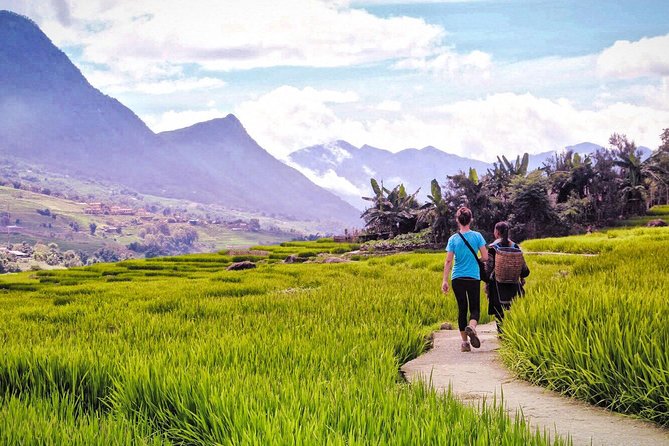
I would choose this tour if you want culture and walking in equal measure. The scenery is a major reward, but the point is the contact with families, villages, and local guides. You should be comfortable with a long first day and a homestay whose facilities are not fully specified.
It suits people who:
- Can manage about 14 kilometers on day one
- Are comfortable with a steep two-kilometer climb
- Want a private experience instead of a large group
- Prefer village paths to a short town excursion
- Are interested in Hmong and Dao culture
- Can adapt to a simple family homestay
- Like having a flexible second day
It is less suitable if you want guaranteed luxury, a fully fixed route, or an easy walk. It may also be a poor choice if you need detailed accessibility information, since the route includes uneven, undulating terrain and a steep climb.
The experience has a current rating of 5 out of 5 from 456 reviews, with 100 percent recommending it. Those figures support the tour’s strong reputation, but they do not remove the practical concerns. The distance, weather, and simple homestay style still matter.
Booking details and cancellation advice
Confirmation is provided when you book. The meeting point is ETHOS, Spirit of the Community, at 79 Nguyen Chi Thanh Street, Sapa. The activity finishes back there after the afternoon taxi ride.
You can cancel for a full refund up to three full days before the local start time. Cancellations or changes made inside that period are not refunded or accepted. Since poor weather can affect the route, check the local forecast and keep some flexibility in your schedule.
The experience is near public transportation, but the supplied information does not specify hotel pickup. Plan to reach the ETHOS office yourself unless the operator confirms another arrangement.
Final call: a strong choice for active cultural travelers
Book this ETHOS trek if you want Sapa beyond its town streets and famous viewpoints. The combination of a 14-kilometer village walk, family lunch, overnight homestay, local guiding, and adjustable second day offers a meaningful two-day introduction to the valley.
I would not book it for a soft adventure or a polished hotel stay. The first day demands stamina, the climb is real, and homestay facilities are not described in detail. But if you pack for active walking, stay open to simple accommodation, and want conversations with people who live in the villages, this is one of the more useful ways to spend two days around Sapa.
FAQ
Where does the trek start?
It starts at ETHOS, Spirit of the Community, at 79 Nguyen Chi Thanh Street, Sapa, Vietnam.
What time does the experience begin?
The start time is 8:30 a.m.
How long is the experience?
The experience lasts approximately two days.
How far is the first day’s trek?
The first day covers approximately 14 kilometers, or about nine miles.
What level of fitness is needed?
A moderate level of physical fitness is required. The first day includes undulating ground and a steep climb of around two kilometers.
Where do you stay overnight?
You stay with a host family in a village set among rice paddies. Specific room and bathroom details are not provided.
What meals are included?
The package includes two lunches, one dinner, and breakfast.
Is transportation included?
Private transportation is included, and a taxi returns you to Sapa on the afternoon of the second day.
Is this a private tour?
Yes. Only your own group takes part in the activity.
Can the tour be canceled because of weather?
Yes. The experience requires good weather. If poor weather causes cancellation, you will be offered another date or a full refund.
Newly listed around Sapa
- Half Day Cat Cat Village Tour Guided from Sapa★ 5.0 · 39 reviews
- 1 Day Sapa Authentic Trekking ( off beaten track )★ 5.0 · 40 reviews
- Muong Hoa Valley Trek & Homestay Experience – 4D3N★ 5.0 · 42 reviews
- 2-Day Fansipan Mountain Trek – Indochina’s Highest Peak★ 4.3 · 42 reviews
- Cloud Dragon Skywalk and Silver Waterfall Tour From Sapa★ 5.0 · 47 reviews
- Full Day Sapa Jeep Open Air Jeep Off The Beaten Track★ 5.0 · 47 reviews
- Sa Pa: Private Guided Tour on a Motorbike with Lunch★ 4.8 · 47 reviews
- The best view and most authentic tour in Sapa (Non Touristy)★ 5.0 · 47 reviews
Sapa Tours, compared.
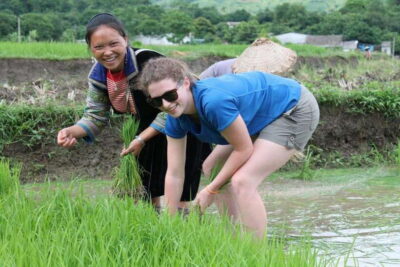
Muong Hoa Valley Trek and Local Ethnic Villages
Read our review →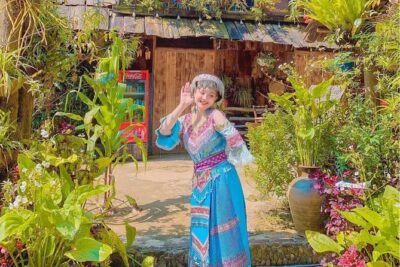
Fansipan Cable, Cat Cat Village & Moana Instagram Tour
Read our review →
Eco Adventure Terrace Fields and Local Villages Trek
Read our review →
1-Day Guided Trek to Lao Chai & Ta Van with Lunch
Read our review →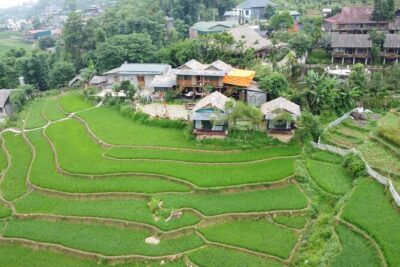
Sapa 1 Day Long Trek: Trek to Hau Thao and Sa Seng Villages
Read our review →Fansipan Cable, Cat Cat Village, Moana Instagram Tour
Read our review →
3-Day Ha Giang Loop with Safe Rider (max 8 pax)
Read our review →Browse the lists this tour appears in