
Reviewed · SAPA TREKKING TOURS
The best view and most authentic tour in Sapa (Non Touristy)
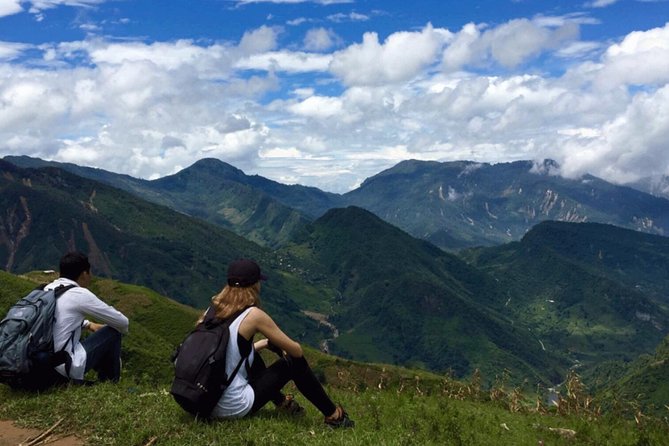
Sapa’s best views often come after you leave the crowded paths behind. This six to seven-hour trek starts by car at Giang Cha, then follows quiet trails through Hmong and Dzao villages, rice terraces, cornfields, and bamboo forest toward the Ta Phin Valley. The scenery is the main event, but the chance to see daily village life gives the walk its real point.
I like the small-scale, private format, since your group can walk at its own pace rather than trail behind a large crowd. I also like the practical value: lunch, transport, entrance fees, an English-speaking guide, and one liter of water are included. Guides named Mo and Toa have earned especially warm praise for their friendly manner and useful explanations.
The main caution is a serious one: the tour information also describes a sunset paddleboarding trip on the Cai River, with boards and bottled water provided. That does not match the morning village trek. Confirm the exact activity and meeting details before paying, especially if you are booking for the rice terraces and ethnic villages.
Key points to know before you book
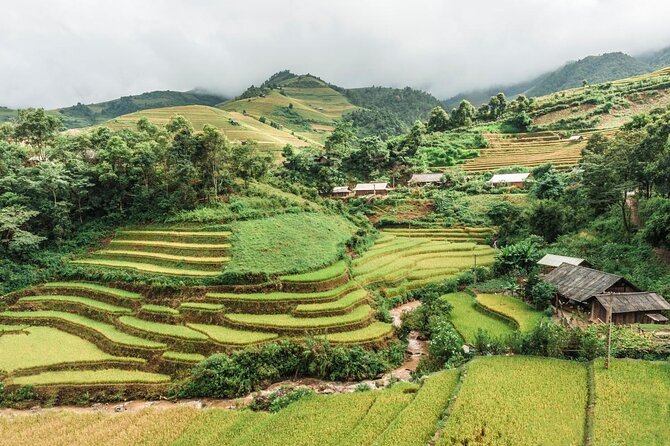
- Giang Cha begins the walk: You start by car at a Hmong village set among rice fields, then continue on foot.
- Three minority villages feature in the route: The trek includes Hmong and Dzao communities, with visits to local homes and farming areas.
- The bamboo forest and valley views are major highlights: Expect changing scenery rather than one single viewpoint.
- Mo and Toa are named guide options in the feedback: Both are described as warm, capable, and good at explaining local life.
- Lunch, transport, entrance fees, and one liter of water are included: Tips, insurance, and personal spending are not.
- Confirm the product before booking: The supplied details combine this trek with a separate Cai River paddleboarding description.
A quiet start in Giang Cha at 8:30 am
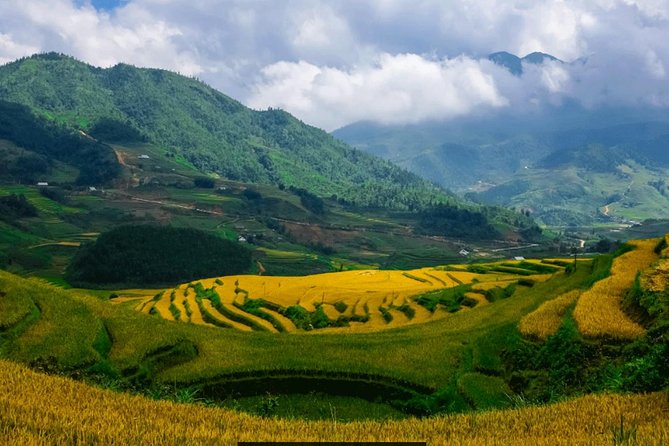
Your day begins at 8:30 am, with a car ride to Giang Cha village. That opening transfer matters. Instead of spending the first part of the day walking through built-up areas around Sapa, you reach a Hmong community surrounded by rice fields and open mountain views.
Giang Cha is known for traditional hemp and indigo work. Local weavers use older methods to make tribal clothing, so the village offers more than a scenic backdrop. You may see how farming and craft work fit into ordinary life, though the exact homes or activities available during your visit will depend on the day.
I like this start because it gives the walk a sense of place right away. You are not simply following a scenic trail with no context. The guide can help explain what you are seeing, from clothing traditions to the way village life is tied to the fields.
The morning departure also suits the route. Six to seven hours is a full outing, and the walk includes uphill sections, so starting early leaves useful time for stops and a relaxed lunch. If you are hoping for an afternoon or sunset experience, though, this schedule does not match that preference.
A few other Sapa trips to compare
- Sa Pa: Muong Hoa Valley Trek and Local Ethnic Villages
★ 4.6 · 864 reviews - Sapa: Fansipan Cable, Cat Cat Village & Moana Instagram Tour
★ 5.0 · 777 reviews - Sapa: Eco Adventure Terrace Fields and Local Villages Trek
★ 4.9 · 636 reviews
Rice terraces, cornfields, and the first long views
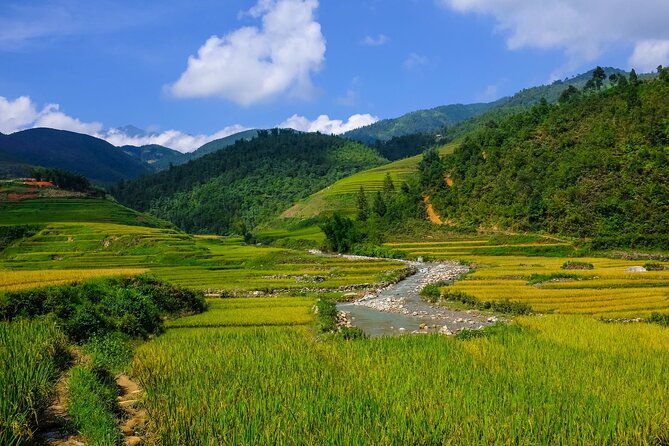
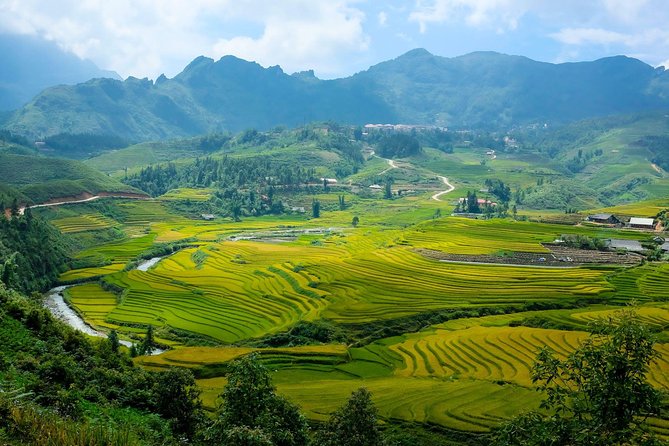
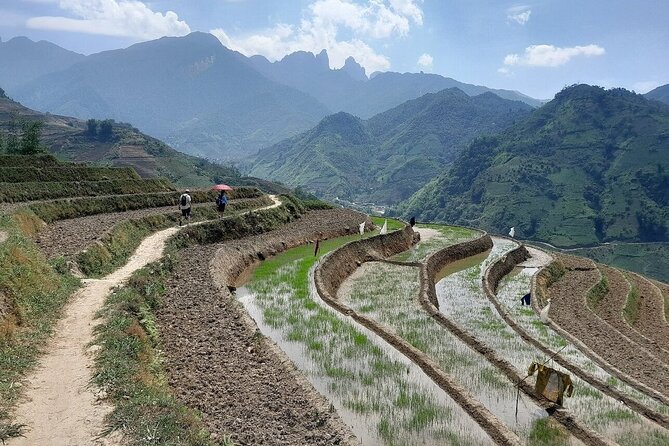
From Giang Cha, the route crosses rice terraces and cornfields. The scenery changes with the season, but the walk is designed around broad views across the valley rather than a single famous lookout.
Rice terraces are working farmland, not a decorative park. Their appearance depends on planting, growth, and harvest cycles. At some times of year, you may see water reflecting the sky; at others, the fields may be green, gold, or recently cut. That seasonal change is one reason the route can feel different from one visit to the next.
The path also gives you a closer look at how people move between villages and fields. This is a useful contrast with Sapa’s more visited walking routes, where the focus can shift toward shops and organized stops. Here, the appeal is the quieter rhythm of farms, houses, and footpaths.
The word non-touristy should not mean completely untouched. You are still joining a planned excursion, and the route includes village visits. But the supplied experience details and direct feedback point to very few other tourists on the trail, with one account describing only one other visitor encountered during the walk. That is a meaningful advantage if you want room to look around and take photographs without a crowd.
Walking through the bamboo forest
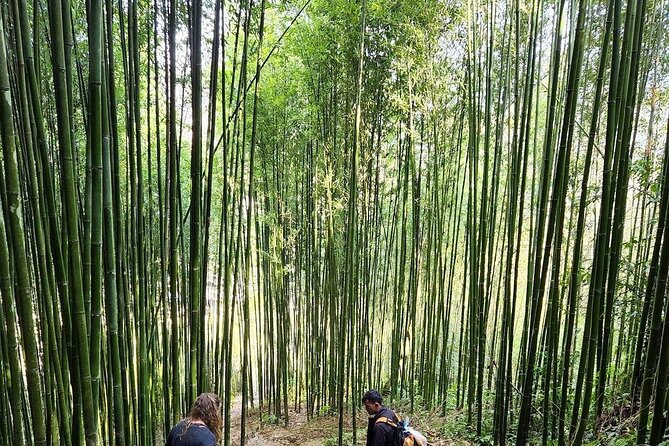
The bamboo forest is one of the most memorable parts of the route. Bamboo changes the feel of the walk from open farmland to a more enclosed, shaded setting, then the path opens again to valley views.
This variety is important on a six to seven-hour trek. A route made entirely of terraces could begin to feel repetitive, while a route made entirely of forest would hide the views. Here, the combination gives you different walking conditions and photo opportunities as the day progresses.
The supplied information says you should have a moderate level of physical fitness. Take that seriously. The route includes hills, uneven trails, and an uphill section toward Suoi Thau. You do not need to be an expert trekker based on the information provided, and beginners are not excluded, but this is not a flat village stroll.
Wear shoes with a secure grip and bring clothing suited to changing conditions. That is practical advice rather than a claim about a specific trail surface, since the exact condition of the paths can vary. The included one liter of water is helpful, but you may want to budget for your own extra drinks if you normally drink a lot while walking. The supplied details also mention bottled water in the paddleboarding description, which adds to the confusion about which product you are booking.
Suoi Thau and the Ta Phin Valley panorama
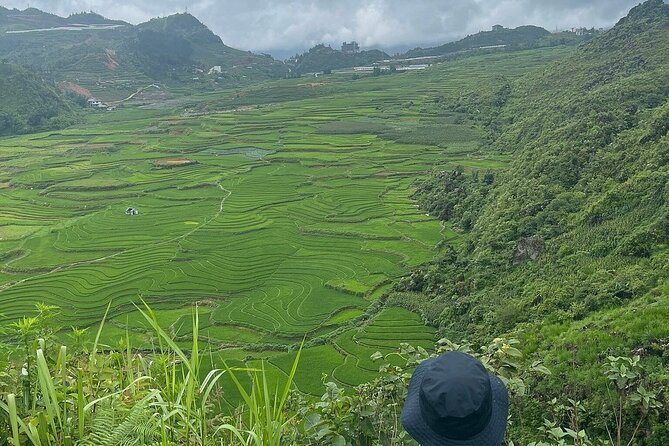
The route continues uphill to Suoi Thau, a Dzao village. This is where the walk earns its strongest view. From the village area, you get a broad panorama over Ta Phin Valley, giving you a chance to see how the villages, terraces, and wooded areas fit together.
The uphill approach makes the viewpoint feel earned, but it is also the section most likely to test your legs. The tour is best for someone who enjoys walking as part of the experience, not someone who only wants to be driven to scenic stops.
Suoi Thau also adds cultural variety. The walk incorporates Hmong and Dzao communities, and the itinerary includes time to visit local homes and explore daily life and local customs. The guide’s role is especially useful here. Mo is described as friendly and good at explaining life in the area, while Toa is described as an excellent guide with a warm personality.
Those names are worth noting because a guide can shape this kind of day. The scenery is available to anyone with a camera, but a good explanation can help you understand what you are looking at. You can ask about homes, farming, clothing, and village routines rather than simply passing through.
Same base, a completely different day:
- Number one top rated ethical cultural trekking and homestay by ETHOS
★ 5.0 · 456 reviews - Cat Cat Village, Moana, Fansipan Cable Car, Alpine Coaster – Sapa
★ 5.0 · 420 reviews - From Sapa: 1-Day Guided Trek to Lao Chai & Ta Van with Lunch
★ 4.9 · 416 reviews - Sa Pa Full Day Trekking Tour
★ 5.0 · 414 reviews
What village visits can and cannot offer
The local-home visits are a valuable part of the itinerary, but keep your expectations sensible. This is not a museum visit with a fixed display and a guaranteed performance. You are entering living communities, and what you see will depend on who is home and what work is taking place.
That uncertainty is a benefit as well as a limitation. You might see people farming or handling daily tasks, as one detailed account describes. You might also find that a stop is brief or that the available explanation depends heavily on your guide.
The best approach is to treat the village sections as a chance to observe respectfully, ask questions, and avoid expecting a staged show. The route’s quieter character comes from this ordinary setting. It is less polished than a standard sightseeing stop, but that is also why it can feel more personal.
I would also remember that tips are not included. If your guide gives you a useful day and helps bridge the language and cultural gap, plan for a tip as a separate personal expense. Insurance and other personal costs are also excluded.
Lunch, transport, and the value of $52
At $52 per person, this is not the cheapest way to find a walking trail in Sapa. The value depends on how much of the day you would otherwise have to arrange yourself.
The price includes transport by car according to the program, an English-speaking guide, lunch, entrance fees, and one liter of water. It also covers a private activity, meaning only your group participates. That combination removes several small costs and makes the day easier to manage.
Private does not always mean luxurious. It means you are not sharing the activity with strangers, and the pace can be more suited to your group. If one person wants more time at a viewpoint or needs a short rest, the arrangement may be more comfortable than a large departure.
The phrase small group also appears in the general description, so the details are not perfectly consistent. A private tour for your own group is different from a small shared group, even if both can be less crowded than a large bus tour. Ask the provider which format applies to your booking.
Lunch is included, but no menu is provided. I would not assume a particular dish, dietary arrangement, or restaurant setting. If you have food restrictions, ask before the tour rather than relying on the standard inclusion.
Group discounts are available, which can improve the per-person value for families or friends booking together. The tour is also sold with a mobile ticket, and confirmation is provided at booking. Those are useful conveniences, but they matter less than verifying the correct product description.
The biggest booking issue: trek or paddleboard?
This needs to be clear. One set of details describes a morning trek through Hmong and Dzao villages. Another describes paddleboarding on the Cai River at sunset, with boards supplied, beginner instruction, bottled water, and time to explore the river.
These are two entirely different activities. The trek begins at 8:30 am, lasts about six to seven hours, requires moderate fitness, and includes transport, lunch, and village walking. The paddleboard description refers to a sunset outing and says it is suitable for all levels, with a lesson for beginners.
Do not assume the paddleboard section is an extra feature of the trek. It reads like a separate experience that has been combined with the same product information. Before booking, contact Sapa Original Trek and confirm all of the following:
- The activity name and route
- The start time and meeting point
- Whether the experience is the village trek or Cai River paddleboarding
- Whether the tour is private or shared
- What transport and meals are included
This is not a minor wording issue. If you arrive expecting a river sunset and find yourself scheduled for a morning mountain walk, the day will not match your plans.
Who will enjoy this Sapa trek most?
I would recommend the village trek to you if you want scenery, walking, and contact with local communities more than polished sightseeing. It fits people who enjoy moderate physical activity and do not mind that the route includes hills and uneven rural paths.
It also suits visitors who have already seen the main sights around Sapa and want a quieter day. The route’s strongest quality is the lack of heavy foot traffic. You are more likely to notice farming, village routines, and changing views when you are not surrounded by a large crowd.
The private format makes it a good choice for families, couples, or friends who prefer their own pace. Group discounts may also help if several people are booking together.
I would hesitate if you want a short, easy walk, guaranteed cultural demonstrations, or a precise list of every stop. I would also choose another activity if your main goal is paddleboarding. In that case, confirm the separate Cai River experience rather than assuming this trek includes it.
Practical details for a smoother day
The meeting point is easy to locate, and the activity ends back at that meeting point. Public transportation is nearby, though the program itself includes car transport for the route.
The tour has a free cancellation policy up to 24 hours before the start time. Cancel at least 24 hours in advance for a full refund. Changes or cancellations made less than 24 hours before the start are not accepted for a refund, and the cut-off uses local time.
Confirmation is provided when you book. Still, I would save the meeting details on your phone and confirm the trek wording because of the paddleboarding mix-up.
Bring comfortable walking shoes, sun protection, and clothing you can adjust during the day. The supplied information only requires moderate fitness, but the uphill route means you should be comfortable walking for several hours.
Should you book Sapa Original Trek?
Book this experience if your priority is a quieter Sapa walk with rice terraces, bamboo forest, valley views, and a look at Hmong and Dzao village life. The combination of a private guide, car transport, lunch, entrance fees, and water gives the $52 price fair value, especially for a group that wants a full day without arranging each part separately.
The strongest reasons to choose it are the peaceful trails, the limited number of other tourists on the route, and guides such as Mo and Toa, who add useful human context to the scenery. The main reason to pause is the contradictory paddleboarding information.
My advice is simple: confirm the exact trek, start time, private format, and inclusions with Sapa Original Trek before you book. Once that is clear, this is a good fit for an active visitor who wants Sapa beyond the busiest paths.
FAQ
What time does the trek start?
The trek starts at 8:30 am.
How long does the experience last?
The village trekking experience lasts approximately six to seven hours.
Which villages are included?
The route includes Giang Cha, a Hmong village, and Suoi Thau, a Dzao village. The itinerary also describes three minority villages in total, with Hmong and Dzao communities included.
What is included in the price?
The price includes an English-speaking guide, lunch, entrance fees, transport by car according to the program, and one liter of water per person.
Is this a private tour?
The additional information describes it as a private activity, with only your group participating. A small-group description also appears in the activity details, so confirm the format when booking.
Can I cancel for a full refund?
Yes. You can cancel at least 24 hours before the local start time for a full refund. Cancellations or changes made less than 24 hours before the start are not accepted for a refund.
Newly listed around Sapa
- Half Day Cat Cat Village Tour Guided from Sapa★ 5.0 · 39 reviews
- 1 Day Sapa Authentic Trekking ( off beaten track )★ 5.0 · 40 reviews
- Muong Hoa Valley Trek & Homestay Experience – 4D3N★ 5.0 · 42 reviews
- 2-Day Fansipan Mountain Trek – Indochina’s Highest Peak★ 4.3 · 42 reviews
- Cloud Dragon Skywalk and Silver Waterfall Tour From Sapa★ 5.0 · 47 reviews
- Sa Pa: Private Guided Tour on a Motorbike with Lunch★ 4.8 · 47 reviews
- Full Day Sapa Jeep Open Air Jeep Off The Beaten Track★ 5.0 · 47 reviews
- 3-Day Trek in Amazing Muong Hoa Valley & ethnic Homestay★ 5.0 · 49 reviews
Sapa Trekking Tours, compared.

Sapa 2 Days 1 Night From Hanoi – Overnight in Ta Van Village
Read our review →

Muong Hoa Valley Trek and Local Ethnic Villages
Read our review →
Fansipan Cable, Cat Cat Village & Moana Instagram Tour
Read our review →

Sapa 3 Days 2 Nights Trekking Tour (1 Night In Ta Van Village, 1 Night In Hotel)
Read our review →
Eco Adventure Terrace Fields and Local Villages Trek
Read our review →
3-Day Trekking Adventure of Sapa from Hanoi – Stay Ta Van Village
Read our review →Browse the lists this tour appears in