
Reviewed · SAPA TREKKING TOURS
Sapa Easy Trekking Tour 1 Day – Rice Paddies and Cultures
Sapa’s best views arrive on foot, and this trek takes you away from town into valleys of rice terraces, old village homes, cardamom plants, and working farms. You’ll meet both Black Hmong and Red Dao communities, then visit Ta Phin Cave before returning to Sapa.
I like the small scale, with a maximum of two people, and the chance to hear personal stories from a local guide such as Pang or Zhu. I also like that lunch, village entry fees, water, and the ride back are included, which keeps the $40 price easy to understand.
The main caution is the word easy. The route covers about 11 kilometers and includes slippery or uneven sections, hills, and mountain walking. One detailed account praised the scenery and guide but warned that this is not a gentle stroll, so bring a moderate level of fitness.
Key points to know before booking
- Two minority communities in one trek: Visit villages connected with both the Black Hmong and Red Dao people.
- About 11 kilometers on foot: Expect a real half-day hike, not a short walk around Sapa.
- Ta Phin Cave included: The route adds a well-known natural stop to the village visits and rice-terrace views.
- Small groups of up to two: The format allows for a more personal pace and direct contact with your guide.
- Lunch and return transport included: You pay extra mainly for drinks, tips, and personal insurance.
- Weather and footing matter: The tour requires suitable weather, and some paths may feel slippery or steep.
Leaving Sapa for Suoi Ho
The day begins at 9 am at Sapa’s main church, or with pickup from your hotel in Sapa town. After a short introduction, you walk for about five minutes to a smaller trail. That quick change from town streets to a narrow path is part of the appeal. You are soon among plants, fields, and village paths rather than cafés and hotel signs.
The first section leads toward Suoi Ho, a small village associated with the Black Hmong community. The houses here are described as old and small, giving you a more modest view of village life than the polished center of Sapa.
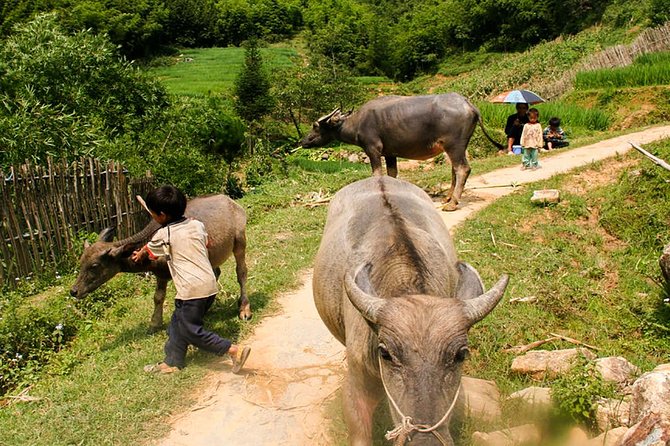
You may see water buffalo, chickens, dogs, and pigs along the way. These are not staged attractions. They are part of daily farm life, and they help explain how closely homes, animals, fields, and footpaths fit together in the hills.
A useful early detail is the cardamom. The trail passes small valleys where cardamom trees grow, and this plant is one of Sapa’s valuable crops. Your guide can point it out as you walk, adding a practical farming detail to what might otherwise look like an attractive patch of greenery.
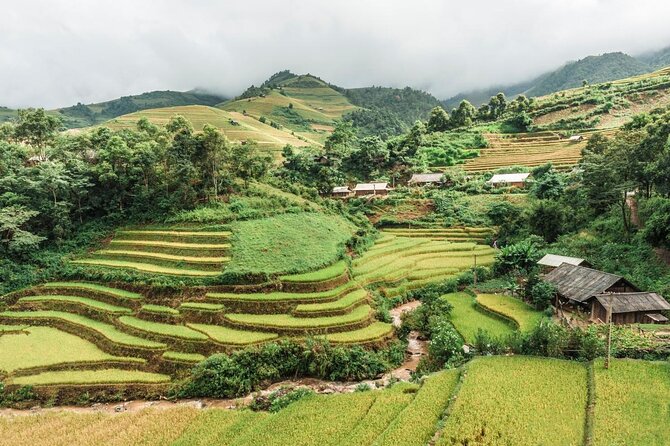
The route also opens onto broad views of rice terraces and mountains. The terraces are the visual prize of the day, but the changing angle matters. From a road, you see a large slope. From a footpath, you notice walls, water channels, homes, animals, and the work needed to keep each field usable.
More Hiking Tours in Sapa
- Sa Pa: Muong Hoa Valley Trek and Local Ethnic Villages
★ 4.6 · 864 reviews - Sapa: Eco Adventure Terrace Fields and Local Villages Trek
★ 4.9 · 636 reviews - Number one top rated ethical cultural trekking and homestay by ETHOS
★ 5.0 · 456 reviews
Ma Tra and the rice terraces
From Suoi Ho, the trek continues toward Ma Tra. The route uses a mix of small trails and a small road, so do not expect uninterrupted wilderness. That is actually useful for this kind of outing. You get village access without committing to a difficult remote hike for the entire day.
Ma Tra is one of the sections where the rice terraces and mountain scenery take center stage. The route is designed for views, but it also asks you to pay attention to your footing. A path that feels simple in dry weather can be less comfortable after rain, especially on sloping ground.
The tour description calls the climb a mountain trek reaching up to about 1,900 meters above sea level. That figure gives you a better idea of the setting than the word easy does. You are walking in high mountain country, with changes in elevation and some physical effort.
I would wear shoes with a firm sole and bring a light rain layer. The tour includes one small bottle of water, but you should not treat that as your entire supply for a roughly 11-kilometer outing. Extra drinks are not included, so plan to buy or carry what you need.
The most useful role your guide can play here is not simply pointing toward a viewpoint. A local guide can explain the plants, houses, crops, and community names as they appear. Guides named Pang and Zhu have led this route, though the person assigned to your booking may be different.
Meeting the Black Hmong and Red Dao
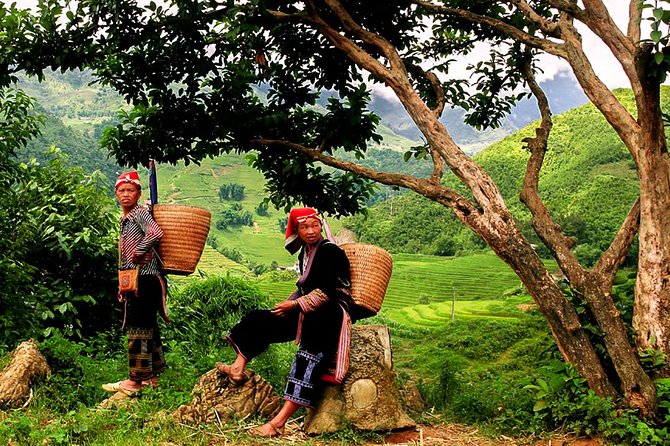
The cultural side of the trek is stronger than a simple scenic walk because the route reaches two different communities. You visit villages connected with the Black Hmong and the Red Dao, two minority groups in the Sapa area with distinct traditions and dress.
The experience is best approached with curiosity and restraint. You are walking through living villages, not entering a museum display. Listen to your guide, ask before photographing people, and remember that the homes and paths you pass belong to local families.
The small group size helps here. With no more than two people, you are less likely to crowd a path or turn a village stop into a noisy procession. You can ask direct questions and stop briefly when something catches your eye.
One of the strongest parts of this route is the guide’s personal connection to the region. Pang has been described as a Hmong woman who shares stories from her own life and community. That kind of first-person detail can give the visit more meaning than a list of dates or general facts.
Still, expectations should stay realistic. The tour does not promise a formal cultural performance, a long home visit, or a craft workshop. Its cultural value comes from walking through villages and learning as part of the route.
Ta Phin Cave and the Red Dao village
Ta Phin is the main destination, and its cave gives the outing a clear finish. The cave is well known in Sapa and adds a change of setting after the open terraces and village paths.
Cave conditions can be less predictable than a paved attraction. The exact length of time inside is not given, and the general advice to have moderate fitness applies to the full route. Watch your footing, stay with the guide, and avoid assuming that a cave visit is effortless simply because it is short.
Ta Phin is also linked with the Red Dao community. This makes the stop useful for comparing the feel of the two village areas you visit during the day. The route does not reduce the communities to a single image. Instead, it gives you a chance to see that Sapa’s cultural identity includes several groups and village traditions.
The order of the stops matters. You first spend time moving through fields and smaller settlements, then reach Ta Phin and its cave. By that point, the views are not just scenery. You have seen the paths, crops, animals, and homes that make the area function.
A few other Sapa trips to compare
- Sapa: Fansipan Cable, Cat Cat Village & Moana Instagram Tour
★ 5.0 · 777 reviews - Cat Cat Village, Moana, Fansipan Cable Car, Alpine Coaster – Sapa
★ 5.0 · 420 reviews - From Sapa: 1-Day Guided Trek to Lao Chai & Ta Van with Lunch
★ 4.9 · 416 reviews - Sa Pa Full Day Trekking Tour
★ 5.0 · 414 reviews
Lunch, timing, and what the $40 covers
The listed price is $40 per person. For a five-hour-30-minute experience, that is a fair package if you want a guide, village access, lunch, and transport back to Sapa without arranging each part yourself.
Lunch is included, and vegetarian food is available. Drinks at the restaurant or homestay are extra, as are bottled water beyond the small bottle supplied, beer, tips, and personal travel insurance.
The tour begins at 9 am and ends back at the meeting point in Sapa. The advertised duration is approximate, so you should not schedule a tight afternoon connection immediately afterward. Weather, trail conditions, and walking speed can affect the finish time.
Return transport is included. That matters after a long walk, since you do not need to retrace the entire route on foot. Village entry fees are also covered, so the main likely extras are drinks and a tip for good service.
With only two places available, the price buys more privacy than a large group outing. That format is especially useful if you want to ask questions, pause for photos, or discuss your walking speed. It also means the tour may not suit someone looking for a social group atmosphere.
How difficult is an easy Sapa trek?
The route deserves a moderate rating despite its name. One account described an approximately 11-kilometer walk that was manageable and mostly on paved sections, while another warned about slippery slopes and a guide who did not slow down. The conflicting details point to the real issue: conditions and pace can change the experience.
You should be comfortable walking for several hours, handling uneven ground, and managing hills. You do not need to be an expert mountain hiker, but the tour is not suitable if you want a flat, short, city-style walk.
Tell your guide early if you need a slower pace. The small group size should make that conversation easier, but you still need to speak up. Good shoes matter more than fashionable clothes here.
Weather is also part of the booking decision. The outing requires good weather, and if poor conditions force cancellation, you are offered another date or a full refund. Free cancellation is available up to 24 hours before the 9 am start time. Cancellations or changes inside that window are not refunded or accepted.
The guide makes or breaks the day
A route through Sapa can look simple on a map, but the guide shapes what you understand. The best part of this format is the chance to ask about village life, crops, community identity, and the changing views as you walk.
Pang and Zhu are names connected with this experience. Pang has been praised for sharing stories about her life as a Hmong woman, while Zhu has been described as offering useful information about the region’s nature and traditions. Guide assignments can vary, so book this tour for its local format rather than expecting a particular person unless the operator confirms it.
There is also a practical lesson in one poor account. The complaint focused on pace and slippery ground. The operator disputed whether that person had taken this tour, so it does not clearly establish a problem with this specific outing. Still, it gives you a sensible reminder to discuss your ability and preferred pace at the start.
The maximum group size of two is a real advantage. If you are paired with another person, the pace may still require compromise, but it should be easier to communicate than on a large group hike.
Who should book this route?
I would recommend it to you if you want a compact introduction to Sapa’s countryside and minority villages, and you prefer walking to sitting in a vehicle all day. It works well for someone who wants rice terraces, animals, village paths, and a cave in one outing.
It is also a good choice if you value a local guide and a small group more than a polished sightseeing circuit. The personal stories associated with guides such as Pang can add a human side to the scenery.
I would hesitate if you have knee, balance, or mobility problems, since the tour requires moderate fitness and may include slippery slopes. I would also choose another activity if your idea of easy means less than a few hours on foot.
Pack sturdy shoes, sun or rain protection, and extra water. Keep your camera ready, but leave space for listening. The most valuable moments may be small ones, such as a cardamom plant in a valley or a water buffalo beside a village path.
Should you book the Sapa Easy Trekking Tour?
Book it if you want an active half-day with a strong mix of mountain views and local culture. The $40 cost is reasonable because it includes lunch, entry fees, water, a guide, and the ride back, while the two-person limit keeps the outing personal.
Skip it if you need a truly gentle walk or a fixed finish time. The route reaches high ground, covers about 11 kilometers, and may feel demanding in wet conditions.
For fit visitors who want to see more than Sapa’s town center, this is a practical choice. Just treat easy as easy for a trekking route, not easy as a casual stroll.
FAQ
What time does the tour start?
The tour starts at 9 am.
Where does the tour begin?
You meet at Sapa’s main church on P. Hàm Rồng, or pickup may be offered from your hotel in Sapa town.
Where does the tour end?
The activity ends back at the meeting point in Sapa.
How long does the tour take?
The approximate duration is five hours and 30 minutes.
Which villages does the tour visit?
The route includes Suoi Ho, Ma Tra, and Ta Phin. You visit areas connected with the Black Hmong and Red Dao communities.
Is lunch included?
Yes. Lunch is included, and vegetarian food is available. Drinks at the restaurant or homestay are not included.
How many people can join the tour?
The tour has a maximum of two participants.
What happens if the weather is poor?
If poor weather causes cancellation, you are offered a different date or a full refund. You can also cancel up to 24 hours before the start time for a full refund.
More Hikes in Sapa
- EXPLORE SAPA: 2D1N TREKKING & HMONG CULTURE WITH DINH
★ 4.9 · 191 reviews - 1 day Fansipan Trekking
★ 5.0 · 180 reviews - Sa Pa: 6-Hours Muong Hoa Valley Trek with Local Ethnic guide
★ 4.5 · 178 reviews - Trekking Through Rice Terraced Fields – 1Day
★ 5.0 · 173 reviews
More 1-Day Tours in Sapa
- Sapa 1 Day Long Trek: Trek to Hau Thao and Sa Seng Villages
★ 4.6 · 344 reviews - Sapa Motorbike Tour With Local Guide 1 Day – Waterfalls, Villages
★ 5.0 · 254 reviews - Motorbike 1 Day Off The Beaten Track, Hidden Villages, rice field
★ 5.0 · 203 reviews - 1-day Authentik trek & Panorama valley views
★ 5.0 · 189 reviews
Newly listed around Sapa
- Half Day Cat Cat Village Tour Guided from Sapa★ 5.0 · 39 reviews
- 1 Day Sapa Authentic Trekking ( off beaten track )★ 5.0 · 40 reviews
- Muong Hoa Valley Trek & Homestay Experience – 4D3N★ 5.0 · 42 reviews
- 2-Day Fansipan Mountain Trek – Indochina’s Highest Peak★ 4.3 · 42 reviews
- Cloud Dragon Skywalk and Silver Waterfall Tour From Sapa★ 5.0 · 47 reviews
- Full Day Sapa Jeep Open Air Jeep Off The Beaten Track★ 5.0 · 47 reviews
- Sa Pa: Private Guided Tour on a Motorbike with Lunch★ 4.8 · 47 reviews
- The best view and most authentic tour in Sapa (Non Touristy)★ 5.0 · 47 reviews
Sapa Trekking Tours, compared.

Sapa 2 Days 1 Night From Hanoi – Overnight in Ta Van Village
Read our review →

Muong Hoa Valley Trek and Local Ethnic Villages
Read our review →
Fansipan Cable, Cat Cat Village & Moana Instagram Tour
Read our review →

Sapa 3 Days 2 Nights Trekking Tour (1 Night In Ta Van Village, 1 Night In Hotel)
Read our review →
Eco Adventure Terrace Fields and Local Villages Trek
Read our review →
3-Day Trekking Adventure of Sapa from Hanoi – Stay Ta Van Village
Read our review →Browse the lists this tour appears in