
Reviewed · SAPA TREKKING TOURS
From Hanoi: Sapa 3-Day Medium Trek and Limousine Trip
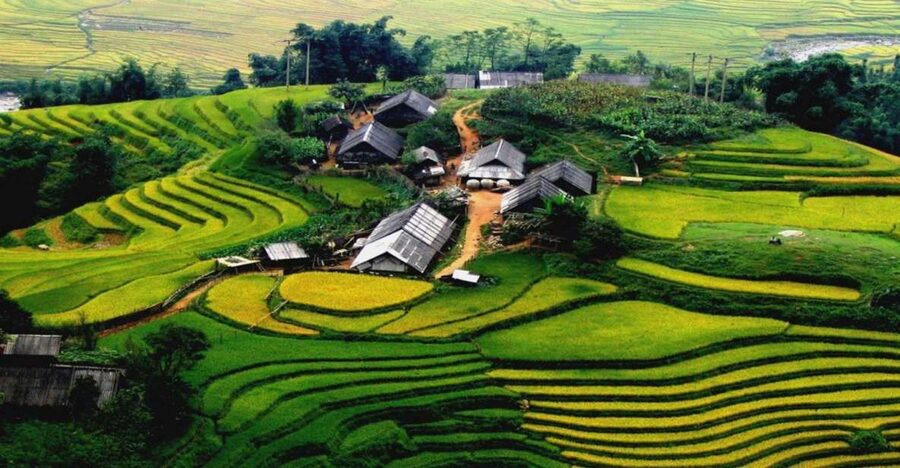
Sapa’s best moments come on foot, far below the town center. This 3-day medium trek leads you past rice terraces, suspension bridges, bamboo forest, waterfalls, and villages of the Black Hmong, Zay, and Red Dao people. The homestay meal adds a real local touch, rather than leaving you with only mountain photos.
I like the small village routes and the guides’ personal connection to the area. Guides such as Jo, Ai, and May have been praised for adjusting the pace, explaining local customs, and helping when the trail gets tricky. I also like that the $165 price includes transport, meals, entrance fees, two nights of accommodation, and a guide.
The main catch is the long road journey, roughly six hours each way. Pickups and rest stops can be unclear, and driving standards may feel hurried. The trek itself is not suitable for people with mobility problems, older visitors who dislike uneven ground, or young children.
Key points to know before booking
- Sin Chai gives you a gentle first look at Sapa’s Black Hmong culture, with a short trek southwest of town.
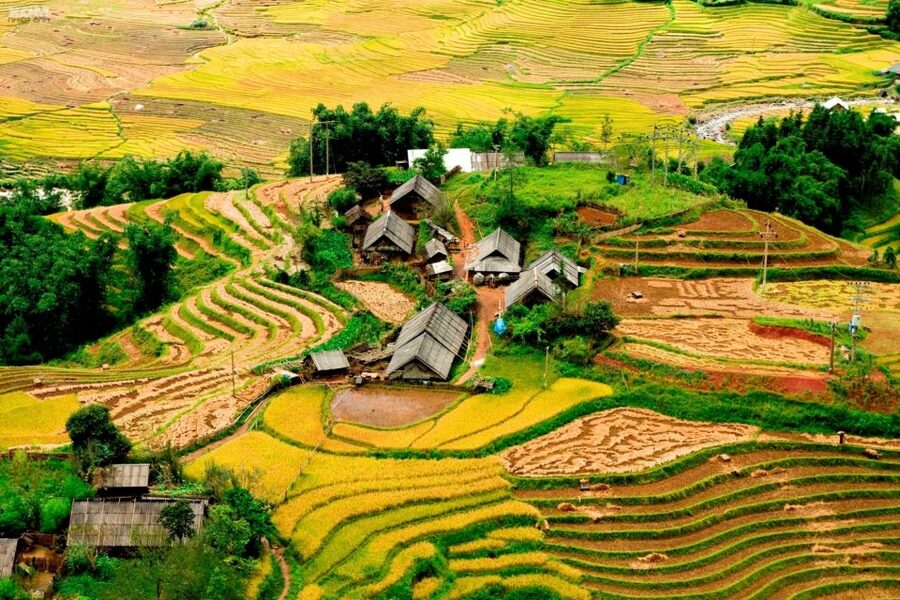
- Day two is the main walking day, covering about 9 kilometers through Muong Hoa Valley, Y Linh Ho, Lao Chai, and Ta Van.
- The homestay is the heart of the trip, but facilities can be basic, with shared sleeping areas and bathrooms.
- Local guides make a major difference, and guides including Jo, Ai, and May have been praised for friendly help and flexible pacing.
- The Hanoi transfer is comfortable but tiring, taking five or six hours and sometimes running late.
- Mountain weather changes fast, so warm layers, proper walking shoes, sun protection, and cash in Vietnamese dong matter.
Why this three-day Sapa route works
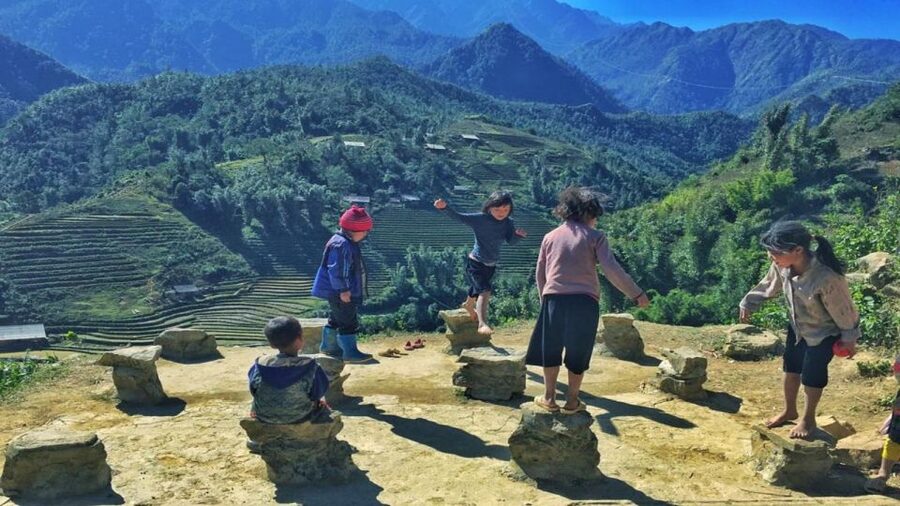
Sapa is easy to see badly. You can spend your time around the town’s shops, take a cable car, and leave with pleasant photographs but little sense of how people live beyond the center. This trip puts you on village paths and farm tracks, where the scenery unfolds at walking speed.
The route covers several communities rather than focusing on only one viewpoint. You see Black Hmong homes in Sin Chai and Y Linh Ho, Hmong villages around Lao Chai, Zay homes in Ta Van, and a Red Dao settlement at Giang Ta Chai. The value is not just the number of stops. It is the steady change in scenery and local life as you move through the Muong Hoa Valley.
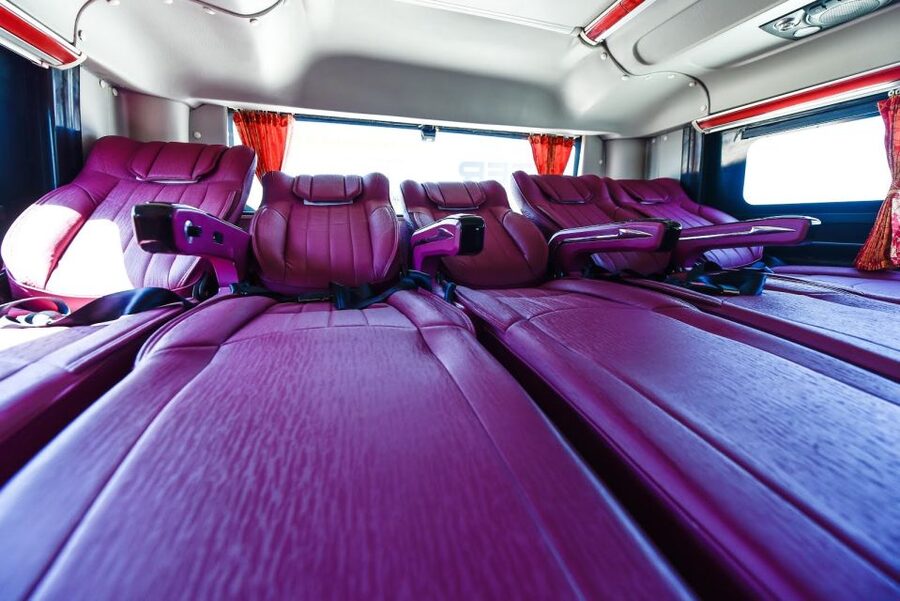
The tour begins and ends at your accommodation in Hanoi’s Old Quarter. An air-conditioned limousine takes you north, while a modern bus handles the local transfers around Sapa. You also have an English-speaking local guide, two breakfasts, three lunches, two dinners, entrance tickets, and two nights of accommodation included.
At $165 per person, that is a fair package for a three-day trip, especially if you would otherwise need to arrange transport, meals, a guide, and village accommodation separately. The price becomes less attractive if you expect hotel-standard facilities throughout or dislike long road transfers. This is a practical package for seeing Sapa without organizing each piece yourself, not a private luxury tour.
More Hiking Tours in Sapa
- Sa Pa: Muong Hoa Valley Trek and Local Ethnic Villages
★ 4.6 · 864 reviews - Sapa: Eco Adventure Terrace Fields and Local Villages Trek
★ 4.9 · 636 reviews - From Sapa: 1-Day Guided Trek to Lao Chai & Ta Van with Lunch
★ 4.9 · 416 reviews
Day one: Hanoi to Sapa and Sin Chai village
The pickup window in Hanoi is around 6:30 to 7:00 in the morning. You need to be ready at your Old Quarter accommodation, because the road to Sapa takes about six hours. The limousine is air-conditioned and modern, with two planned stops for snacks and bathrooms.
I would treat the timing as approximate. A transfer has arrived about an hour late, and the stop lengths have not always matched the stated schedule. Communication can also be thin, including confusion about when to leave the bus at the first Sapa stop. Keep your phone charged, carry water and a snack, and do not plan a tight evening appointment in Sapa.
After arrival, you have lunch at a local restaurant, check in, and rest before the afternoon walk. This pause matters. The drive is long, and starting the trek immediately would make the day unnecessarily hard.
The first route heads southwest from Sapa for about four kilometers to Sin Chai village. It is a useful introduction to the region because you reach a rural Black Hmong community without committing to the longer walk planned for the next day. The village is described as simple and traditional, with a slower rhythm than central Sapa.
You will see homes and ordinary village activity rather than a staged cultural show. That distinction is important. The area is still visited by tour groups, but the appeal is seeing daily work in a highland setting, with mountain views and terraces around you.
After the walk, you return to the hotel to freshen up before dinner. The evening is free for Sapa town. You might browse shops, walk the streets, or try roasted corn and baked eggs cooked beside a charcoal fire. Those snacks are small, inexpensive details, but they help make the evening feel connected to the town rather than simply part of a hotel schedule.
The guide may not meet you until the afternoon or even the second day, depending on how the local arrangements work. One pickup was confusing, and the guide was not met until day two. Confirm the next morning’s meeting time before turning in.
Day two: Muong Hoa Valley, Lao Chai, and Ta Van
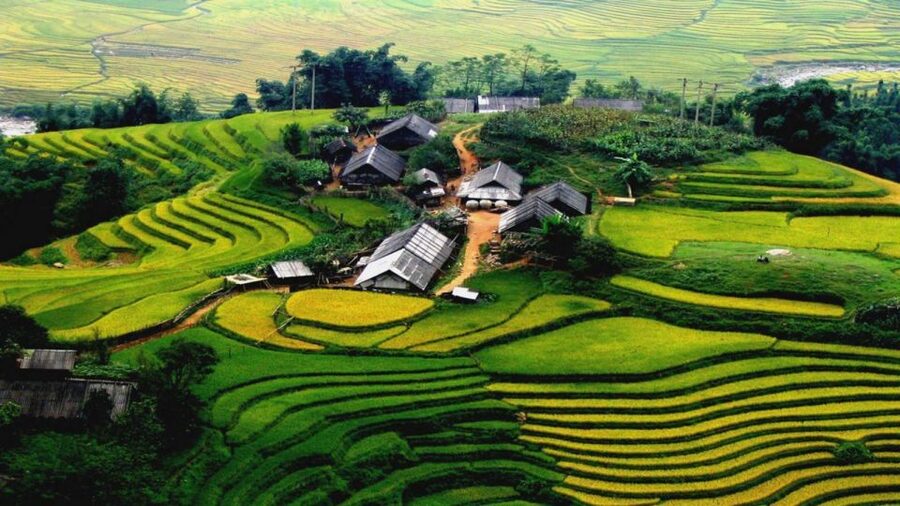
Day two is the demanding section. You eat breakfast, check out, and follow the main road south for about an hour before taking a footpath downhill into Muong Hoa Valley. The total trek is about nine kilometers, though the exact effort depends on the trail and weather.
The reward is the Hoang Lien Son mountain range, including high mountain scenery above the valley. Sapa can be foggy, particularly from December through March, so you may not get a clear view every minute. Even in mist or rain, the walk still has interest, but the famous terraces look best when clouds lift.
The trail reaches Y Linh Ho village after a suspension bridge crossing. This is one of the more memorable transitions of the day. You leave the road, cross above the river, and enter a village area where you can visit Hmong families and observe work around their homes.
Lunch follows, giving you a proper break before the longer afternoon section. Then you continue through hills for about two hours toward Lao Chai. This is not a short photo stop. You need to be comfortable walking downhill, uphill, and over uneven paths for much of the day.
The trail follows the river bank toward Ta Van, home to the Zay people. The route combines scenery with cultural visits, so you are not simply walking for exercise. You see how villages sit within the valley and how terraces, rivers, homes, and footpaths fit together.
The guide is especially important here. Jo has been praised for explaining arrival times, meal arrangements, and bag transfers. Ai has been praised for changing the route to fit the group’s ability and offering help on difficult sections. You may have a different guide, but a strong local guide can turn a tiring walk into a manageable one.
Ta Van is where you spend the evening at a homestay. You eat dinner and sleep in a local home rather than returning to a standard hotel. The arrangement allows you to share a meal with the host family and get a closer look at village life.
Set your expectations carefully. Homestay quality varies, and it is not hotel accommodation. Some setups have clean, comfortable mattresses and everything needed for the night. Others are large shared rooms with many mattresses on the floor, little privacy, and limited bathroom access. One arrangement had roughly 20 mattresses in an open dormitory and one bathroom for more than 10 people.
Ask about the accommodation option when booking, particularly if you are traveling alone, with children, or as a couple who wants privacy. The itinerary allows the homestay to fall on the first or second night depending on circumstances, so the order can change. Bring earplugs if you are sensitive to noise, and expect a basic rural stay rather than a private room.
Day three: bamboo forest, waterfall, and Giang Ta Chai
After breakfast, you leave Ta Van on an uphill trail. The morning route passes terraces and small Hmong hamlets before entering a bamboo forest. This section feels different from the broad valley walk on day two, with narrower paths and more shade.
The trail reaches a waterfall, where you have time to rest. It is a useful pause before the final part of the trek. After about another 30 minutes, you reach Giang Ta Chai village, associated with the Red Dao people.
Lunch is served near the village center. Afterward, you have time to relax and prepare for the return journey. The schedule is more compressed than day two, but the waterfall and bamboo section give the morning a clear shape instead of making it one long walk.
The limousine or local transfer leaves for Hanoi at about 2:00 in the afternoon. The journey takes five or six hours depending on traffic, with arrival expected around 8:30 to 9:30 in the evening. I would not book a flight, theater ticket, or important dinner reservation for that night.
The return drive is the least appealing part of the experience. Some journeys have felt uncomfortable because of fast, aggressive passing, limited communication, or too few stops. The included vehicle may be modern, but comfort and safety also depend on the driver and traffic conditions. For the scenic walking sections, the schedule works well. For the road sections, patience is part of the price.
A few other Sa Pa trips to compare
- Sapa 1 Day Long Trek: Trek to Hau Thao and Sa Seng Villages
★ 4.6 · 344 reviews - Sapa: Fansipan Cable, Cat Cat Village, Moana Instagram Tour
★ 4.8 · 294 reviews - From Sapa: 3-Day Ha Giang Loop with Safe Rider (max 8 pax)
★ 4.9 · 285 reviews - Explore Sapa by TrekkingAdventures, Mountain,Rice fields
★ 4.9 · 229 reviews
The guides are a major part of the value
This tour depends heavily on the local guide. The paths are not the only point. You need someone who can explain the communities you pass through, set a sensible pace, manage meal times, and help when weather or trail conditions change.
Jo has been praised for local knowledge gained from growing up in the area, along with clear updates about the route, luggage, and homestay meals. Ai has been singled out for warmth, cultural explanation, and adapting the trek to different abilities. May has kept a positive attitude in heavy rain and still led a rewarding walk through the terraces.
Those names are not a guarantee that you will receive the same person. Guide assignment can vary. Still, the pattern is clear: the human side of the tour is its strongest feature. If you get a patient guide who knows the villages well, you gain context that you would miss walking alone.
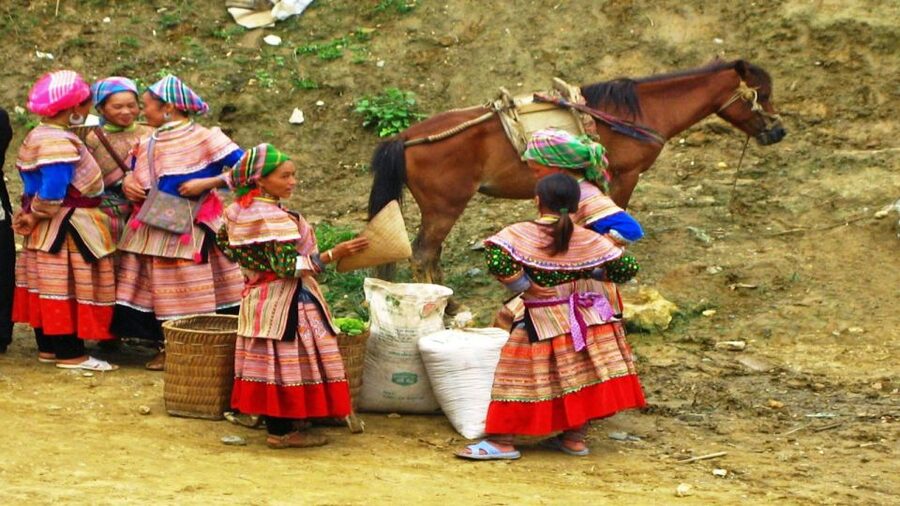
You should stay with the guide during the trek. Local ethnic people may accompany you for long stretches and then ask for money or try to sell handmade items at high prices. This is a known problem on Sapa routes. A polite refusal, no purchase, and attention to your guide are the simplest ways to handle it.
Food, hotels, and the homestay tradeoff

The package includes two breakfasts, three lunches, and two dinners. Meals are served through the local restaurants and homestay arrangements, though drinks are not included. Bring extra money for water, coffee, snacks, and any food you want outside the scheduled meals.
The hotel portion provides a useful contrast with the homestay. You get time to rest and wash after the first trek, while the homestay gives you a more direct connection to village life. Some hosts welcome you warmly, and you may be able to help cook if you want to take part.
The accommodation standard is not fixed in the way a hotel booking usually is. The homestay can be clean and comfortable, but privacy, bathroom access, and sleeping arrangements may be limited. If you need a private bathroom, quiet room, or hotel-level bedding, this may not be the right format.
For me, the homestay is worth accepting if your main goal is local contact and rural scenery. It is less suitable if you need predictable comfort every night. The two-night accommodation arrangement should be clarified before departure, since the homestay night may shift.
What to pack for Sapa’s changeable weather
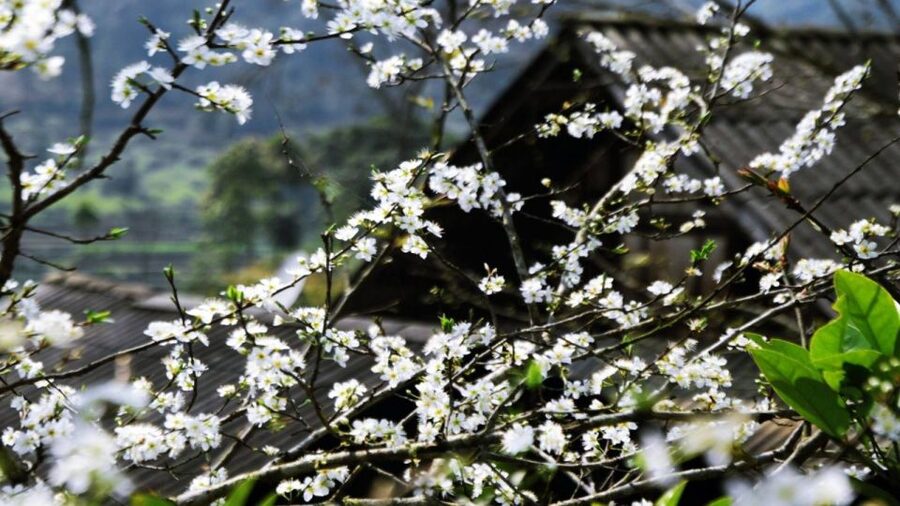
Sapa’s weather can change quickly. It is normally cold from September through March, and fog is common in December, January, February, and March. Rain can reduce visibility, but it does not necessarily ruin the walk. One trek had wet, misty conditions before clearer views appeared on the final day.
Bring:
- Trekking shoes with a firm sole
- Warm clothing, including a scarf, hat, or cap
- Sunglasses and sun cream
- Insect repellent
- Personal medicine
- Cash in Vietnamese dong
- Water and small snacks for the road journey
Comfortable shoes are listed as essential, but ordinary city trainers may not be enough for wet or uneven paths. You should also pack a light waterproof layer, even though it is not specifically listed, because rain has affected departures. Keep valuables and spare clothing protected during the trek.
Cash matters because the banking system in Sapa does not always work well. Vietnamese dong is the most useful currency, though US dollars, euros, and Australian dollars are accepted in Sapa.
Who will enjoy this trek most
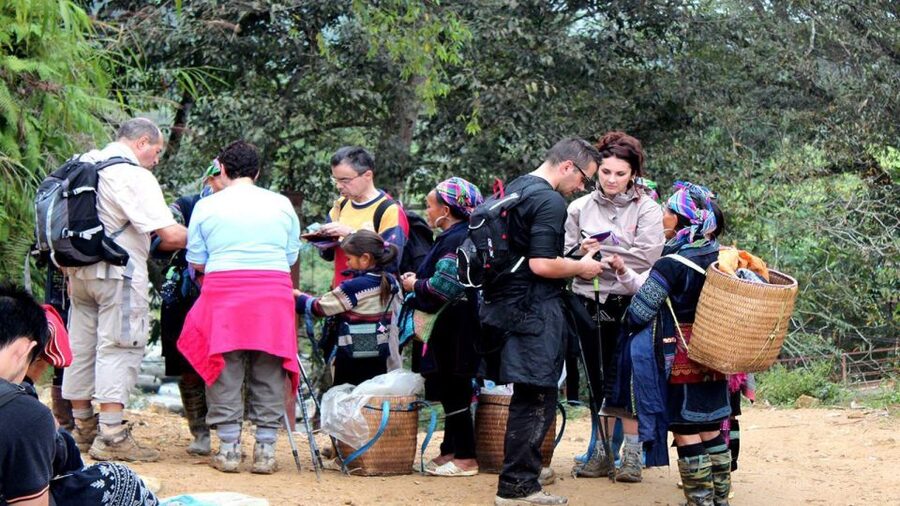
I would recommend this trip to someone who wants to see rice terraces and village life without spending several days arranging local transport. It suits active adults who can walk about nine kilometers on uneven ground and handle hills, river paths, and changing weather.
It is also a good choice for you if you value a local guide more than a polished resort experience. The strongest moments come from village walks, guide explanations, shared meals, and the changing views through Muong Hoa Valley.
I would think twice if you have mobility limitations, are traveling with small children, or dislike basic accommodation. The route is not recommended for older people or children, and the homestay can be an open shared room. I would also avoid booking it if you need a guaranteed return time to Hanoi.
Free cancellation up to 24 hours before departure and the option to reserve now and pay later give you some planning flexibility. The tour is offered in English, with pickup from Hanoi’s Old Quarter.
Should you book this Sapa tour?
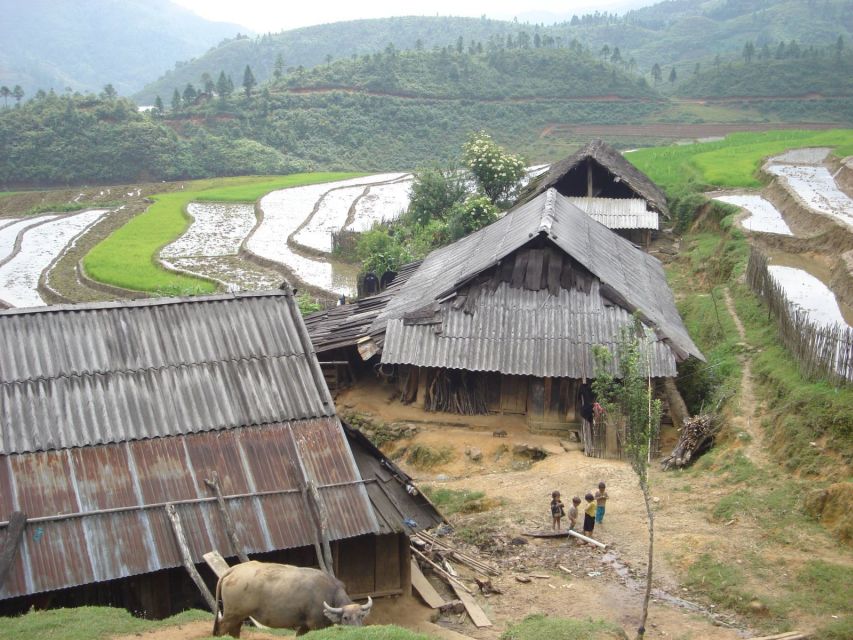
Book it if you want a well-priced, active introduction to Sapa with village walks, a local guide, and a genuine homestay night. The scenery is excellent, and guides such as Jo, Ai, and May can add the local detail that makes the route meaningful.
Skip it if you want private rooms, easy trails, short transfers, or tightly controlled transport. The Hanoi road journey is long, the return may reach Hanoi after 9:00 PM, and the homestay can be very basic.
For the right person, the walking route is the reason to go. Accept the rough edges, pack properly, stay close to the guide, and you get three full days of mountains, terraces, and village life for a sensible price.
FAQ
How long is the Sapa trek?
The main trek is about 9 kilometers. The full three-day program also includes shorter walking sections in Sin Chai, the Muong Hoa Valley, and Giang Ta Chai.
Is the trek suitable for children?
The 9-kilometer trek is not recommended for children. It is also not suitable for people with mobility impairments.
Where does pickup take place in Hanoi?
Pickup is included from accommodation in Hanoi’s Old Quarter. The usual pickup window is around 6:30 to 7:00 in the morning.
How long does the journey from Hanoi to Sapa take?
The limousine journey from Hanoi to Sapa takes about six hours, with two stops planned for snacks and bathroom breaks.
What accommodation is included?
Two nights of accommodation are included, based on the selected option. You stay in a hotel and a local homestay, although the order can change depending on circumstances.
Are homestay facilities like hotel facilities?
No. Homestay facilities are not the same as those in Sapa hotels. Sleeping areas and bathrooms may be shared, and some arrangements are very basic.
What meals are included?
The tour includes two dinners, three lunches, and two breakfasts. Drinks are not included.
What currency should I bring?
Bring cash in Vietnamese dong because the banking system in Sapa does not always function well. US dollars, euros, and Australian dollars are also accepted in Sapa.
Can I cancel the tour?
You can cancel up to 24 hours in advance for a full refund. You can also reserve now and pay later.
More Hikes in Sa Pa
- EXPLORE SAPA: 2D1N TREKKING & HMONG CULTURE WITH DINH
★ 4.9 · 191 reviews - Sa Pa: 6-Hours Muong Hoa Valley Trek with Local Ethnic guide
★ 4.5 · 178 reviews - Sa Pa: 2-Day Trekking Trip with Ethnic Minority Homestay
★ 4.7 · 145 reviews - Half Day Sapa Trekking to Visit Lao Chai – Ta Van
★ 4.7 · 126 reviews
More 3-Day Experiences in Sa Pa
- Amanda Cruise – Ha Long, Lan Ha Bay – All Inclusive 2D1N & 3D2N
★ 5.0 · 4,358 reviews - Halong Bay – Le Journey Cruises – All Inclusive 2D1N and 3D2N
★ 5.0 · 2,500 reviews - Hanoi: 3-Day Ninh Binh, Ha Long, & Lan Ha Bay 5-Star Cruise
★ 4.8 · 1,401 reviews - Mon Chéri Cruises 5 star: Amazing 3 days exploring Halong & Cat Ba island
★ 5.0 · 1,280 reviews
Newly listed around Sa Pa
- 2-Day Fansipan Mountain Trek – Indochina’s Highest Peak★ 4.3 · 42 reviews
- In Sapa: 1 Day Mountain Trek, Visit beautiful villages★ 5.0 · 50 reviews
- Sapa: Private Highlights Day Tour with Lunch★ 4.8 · 61 reviews
- 1-Day Sapa Long Trek – Rice Field Terrace, Ethnic Culture★ 4.9 · 62 reviews
- Sa Pa: Half-Day Cat Cat Village Hike to Meet H’mong People★ 3.7 · 72 reviews
- From Sapa: Terrace Fields and Local Villages Trek with Lunch★ 4.3 · 77 reviews
- From Sapa: Guided Full-Day Trekking with Lunch and Drop-Off★ 4.2 · 86 reviews
- Sapa Trekking Bargains With Local Guide★ 4.9 · 91 reviews
Sapa Trekking Tours, compared.

Sapa 2 Days 1 Night From Hanoi – Overnight in Ta Van Village
Read our review →

Muong Hoa Valley Trek and Local Ethnic Villages
Read our review →
Fansipan Cable, Cat Cat Village & Moana Instagram Tour
Read our review →

Sapa 3 Days 2 Nights Trekking Tour (1 Night In Ta Van Village, 1 Night In Hotel)
Read our review →
Eco Adventure Terrace Fields and Local Villages Trek
Read our review →
3-Day Trekking Adventure of Sapa from Hanoi – Stay Ta Van Village
Read our review →Browse the lists this tour appears in