
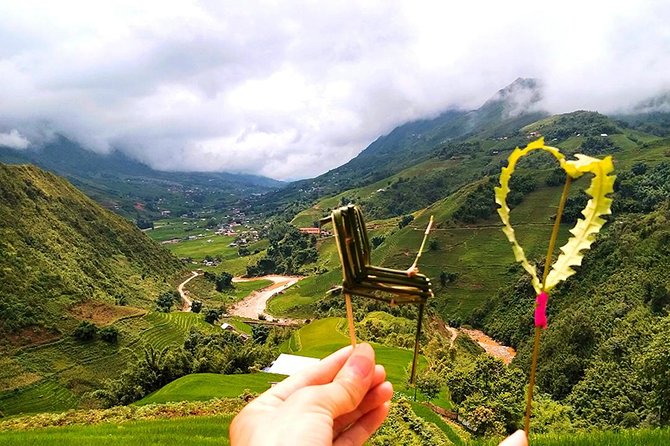
Reviewed · SAPA TREKKING TOURS
Muong Hoa Valley Trek & Homestay Experience – 4D3N
The best part of this four-day trek is the steady change of scenery and culture. You walk from Sapa into the Muong Hoa Valley, pass huge rice terraces, follow the river, and visit Hmong, Giay, and Red Dao villages. This is not a quick viewpoint stop. It is a proper walk through the countryside.
I like the local guide-led format, which gives the villages more meaning than a solo stroll. I also like the chance to learn about Hmong marriage customs, rice farming, house building, and Red Dao traditions while moving between communities. The main consideration is the physical effort: summer heat can reach 31 to 32 degrees in the valley, even when Sapa feels cooler.
Key points
- Five ethnic villages: Visit communities connected with the Hmong, Giay, and Red Dao peoples.
- Muong Hoa’s rice terraces: See some of Vietnam’s largest terrace fields from paths above and within the valley.
- Four days of walking: The route includes waterfalls, mountain views, village roads, and an easy final walk beside the river.
- One homestay night included: Meals and basic village accommodation are part of the package, though the accommodation details should be confirmed.
- Small maximum group: The tour accepts no more than 15 people, which should make guiding and group movement easier.
- Good value at $190: Village fees, guide service, meals, water, homestay accommodation, and transport back to Sapa are included.
Four Days Through Sapa’s Muong Hoa Valley
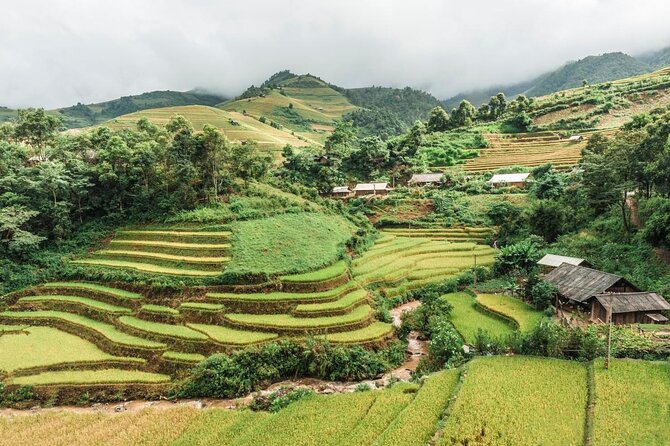
Sapa is famous for its mountain views, but the real pleasure comes from leaving the town behind. The Muong Hoa Valley gives you a long, unfolding walk through fields and villages rather than a single scenic stop. From the first morning, the route connects the views with daily life.
The tour starts at 9 a.m. Your guide meets you at your hotel in Sapa Town or at the town’s main church. The first transfer takes you about 2 kilometers down the road toward Cat Cat, after which the walking portion begins around Y Linh Ho.
You should arrive ready for a full outdoor day, not a casual sightseeing outing. The route is described as requiring moderate physical fitness, and the four-day schedule means you need to be comfortable walking several days in a row. Exact daily distances and walking times are not fully provided, so ask the operator for those details before booking.
More Hiking Tours in Sapa
- Sa Pa: Muong Hoa Valley Trek and Local Ethnic Villages
★ 4.6 · 864 reviews - Sapa: Eco Adventure Terrace Fields and Local Villages Trek
★ 4.9 · 636 reviews - Number one top rated ethical cultural trekking and homestay by ETHOS
★ 5.0 · 456 reviews
Day One: Y Linh Ho to Ta Van
Y Linh Ho gives you an early look at the valley’s rural character. The walk leads through mountain scenery and toward some of the most impressive rice terraces in the area. From higher ground, you can look across the fields toward the Hoang Lien mountains.
The rice terraces are not simply pretty scenery. They show how farming works on steep slopes, where flat land is scarce and water must be managed carefully. Your guide can add value here by explaining the work behind the fields, rather than leaving you to see only a series of photo stops.
The route continues toward Ta Van Village. Ta Van is associated with the Giay people, one of the three main ethnic groups included in the experience. This is a useful first day because the walk and village visits begin together. You are not rushed from one attraction to the next, and the mountain views remain part of the journey.
The first day includes lunch and dinner, according to the meal plan. Village entry fees are also covered. The schedule does not state exactly where you sleep that night, and the inclusion notes list one homestay night for a four-day, three-night trip. That wording is worth checking before you pay, since the tour title promises three nights while the accommodation line specifies only one.
Day Two: Giang Ta Chai and the Red Dao Area
After breakfast, the route heads uphill toward the waterfalls of Giang Ta Chai. This gives the second day a different feel from the first. Instead of focusing mainly on terraces and broad valley views, you move into a wetter, more enclosed mountain setting.
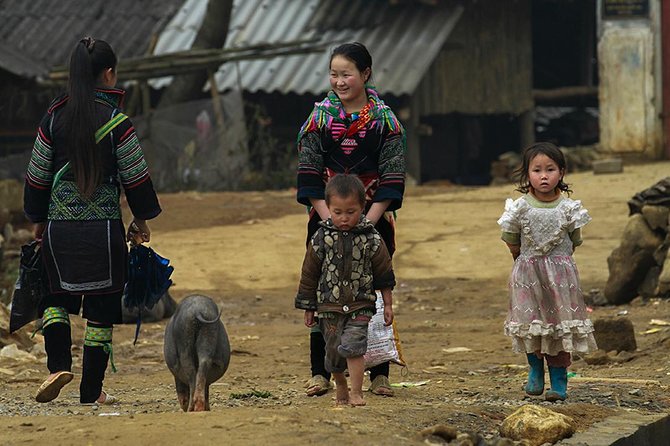
Giang Ta Chai is also where the tour brings you into the Red Dao area. The guide introduces the community’s customs and culture, helping you understand how its traditions differ from those of the Hmong and Giay people visited elsewhere on the route.
This is one of the strongest reasons to choose a local guide. The tour is not only about reaching a waterfall or taking pictures of a village. It is designed to explain marriage traditions, work in the rice fields, and house building techniques. These details give you a better sense of how the communities use the land and organize everyday life.
The uphill section may be demanding, especially in warm weather. A June walk can feel hot in the valley, even when Sapa’s town temperature is around 23 degrees. A useful plan is to carry the included large bottle of water carefully and budget for extra drinks at the homestay, since beer and additional bottled water are not included.
Day Three: Ban Ho and Nam Toong
Day Three centers on Ban Ho Village. After breakfast in Ban Ho, you walk about 3 kilometers to Nam Toong. The shorter stated distance does not necessarily mean an effortless day, since the overall route includes mountain paths and changes in elevation, but this section gives you more time to focus on the communities themselves.
Nam Toong is home to the Red Dao minority. The visit lets you look more closely at a group already introduced at Giang Ta Chai, with the guide providing further context about Red Dao life and customs.
Ban Ho also marks a change in the rhythm of the trip. By this point, you have moved well beyond Sapa’s busy center and spent several days in the valley. That makes the homestay element important. Sleeping in a village can turn the trek from a series of walks into a more connected experience, although you should confirm how many nights are actually included and where each night is spent.
Meals listed for the tour include breakfast and dinner on this day, along with lunch. Dietary requests are not described in the available details, so ask about them before departure if you have food restrictions. Extra drinks at the homestay are paid separately.
A few other Sapa trips to compare
- Sapa: Fansipan Cable, Cat Cat Village & Moana Instagram Tour
★ 5.0 · 777 reviews - Cat Cat Village, Moana, Fansipan Cable Car, Alpine Coaster – Sapa
★ 5.0 · 420 reviews - From Sapa: 1-Day Guided Trek to Lao Chai & Ta Van with Lunch
★ 4.9 · 416 reviews - Sa Pa Full Day Trekking Tour
★ 5.0 · 414 reviews
Day Four: Following the Muong Hoa River Back
The final morning begins with breakfast before the walk from Thanh Phu back to Ban Ho. This uses a different route and follows the Muong Hoa River. It is described as an easy but scenic way to finish, which should be welcome after three days on foot.
A gentler final section is a smart ending. You still get river views and countryside, but the route is not presented as another hard climb. The walk gives you time to take in the valley at a slower pace and finish without a dramatic physical test.
After the walking ends in the villages, transport takes you back to Sapa. This is included, so you do not need to arrange your own return from a remote village. The activity ends back at the starting meeting point near Sapa Church.
What the Cultural Program Really Adds
The cultural side is more specific than a general promise to meet local people. The guide is expected to discuss Hmong marriage traditions, rice-field work, construction methods, and household life. You also visit villages linked with three separate ethnic groups: Hmong, Giay, and Red Dao.
That variety matters because Sapa is often reduced to terraces and mountain photos. The villages give the scenery a human context. You can see that the fields are working farmland, the paths connect active communities, and the houses reflect local building choices.
You should approach these visits with care. This is still a tour through lived-in villages, not a staged cultural show. Follow your guide’s direction about photography and private homes, and remember that buying crafts or drinks is optional. The tour includes village entry fees, but it does not include personal purchases.
The local Hmong connection of Trekking Tour Sapa is another useful feature. The provider describes itself as a small local Hmong group in Sapa. A response from the company is signed by Sinh, though the supplied details do not confirm that Sinh is the guide for every departure. If having a particular guide matters to you, ask who will lead your dates.
Rice Terraces, Heat, and Weather
The scenery is the main visual reward. You will see broad rice terraces, Hoang Lien mountain views, the Muong Hoa Valley, the Muong Hoa River, and the Giang Ta Chai waterfalls. The route changes enough that the four days should not feel like repeated walks through the same view.
Weather deserves serious attention. The experience requires good weather and may be moved or canceled if conditions are poor. Sapa’s wet season can bring rain, muddy paths, and slippery ground, even though one June departure had dry walking conditions.
Summer heat can be more important than the town forecast. Sapa may feel cool, while the valley can reach 31 to 32 degrees. Pack light, breathable clothing, sun protection, and footwear suitable for uneven ground. The included water is helpful, but one large bottle per person is not a full hydration plan for four active days.
Because the route is outdoors and weather-sensitive, keep your schedule flexible. The cancellation terms allow a full refund if you cancel at least 24 hours before the start time. Changes or cancellations inside 24 hours are not refunded, except when the operator cancels because of weather or insufficient numbers.
Is $190 a Fair Price?
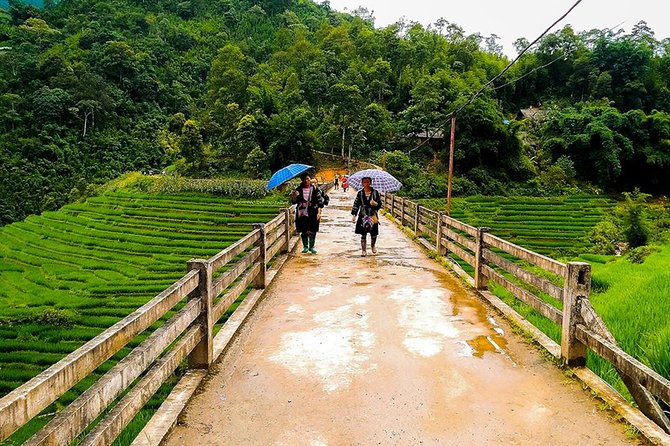
At $190 per person, the tour is reasonably priced if you want a guided, multi-day village trek rather than a short day hike. The package includes:
- A local guide
- Village entry fees
- One large bottle of water per person
- One homestay night as stated in the inclusion details
- Three dinners
- Four lunches
- Three breakfasts
- Transport back to Sapa
Those inclusions cover the main costs that can add up on a four-day route. The guide is especially important because the cultural explanations are a central part of the experience, not an extra add-on.
The accommodation wording is the one weak spot. The title says 4D3N, but the inclusion list says accommodation homestay, one night. It may be a simple wording error, but you should confirm the full sleeping arrangement before booking. Ask how many nights are included, whether all three nights are in homestays, and whether bedding or other basic facilities are provided.
There is a discount for larger groups, though no exact discount amount is given. The maximum group size is 15, so this is not a private trek. A group of that size can feel social and practical, but it may also move more slowly than a small private party.
Who Should Book This Trek?
You should consider this tour if you want several days in the countryside, enjoy walking, and care about meeting communities as much as seeing scenery. It suits people who would rather learn about farming, homes, and customs than spend the whole trip in Sapa town.
It is also a good match if you want the main logistics handled for you. The meeting point is clear, the guide and village fees are included, and transport returns you to Sapa at the end. The 9 a.m. start gives you a manageable morning departure from town.
You may want a different option if you need exact daily mileage, private accommodation, a fixed room standard, or a low-effort holiday. The moderate fitness requirement is real, and the warm valley conditions can make the walking harder than the cool town weather suggests.
The tour has a five-star rating from 42 ratings and a 98 percent recommendation rate. That is a strong record, but it should not replace practical questions about the route, accommodation, weather, and your own fitness.
Booking Details to Check Before You Go
Confirmation is provided at booking, and pickup is offered from hotels in Sapa Town. If you are not staying in town, confirm the pickup arrangement rather than assuming it is included.
The official meeting point is Sapa Church on P. Ham Rong in Sapa. The tour finishes back there after the return transport. It is near public transportation, but the supplied information does not specify a private transfer from outside Sapa.
The tour accepts a maximum of 15 people and requires a minimum number to operate. If the minimum is not met, you are offered another date or experience, or a full refund.
I would also confirm the following before departure:
- The guide’s name and language ability
- The exact walking distance each day
- The number of homestay nights
- The sleeping arrangements
- What happens if rain changes the route
- Whether dietary needs can be accommodated
Should You Book the Muong Hoa Valley Trek?
Book it if you want a four-day Sapa experience built around walking, village life, rice terraces, and local explanation. The combination of Hmong, Giay, and Red Dao communities gives the route more variety than a single-village excursion, and the included meals and return transport make the $190 price sensible.
Before booking, get written confirmation about the accommodation discrepancy and daily distances. If those details suit you, this is a strong choice for an active visit to Sapa, especially if your priority is seeing the Muong Hoa Valley at ground level rather than from one lookout.
FAQ
How long is the Muong Hoa Valley trek?
The experience lasts approximately four days and includes three nights according to the tour title.
What time does the tour start?
The tour starts at 9 a.m.
Where does the tour begin?
The meeting point is Sapa Church on P. Ham Rong in Sapa, Vietnam. Pickup is also offered from hotels in Sapa Town.
Where does the tour finish?
The activity ends back at the meeting point in Sapa after transport returns from the villages.
Which ethnic communities do you visit?
The route visits villages connected with the Hmong, Giay, and Red Dao ethnic minorities.
Which villages are included?
The named stops include Y Linh Ho, Ta Van, Giang Ta Chai, Ban Ho, and Nam Toong.
Is accommodation included?
Homestay accommodation is included, but the inclusion details specify one night while the tour is described as 4D3N. Confirm the exact number of nights before booking.
Are meals included?
Yes. The package lists three dinners, four lunches, and three breakfasts.
Is water included?
One large bottle of water per person is included. Extra drinks, including bottled water or beer at the homestay, cost extra.
What level of fitness is required?
A moderate level of physical fitness is required. The route includes several days of walking, uphill sections, and mountain paths.
What happens if bad weather cancels the tour?
If poor weather causes cancellation, you are offered a different date or a full refund.
Can I cancel for a full refund?
Yes, if you cancel at least 24 hours before the experience start time. Cancellations within 24 hours are not refunded.
More Hikes in Sapa
- Sapa 1 Day Long Trek: Trek to Hau Thao and Sa Seng Villages
★ 4.6 · 344 reviews - EXPLORE SAPA: 2D1N TREKKING & HMONG CULTURE WITH DINH
★ 4.9 · 191 reviews - 1-day Authentik trek & Panorama valley views
★ 5.0 · 189 reviews - 1 day Fansipan Trekking
★ 5.0 · 180 reviews
More 4-Day Experiences in Sapa
- Ha Giang Loop 4 Days 3 Nights Motorbike Tour with easy Rider
★ 5.0 · 972 reviews - Ha Giang Loop Tour 4 Days 3 Nights with Ha Giang Vision Tour
★ 5.0 · 675 reviews - Ha Giang Tour 4 Day-3-Night, English Speaking Guide, Small Group
★ 5.0 · 562 reviews - Ha Giang loop 3 or 4 Days, Small Group Tour (within easy riders)
★ 5.0 · 429 reviews
Newly listed around Sapa
- Half Day Cat Cat Village Tour Guided from Sapa★ 5.0 · 39 reviews
- 1 Day Sapa Authentic Trekking ( off beaten track )★ 5.0 · 40 reviews
- 2-Day Fansipan Mountain Trek – Indochina’s Highest Peak★ 4.3 · 42 reviews
- Cloud Dragon Skywalk and Silver Waterfall Tour From Sapa★ 5.0 · 47 reviews
- Sa Pa: Private Guided Tour on a Motorbike with Lunch★ 4.8 · 47 reviews
- Full Day Sapa Jeep Open Air Jeep Off The Beaten Track★ 5.0 · 47 reviews
- The best view and most authentic tour in Sapa (Non Touristy)★ 5.0 · 47 reviews
- 3-Day Trek in Amazing Muong Hoa Valley & ethnic Homestay★ 5.0 · 49 reviews
Sapa Trekking Tours, compared.

Sapa 2 Days 1 Night From Hanoi – Overnight in Ta Van Village
Read our review →

Muong Hoa Valley Trek and Local Ethnic Villages
Read our review →
Fansipan Cable, Cat Cat Village & Moana Instagram Tour
Read our review →

Sapa 3 Days 2 Nights Trekking Tour (1 Night In Ta Van Village, 1 Night In Hotel)
Read our review →
Eco Adventure Terrace Fields and Local Villages Trek
Read our review →
3-Day Trekking Adventure of Sapa from Hanoi – Stay Ta Van Village
Read our review →Browse the lists this tour appears in