
Reviewed · SAPA TREKKING TOURS
Half-Day Hometrek from Sapa with Hmong Sister House
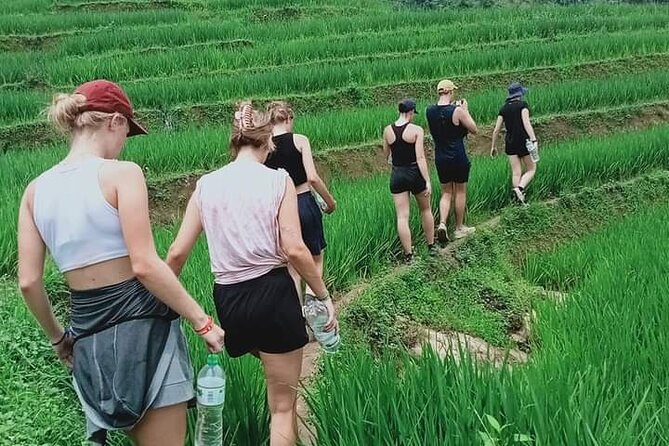
Sapa’s best walking is often away from the town center, and this half-day route takes you from paved streets into rice terraces and Hmong villages. You walk the old path once used by Hmong people heading to Sapa market, with a local English-speaking guide explaining village life along the way.
I like the direct contact with Hmong culture, and I like that pickup can be arranged anywhere in Sapa town. Guides such as Ku bring personal knowledge of local customs, but muddy paths and steep sections can make this harder than the short duration suggests. March can also be a quiet time for the paddies.
Key points
- Old Hmong route: Follow a traditional village path from Sapa toward Y Linh Ho.
- Four village areas: Walk through Y Linh Ho, Lao Chai, Ta Van, and Hau Thao.
- Local guiding: Guides such as Ku and Zizi explain Hmong life from personal experience.
- Flexible pickup: Choose a start time between 6:00 AM and 2:30 PM, with pickup in Sapa town.
- Homestay finish: End at Zizi Mekhoo Sapa Homestay, about 9 kilometers from Sapa.
- Good value: At $25 per person, lunch, bottled water, transport for luggage, and guiding are included.
A Sapa trek that leaves town behind quickly
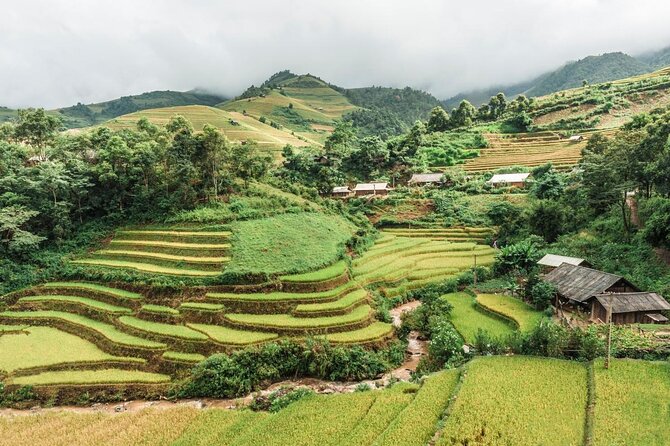
Sapa is easy to enjoy from a café or hotel balcony, but the town itself gives only a partial picture of the area. The real appeal is outside the center, where footpaths connect Hmong communities and rice fields spread across the hills.
This route begins in Sapa and moves through Y Linh Ho, Lao Chai, Ta Van, and Hau Thao. The total experience lasts about four and a half hours, although the timing can shift depending on your start time, walking speed, weather, and the condition of the paths.
The route is shared rather than private, with a maximum of 15 people. That keeps the $25 price low, but it also means you will not have complete control over the pace. If you want a quiet walk with more time for photos, ask about the group size when booking.
Your guide can meet you at a hotel, bus arrival point, or another convenient spot in Sapa town. A driver can take your luggage ahead to the homestay, which is a useful touch if you plan to continue on after the walk or spend the night there.
A few other Sapa trips to compare
- Sa Pa: Muong Hoa Valley Trek and Local Ethnic Villages
★ 4.6 · 864 reviews - Sapa: Fansipan Cable, Cat Cat Village & Moana Instagram Tour
★ 5.0 · 777 reviews - Sapa: Eco Adventure Terrace Fields and Local Villages Trek
★ 4.9 · 636 reviews
From Sapa town to Y Linh Ho
The first part takes you out of Sapa toward Y Linh Ho. The route follows the old walking path used by Hmong people traveling from their villages to the market in Sapa.
That detail gives the walk a human scale. You are not simply following a route designed for sightseeing. You are walking along a path connected to work, trade, and everyday village life.
The first section lasts about an hour. It provides the transition from town streets to quieter countryside, although the exact walking conditions depend on the weather. Sapa’s paths can become slippery after rain, so shoes with a firm grip are a smart choice.
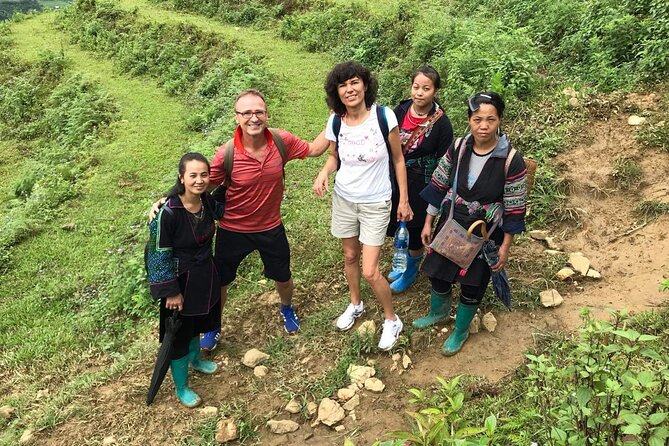
Your guide is an important part of this stage. A local Hmong guide can explain why the route mattered and how village life relates to Sapa. Ku, one guide associated with this experience, is noted for speaking very good English and for describing Hmong culture from personal experience rather than from a guidebook.
That local connection is one of the strongest reasons to choose this walk. You can ask about traditions, family life, farming, and the communities you pass. The quality of the experience will depend partly on the guide assigned to your group, but the focus is clearly on local interpretation.
Rice terraces and the Lao Chai section
Lao Chai is the longest stop, at about an hour and a half. This is where the route gives you its clearest view of the main villages and the rice terraces.
The terraces are the visual heart of the walk. From suitable viewpoints, you can look across the stepped fields and mountain slopes while your guide explains the surrounding communities. The route includes time for photographs at a particularly scenic location.
The view changes with the season. In a wet or growing period, the terraces may show water, crops, or strong green tones. In March, you might find less activity in the fields, as one visitor discovered. That does not make the route pointless, but it can reduce the sense of movement and color that many people expect from Sapa photographs.
This is a good reason to set realistic expectations. The views are central to the experience, but this is not a staged photo stop with guaranteed conditions. Weather, farming cycles, and clouds all shape what you see.
The path may also be muddy. One person on the walk twisted an ankle shortly before starting and needed substantial help from the guide, later leaving early after about three and a half hours. The guide helped arrange a motorbike back. That shows useful kindness and flexibility, but it also underlines the need to judge your fitness honestly.
Most people can take part, according to the activity details, but most people does not mean every path will feel easy. If you have a weak ankle, knee trouble, or little experience on uneven ground, ask about current conditions before setting out.
Ta Van Village and the value of a local guide
The walk continues to Ta Van Village for about an hour. Here, the guide adds more context about village history and Hmong culture.
Ta Van is not just another stop for a quick photograph. It gives the route a chance to slow down and focus on the communities themselves. You can listen to stories about village life and see how the settlements fit within the surrounding hills.
The guide’s role matters most here. A local guide can explain details that are easy to miss when you walk alone. The English level appears strong with guides such as Ku, which makes it easier to ask questions instead of simply following along.
I would choose this experience for the cultural explanation as much as for the scenery. Many Sapa walks offer attractive views, but the difference between a pleasant walk and a useful one is often the person explaining what you see.
Still, keep the group format in mind. With up to 15 people, you may need to share the guide’s attention. A smaller group can make conversation easier, while a larger group may suit you if you prefer a social outing and a lower price.
Same base, a completely different day:
- Number one top rated ethical cultural trekking and homestay by ETHOS
★ 5.0 · 456 reviews - Cat Cat Village, Moana, Fansipan Cable Car, Alpine Coaster – Sapa
★ 5.0 · 420 reviews - From Sapa: 1-Day Guided Trek to Lao Chai & Ta Van with Lunch
★ 4.9 · 416 reviews - Sa Pa Full Day Trekking Tour
★ 5.0 · 414 reviews
Finishing near Hau Thao and the family homestay
The final section takes about 30 minutes and brings you to Hau Thao, where Zizi’s family lives. The route information also gives the end point as Zizi Mekhoo Sapa Homestay in Ban Pho village, about 9 kilometers from Sapa town.
That distance matters. The walk does not return you to central Sapa, so plan the rest of your day around finishing at the homestay. Confirm the final transport arrangement if you are not staying there.
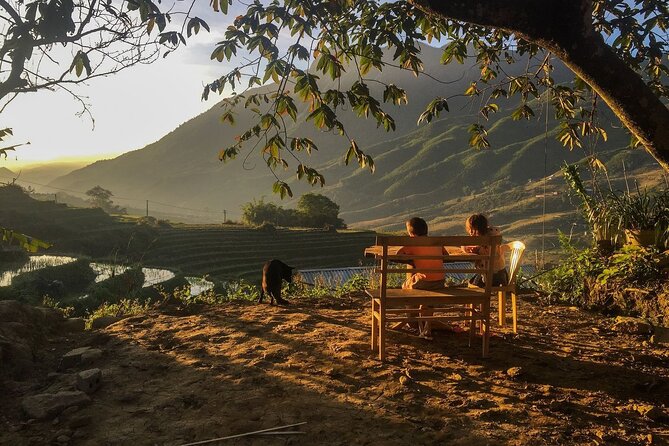
At the end, you can enjoy the view and explore the village. You can also join the family for dinner cooked by Zizi Homestay. Dinner is optional, so you can finish after the walk or extend the visit into a more personal family meal.
The optional dinner is one of the more distinctive parts of the experience. It gives you a chance to spend time at the family home rather than simply passing through a village. The provided price includes lunch, but other drinks and personal expenses are not included, so budget separately for anything beyond the listed inclusions.
The end point can also work well if you want a homestay night after the trek. It is less convenient if you need to return immediately to Sapa for a bus or another fixed appointment.
What $25 gets you
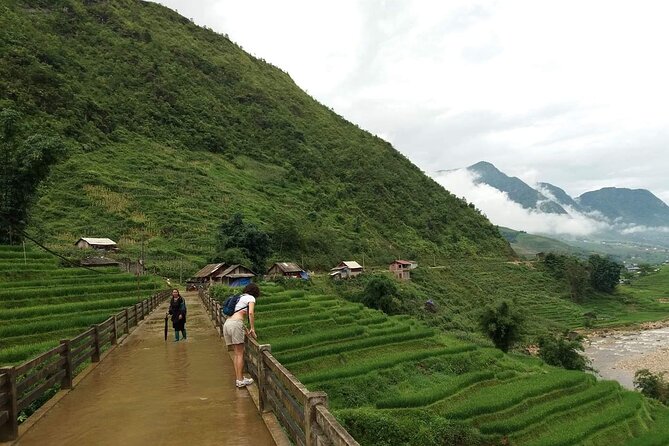
At $25 per person, this is a good-value outing if you want a guided village walk rather than a private, polished tour. The price includes bottled water, lunch, guiding, and pickup arrangements in Sapa town.
It also covers a route through several well-known communities over roughly four and a half hours. Paying separately for transport, a local guide, and a meal could easily take more planning, even if the final cost varies.
The value is strongest for people who care about local contact and a route with some cultural explanation. You are not paying for a luxury vehicle, a private group, or a carefully controlled walking surface. You are paying for access to a local guide, a practical route, and a family connection at the finish.
The shared format keeps costs down. If you book alone, you can still join the group, but you should not expect the guide to adjust every stop to your personal interests. The maximum group size is 15, which is manageable but not intimate.
The experience is often booked around six days ahead. That suggests planning a little early, especially if you want a particular start time or hope to meet a certain guide. The official start window runs from 6:00 AM to 2:30 PM, and the operator says the choice is flexible.
Timing, fitness, and weather
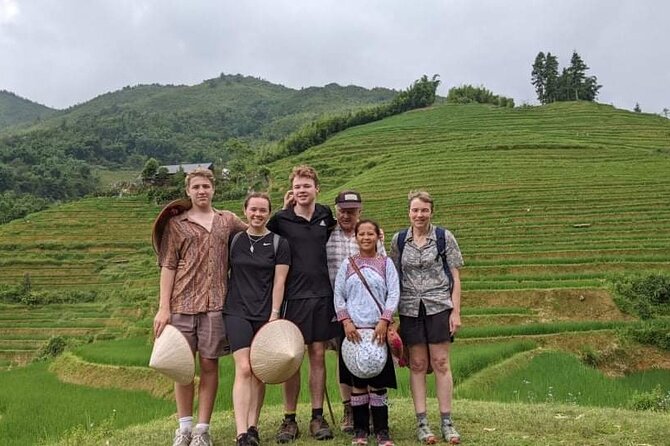
The flexible start time is helpful. An early departure can leave more of the day free, while a later start may suit you after an overnight bus or a slow morning in Sapa.
Do not confuse the half-day label with an easy stroll. You will be walking between villages on paths that may be steep, uneven, or muddy. The four-and-a-half-hour duration includes several stops, but it is still a substantial outing.
Wear shoes suited to wet ground. Bring a light layer because mountain weather can change, and keep your phone or camera protected if rain is possible. Bottled water is included, but you may still want extra water for a warm day.
The experience requires good weather. If conditions force cancellation, you can choose another date or receive a full refund. For your own planning, avoid placing a nonrefundable transport connection immediately after the walk.
Service animals are allowed, and the activity is near public transportation. The available information says most people can participate, but it does not promise a flat or fully accessible route. Ask before booking if you need specific mobility support.
The strongest part: Hmong voices, not just mountain views
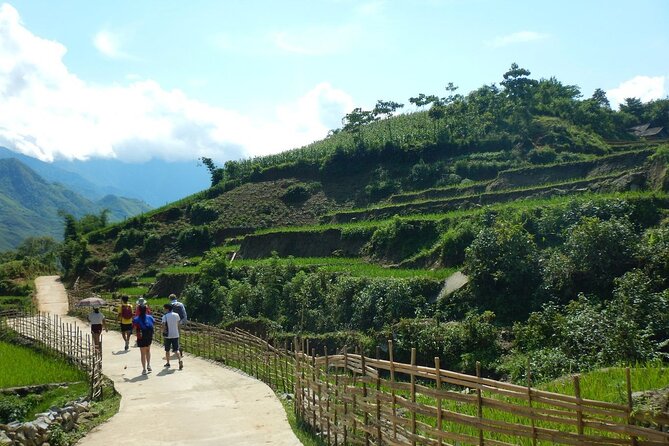
The most praised feature is the guide. Ku receives special mention for clear English and firsthand knowledge of Hmong culture. Other guides are described as kind and helpful, including one who assisted a person with an injured ankle and arranged a motorbike when the walk had to end early.
That practical care matters on a rural route. You want a guide who can explain the place, but you also want someone who pays attention to the group’s safety and comfort.
The views receive equal attention. Walking through the rice terraces and seeing the mountains from different village areas gives you far more variety than a single roadside lookout. You will also get a clearer sense of how the villages relate to one another.
The route is not perfect for every season or every ability. In March, the fields may offer fewer signs of active farming, and wet weather can make the path difficult. These are normal conditions in the region, not flaws that can be removed from a rural walk.
Who should book this Sapa experience?
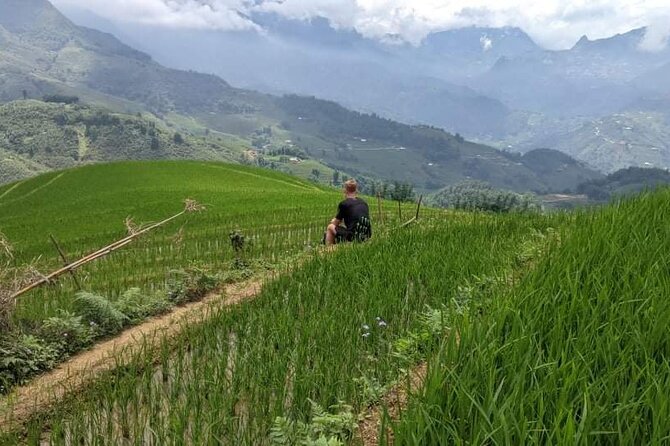
I would recommend it to you if you want:
- A low-cost way to see several Sapa villages
- A local Hmong guide who can discuss culture and daily life
- Rice terrace views and time for photographs
- A flexible pickup from your Sapa hotel or bus arrival point
- The option of lunch and a family dinner
- A finish at a homestay rather than a return to town
I would think twice if you need a private pace, a smooth walking surface, or a guaranteed return to Sapa. The route ends away from town, and the shared group may not suit someone who wants long photo stops or a completely personal schedule.
It is also less ideal if your visit falls during a period when you expect bright green fields but arrive in a quieter agricultural season. The scenery can still be worthwhile, but it may not match the most dramatic images associated with Sapa.
Practical booking advice
Send your exact pickup point when booking. The operator can arrange pickup at a hotel, bus stop, or another place in Sapa town, but clear instructions will save time on the morning of the walk.
Ask where the group will finish on your chosen date. The route description points to Hau Thao, while the stated end address is Zizi Mekhoo Sapa Homestay in Ban Pho village. Both details indicate that you finish outside central Sapa, but confirming the final point is sensible.
If you want to meet a specific guide such as Ku, request that in advance, but do not treat it as guaranteed unless the operator confirms it. Guides can change with schedules and group needs.
Free cancellation is available up to 24 hours before the start time for a full refund. Changes or cancellations inside that window are not accepted for a refund. Those cutoffs use local time.
Should you book it?
Book this walk if you want Sapa beyond its cafés and hotel streets. For $25, you get a local guide, a route through four village areas, rice terrace views, bottled water, lunch, and the option of a family dinner. That is a strong package for an active half-day.
You should be comfortable with uneven ground and an endpoint about 9 kilometers from Sapa. If that suits you, the Hmong Sister House and Trekking experience offers a useful mix of scenery, village life, and personal guiding. If you need easy paths or a private return to town, choose a different outing.
FAQ
How long does the Hmong Sister House trek last?
The experience lasts approximately 4 hours and 30 minutes.
Where does the trek begin?
It begins in Sa Pa, Lao Cai, Vietnam, with pickup available from a hotel, bus arrival point, or another convenient place in Sapa town.
What villages does the route visit?
The route goes through Y Linh Ho, Lao Chai, Ta Van, and Hau Thao.
Where does the tour end?
The stated end point is Zizi Mekhoo Sapa Homestay in Ban Pho village, about 9 kilometers from Sapa town.
Is the tour private?
No. It is a shared group experience with a maximum of 15 people.
What is included in the price?
The $25 price includes bottled water and lunch. Guiding and the pickup arrangement are also part of the experience.
Is dinner included?
No. You may join Zizi’s family for dinner at the homestay, but dinner is optional and other beverages and personal expenses are not included.
What happens if the weather is poor?
The experience requires good weather. If it is canceled because of poor conditions, you can choose another date or receive a full refund.
Newly listed around Sapa
- Half Day Cat Cat Village Tour Guided from Sapa★ 5.0 · 39 reviews
- 1 Day Sapa Authentic Trekking ( off beaten track )★ 5.0 · 40 reviews
- Muong Hoa Valley Trek & Homestay Experience – 4D3N★ 5.0 · 42 reviews
- 2-Day Fansipan Mountain Trek – Indochina’s Highest Peak★ 4.3 · 42 reviews
- Cloud Dragon Skywalk and Silver Waterfall Tour From Sapa★ 5.0 · 47 reviews
- Full Day Sapa Jeep Open Air Jeep Off The Beaten Track★ 5.0 · 47 reviews
- Sa Pa: Private Guided Tour on a Motorbike with Lunch★ 4.8 · 47 reviews
- The best view and most authentic tour in Sapa (Non Touristy)★ 5.0 · 47 reviews
Sapa Trekking Tours, compared.

Sapa 2 Days 1 Night From Hanoi – Overnight in Ta Van Village
Read our review →

Muong Hoa Valley Trek and Local Ethnic Villages
Read our review →
Fansipan Cable, Cat Cat Village & Moana Instagram Tour
Read our review →

Sapa 3 Days 2 Nights Trekking Tour (1 Night In Ta Van Village, 1 Night In Hotel)
Read our review →
Eco Adventure Terrace Fields and Local Villages Trek
Read our review →
3-Day Trekking Adventure of Sapa from Hanoi – Stay Ta Van Village
Read our review →Browse the lists this tour appears in