
Reviewed · SAPA TREKKING TOURS
Half Day Sapa Trekking to Visit Lao Chai – Ta Van
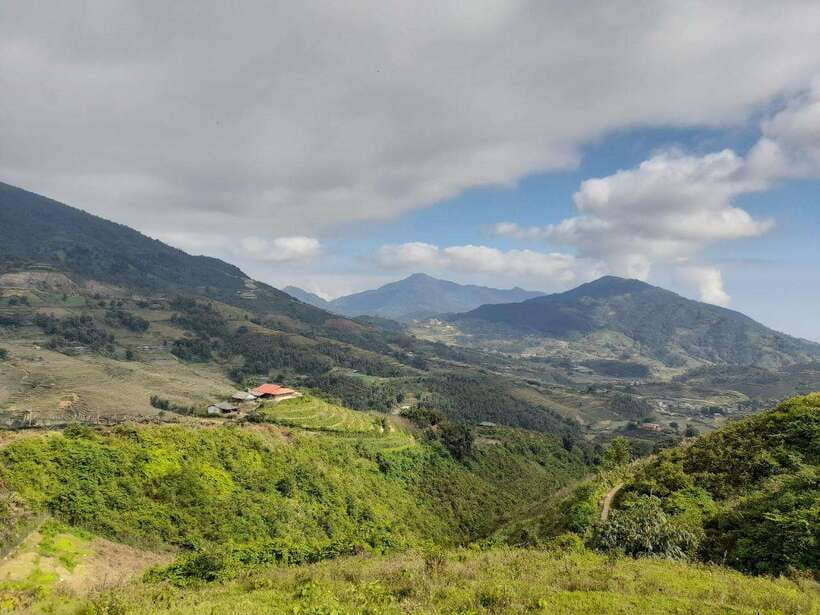
The best part of this Sapa trek is the route itself: you leave town by bus, walk down into the Muong Hoa Valley, and follow rice terraces and the stream through villages rather than spending the morning on a paved sightseeing loop. Y Linh Ho, Lao Chai, and Ta Van give you three different glimpses of life around Sapa, with Hoang Lien Son Mountain scenery filling the gaps between them.
I like the short, useful schedule and the local guiding. You can see a lot in four hours, and guides such as Soso, Song, Sua, Tung, and Tran are praised for explaining farming, village life, and their own communities in clear English. The main drawback is the sales pressure from local women and children who may walk alongside you with handicrafts. Add muddy, steep sections after rain, and this is a real hike, not a gentle village stroll.
Key points to know before booking
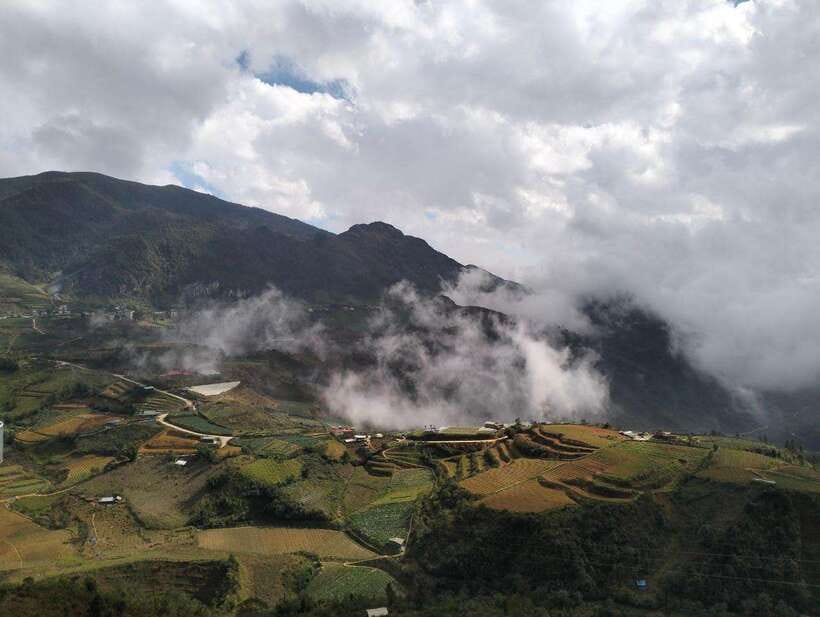
- About 9 km on foot: The walk lasts around four hours and includes uneven, steep, muddy, and slippery sections.
- Three village areas: The route passes through Y Linh Ho, Lao Chai, and Ta Van, home to Black Hmong and Dzay communities.
- Strong local guiding: English and Vietnamese guides explain culture, farming, and village life, with Soso, Song, Sua, Tung, and others receiving especially warm praise.
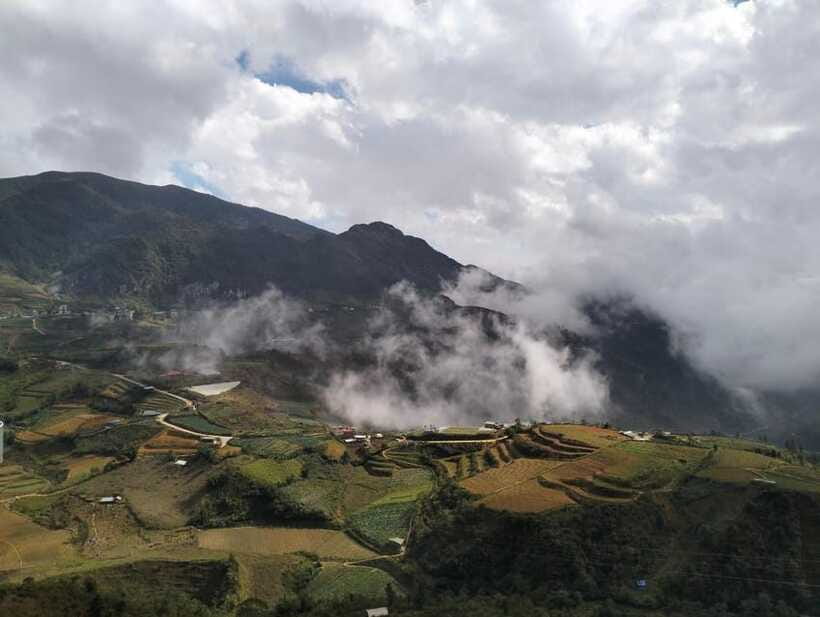
- Mountain and rice terrace views: Clear weather can bring excellent views of the Muong Hoa Valley, stream, terraces, villages, and Hoang Lien Son Mountain.
- Back in Sapa by noon: The bus collects you at Ta Van Bridge, making this a good choice if you have afternoon plans.
- Prepare for changing ground: Hiking shoes, sportswear, sunscreen, a hat, and rain-ready footwear matter more than a camera, though you will want one.
Why this short Sapa trek works so well
Sapa is famous for its mountain scenery, but the town itself can feel busy and built up. This excursion gets you out of town quickly. After a short pickup and transfer, you are walking through the valley, where the views open onto terraces, streams, paths, and small settlements.
The route is long enough to feel like a proper trek without taking your entire day. The stated duration is 270 minutes, with pickup around 8:10 or 8:20 and return to Sapa around noon. That leaves time for lunch, a bus or train connection later in the day, or another activity.
I particularly like the cultural side of the walk. Your guide is not simply pointing at rice fields. Local guides have explained their farming practices, village customs, and personal connections to the area. Sua, for example, has taken visitors through her own fields and explained how she works them. That kind of conversation gives the walk more meaning than a series of photo stops.
You should also read the distance carefully. The pickup notes refer to preparing for a 5 km trek, while the detailed route states about 9 km of walking. I would plan for the longer figure. You may not cover every metre at the same pace, but comfortable footwear and reasonable fitness are essential.
More Hiking Tours in Sapa
- Sa Pa: Muong Hoa Valley Trek and Local Ethnic Villages
★ 4.6 · 864 reviews - Sapa: Eco Adventure Terrace Fields and Local Villages Trek
★ 4.9 · 636 reviews - From Sapa: 1-Day Guided Trek to Lao Chai & Ta Van with Lunch
★ 4.9 · 416 reviews
The 8:10 pickup and the road into the valley
The morning begins with hotel pickup in Sapa. The tour includes an air-conditioned bus, an experienced driver, and the ride from town toward the valley route. You are asked to bring a light pack, which is sensible because a heavy bag becomes unpleasant on uneven paths.
The bus takes you toward Y Linh Ho, where the walking section begins. This transfer is useful because it avoids spending your limited morning simply walking out of Sapa. It also puts you at a lower point in the valley, so the route can focus on rural paths and terraces.
The schedule is fairly tight. Pickup is listed at 8:10 to 8:20, the walk begins around 8:20, and the return bus is planned for 11:30. One late start caused a group to miss part of the full route, so I would be ready in the hotel lobby a few minutes early and keep the morning free of strict commitments.
A modern air-conditioned vehicle is a welcome touch, especially in warmer months. It also makes the tour workable for people who want a proper walk but do not want to spend the whole day on foot.
Y Linh Ho: the first hour among terraces and streams
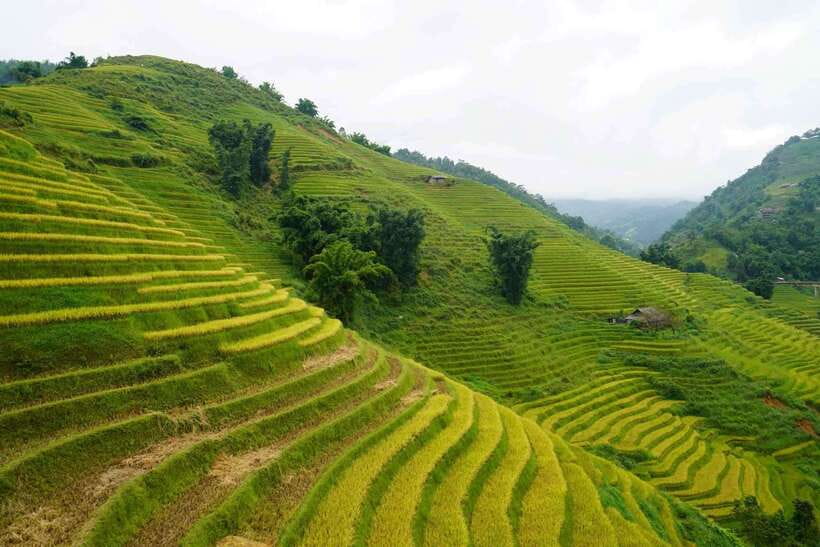
The first walking section reaches Y Linh Ho, a rural area set below Sapa. Here, the route moves through rice terraces and along the Muong Hoa Stream. The setting is one of the main reasons to choose this trip: you are looking across cultivated slopes and valley scenery rather than viewing the mountains only from town.
The guide leads the group for about an hour in this area, with time for photographs and explanations. In clear weather, the valley can look spectacular, with the stream and terraces drawing the eye toward the mountains. Clouds and rain can change the mood quickly, though. Several departures have faced mist, cold, or wet paths, so you should not book this expecting guaranteed long-distance views.
The ground is part of the experience. You may walk on rural roads, village streets, dirt paths, and tracks through farms. Some sections are steep or uneven. After rain, mud and slippery footing can slow the group and make walking poles or a steady hand useful, though poles are not listed among the required items.
This is where a local guide adds real value. A guide such as Soso can explain how village life connects to the fields, while Sua has shown how farming works in her own community. You get a better sense of the valley as a lived-in place, not just a scenic backdrop.
Lao Chai and the Black Hmong communities
From Y Linh Ho, the trek continues toward Lao Chai, associated with the Black Hmong community. The walk takes roughly another hour in the planned schedule, with stops to see the village and take photographs.
The Black Hmong are one of the ethnic minority groups living around Sapa. Your guide can provide context about customs and daily life, and some guides share their own family or village experience. That personal connection is one of the most praised parts of this activity. Guides are repeatedly described as friendly, clear in English, and willing to answer questions rather than rush everyone from one viewpoint to the next.
The scenery around Lao Chai is especially strong when weather cooperates. You may see layered rice terraces, mountain slopes, the stream below, and scattered village homes. In cloudy weather, the views become more enclosed, but the mist can also make the valley feel quieter and more atmospheric.
Do not expect a fully prepared hiking trail. One departure involved winding, wet, muddy tracks through farms, while another described the ground as true mountain terrain rather than a tourist-built path. That is good news if you want a more genuine walk, but it means sandals, smooth-soled trainers, and city shoes are poor choices.
The village section also brings the most awkward part of the tour. Local women may join the walk and offer handmade goods. Some may be helpful on muddy sections, but the interaction can shift into persistent selling. The best approach is to decide in advance how you want to handle purchases, be polite, and avoid promising to buy something later if you do not intend to do so.
A few other Sa Pa trips to compare
- Sapa 1 Day Long Trek: Trek to Hau Thao and Sa Seng Villages
★ 4.6 · 344 reviews - Sapa: Fansipan Cable, Cat Cat Village, Moana Instagram Tour
★ 4.8 · 294 reviews - From Sapa: 3-Day Ha Giang Loop with Safe Rider (max 8 pax)
★ 4.9 · 285 reviews - Explore Sapa by TrekkingAdventures, Mountain,Rice fields
★ 4.9 · 229 reviews
Ta Van and the Dzay village finish
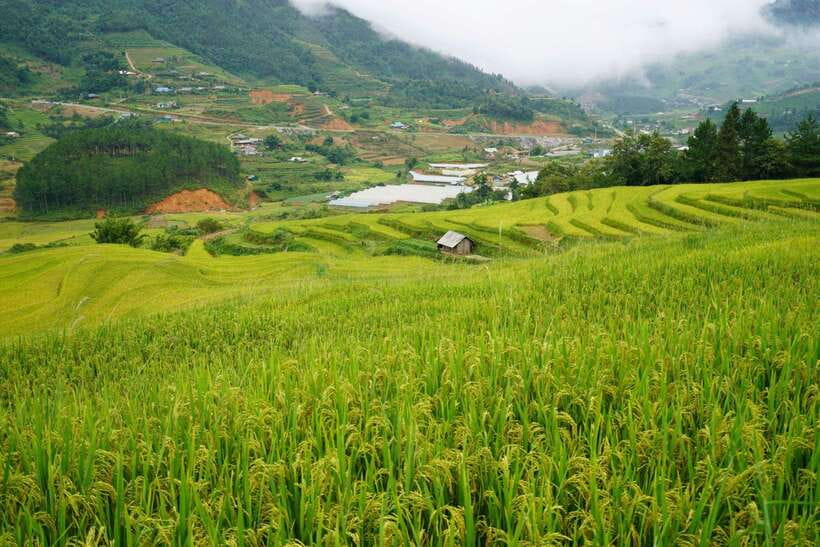
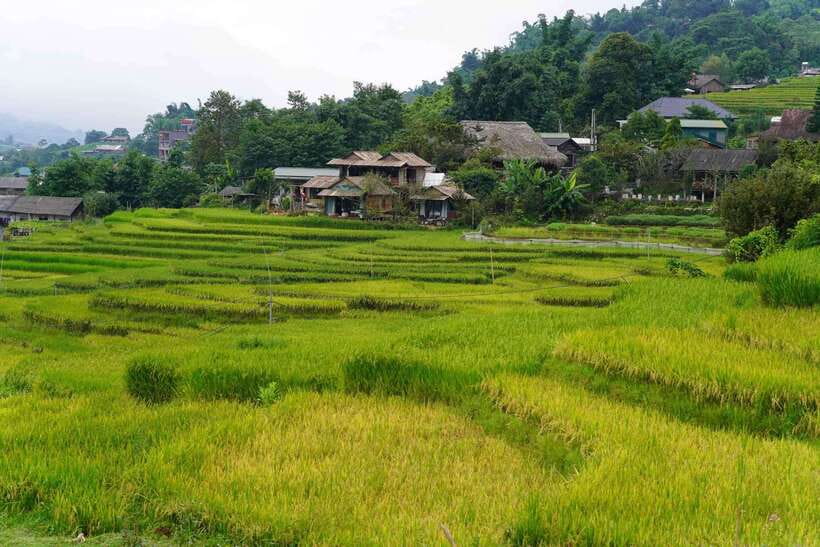
The route then continues to Ta Van, home to the Dzay ethnic people. This is the longest scheduled stop, at about an hour and a half including a break, photographs, a visit, and guiding.
Ta Van gives the trek a useful change of focus. Instead of only passing fields and terraces, you spend time in a village connected with another local ethnic group. The guide can point out differences in customs and daily life between communities. That comparison is one reason this route is more rewarding than a simple viewpoint transfer.
This is also a good place to slow down. Four hours on mountain paths can feel demanding, especially in heat or rain. The Ta Van break gives you time to drink, take photographs, and let the group gather before heading to the bus pickup.
Food is not listed as included, so do not assume lunch is part of the $22 price. One account mentions a delicious lunch, but the stated inclusions cover transport, guiding, and entrance tickets, not meals. Bring water and any snack you need. Beverages and personal expenses are specifically excluded.
The final walking stretch ends at Ta Van Bridge, where the bus collects the group at about 11:30. The ride back to Sapa takes around 45 minutes, with arrival scheduled for noon. In practice, muddy ground, weather, and group pace can affect the timing.
What the $22 price really buys you
At $22 per person, this is good value if you want transport, a local English-speaking guide, and access to the marked village route without arranging everything yourself. The price includes the air-conditioned bus from Sapa to the walking start, the return transfer from Ta Van, an experienced driver, the guide, and entrance tickets to the listed sites.
The transport matters more than it may first appear. A private taxi or improvised transfer would add cost and planning, while this setup lets you spend the morning on the walk. The guide is also important because the cultural details are not always obvious from the path alone.
The price does not cover drinks, insurance, VAT, or personal purchases. The biggest extra cost is likely to be anything you buy in the villages. You do not need to purchase handicrafts to take part, but persistent offers can be part of the experience.
Free cancellation up to 24 hours before departure and the option to reserve without paying immediately make this easier to fit into a changeable Sapa schedule. Still, weather deserves attention. Rain can turn the route muddy, and cold or heavy cloud can reduce the views. The operator has offered a partial refund in at least one case where a participant could not join because of cold rain, but you should check the current booking terms rather than rely on that example.
Guides, group pace, and the human side of the walk
The guide can make or break this experience. The most warmly praised guides include Soso, Song, Sua, Tung, Ku, and Tran. Their strengths are not identical, but the repeated pattern is clear: local background, good English, humor, patience, and a willingness to explain daily life.
Several guides have helped people on muddy or slippery sections. That can be useful, but it does not turn the trek into an easy walk. You still need balance, stamina, and suitable clothing.
Group size can affect your comfort. One small group of four stayed together at a steady pace and reached quieter paths with fewer people around. A larger group may move more slowly or split according to fitness. If you know you walk much slower than average, a private or smaller tour may suit you better, though that option is not specified as part of this activity.
The social side is mixed. You may meet village women who accompany the group and offer souvenirs. Some people appreciate the chance to buy local crafts, while others find the repeated sales uncomfortable. I would treat this as a practical feature of the route, not a surprise, and carry only the amount of cash you are comfortable spending.
Weather, clothing, and trail difficulty
The season changes the character of the trek. Summer heat can make the route tiring even when the distance feels manageable. Rain can produce deep mud and slippery paths. Winter or wet-season cloud can hide the mountain views and make the morning feel cold.
Wear hiking shoes with reliable grip. Rubber boots may be useful in very wet conditions, though the activity specifically recommends hiking shoes or sports shoes. Hiking pants, sportswear, sunscreen, sunglasses, and a sun hat cover the basic needs. A small first aid kit is also listed, and a light waterproof layer would be sensible for changing mountain weather.
Bring a camera, but keep it protected. The route offers regular photo opportunities at terraces, villages, the stream, and mountain viewpoints. A waterproof bag or phone pouch is a practical addition if rain is in the forecast.
This is not suitable for wheelchair users. It is also a poor match for anyone who wants flat paths, polished walkways, or a purely scenic bus tour. The terrain is uneven, and some parts are steep, muddy, and slippery.
Who should book this half-day route
I would choose this trek if you have only one night or about 24 hours in Sapa and want to see more than the town. It gives you mountain views, rice fields, village visits, and cultural context before lunch.
It also suits families with active older children or adults who can manage a 9 km walk. One family of five found the distance and timing a good fit, returning in time for lunch. Heat, slippery ground, and individual fitness still matter, so do not judge the difficulty by the words half day.
This is a good choice for people who prefer quieter paths and direct contact with village communities. One particularly positive aspect is that the route does not focus on more touristy towns. You spend more time in rural surroundings and less time in built-up areas.
I would skip it if you dislike uneven ground, have limited mobility, or need a guaranteed timetable. I would also consider a shorter or private option if your fitness is uncertain. The published route is manageable for many people, but it is not effortless.
Should you book the Lao Chai and Ta Van trek?
Book it if you want the best use of a short morning in Sapa. For $22, the combination of local guiding, return transport, entrance tickets, rice terraces, and three village areas is strong value.
Go with realistic expectations. You may get clear skies and sweeping views, or you may get cloud and mud. You may enjoy meeting local sellers, or you may find the sales pressure distracting. Either way, wear proper shoes, bring water, prepare for about 9 km, and keep your afternoon flexible.
For an active visitor who wants scenery and a closer look at Hmong and Dzay village life, I would book this tour. It offers a useful taste of the Sapa valley without consuming the whole day.
FAQ
How long does the Sapa trek last?
The activity lasts 270 minutes, or about four and a half hours including transport. Pickup is scheduled around 8:10 to 8:20, the walk begins around 8:20, and arrival back in Sapa is planned for about noon.
How far is the walking route?
The detailed route describes about 9 km of trekking, lasting around four hours. One pickup note refers to preparing for a 5 km trek, so you should plan for the longer distance.
Which villages does the tour visit?
The route includes Y Linh Ho, Lao Chai, and Ta Van. Lao Chai is associated with the Black Hmong, while Ta Van is home to Dzay ethnic people.
Is the tour suitable for wheelchair users?
No. The activity is not suitable for wheelchair users because the route includes uneven mountain paths and can be muddy, steep, and slippery.
What should I bring?
Bring sunglasses, a sun hat, a camera, sunscreen, hiking or sports shoes, sportswear, hiking pants, and a first aid kit. Water and a light pack are also sensible for the walk.
What is included in the $22 price?
The price includes the air-conditioned bus from Sapa to Y Linh Ho and back from Ta Van, an English-speaking local guide, and entrance tickets to the indicated sites. Beverages, travel insurance, VAT, personal expenses, and items not clearly listed are excluded.
More Hikes in Sa Pa
- EXPLORE SAPA: 2D1N TREKKING & HMONG CULTURE WITH DINH
★ 4.9 · 191 reviews - Sa Pa: 6-Hours Muong Hoa Valley Trek with Local Ethnic guide
★ 4.5 · 178 reviews - Sa Pa: 2-Day Trekking Trip with Ethnic Minority Homestay
★ 4.7 · 145 reviews - Sapa Trekking Bargains With Local Guide
★ 4.9 · 91 reviews
Newly listed around Sa Pa
- 2-Day Fansipan Mountain Trek – Indochina’s Highest Peak★ 4.3 · 42 reviews
- In Sapa: 1 Day Mountain Trek, Visit beautiful villages★ 5.0 · 50 reviews
- From Hanoi: Sapa 3-Day Medium Trek and Limousine Trip★ 4.5 · 59 reviews
- Sapa: Private Highlights Day Tour with Lunch★ 4.8 · 61 reviews
- 1-Day Sapa Long Trek – Rice Field Terrace, Ethnic Culture★ 4.9 · 62 reviews
- Sa Pa: Half-Day Cat Cat Village Hike to Meet H’mong People★ 3.7 · 72 reviews
- From Sapa: Terrace Fields and Local Villages Trek with Lunch★ 4.3 · 77 reviews
- From Sapa: Guided Full-Day Trekking with Lunch and Drop-Off★ 4.2 · 86 reviews
Sapa Trekking Tours, compared.

Sapa 2 Days 1 Night From Hanoi – Overnight in Ta Van Village
Read our review →

Muong Hoa Valley Trek and Local Ethnic Villages
Read our review →
Fansipan Cable, Cat Cat Village & Moana Instagram Tour
Read our review →

Sapa 3 Days 2 Nights Trekking Tour (1 Night In Ta Van Village, 1 Night In Hotel)
Read our review →
Eco Adventure Terrace Fields and Local Villages Trek
Read our review →
3-Day Trekking Adventure of Sapa from Hanoi – Stay Ta Van Village
Read our review →Browse the lists this tour appears in