
Reviewed · SAPA TREKKING TOURS
Explore Sapa by TrekkingAdventures, Mountain,Rice fields
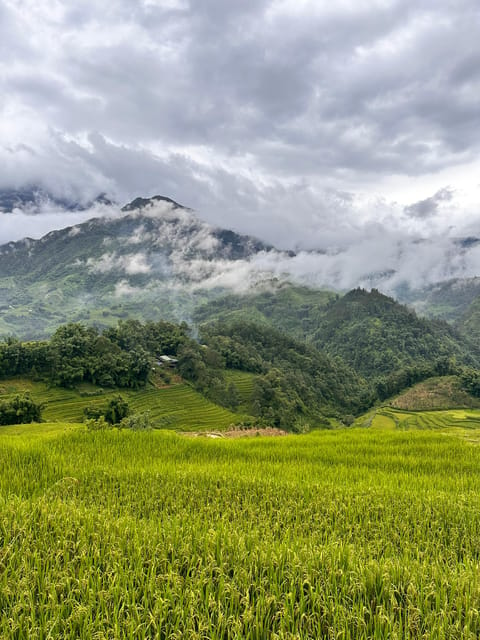
Sapa’s best stories are found below town, where steep paths lead through rice terraces and Hmong villages rather than souvenir shops. This five-hour trek follows local guides from Sapa to Y Linh Ho, Lao Chai, and Ta Van, with time for village visits, lunch, and honest conversation about mountain life.
I like two things especially: you can choose between an easier and harder route, and your guide is a local Hmong woman who can explain family life, farming, customs, and village differences from personal experience. The trip also puts money into work for Hmong women and helps support schooling for local children.
The main catch is the footing. This is not a flat countryside stroll. Mud, steep descents, narrow paths, stream crossings, and slippery rocks can make the walk demanding, especially in the wet season. Winter fog can also hide the rice terraces, so the views depend heavily on the weather.
Key points to know before booking
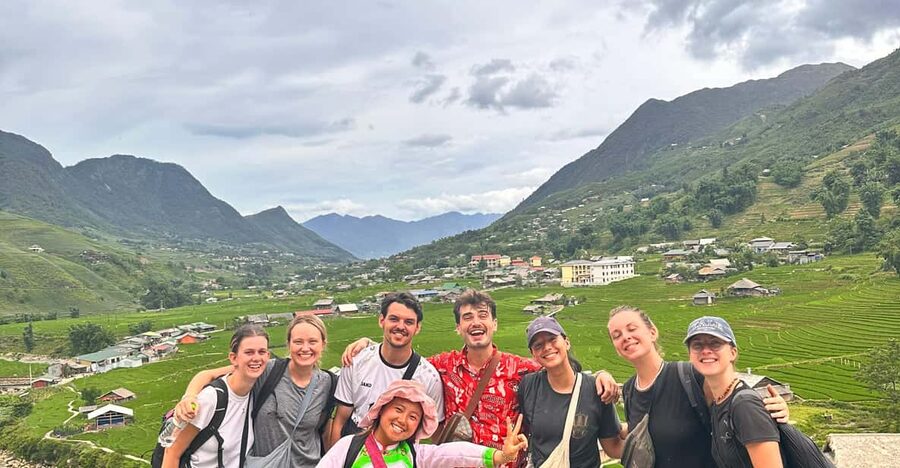
- Three villages on one mountain route: Walk from Sapa through Y Linh Ho and Lao Chai before reaching Ta Van, home of the Dzay people.
- Choose your effort level: Select an easy road walk, a harder trail of about 10 kilometers, or a route that starts hard and finishes easier.
- Local women lead the way: Guides such as Sun, Dinh, Khu, and Chuchu share their own stories and explain Hmong culture in clear English.
- Lunch is included: Eat at a local restaurant in Lao Chai, with vegetarian and vegan choices available.
- Rain does not automatically cancel the walk: Boots and trekking sticks are available, though wet trails can still be slippery.
- Excellent value at $23: The fee covers the guide, lunch, water, entry fees, and transport back to Sapa.
Why this trek gets you beyond Sapa town
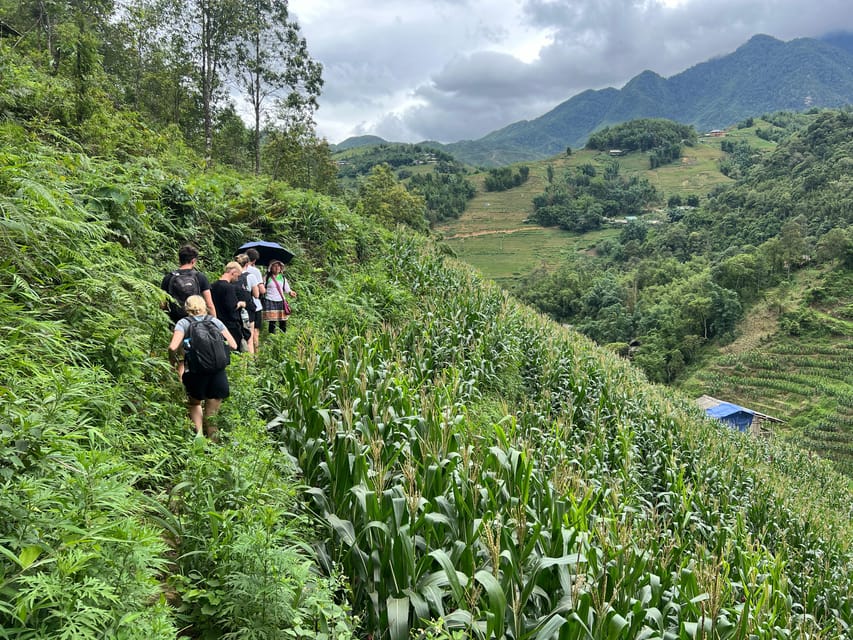
Sapa town is easy to reach, but it can feel busy, commercial, and far removed from the mountain communities that give the area its character. This tour takes you downhill into the valleys, where rice fields, farm animals, small paths, and village homes become the main sights.
You are not simply looking at terraces from a roadside viewpoint. You walk among them, crossing routes used by local people and seeing buffalo, pigs, and chickens along the way. The setting changes with the season. During planting and harvesting, you may see farmers working in the fields. At other times, the terraces provide broad views across the valley.
The cultural side is just as important as the scenery. Your guide can explain the differences between the Black Hmong and Dzay communities, describe daily routines, and talk about traditions that are difficult to understand from a quick photo stop. The guides also share their own family stories, which gives the walk a human scale.
This is especially valuable because the tour is led by local Hmong women. The company is run by three sisters who grew up in a mountain village without electricity and without access to school. Their description of early arranged marriage and limited work for women is difficult, but it explains why direct income matters here. Booking gives local women paid work as guides and helps the family support children going to school.
A few other Sa Pa trips to compare
- Sa Pa: Muong Hoa Valley Trek and Local Ethnic Villages
★ 4.6 · 864 reviews - Sapa: Eco Adventure Terrace Fields and Local Villages Trek
★ 4.9 · 636 reviews - From Sapa: 1-Day Guided Trek to Lao Chai & Ta Van with Lunch
★ 4.9 · 416 reviews
Starting at Sapa church and heading down to Y Linh Ho
The usual meeting point is your hotel in Sapa Town or the area in front of the old main church. The standard start is 9:00 AM, though another time can be arranged in advance.
The church area can be chaotic in the morning, especially when several groups gather at once. One guide, Ninh, was described as organizing a group of about 20 people into smaller teams before setting off. Give yourself a little time to find the meeting point and identify your guide.
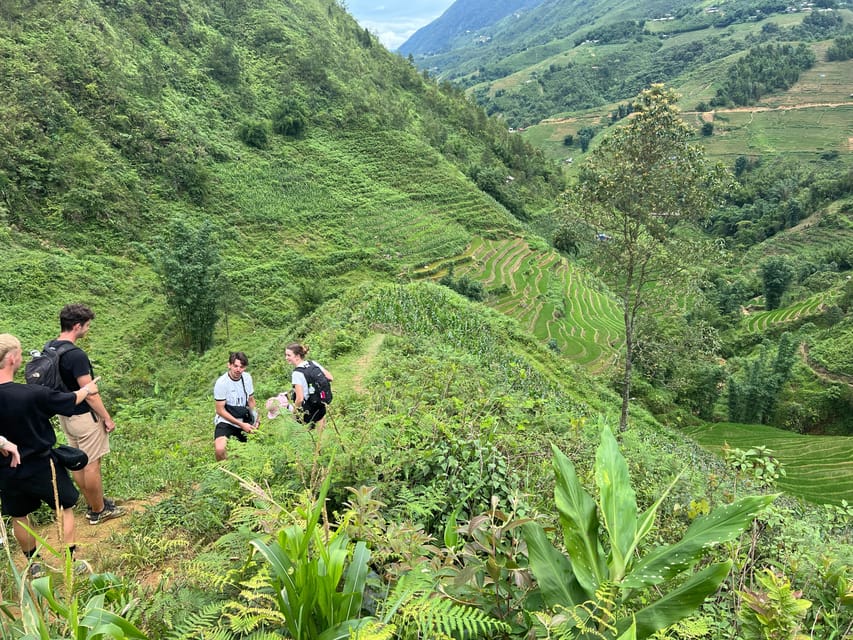
The first section drops from Sapa toward Y Linh Ho, a Black Hmong village surrounded by steep terraces and mountain valleys. This downhill beginning offers quick access to rural scenery, but it also means your knees and balance get tested early. You are often walking down rather than climbing up, yet steep downhill paths can be harder than they look.
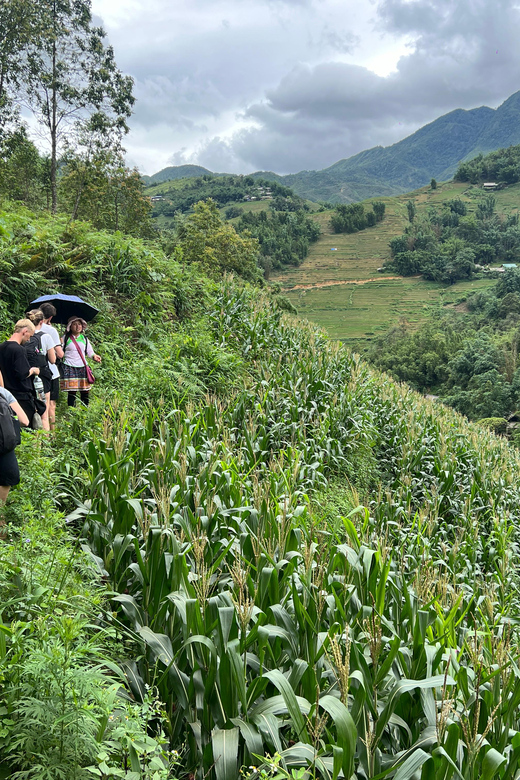
On dry days, the trail is manageable for anyone used to walking. On wet days, mud changes the character of the route. Several people found the footing tricky, with slippery sections, stones, narrow paths, and occasional stream crossings. Guides and local helpers may lend a hand in difficult spots, but you still need shoes with a firm grip and enough mobility to step over uneven ground.
The guides set a relaxed rhythm, with breaks commonly taken every hour or so. You have time for photographs and short pauses, though one person found the latter part repetitive and felt that some breaks lasted too long. If you prefer a brisk pace, say so politely at the start.
Y Linh Ho and the first rice terrace views
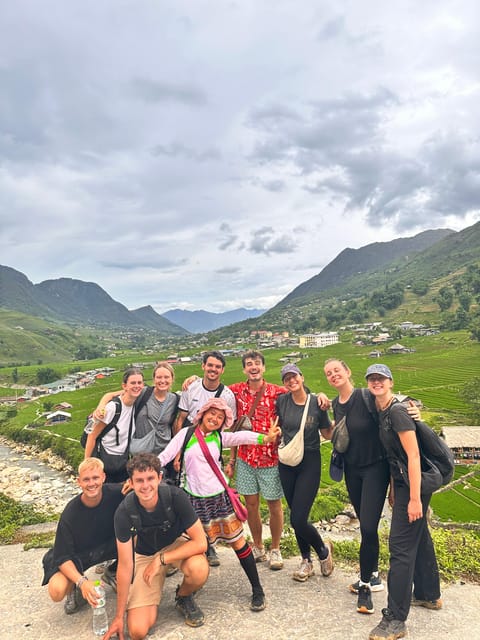
Y Linh Ho is one of the most rewarding parts of the route because it feels less like a formal attraction and more like a working community. The paths pass through farmland and homes, with animals and everyday activity providing much of the interest.
The terraces are the star here. Their appearance changes greatly across the year. Green fields can be striking during the growing season, while planting and harvest periods bring more visible farm work. In winter, mist and cloud may cover much of the valley. Several clear days produced sweeping views, but heavy fog in February hid nearly everything for one person.
That weather warning matters in Sapa. A cloudy day can still provide a worthwhile walk and a close look at village life, but you should not assume that the famous panoramic views will appear. Rain can make the walk more difficult, and fog can reduce the visual reward. Pack for conditions rather than for the forecast in Hanoi.
Local Hmong women may accompany the group for part of this section. They can help people across slippery ground and may offer handmade goods for sale. The sales approach can feel persistent. You are free to decline, and the guide can remind you that buying is optional, but it is wise to expect some shopping pressure as part of the route.
Lao Chai, lunch, and a closer look at Hmong life
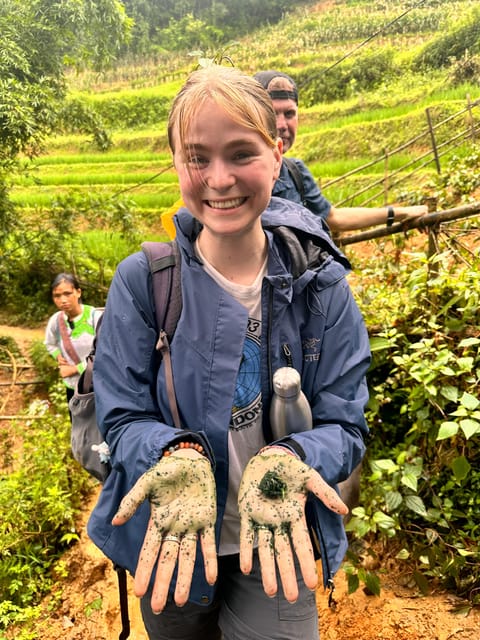
The route continues to Lao Chai, described as one of the oldest and largest Hmong communities in the area. This is the main pause point and usually the place for lunch.
Lunch is included in the $23 price and is served at a local restaurant, sometimes with views toward the fields or valley. The food is plentiful, and vegetarian and vegan meals have been provided. Drinks beyond the included water cost extra, so bring cash if you want beer, soft drinks, or more bottled water.
A shared meal helps the day feel less rushed. You sit down after several hours on foot, eat local food, and have more time to ask your guide questions. It is not a fine-dining stop, and the precise menu can vary, but the generous portions make it practical after a muddy mountain walk.
In Lao Chai, you may also visit a traditional Black Hmong house. This gives the cultural discussion a real setting. Instead of hearing only general explanations, you can ask about household routines, family life, clothing, farming, and the way homes are used.
One particularly useful subject is indigo dyeing, which one guide demonstrated while explaining local traditions. The tour is strongest when you ask questions. Guides such as Sun have been praised for clear English, humor, and an ability to explain how village life works without turning the walk into a lecture.
Same base, a completely different day:
- Sapa 1 Day Long Trek: Trek to Hau Thao and Sa Seng Villages
★ 4.6 · 344 reviews - Sapa: Fansipan Cable, Cat Cat Village, Moana Instagram Tour
★ 4.8 · 294 reviews - From Sapa: 3-Day Ha Giang Loop with Safe Rider (max 8 pax)
★ 4.9 · 285 reviews - EXPLORE SAPA: 2D1N TREKKING & HMONG CULTURE WITH DINH
★ 4.9 · 191 reviews
Walking from Lao Chai to Ta Van
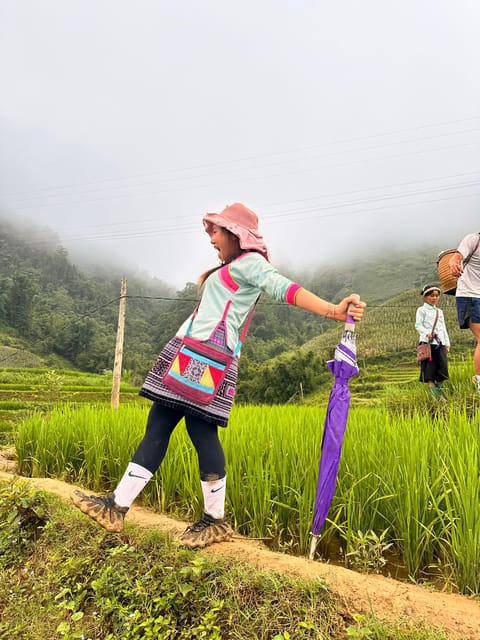
After lunch, the route continues toward Ta Van Village. This section shifts the focus from the Black Hmong community to the Dzay people, allowing you to compare local customs and ways of life.
Ta Van is also the end point for the walking portion. The trail may be easier toward the finish, depending on which option you choose. The advertised distance ranges from 5 to 11 kilometers, while some outings have taken around 12 kilometers and six hours once breaks, lunch, and stops are counted.
That makes the five-hour duration a useful guide rather than a strict stopwatch promise. The day generally ends around 3:00 PM, followed by a private car or van back to Sapa Town. The drive returns you to the church area in roughly 30 minutes according to one detailed account.
If you have a train, bus, or other fixed connection, leave a sensible buffer. The walk can run longer than five hours, especially with a large group, wet paths, regular stops, and a substantial lunch.
Picking the right route for your legs
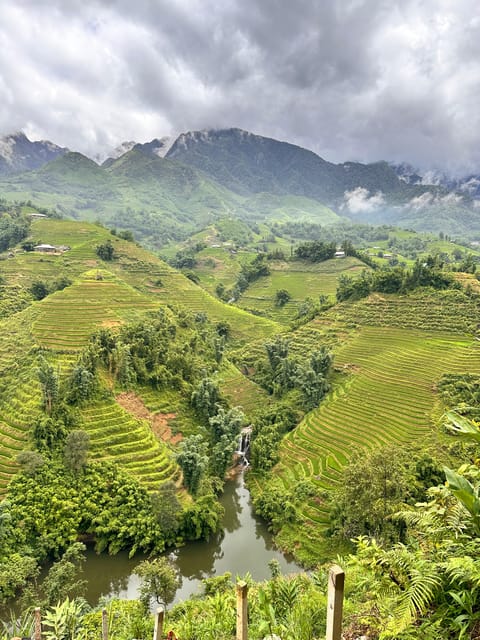
The route options are one of the best practical features of this experience. You can choose an easy option, a hard option, or a hard route that becomes easier later. The easier version uses more road walking. The harder version takes rougher paths through fields, with more mud, rocks, and uneven ground.
Do not confuse easy with accessible. Even the lighter option involves walking in a mountainous area. Full leg mobility is needed for the more rugged sections, and the tour is not suitable for people over 95 according to the activity details.
You do not need to be a serious hiker. One participant described being overweight and unfit but managing the walk without trouble. Still, you should be comfortable walking for several hours and balancing on uneven ground.
Wear comfortable shoes with good traction and clothes that can handle dirt. Bring a raincoat, sun protection, insect repellent, and cash. Sunglasses, a hat, sunscreen, and a camera are also useful. In wet conditions, the supplied boots can protect your regular shoes, while trekking sticks help with balance.
What your guide adds to the day
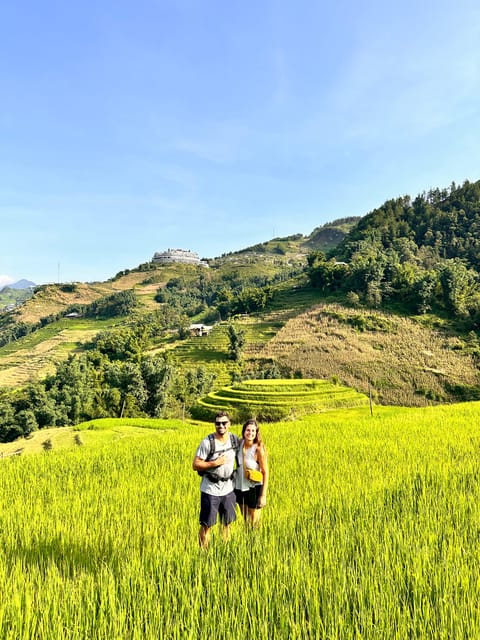
The guide is the heart of this tour. Names vary by departure, but Sun appears frequently in the guide team, along with Dinh, Khu, Chuchu, Ko, Ze, Mam, Sue, and Mama Mai. You cannot assume which person will lead your group, but the company’s local women guides share the same basic strength: they know the paths and speak from direct experience.
Sun has been singled out for her excellent English, jokes, energy, and clear explanations. Dinh is also described as lively and generous with stories. Other guides have been praised for stopping often, checking footing, answering questions, and making sure nobody is left behind.
That personal contact changes the feel of the trip. You can ask why villages differ, how farming works, what children do, or how traditions are changing. The best conversations happen while walking beside your guide rather than waiting for a formal talk.
The guides also pay attention to safety. On slippery sections, they slow the group and give instructions. Local women may assist across the more difficult stretches. This help is welcome, but do not treat it as a replacement for sensible footwear and careful steps.
How authentic is the cultural contact?
The experience offers genuine contact with local communities, but it is still a paid walking tour. You are entering villages along a well-used visitor route, and handmade goods are part of that route.
Some local women may walk alongside the group and later encourage you to buy crafts. This can feel uncomfortable if you want a completely pressure-free experience. The guide can explain that purchases are optional, but you should decide your own budget before setting out.
I would not let this issue cancel the whole outing. Buying something directly from a local craft seller can be meaningful if you truly want the item. Just do not feel obliged because someone helped you on the trail. A friendly thank you is enough when you prefer not to buy.
The tour’s more valuable cultural exchange comes from the guide herself. Her stories about family, marriage, schooling, work, and village customs offer context that a quick market visit cannot provide. Approach the day with respectful curiosity, and you will get more from it than a series of photographs.
Is $23 good value?
At $23 per person, this is strong value. The fee includes an English-speaking local guide, lunch, water, village entry fees, and transport back to Sapa. A private car return alone adds useful convenience after several hours on foot.
The group format keeps the cost low. Group size can vary, and one outing had around 20 people divided into smaller groups. A private tour is available for an additional fee if you want more control over pace, route, and conversation.
The price also has a social benefit. The company is a family project that creates paid guiding work for Hmong women and contributes to children’s schooling. That does not guarantee a perfect outing, but it gives your spending a clearer local purpose than a generic town excursion.
You can cancel up to 24 hours ahead for a full refund, and reserve now while paying later. The company asks for bookings at least two or three hours in advance, although a last-minute booking was arranged successfully in one case. I would still book earlier if your schedule is tight.
Who should book this Sapa trek?
I would choose this for you if you want mountain scenery paired with real conversation. It suits independent-minded visitors who are happy to walk on muddy paths, eat a simple local lunch, and ask questions about culture rather than simply collect viewpoints.
It is also a good first trek in Sapa because the distance and difficulty can be adjusted. Families with very young children should contact the company first. Children under three can join free, but the activity still involves uneven mountain paths and should be considered carefully.
You might choose another activity if you have limited mobility, dislike steep descents, or need guaranteed clear views. Winter fog is a real possibility, and rainy weather can turn an easy path into a slippery one.
The overall rating is 4.9 from 229 reviews, with especially strong praise for the local women guides, good humor, clear English, beautiful rice fields, generous lunch, and fair price. The weaker points are the mud, fog, occasional repetition, and craft selling. Those are manageable if you know about them beforehand.
Should you book it?
Book this trek if you want to see Sapa through its villages and valleys rather than from town streets. The combination of three communities, flexible route choices, a local Hmong guide, lunch, and return transport is hard to beat for $23.
Choose a clear-weather period if the terraces are your main goal, but accept that Sapa weather is unpredictable. Bring shoes or boots you can trust, keep some cash for drinks or crafts, and allow extra time after 3:00 PM.
For the best experience, request the harder route only if you are comfortable with mud and uneven ground. If you prefer a gentler day, take the easier road option and focus on the guide’s stories, the houses, the animals, and the changing valley views.
FAQ
How long is the Sapa trekking tour?
The stated duration is five hours, usually starting at 9:00 AM and ending around 3:00 PM in Ta Van before the drive back to Sapa. Some outings have lasted closer to six hours when breaks, lunch, and trail conditions are included.
Which villages does the trek visit?
The route goes from Sapa to Y Linh Ho, then Lao Chai, and finally Ta Van. Y Linh Ho and Lao Chai are associated with the Black Hmong community, while Ta Van is home to the Dzay people.
How far do you walk?
You can choose a route of about 5 to 11 kilometers. The harder option is around 10 kilometers, though some groups have walked about 12 kilometers depending on the route and stops.
Is lunch included?
Yes. Lunch at a local restaurant in Lao Chai is included. Vegetarian and vegan options have been available, and extra drinks such as beer or bottled water are not included.
What happens if it rains?
The company provides boots and trekking sticks in rainy conditions. You should still bring a raincoat and expect muddy, slippery paths.
Is this a private or group tour?
It is normally a group tour with other people. A private tour can be arranged for an additional fee.
What languages does the guide speak?
Guides speak English and Vietnamese. The activity information lists live guiding in both languages.
Newly listed around Sa Pa
- 2-Day Fansipan Mountain Trek – Indochina’s Highest Peak★ 4.3 · 42 reviews
- In Sapa: 1 Day Mountain Trek, Visit beautiful villages★ 5.0 · 50 reviews
- From Hanoi: Sapa 3-Day Medium Trek and Limousine Trip★ 4.5 · 59 reviews
- Sapa: Private Highlights Day Tour with Lunch★ 4.8 · 61 reviews
- 1-Day Sapa Long Trek – Rice Field Terrace, Ethnic Culture★ 4.9 · 62 reviews
- Sa Pa: Half-Day Cat Cat Village Hike to Meet H’mong People★ 3.7 · 72 reviews
- From Sapa: Terrace Fields and Local Villages Trek with Lunch★ 4.3 · 77 reviews
- From Sapa: Guided Full-Day Trekking with Lunch and Drop-Off★ 4.2 · 86 reviews
Sapa Trekking Tours, compared.

Sapa 2 Days 1 Night From Hanoi – Overnight in Ta Van Village
Read our review →

Muong Hoa Valley Trek and Local Ethnic Villages
Read our review →
Fansipan Cable, Cat Cat Village & Moana Instagram Tour
Read our review →

Sapa 3 Days 2 Nights Trekking Tour (1 Night In Ta Van Village, 1 Night In Hotel)
Read our review →
Eco Adventure Terrace Fields and Local Villages Trek
Read our review →
3-Day Trekking Adventure of Sapa from Hanoi – Stay Ta Van Village
Read our review →Browse the lists this tour appears in