
Reviewed · SAPA TREKKING TOURS
From Sapa: 1-Day Guided Trek to Lao Chai & Ta Van with Lunch
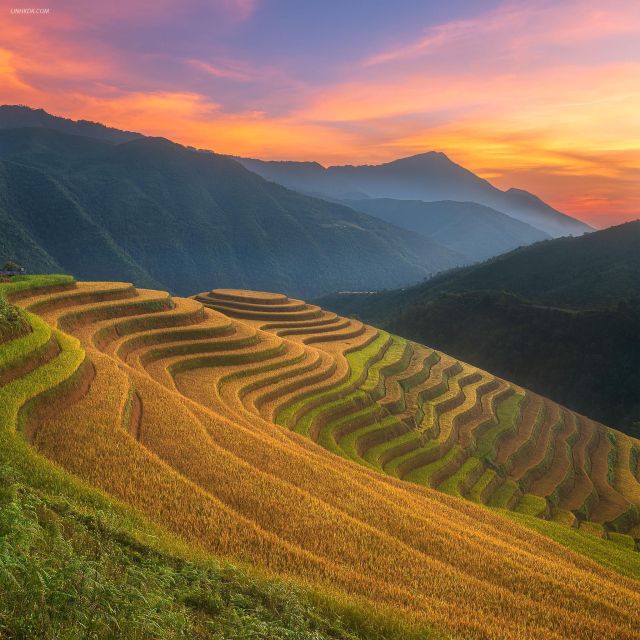
Sapa’s best scenery is not found from a hotel balcony. It unfolds on foot, along the Muong Hoa and Y Linh Ho stream, where rice terraces drop toward villages and the Hoang Lien Son mountains rise beyond. This trek takes you from Sapa to Lao Chai and Ta Van with a local guide, lunch, and a bus ride back.
I like the small groups of up to 12, which make it easier to ask questions and keep a steady pace. I also like the local detail: guides such as Giang, Toan, Li, and Giao explain Hmong life from personal experience, while the incense-making stop in Ta Van adds something more meaningful than a simple photo stop.
The catch is the 12-kilometer route. Some sections are steep, slippery, muddy, or off the usual tourist path, especially after rain. You need proper walking shoes, a decent fitness level, and a willingness to get your footwear dirty.
Key points at a glance
- 12 kilometers through mountain villages: Walk from Sapa toward Lao Chai and Ta Van beside the Muong Hoa and Y Linh Ho stream.
- A personal look at Hmong life: Learn about the Black Hmong people, their work, customs, and daily routines from local guides.
- Generous local lunch: Stop in Lao Chai for a filling traditional meal, with vegetarian choices available.
- A real country walk: Expect rice terraces, bamboo trails, streams, steep paths, and wide views toward Hoang Lien Son.
- Ta Van incense-making: See how local herbs are used to make traditional incense in the Zay village.
- Good value at $34: The fee covers pickup in central Sapa, a guide, entrance tickets, lunch, water, and return transport.
Why this Sapa trek feels different
Many Sapa excursions are built around viewpoints and quick village visits. This one gives you several hours on foot, so the countryside changes gradually in front of you. You move from town streets to narrow paths, terraces, streams, village homes, and mountain trails.
That pace matters. You have time to notice how the rice fields are shaped into the hills, how water runs through the valley, and how daily life continues beside the walking route. The guide is not just there to point out a view. Guides including Giang, Toan, Li, and Giao have explained tribal customs, local geography, food, farming, and village life in clear English.
The group limit is 12, though some departures may be smaller. Several people have had groups of four or fewer, which makes conversation easier and gives the guide more room to adjust the route. The experience also offers live guidance in English, Vietnamese, or French, with an English or Vietnamese audio guide listed as an additional option.
More Hiking Tours in Sapa
- Sa Pa: Muong Hoa Valley Trek and Local Ethnic Villages
★ 4.6 · 864 reviews - Sapa: Eco Adventure Terrace Fields and Local Villages Trek
★ 4.9 · 636 reviews - Sapa 1 Day Long Trek: Trek to Hau Thao and Sa Seng Villages
★ 4.6 · 344 reviews
The 9:00 AM pickup and start from Sapa
Pickup takes place in the center of Sapa, with instructions to wait in your hotel lobby from 9:00 to 9:30 AM. Keep your morning free during that window, since the exact departure time can vary.
You do not need to carry large luggage. Bring only what you need for the walk: water, rain protection, a camera, warm layers, and a small day bag. Sapa weather can shift quickly, and the advice to bring both warm clothing and rain gear is sensible.
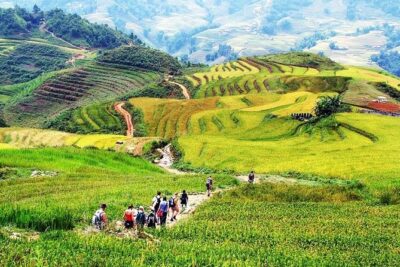
The first part of the day leads away from Sapa toward the valley. You will walk through rice terraces and along the Muong Hoa and Y Linh Ho stream on the way to Lao Chai. The route is not a flat paved stroll. It includes ups and downs, uneven ground, and sections that can become slick.
A few guides have made simple bamboo walking sticks when the trail was muddy. Local women sometimes help with footing on difficult sections, but you should not depend on that. Hiking shoes with good grip are the safer choice. Some people have rented Wellington boots when conditions were especially wet.
Walking beside the stream toward Lao Chai

The stream is one of the pleasant features of the route. Rather than walking from one attraction to another by road, you follow water through the valley and watch the terraces rise around you. The sound and movement of the stream also give the walk a natural rhythm.
The views are strongest when the weather cooperates. On clear days, the mountains and rice fields can look enormous, with the Hoang Lien Son range forming a dramatic backdrop. On misty days, the mood changes. You may see less of the distance, but the nearby terraces and village paths still give you plenty to notice.
Rain changes the experience in a practical way. Several sections have been described as slippery after wet weather, and the route can become tiring when mud slows every step. If rain is forecast, pack waterproof clothing and expect a more demanding walk. Biodegradable sunscreen and insect repellent are also recommended.
The route is sometimes adjusted to use quieter paths. That can mean a more peaceful walk and better contact with the countryside, but it can also mean rougher ground. Ask your guide about the easier or steeper route at the start. Guides have been willing to set a leisurely pace and stop for photos.
Lao Chai and the Black Hmong way of life
Lao Chai is home to the Black Hmong community, and this is where the cultural side of the day becomes more focused. Instead of treating the village as a backdrop, your guide explains how people live, work, and maintain traditions in the valley.
The strongest part of the visit is the chance to connect ordinary details with the wider setting. The terraces are not simply attractive fields. They reflect years of farming on steep slopes, careful use of water, and the practical demands of mountain life.
Your guide can add context that you would likely miss alone. Giang, for example, has explained Black Hmong traditions from her own background, while Toan has shared local stories and details from his hometown. Li has also been praised for guiding people along less-used paths and explaining the different communities living in the valley.
You should also prepare for a commercial side to the village visit. Local sellers may offer textiles, crafts, and other goods along the road and trail. Some sellers can be persistent, including walking beside you for a long stretch after you decline. Be polite but firm, and do not feel obliged to buy simply because someone has accompanied you.
This is an important part of the experience to understand before booking. The contact can feel friendly and personal, but the selling may become tiring during a long walk. If you want a quieter route, tell your guide early and ask for help handling repeated approaches.
A few other Sa Pa trips to compare
- Sapa: Fansipan Cable, Cat Cat Village, Moana Instagram Tour
★ 4.8 · 294 reviews - From Sapa: 3-Day Ha Giang Loop with Safe Rider (max 8 pax)
★ 4.9 · 285 reviews - Explore Sapa by TrekkingAdventures, Mountain,Rice fields
★ 4.9 · 229 reviews - EXPLORE SAPA: 2D1N TREKKING & HMONG CULTURE WITH DINH
★ 4.9 · 191 reviews
Lunch in Lao Chai, simple and welcome

Lunch comes at a useful point in the day. By the time you reach Lao Chai, you will have already walked through the first section of the valley, so a proper meal is more than a pleasant extra.
The meal is described as a traditional lunch served at a villager’s home, while some people have experienced it at a local restaurant. Either way, expect local food rather than a quick packaged snack. Portions are generally generous, and vegetarian choices are available.
The included meal adds real value to the $34 price. You are not paying only for a guide and a view. Entrance tickets, a small bottle of mineral water, lunch, pickup in central Sapa, and transport back to town are included. Other drinks are not included, so carry extra cash if you want soft drinks, coffee, or additional water along the way.
The menu is not specified in advance, so do not book this expecting a particular dish. The useful point is that the meal is filling, local, and timed to support the second half of the walk.
From Lao Chai to Ta Van by mountain paths
After lunch, the route continues toward Ta Van, home to the Zay people. This section keeps the walking focus but shifts the cultural emphasis from the Black Hmong community to Zay traditions.
You may pass more terraces, bamboo trails, streams, village homes, and steep mountain paths. The walk is long enough to feel like a real day outdoors, but it is not presented as a technical mountain climb. The main challenge is the surface: mud, slippery slopes, uneven paths, and repeated climbs.
Some people find the trek manageable but tiring. Others describe it as adventurous, especially after rain or when the guide chooses a less-touristed route. Your guide’s pacing makes a difference. Giang has been especially good at stopping for photos and adapting to the group, while other guides such as Toan and Giao have kept the day lively with conversation and local explanations.
This is not the right choice if you want a gentle village outing with very little walking. It is better for you if a full day outside, with some effort and changing terrain, sounds like the point of the trip.
Ta Van and the herbal incense demonstration
Ta Van gives the day a useful final focus. Here you learn more about Zay culture and see how incense is made from local herbs.
This demonstration is small, but it helps connect the countryside to local traditions. You are not only looking at terraces and houses. You see how plants from the area can be used in a familiar household and cultural practice.
The stop also gives you a chance to ask questions through the guide. Because the languages, customs, and histories of the Hmong and Zay communities differ, having a local interpreter makes the visit more useful. The tour does not treat all highland communities as one group.
After Ta Van, you board a bus back to Sapa. That return transport is welcome after several hours on foot. The day is listed as a one-day activity, while the walking section is described as about 5.1 hours. In practice, allow most of the day because of pickup, stops, lunch, the demonstration, and the return journey.
What the $34 price really covers
At $34 per person, this is a strong-value day if you want transport, a guide, food, and access arranged in one booking. Paying separately for a local guide, village entrance fees, lunch, and a return ride could be less convenient, even if the headline price looked lower.
The small group is another reason the price works. A group of four can feel almost private, while the maximum of 12 is still manageable on a narrow trail. The guide can answer questions and keep an eye on people during tricky sections.
The weaknesses are limited but worth noting. Drinks other than the included small mineral water cost extra. Insurance is not included. The route can also feel more commercial near village sellers, and bad weather may turn a scenic hike into a muddy test of balance.
Free cancellation up to 24 hours before departure and reserve-now, pay-later booking make it easier to fit into a changing Sapa schedule. Still, check the available start time before booking, since the activity does not promise a single fixed departure time beyond the morning pickup window.
Who should book this trek
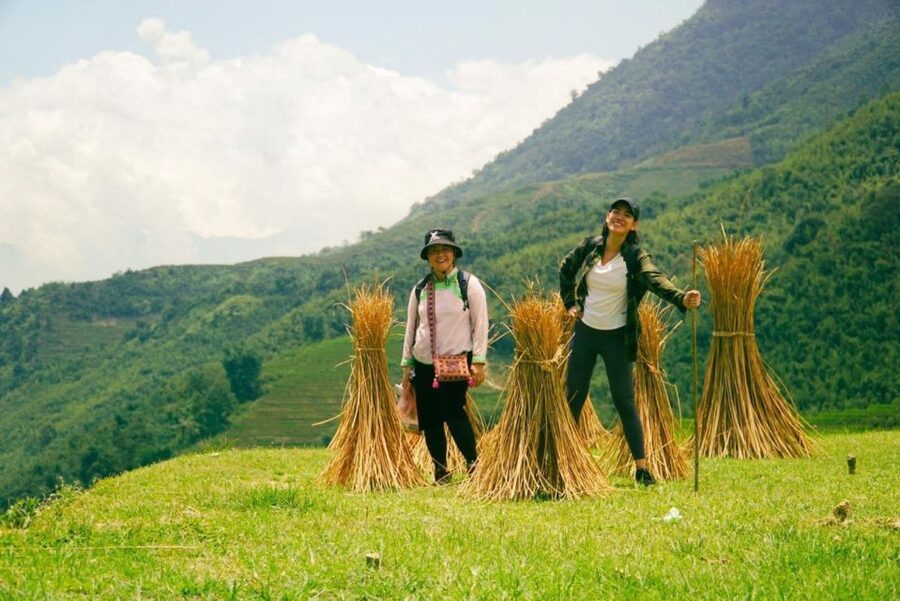
I would choose this for you if you want Sapa’s terraces and villages as a connected walking experience rather than a sequence of roadside stops. It suits reasonably fit adults who can manage 12 kilometers and are comfortable with hills and uneven paths.
It is especially useful for first-time visitors who want cultural explanation without arranging several separate visits. The guides speak English, Vietnamese, or French, and the strongest part of the day is the personal explanation of Hmong and Zay life.
You should think twice if you have limited mobility, dislike mud, or want a very easy outing. The activity is not suitable for wheelchair users or people over 70, and the moderate-high fitness requirement is genuine. Even fit walkers may find the route hard after rain.
Pack hiking shoes, warm clothing, sunglasses, biodegradable sunscreen, insect repellent, a camera, and rain gear. Do not bring large luggage. A small backpack is enough.
Should you book the Lao Chai and Ta Van trek?
Yes, if you want a well-priced, active day with strong local guidance and more than a quick photo stop. The best features are the small-group format, the generous lunch, the mountain scenery, and guides such as Giang, Toan, and Li, who bring personal knowledge of village life to the walk.
Book it with realistic expectations. This is not a polished, easy path through tidy attractions. It is a muddy, sometimes steep village trek with persistent sellers in places and weather that can change the feel of the day. If you bring proper shoes and accept that rough edges are part of the setting, this is one of the better ways to spend a day around Sapa.
FAQ
How long is the trek?
The route covers about 7.5 miles, or 12 kilometers. The walking portion is listed at about 5.1 hours, though the full activity takes most of the day because it includes pickup, lunch, village visits, and the bus ride back to Sapa.
Where does pickup take place?
Pickup is included from hotels in Sapa town center. You should wait in your hotel lobby between 9:00 AM and 9:30 AM for the guide.
Which villages does the trek visit?
The route visits Lao Chai, home to the Black Hmong people, and Ta Van, home to the Zay people.
Is lunch included?
Yes. Lunch in Lao Chai is included, along with a small bottle of mineral water. Other drinks are not included.
What languages are available?
The live guide service is available in English, Vietnamese, and French. An audio guide is listed in English and Vietnamese.
How large is the group?
The activity is described as a small-group trek limited to 12 participants. Some departures may have fewer people.
Is the hike difficult?
It requires a moderate-high level of fitness. The 12-kilometer route includes hills, uneven trails, and potentially slippery or muddy ground.
What should I wear?
Wear hiking shoes and bring warm clothing and rain gear. Sunglasses, biodegradable sunscreen, biodegradable insect repellent, and a camera are also recommended.
Can I bring large luggage?
No. You should not bring large luggage. Take only a small bag with the items needed for the walk.
Is the activity suitable for wheelchair users or people over 70?
No. The activity is not suitable for wheelchair users or people over 70 years old.
More Hikes in Sa Pa
- Sa Pa: 6-Hours Muong Hoa Valley Trek with Local Ethnic guide
★ 4.5 · 178 reviews - Sa Pa: 2-Day Trekking Trip with Ethnic Minority Homestay
★ 4.7 · 145 reviews - Half Day Sapa Trekking to Visit Lao Chai – Ta Van
★ 4.7 · 126 reviews - Sapa Trekking Bargains With Local Guide
★ 4.9 · 91 reviews
More 1-Day Tours in Sa Pa
- Sapa: Motorbike Tour 1 Day Visit Waterfalls & Local Villages
★ 5.0 · 112 reviews - 1-Day Sapa Long Trek – Rice Field Terrace, Ethnic Culture
★ 4.9 · 62 reviews - In Sapa: 1 Day Mountain Trek, Visit beautiful villages
★ 5.0 · 50 reviews - Hanoi/Ninh Binh: 1-Day Tam Coc/Trang An, Hoa Lu & Mua Caves
★ 4.6 · 3,706 reviews
Newly listed around Sa Pa
- 2-Day Fansipan Mountain Trek – Indochina’s Highest Peak★ 4.3 · 42 reviews
- In Sapa: 1 Day Mountain Trek, Visit beautiful villages★ 5.0 · 50 reviews
- From Hanoi: Sapa 3-Day Medium Trek and Limousine Trip★ 4.5 · 59 reviews
- Sapa: Private Highlights Day Tour with Lunch★ 4.8 · 61 reviews
- 1-Day Sapa Long Trek – Rice Field Terrace, Ethnic Culture★ 4.9 · 62 reviews
- Sa Pa: Half-Day Cat Cat Village Hike to Meet H’mong People★ 3.7 · 72 reviews
- From Sapa: Terrace Fields and Local Villages Trek with Lunch★ 4.3 · 77 reviews
- From Sapa: Guided Full-Day Trekking with Lunch and Drop-Off★ 4.2 · 86 reviews
Sapa Trekking Tours, compared.
Sapa 2 Days 1 Night From Hanoi – Overnight in Ta Van Village
Read our review →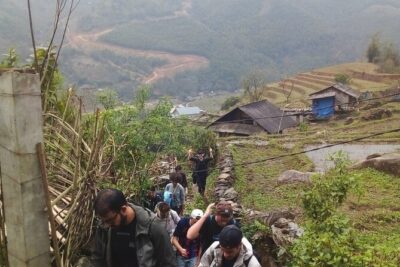

Muong Hoa Valley Trek and Local Ethnic Villages
Read our review →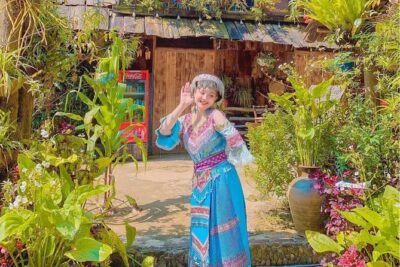
Fansipan Cable, Cat Cat Village & Moana Instagram Tour
Read our review →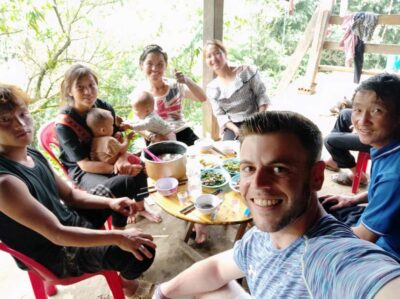
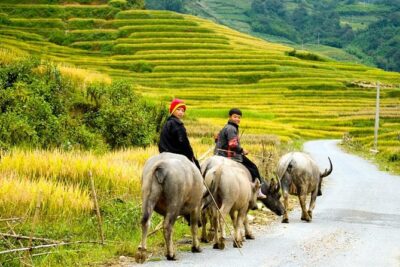
Sapa 3 Days 2 Nights Trekking Tour (1 Night In Ta Van Village, 1 Night In Hotel)
Read our review →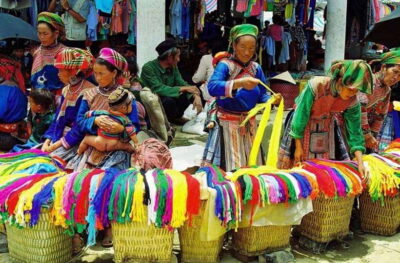
Eco Adventure Terrace Fields and Local Villages Trek
Read our review →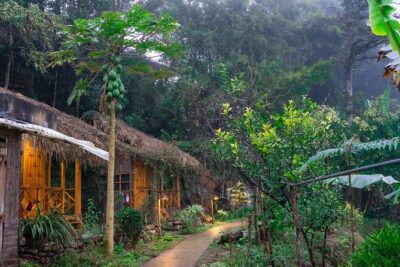
3-Day Trekking Adventure of Sapa from Hanoi – Stay Ta Van Village
Read our review →Browse the lists this tour appears in