
Reviewed · SAPA TREKKING TOURS
Sa Pa: 6-Hours Muong Hoa Valley Trek with Local Ethnic guide
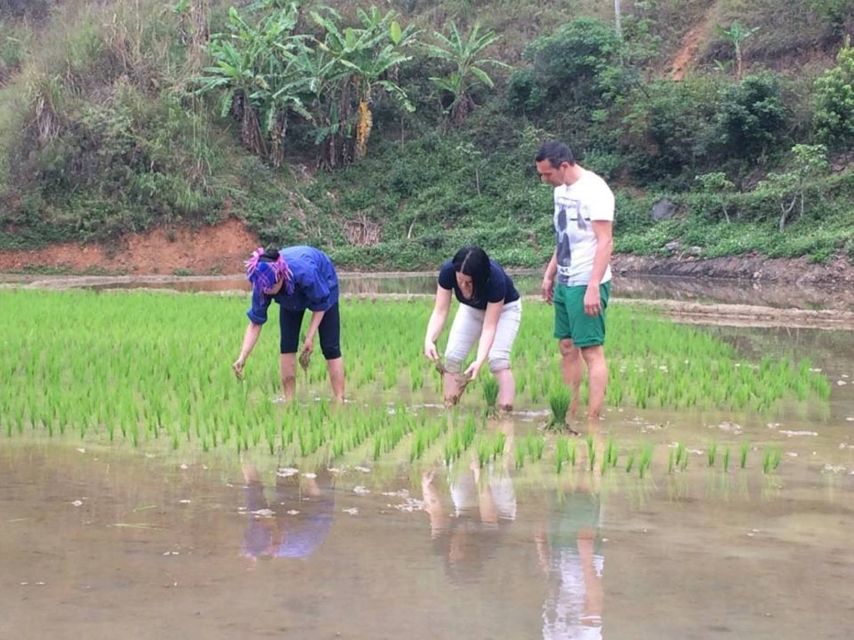
Muong Hoa Valley gives you the Sa Pa many people come hoping to find: terraced rice fields, forest paths, and village life beyond the town’s busy streets. The route passes through Y Linh Ho, Lao Chai, and Ta Van, with local guides explaining Black Hmong and Dzay customs along the way.
I like the close contact with local crafts, especially indigo dyeing, batik, and hemp weaving. I also like the small group size, capped at 11 people, and the return by bus, which saves you from retracing a tiring 10-kilometer route. The catch is simple: this is a real trek, not a gentle village stroll. Mud, steep slopes, heat, and slippery paths can make it demanding.
Key points to know before you book
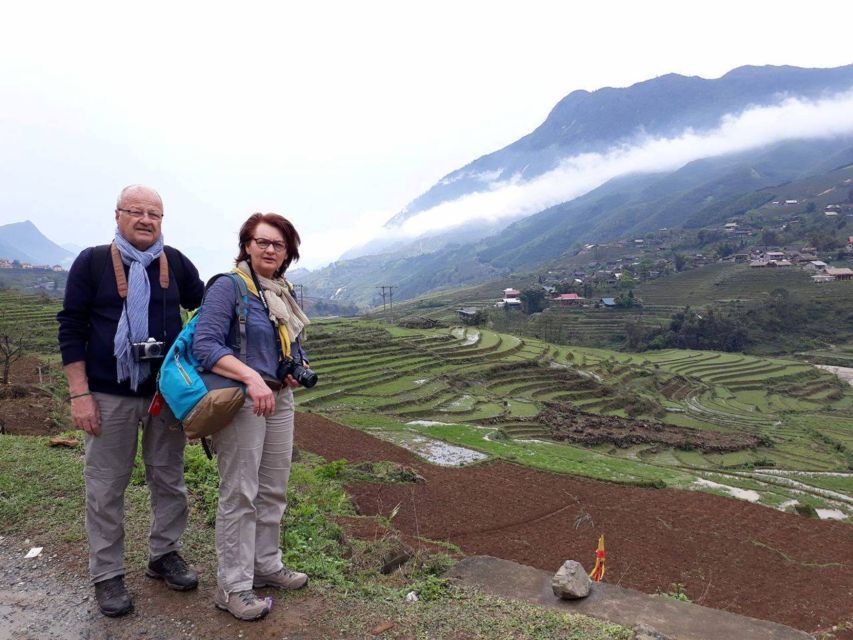
- A downhill 10-kilometer route: Much of the walking goes down uneven paths, through fields, bamboo forest, and village roads.
- Three important valley villages: Y Linh Ho introduces you to Black Hmong life, Lao Chai brings wide rice-field views, and Ta Van adds Dzay culture.
- Local guides make the difference: Guides such as Sang, Sai, Su, Bao, and Dong have been praised for clear English, humor, patience, and help on difficult ground.
- Lunch is extra: You pay for your own meal at a local restaurant, and food quality and sales pressure may vary.
- Weather changes the trek: Dry conditions can make the route manageable, while rain turns slopes and rice-field paths into mud.
- Good value at $18: Transport, an English-speaking guide, entrance fees, and a 500-milliliter bottle of water are included.
Why this Muong Hoa Valley trek is worth your time
At $18 per person, this is one of the more affordable ways to see the countryside around Sa Pa without arranging a private guide or transport. You get six hours on the ground, a local English-speaking guide, entrance tickets, a small group, and a bus ride back into Sa Pa.
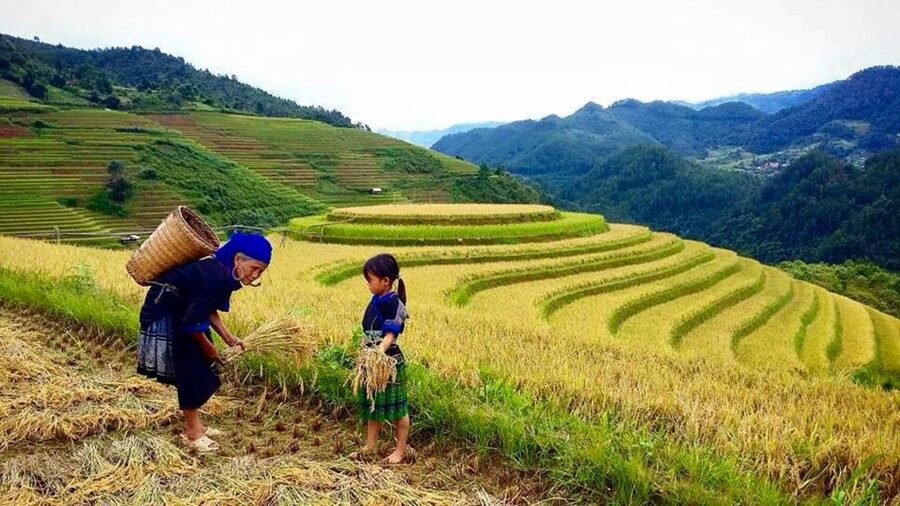
The value comes from the route rather than from fancy facilities. You are paying to walk through working villages and rice-growing country, not to visit a staged cultural show. The day connects scenery with daily life, so you can see how farming, weaving, clothing, and village homes fit together.
I would choose this trip if you have only a short stay in Sa Pa and want more than a viewpoint visit. It covers several villages in one day and gives you a practical introduction to the valley’s two main ethnic communities. If you want a quiet, private walk at your own pace, a private trek may suit you better.
The tour has a 4.5 rating from 178 reviews, with particularly strong praise for the guides, scenery, local help on rough paths, and the balance of culture and walking. The main complaints concern transport problems, lunch, and sales pressure from local vendors. Those are worth taking seriously, but they do not erase the tour’s main strength: you get a lot of Sa Pa countryside for a modest price.
More Hiking Tours in Sapa
- Sa Pa: Muong Hoa Valley Trek and Local Ethnic Villages
★ 4.6 · 864 reviews - Sapa: Eco Adventure Terrace Fields and Local Villages Trek
★ 4.9 · 636 reviews - From Sapa: 1-Day Guided Trek to Lao Chai & Ta Van with Lunch
★ 4.9 · 416 reviews
From Sa Pa to Y Linh Ho village
The day begins with a pickup from hotels in Sa Pa town, if the operator can reach your address. If your hotel is outside the pickup area, you may need to walk to a meeting point or the local office in central Sa Pa. Confirm this before the morning of the tour.
The first section is described as a scenic 20-minute walk toward Y Linh Ho village. This is your first shift away from Sa Pa’s urban streets and toward the valley’s rural paths. The route starts building the day’s pattern: walking, stopping to look, and learning from a guide who knows the communities along the way.
Y Linh Ho is associated with the Black Hmong. Here, you can speak with local people and get a look at ordinary village life, especially around the village center. The value of this stop is that it gives context before the bigger views arrive. You are not just looking at fields. You are seeing the community that works them.
Guides named Sang, Sai, Su, Bao, and Dong have received especially warm praise for their English, good humor, patience, and care. English ability can vary from guide to guide, but the available feedback describes the explanations as understandable and useful. A strong guide matters here because the scenery is easy to admire, while customs and clothing need someone to explain what you are seeing.
Lao Chai and the wide rice terraces
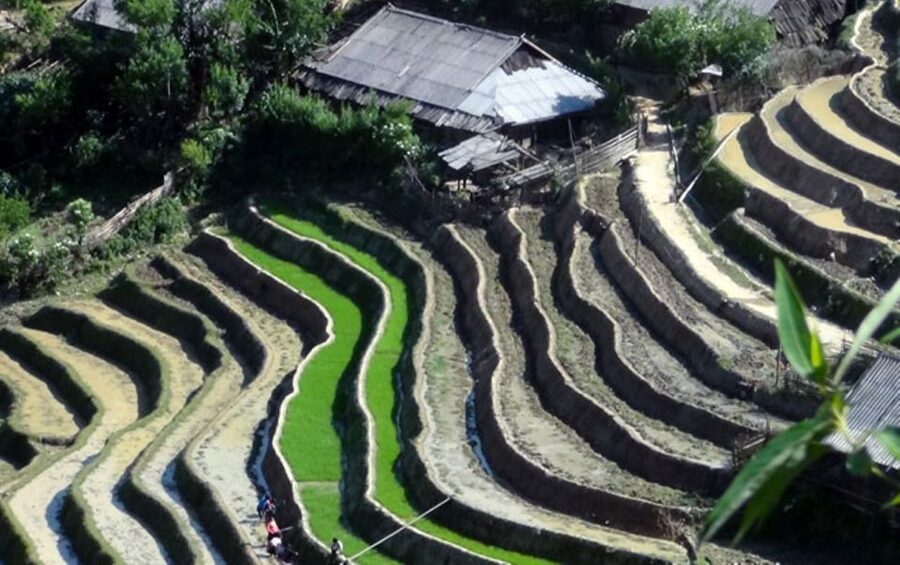
Lao Chai is the visual centerpiece. From the village and nearby paths, you get broad views over the rice terraces that make Muong Hoa Valley famous. The fields change character with the season, so do not expect the same view all year.
Rice terraces are working farmland, not a decorative garden. Their stepped form follows the mountain slopes and reflects generations of careful farming. Your guide can help connect the scenery to rice cultivation, which makes the views more meaningful than a quick photo stop.
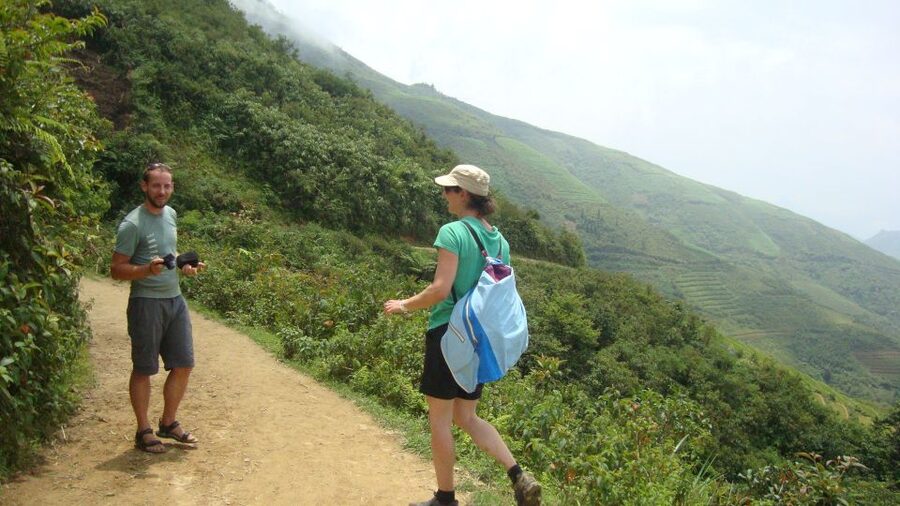
The walk may take you along dirt paths, concrete or stone sections, uneven roads, and narrow routes beside cultivated areas. Some parts are easier than others. Several people in their 50s completed the trek, and teenagers have enjoyed the cultural side, but you should still have a reasonable level of fitness.
The most difficult sections tend to appear when the ground is wet. Rain can make downhill slopes slick, and the route may include muddy rice-field edges, bamboo forest paths, bridges, and steep sections. Local women sometimes walk with the group and offer a steady hand across difficult ground. Their help has been a major comfort for many people, especially during muddy descents.
That help also creates a social complication. The women may later offer handmade goods for sale, and some visitors have felt pressured to buy. Others felt the products were a fair way to show thanks for the assistance. You can be grateful without making a purchase, but it is wise to decide your budget and boundaries before the walk begins.
Indigo, batik, and hemp in everyday village life
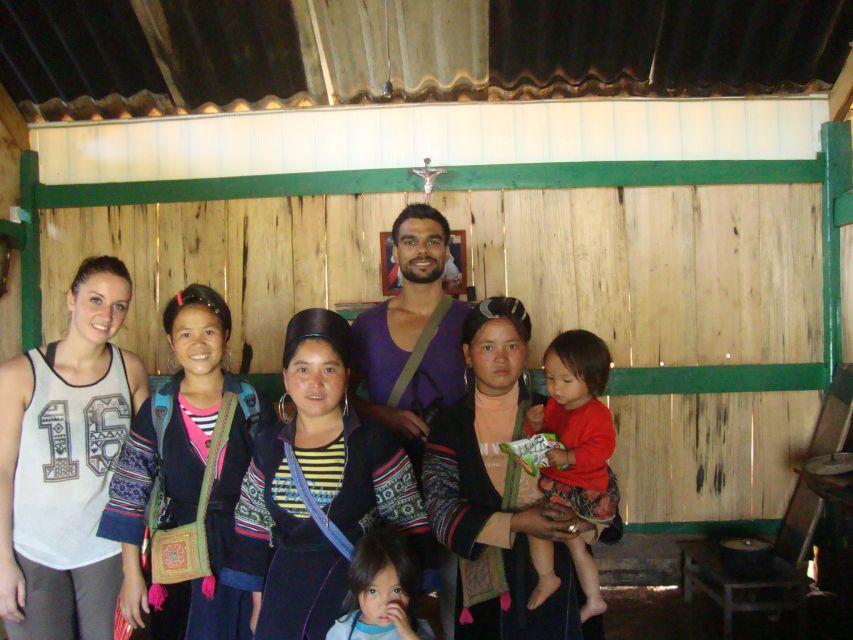
One of the better parts of the tour is the chance to learn about traditional Hmong crafts. Indigo dyeing, batik making, and hemp weaving are not simply souvenir topics. They show how clothing can carry practical, artistic, and cultural meaning.
You may see how plant-based dyeing creates dark blue fabric, how patterns are made, and how hemp is prepared for weaving. The activity details do not promise a hands-on workshop, so treat this as a chance to observe and ask questions rather than a formal craft class.
This is also where respectful behavior matters. Ask before photographing people, especially children. Do not touch children’s heads. Those simple rules help keep the meeting human rather than turning village life into a photo backdrop.
Buying a handmade item can be a good way to support local makers, but you should not feel obliged to purchase from every person who accompanies the group. Prices may feel high compared with Sa Pa shops, and one older account described some products as overpriced. If you do buy, see it as a personal purchase and possible thank you, not an automatic fee for walking assistance.
A few other Sa Pa trips to compare
- Sapa 1 Day Long Trek: Trek to Hau Thao and Sa Seng Villages
★ 4.6 · 344 reviews - Sapa: Fansipan Cable, Cat Cat Village, Moana Instagram Tour
★ 4.8 · 294 reviews - From Sapa: 3-Day Ha Giang Loop with Safe Rider (max 8 pax)
★ 4.9 · 285 reviews - Explore Sapa by TrekkingAdventures, Mountain,Rice fields
★ 4.9 · 229 reviews
Lunch at a local restaurant
Lunch comes after the Lao Chai section, at a local restaurant, and you pay separately. The meal has been described as tasty and generous, with a good range of local food. Another account found the lunch bland, so keep expectations practical rather than treating it as a major food tour.
Fresh local produce and simple regional dishes fit the day well. You will likely be hungry after several hours on foot, especially in warm weather, so the meal is useful even if it is not memorable. Bring some extra cash for food and drinks, since neither is included.
The restaurant may also be a place where local women and children offer handmade products. This can interrupt an otherwise pleasant break, and one account found the sales attention constant. A calm, polite refusal is enough. If you want to browse, do so on your own terms.
The included water is only one 500-milliliter bottle per person. For a six-hour trek, especially in heat, I would not rely on that alone. The supplied information specifically includes water but excludes soft drinks and food, so carry or buy additional drinks if permitted and available.
Ta Van and the Dzay way of life
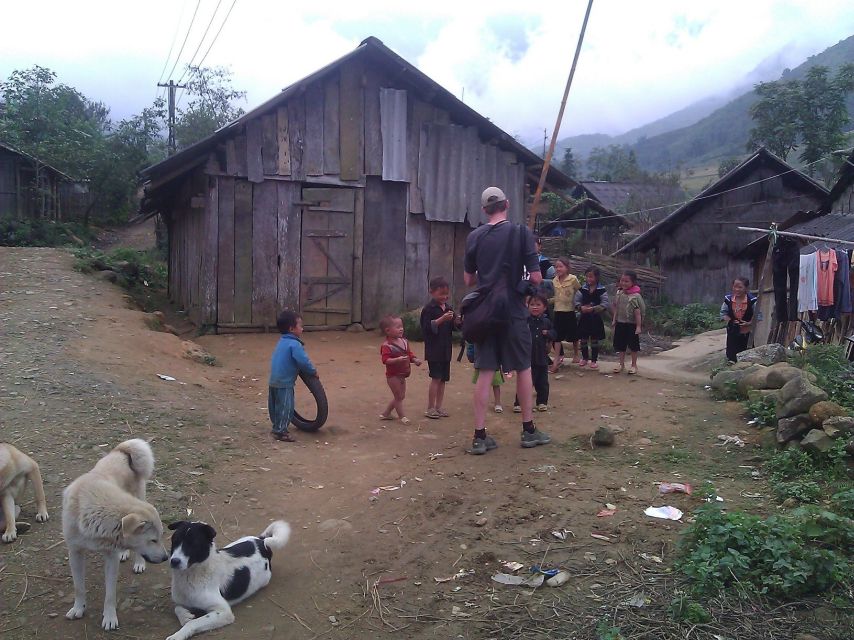
The route continues to Ta Van village, where the focus shifts toward the Dzay people. You may visit traditional homes and learn about weaving, rice cultivation, and other parts of village life.
This change from Black Hmong to Dzay communities gives the day more depth. Sa Pa is often presented as one broad ethnic region, but clothing, customs, homes, and work traditions can differ from one group to another. Ta Van helps you notice those contrasts.
Do not expect a museum-style display. The appeal is seeing how homes and crafts relate to daily routines. Your guide can explain what you are looking at and answer questions about farming and household work. The experience is strongest when you remain curious and avoid treating people’s homes as photo props.
The route is not a loop. After reaching the final village, a bus takes you back to Sa Pa and drops you at the operator’s office in the town center. That return ride is a useful comfort after a long downhill walk. It also means you should not plan a private car pickup at the route’s end unless you have separately arranged it.
How hard is the 10-kilometer walk?
The tour description calls the trek challenging in wet weather, and that warning deserves attention. The distance is about 10 kilometers, but distance alone does not tell the full story. Uneven surfaces, downhill walking, mud, heat, and narrow paths can make the route feel harder than a flat 10-kilometer walk.
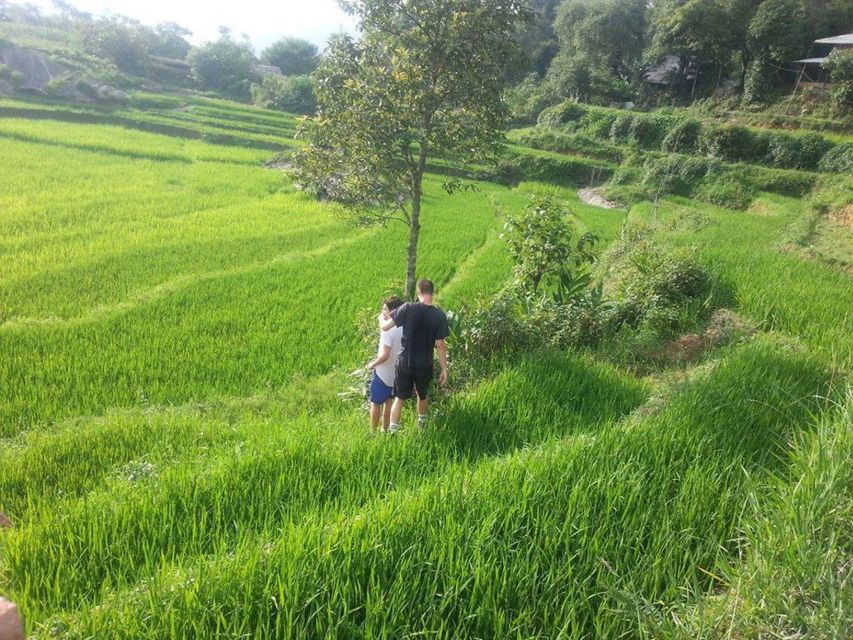
You may cross muddy fields, bamboo forest, small bridges, and rough village roads. Some stretches are on concrete or stone, which gives your feet a break, but the route is not consistently paved.
I would rate it as moderate in dry conditions and potentially strenuous when wet. You do not need to be an athlete, but you should be comfortable walking for several hours and placing your feet carefully on uneven ground. One person described the walk as manageable but still tiring enough to earn the bus ride home.
The tour is not suitable for pregnant women, wheelchair users, people with mobility impairments, or children under six. Senior citizens are advised not to take it because of the 10-kilometer distance and the risk in wet weather. Families with older children may manage it, but the information does not recommend it for under-sixes.
Good trekking shoes are important. Several people found the mud thick enough to cover their footwear, and one person suggested bringing a spare pair. Add sunglasses, sun cream, insect repellent, and warm clothes from October through March.
Weather and the best way to prepare
Sa Pa weather can change the whole mood of the walk. Clear conditions open the valley views and make the paths easier. Rain brings cooler air but can turn descents into slippery, muddy sections where you need help and patience.
Winter can bring thick fog. That may hide the terraces and reduce photo opportunities, though the village visits and cultural explanations still continue. From October to March, warm clothing is recommended.
Summer heat creates a different challenge. The sun can feel strong on open paths, while steep sections demand extra effort. Use sun cream, carry enough water, and do not rush downhill simply to keep up with the group.
A practical packing list:
- Trekking shoes with good grip
- A spare pair of shoes or sandals for after the walk
- Sun cream and sunglasses
- Insect repellent
- Warm layers between October and March
- Cash for lunch, drinks, and optional purchases
- A waterproof layer in wet weather
The operator provides entrance tickets, transport, the guide, and one small bottle of water. Travel insurance, VAT, personal expenses, food, and soft drinks are not included.
Small group size, pickup, and guide quality
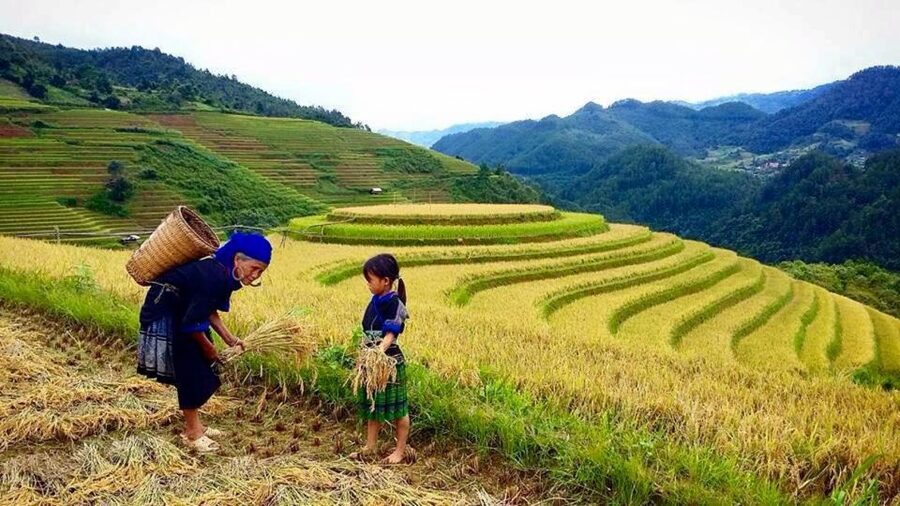
The group is limited to 11 people, which is a useful middle ground. You get more company than on a private trek, but the group should remain small enough for the guide to help with questions and difficult sections.
Pickup is available only from hotels in Sa Pa town, and even then the operator needs your hotel name and address to confirm access. One booking had a serious pickup problem, with the group collected late by motorbikes and arriving behind schedule. The rest of that day went well, but this is a reminder to confirm the meeting point and pickup time clearly.
The guide is English-speaking, and the best feedback focuses on people such as Sang, Sai, Su, Bao, and Dong. Their roles go beyond pointing out scenery. They explain local customs, help set a sensible pace, take photographs when asked, and assist when paths become awkward.
A French-speaking guide costs an extra $20 per person, paid directly on the trip. The available details list English as the standard language.
Cancellation is flexible: you can cancel up to 24 hours ahead for a full refund. You can also reserve and pay later, which helps if your Sa Pa weather plans are still moving around.
There is conflicting information about Lunar New Year surcharges. One note lists $20 per person from February 14 to 21, 2025, while another lists $30 per person for February 9 to 14, 2024. Confirm the current holiday charge before booking, since the dates and amount do not match.
Who should book this Sa Pa trek?
I would recommend it to you if you want:
- A half-day introduction to Muong Hoa Valley
- Rice terraces and village scenery rather than only Sa Pa town
- Contact with Black Hmong and Dzay communities
- A local guide who can explain customs and crafts
- A low-cost organized walk with return transport
- An active day that fits a short Sa Pa visit
I would think twice if you dislike mud, steep descents, sales approaches, or group schedules. I would also choose another activity if you have mobility limitations, are pregnant, are bringing a child under six, or are visiting during very wet weather without suitable footwear.
The strongest parts are clear: the scenery, the local guides, the cultural stops, and the help available on rough ground. The weak points are also clear: lunch is basic and extra, pickup needs confirmation, and the handmade goods may be offered with more pressure than you prefer.
Should you book the Muong Hoa Valley trek?
At $18, yes, if you are fit enough for a 10-kilometer walk and want a practical introduction to the villages around Sa Pa. The tour gives you terraces, forest, local homes, crafts, two ethnic cultures, and a bus back to town for less than many private excursions cost.
Book it with realistic expectations. Wear proper shoes, bring cash and extra water, confirm your pickup, and prepare for rain or fog. If you can accept an occasionally muddy path and politely manage sales offers, this is a strong-value way to see Muong Hoa Valley in one active day.
FAQ
How long is the Muong Hoa Valley trek?
The activity lasts six hours and covers about 10 kilometers on foot.
Which villages does the trek visit?
The route includes Y Linh Ho, Lao Chai, and Ta Van villages.
Which ethnic communities can I learn about?
You can learn about the Black Hmong in Y Linh Ho and Lao Chai, and the Dzay people in Ta Van.
Is lunch included in the $18 price?
No. Food and soft drinks are not included, and you pay for lunch separately at a local restaurant.
Is transport included?
Yes. Bus transportation is included, including the return from Ta Van to Sa Pa. Hotel pickup is available only for some hotels in Sa Pa town, so you should provide your hotel name and address for confirmation.
What should I bring for the trek?
Bring trekking shoes, sunglasses, sun cream, insect repellent, and warm clothes between October and March. Extra footwear is useful because the route can become muddy.
Can I cancel the booking for a refund?
Yes. You can cancel up to 24 hours in advance for a full refund. Reserve-now, pay-later booking is also available.
More Hikes in Sa Pa
- EXPLORE SAPA: 2D1N TREKKING & HMONG CULTURE WITH DINH
★ 4.9 · 191 reviews - Sa Pa: 2-Day Trekking Trip with Ethnic Minority Homestay
★ 4.7 · 145 reviews - Half Day Sapa Trekking to Visit Lao Chai – Ta Van
★ 4.7 · 126 reviews - Sapa Trekking Bargains With Local Guide
★ 4.9 · 91 reviews
Newly listed around Sa Pa
- 2-Day Fansipan Mountain Trek – Indochina’s Highest Peak★ 4.3 · 42 reviews
- In Sapa: 1 Day Mountain Trek, Visit beautiful villages★ 5.0 · 50 reviews
- From Hanoi: Sapa 3-Day Medium Trek and Limousine Trip★ 4.5 · 59 reviews
- Sapa: Private Highlights Day Tour with Lunch★ 4.8 · 61 reviews
- 1-Day Sapa Long Trek – Rice Field Terrace, Ethnic Culture★ 4.9 · 62 reviews
- Sa Pa: Half-Day Cat Cat Village Hike to Meet H’mong People★ 3.7 · 72 reviews
- From Sapa: Terrace Fields and Local Villages Trek with Lunch★ 4.3 · 77 reviews
- From Sapa: Guided Full-Day Trekking with Lunch and Drop-Off★ 4.2 · 86 reviews
Sapa Trekking Tours, compared.

Sapa 2 Days 1 Night From Hanoi – Overnight in Ta Van Village
Read our review →

Muong Hoa Valley Trek and Local Ethnic Villages
Read our review →
Fansipan Cable, Cat Cat Village & Moana Instagram Tour
Read our review →

Sapa 3 Days 2 Nights Trekking Tour (1 Night In Ta Van Village, 1 Night In Hotel)
Read our review →
Eco Adventure Terrace Fields and Local Villages Trek
Read our review →
3-Day Trekking Adventure of Sapa from Hanoi – Stay Ta Van Village
Read our review →Browse the lists this tour appears in