
Reviewed · SAPA TOURS
Trekking Through Rice Terraced Fields – 1Day
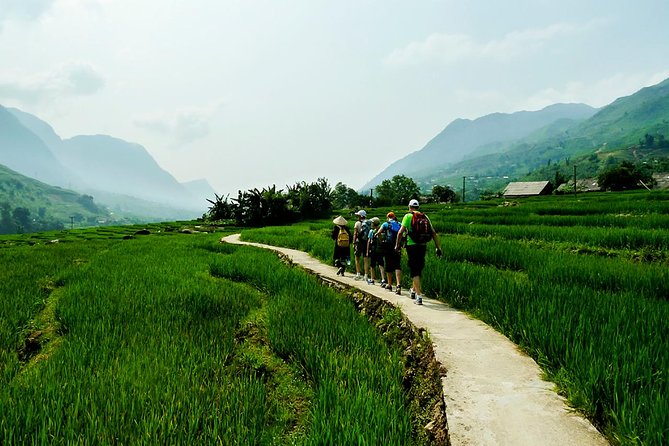
Sapa’s best scenery arrives on foot, and this trek takes you from town into a world of steep rice terraces, mountain paths, and small villages. In one day, you pass through Hmong and Giay communities while learning how local people farm, build homes, and preserve customs.
I like the strong local focus and the chance to walk between three villages instead of simply stopping at viewpoints. I also like the practical package: lunch, village fees, a small bottle of water, and transport back to Sapa are included. The main caution is the terrain. This is a real mountain walk, often around 10 to 12 kilometers, and mud or slippery rice-paddy paths can make it tiring.
Key points to know before booking
- Three village settings: Walk through Y Linh Ho, Lao Chai, and Ta Van, connected by mountain trails and rice fields.
- Local Hmong guides: Guides such as Chu, Sang, Vang, Mai, Du, and Mau have led guests through the area, with many praised for cultural insight and patience.
- Moderate but demanding walking: Plan on roughly 5 to 6 hours, with climbs, uneven ground, and possible mud.
- Lunch in the valley: A local meal with vegetables and meat is included, with a vegetarian option available.
- Small-group feel: The maximum group size is 15, though some departures have been private or made up of only a few people.
- Simple logistics: Meet in Sapa at about 9:30 a.m., then return by vehicle after reaching Ta Van.
Why this Sapa trek is worth your day
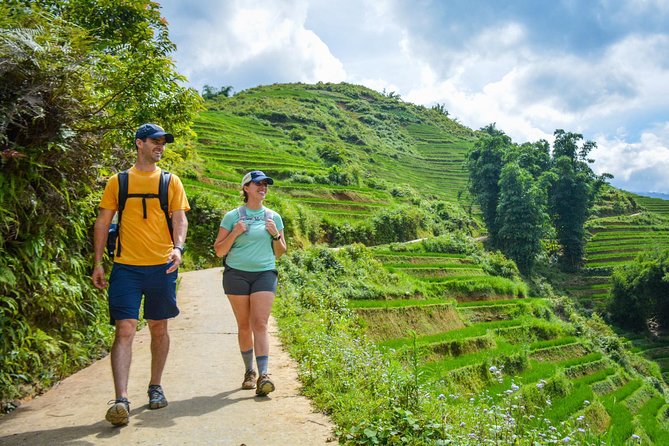
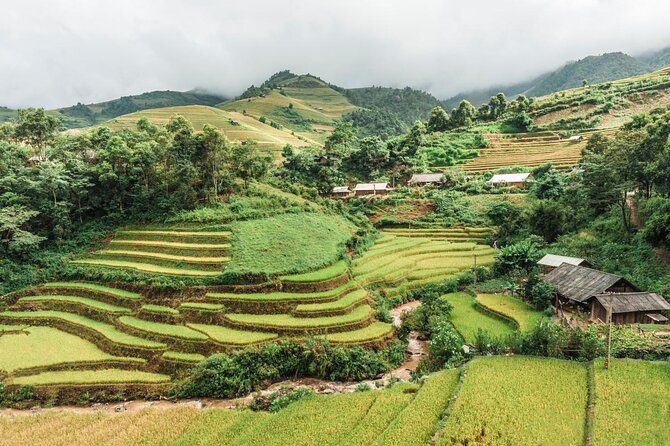
The appeal here is not a single grand sight. It is the steady change in scenery as you leave Sapa and walk into the Muong Hoa Valley area. Rice terraces fold around the hillsides, village paths cut across farmland, and the mountains open up around you.
You also get a useful introduction to several ethnic communities in one outing. The tour focuses especially on Hmong and Giay culture, while the wider description also mentions Red Dao traditions. A local guide can explain details that are easy to miss on your own, including rice cultivation, house building, work in the fields, and Hmong marriage customs.
That local connection is the heart of the day. Guides including Chu, Sang, and Vang have been praised for answering questions, explaining village life, and keeping the walk friendly. Chu, in particular, has guided families with young children and has sometimes extended the walk when people wanted to continue on foot rather than take the return vehicle.
Still, you should not treat this as a gentle stroll. One account describes a 12-kilometer mountain route, while another reports about six miles. The exact distance may vary with the group, weather, and the route used, but you should expect a substantial walk. If you have mobility problems or dislike steep, slippery ground, this is not the right day trip.
More Hiking Tours in Sapa
- Sa Pa: Muong Hoa Valley Trek and Local Ethnic Villages
★ 4.6 · 864 reviews - Sapa: Eco Adventure Terrace Fields and Local Villages Trek
★ 4.9 · 636 reviews - Number one top rated ethical cultural trekking and homestay by ETHOS
★ 5.0 · 456 reviews
Meeting in Sapa and heading toward Y Linh Ho
The day begins in Sapa at about 9:30 a.m. Pickup is offered from a hotel in Sapa Town, or you may meet the guide near the main church or at the stated meeting point on Thac Bac Street. The information also gives a 9 a.m. start for the first village, so confirm the exact meeting time when you book.
After a short introduction, transport takes you roughly two kilometers down the road toward the Cat Cat area. From there, the walk begins in earnest, heading toward Y Linh Ho.
Y Linh Ho is a strong opening section because you quickly trade the town for farmland and mountain views. The first two hours are set aside for this part of the route, giving your guide time to explain the setting rather than rush you from one photo stop to another.
Expect uneven paths and changes in elevation. The route can feel easy in dry weather and much harder after rain. Wear shoes with firm grip, not smooth trainers. Several people have specifically advised trekking boots or sturdy walking shoes because muddy sections can become slick.
This is also where your guide’s role matters most. The physical route is easy to follow in broad terms, but the cultural details are not. A guide who talks openly can point out how rice fields are worked, how homes are built, and how village life differs between ethnic groups. If your guide is quiet, ask direct questions. One lower-scoring experience found the scenery excellent but felt the guide offered little information without prompting.
Lao Chai and the long stretch through rice terraces
After a break, you continue to Lao Chai, a village associated with the Black Hmong. This section takes about two hours and is likely to be the most demanding part of the day, especially where the path rises beside or across the terraces.
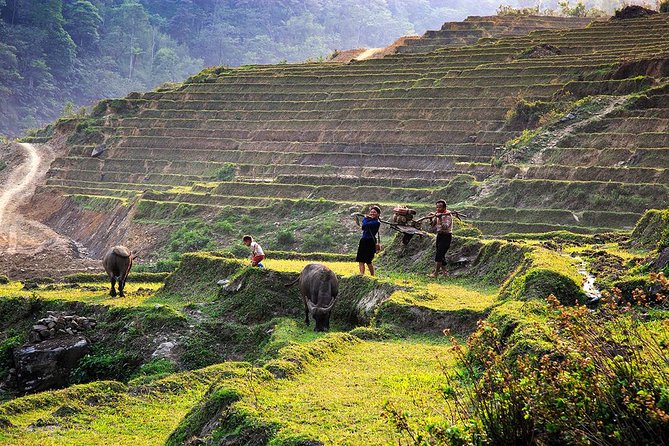
Lao Chai gives you the clearest look at the farming landscape. The terraces are not just scenic shapes carved into hillsides. They are working fields, shaped by local knowledge and seasonal labor. The guide is expected to explain rice planting, cultivation, and the practical work behind the views.
The route’s beauty comes with a price: you must walk through it. One person described a climb up a rice paddy as difficult but worthwhile, with sore legs the following day. That is a fair picture for anyone of average fitness. You do not need to be an athlete, but you should be comfortable walking for hours and handling slopes.
The scenery changes with weather and farming conditions. On a clear day, the mountains and terraces can look exceptionally sharp. On a wet day, the ground becomes the main challenge. Pack light, protect your phone, and bring extra drinking water because the included bottle is only one small bottle per person.
You may also see ordinary village life along the route, including farm animals such as oxen, ducks, and chickens. These small moments help make the walk feel less like a scenic march and more like a passage through a working rural area.
Lunch before the final walk to Ta Van
Lunch is included and consists of local food with vegetables and meat. A vegetarian meal is available, which makes the arrangement useful for different eating preferences. Extra drinks, including more bottled water or beer at the restaurant, cost extra.
The meal is a practical pause rather than a major culinary event. One account found the food delicious, while another called it mediocre, so keep your expectations sensible. Its main value is giving you time to rest, eat, and continue the walk without arranging another restaurant stop yourself.
This is a good point to ask your guide about the villages you have seen. The tour is designed around cultural learning, but you will get more from it if you take an active part. Ask about farming, family life, marriage customs, traditional clothing, house construction, and the differences between Hmong and Giay communities.
Guides named Chu, Sang, Mai, Du, Me, Mau, and Vang have all been associated with particularly warm or useful outings. Their strengths vary. Some are praised for strong English and detailed explanations, while others are noted for humor, patience with children, or a gentle pace. Your own experience will depend partly on which guide leads your group, so sharing your interests at the start is sensible.
More hikes around Sapa:
- From Sapa: 1-Day Guided Trek to Lao Chai & Ta Van with Lunch
★ 4.9 · 416 reviews - Sa Pa Full Day Trekking Tour
★ 5.0 · 414 reviews - Sapa 1 Day Long Trek: Trek to Hau Thao and Sa Seng Villages
★ 4.6 · 344 reviews - EXPLORE SAPA: 2D1N TREKKING & HMONG CULTURE WITH DINH
★ 4.9 · 191 reviews
Ta Van and the Giay village finish
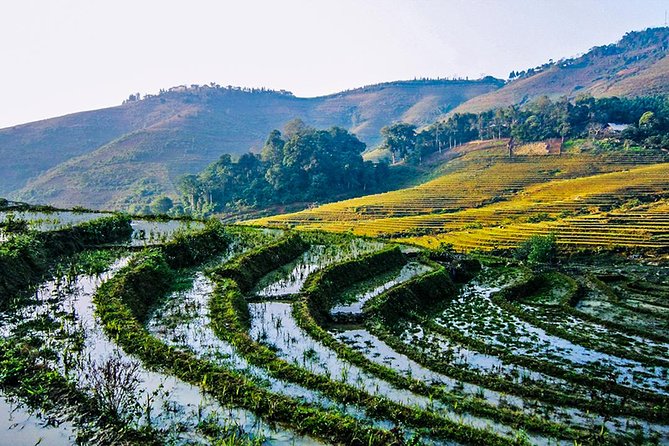
The final walking section takes about an hour and leads to Ta Van Village, home to the Giay minority. By this point, you have already covered the longest parts of the route, so the shorter finish gives you time to look around and compare what you have learned.
Ta Van is valuable because it completes the cultural contrast. Rather than seeing every village as interchangeable, you can ask how Giay customs, homes, work, and daily life differ from those of the Hmong. The stated program also includes information about the Red Dao, though the main village stops described here are Hmong and Giay communities.
Once you reach the vehicle, transport returns you to Sapa. The standard ending is by car, but some people have chosen to keep walking. One outing became an 11-kilometer round trip because the group preferred to walk back to a homestay. That extra walking was arranged with the guide, not guaranteed as part of the normal service, so do not assume you can extend the route without discussion.
What the $45 price includes
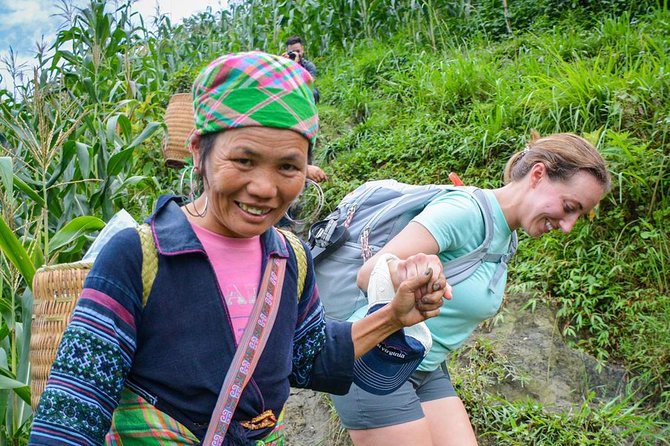
At $45 per person, the price is reasonable if you want a guided cultural walk rather than only a route between viewpoints. You are paying for a local guide, village entry fees, lunch, one small bottle of water, and transport back to Sapa.
The value is strongest for first-time visitors who want context. A map can show you where the villages are, but it cannot explain Hmong marriage customs, the work behind the rice terraces, or the differences between local communities. The guide also removes the need to organize a return vehicle after a long day on foot.
The price is less appealing if you mainly want exercise and scenery. One person felt a map would have delivered nearly the same day because the guide did not offer enough information. That is a fair concern, especially when the cultural explanation is a central reason to book.
Group size affects the value, too. The maximum is 15 people, but departures have sometimes had only two participants or a small family group. A smaller group gives you more room to ask questions and may make it easier to adjust the pace. A full group will feel less personal, though 15 people is still manageable for a walking tour.
Who should book this walk
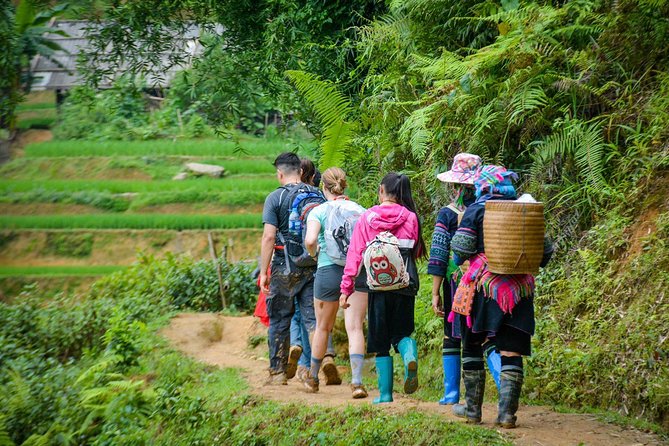
You should consider this trek if you want to see Sapa beyond the town center and are comfortable walking on uneven mountain paths. It suits people who care about local culture as much as photographs, since the guide’s explanations are a major part of the day.
Families can also manage it when children are used to walking. One guide handled children aged 6, 8, 11, and 12, and another was patient with a three-year-old. That does not mean every young child will find the route easy. Terrain and weather matter, and carrying equipment for a small child may be necessary.
The tour can suit older adults with good fitness, but the description’s moderate fitness requirement should be taken seriously. This is not designed for people with mobility issues. A long climb, wet ground, and sore legs the next day are all possible.
You may want a different plan if you prefer a short, flat walk, a luxury meal, or a tightly controlled schedule. The route is shaped by the countryside, not by paved paths and city timing. That is its strength, but it also demands flexibility.
Practical ways to make the day better
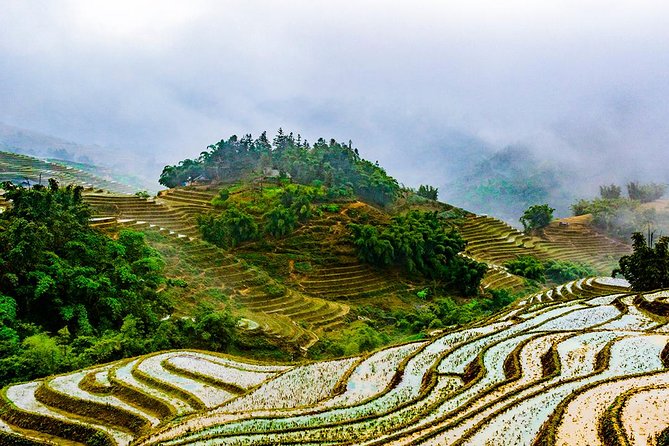
Wear shoes with strong tread. This is the single most useful preparation, since wet and slippery paths can turn a beautiful walk into a careful balancing act.
Bring extra water, even though one small bottle is provided. You can buy additional drinks, but carrying your own supply is simpler. Sun protection and rain protection are also sensible because the walk lasts most of the day and conditions in the mountains can change.
Keep your day flexible. The stated duration is about five to six hours, but the actual pace depends on weather, group fitness, breaks, and whether you add extra walking. Do not schedule a tight afternoon appointment immediately afterward.
Be ready for sales activity near the villages. You may meet local children or vendors offering handmade goods such as bags and key rings. You are not required to buy anything, but a friendly, polite response helps keep the exchange comfortable. If you do purchase something, treat it as a direct contribution to the maker rather than part of the tour.
Ask questions early. Guides such as Sang and Mai have been praised for clear English and cultural detail, but the quality of conversation improves when you tell your guide what interests you. If you want to understand farming, marriage traditions, religion, clothing, or homes, say so.
The tour has mobile tickets, confirmation at booking, and free cancellation up to 24 hours before the start time. Inside that 24-hour window, you do not receive a refund and changes are not accepted. The meeting point is near public transport, and the activity ends back at the meeting point after the return transfer.
Should you book Trekking Through Rice Terraced Fields?
I would book it if you have one full day in Sapa and want the area’s scenery tied to real village life. The combination of Y Linh Ho, Lao Chai, and Ta Van gives you a broad taste of the valley, while lunch and return transport keep the day simple.
Book with sturdy footwear, extra water, and realistic expectations about the physical effort. The strongest part of the outing is the local guide, so use the walk as a conversation, not just a photo session. If you want a flat route or have mobility limits, choose another activity. For fit walkers seeking terraces, mountain views, and a closer look at Hmong and Giay culture, the $45 cost is a solid use of a day in Sapa.
FAQ
How long does the Sapa rice terrace trek take?
The activity lasts approximately five to six hours. The walking distance can be around 10 to 12 kilometers, depending on the route and any extra walking arranged with the guide.
Where does the tour start?
You meet in Sapa at the stated meeting point on Thac Bac Street, near the main church and public transportation. Hotel pickup in Sapa Town is also offered.
What villages does the walk visit?
The route visits Y Linh Ho, Lao Chai, and Ta Van Village. Lao Chai is associated with the Black Hmong, while Ta Van is associated with the Giay minority.
Is lunch included?
Yes. Lunch includes local food with vegetables and meat, and a vegetarian option is available. Extra drinks at the restaurant are not included.
Is the trek suitable for people with mobility issues?
No. The activity requires a moderate level of physical fitness and includes mountain paths, climbs, and potentially muddy or slippery ground.
What happens if I need to cancel?
You receive a full refund if you cancel at least 24 hours before the start time. Cancellations or changes made less than 24 hours before the start are not accepted and are not refunded.
Newly listed around Sapa
- Half Day Cat Cat Village Tour Guided from Sapa★ 5.0 · 39 reviews
- 1 Day Sapa Authentic Trekking ( off beaten track )★ 5.0 · 40 reviews
- Muong Hoa Valley Trek & Homestay Experience – 4D3N★ 5.0 · 42 reviews
- 2-Day Fansipan Mountain Trek – Indochina’s Highest Peak★ 4.3 · 42 reviews
- Cloud Dragon Skywalk and Silver Waterfall Tour From Sapa★ 5.0 · 47 reviews
- Full Day Sapa Jeep Open Air Jeep Off The Beaten Track★ 5.0 · 47 reviews
- Sa Pa: Private Guided Tour on a Motorbike with Lunch★ 4.8 · 47 reviews
- The best view and most authentic tour in Sapa (Non Touristy)★ 5.0 · 47 reviews
Sapa Tours, compared.

Muong Hoa Valley Trek and Local Ethnic Villages
Read our review →
Fansipan Cable, Cat Cat Village & Moana Instagram Tour
Read our review →
Eco Adventure Terrace Fields and Local Villages Trek
Read our review →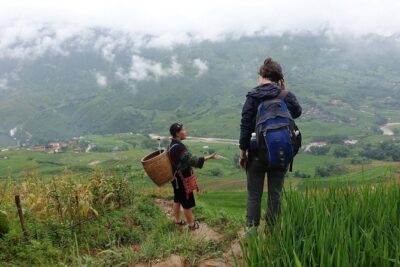
Number one top rated ethical cultural trekking and homestay by ETHOS
Read our review →
1-Day Guided Trek to Lao Chai & Ta Van with Lunch
Read our review →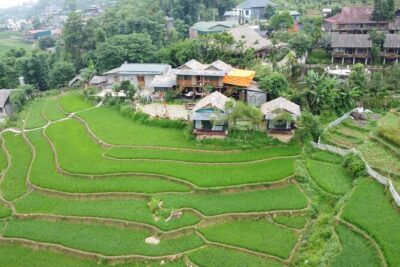
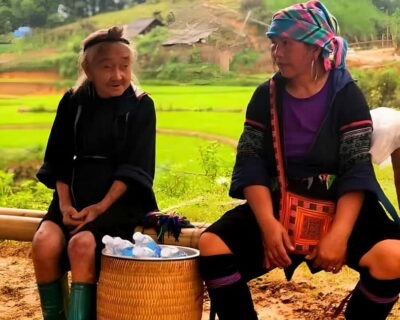
Sapa 1 Day Long Trek: Trek to Hau Thao and Sa Seng Villages
Read our review →Fansipan Cable, Cat Cat Village, Moana Instagram Tour
Read our review →Browse the lists this tour appears in