
Reviewed · SAPA TREKKING TOURS
From Hanoi: 2-Day Sapa Limo Bus Tour & Fansipan Peak Visit
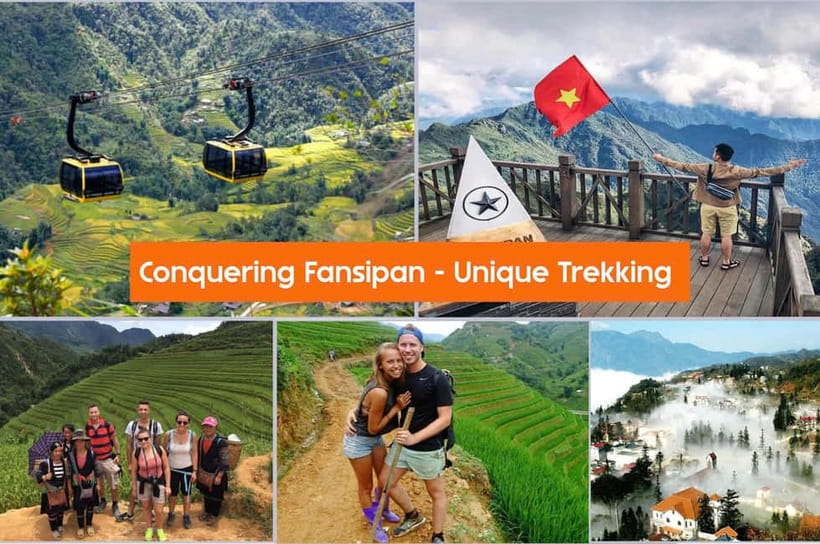
Fansipan Peak is the star here, but the best part may be the walk through Sapa’s rice terraces and mountain villages. You ride high above the Hoang Lien Son range, then climb toward the Roof of Indochina through pagodas, statues, fog, and sharp mountain air. The cable-car ride alone is memorable, especially when clouds open to reveal the valleys below.
I like the practical setup: transport, hotel, meals, village entry, local guiding, and station transfers are bundled together. I also like the chance to meet a local Hmong guide such as Song, Su Su, or Than, who can explain daily life rather than simply point out photo stops. The main drawback is the pace. Two days from Hanoi leaves little spare time, and the six-hour bus ride each way can be tiring.
Key points to know before booking
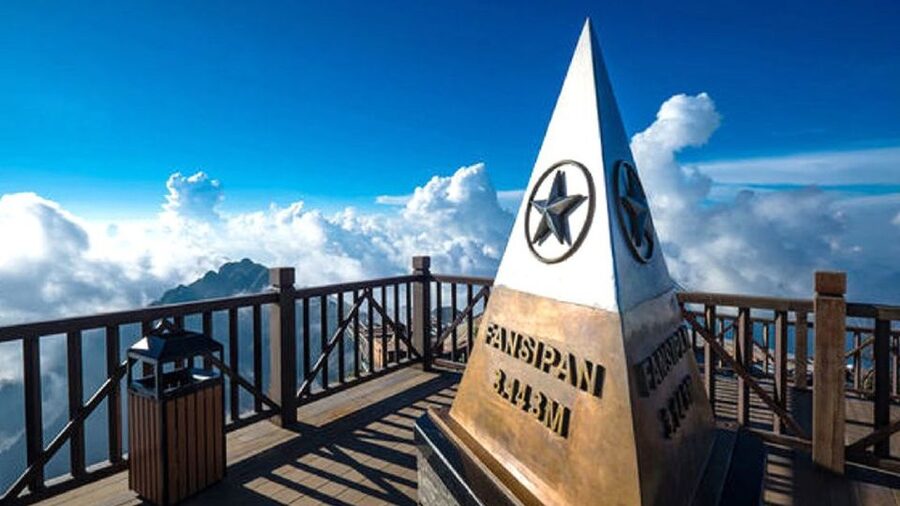
- Fansipan cable car: The ride takes about 20 minutes, followed by a climb of roughly 600 steps unless you use the mountain monorail.
- Village walk: Expect rice terraces, the Muong Hoa Stream, mountain views, and contact with Black Hmong culture.
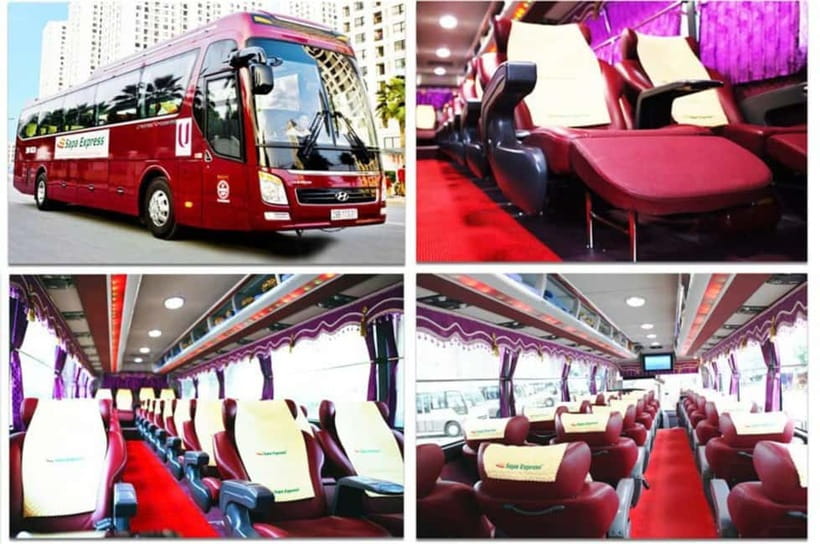
- Transport comfort varies: The limousine or sleeper bus can be comfortable, but some vehicles are small, old, or crowded, and there is no onboard toilet.
- Good package value: A hotel, five meals, village entry, local guide, and transfers are included, but the Fansipan cable-car ticket costs an extra $35.
- Weather matters: Fog, rain, and wind can hide the summit views, though the pagodas and sea of clouds can still make the visit worthwhile.
- Fast schedule: This suits you if you want Sapa’s main sights in a short window, not if you want long, quiet walks in the hills.
The real appeal: terraces, villages, and the Roof of Indochina
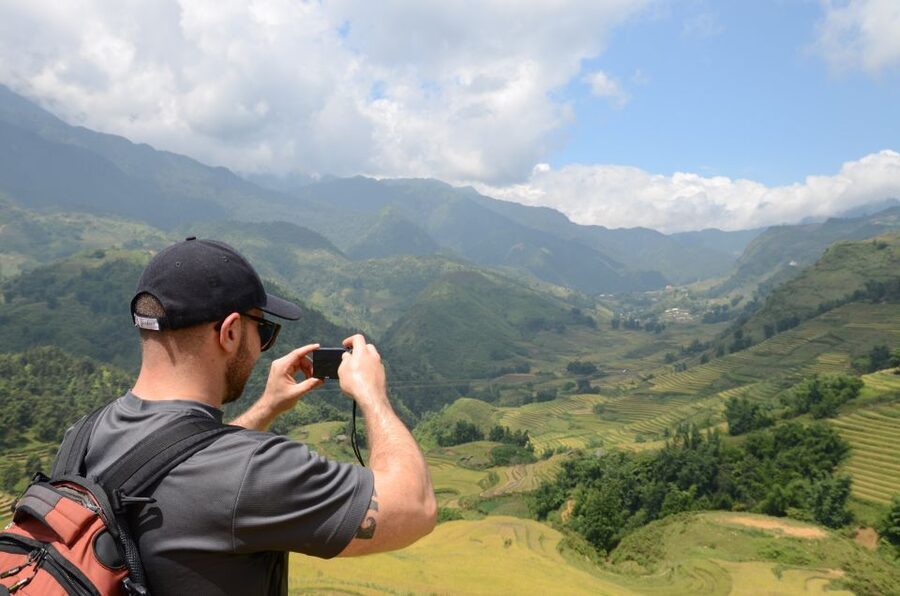
Sapa offers two very different kinds of mountain experience. Down in the valley, you walk along terraces and streams, passing village homes, footpaths, shops, and small farms. Above town, Fansipan feels more like a major sightseeing attraction, with cable cars, pagodas, Buddha statues, and a summit reached by stairs.
That contrast gives this tour its value. You do not spend the whole trip inside a bus or at a viewpoint. You get a taste of local life on foot, then a dramatic high-altitude ride that makes the scale of northern Vietnam clear.
The cultural side depends heavily on your guide. Local guides such as Song, Su Su, Lo, and Than have been praised for explaining Hmong traditions and daily life in clear English. I would treat the guide as one of the most important parts of the package. A good guide turns a walk past houses and terraces into a useful look at farming, weaving, clothing, and family life.
One detail deserves attention when you book. The main description names Lao Chai and Ta Van, while several trip arrangements describe a visit to Cat Cat Village instead. These are not identical routes. Check the exact village itinerary for your departure, especially if a specific village is important to you.
A few other Hanoi trips to compare
- Sapa 2 Days 1 Night From Hanoi – Overnight in Ta Van Village
★ 5.0 · 2,669 reviews - Hanoi – Sapa 2 Days 1 Night Overnight At Homestay
★ 5.0 · 899 reviews - From Hanoi: 2-Day Sapa Trekking Trip with Homestay & Meals
★ 4.8 · 704 reviews
Day 1: Six hours from Hanoi to Sapa
The journey begins early in Hanoi. You travel north by limousine bus, with planned breaks in Phu Tho Province and Lao Cai city before reaching Sapa. The total journey takes about six hours, though traffic and vehicle changes can affect the timing.
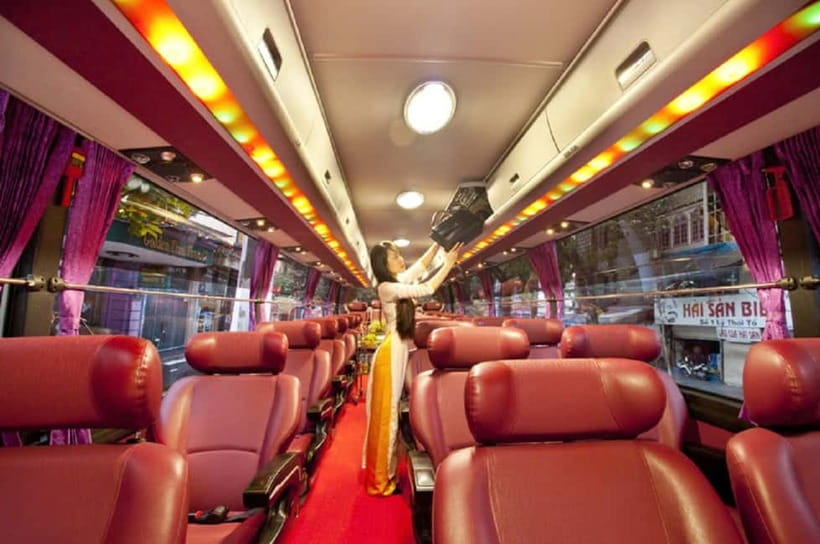
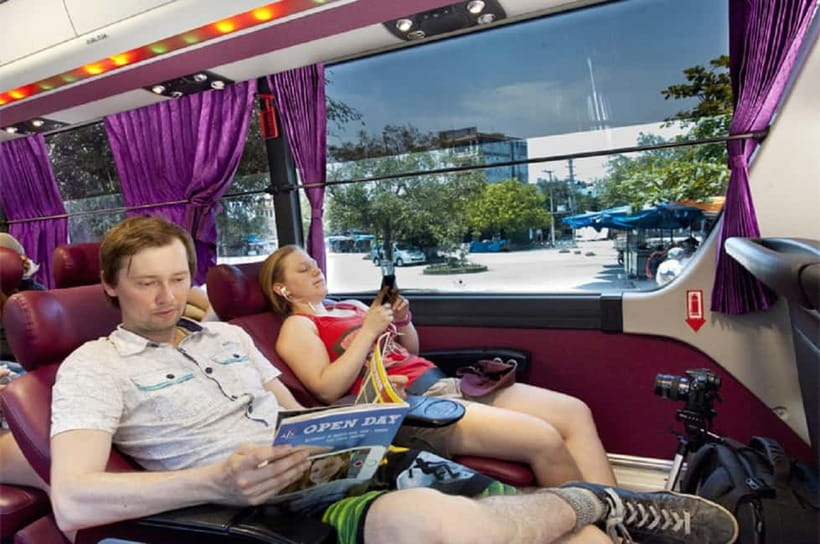
Transport is one of the less predictable parts of this package. Some departures use a comfortable sleeper bus with individual cabins, which can be a pleasant way to cover the long distance. Other buses have narrow berths that may feel cramped if you are around 1.8 meters tall or have a larger build. One-way vehicles have also been described as old or dirty, and the return journey may use a different standard of bus.
There is no toilet on the sleeper bus. You get two stops on the long ride, and you may need small Vietnamese notes to pay for public toilets. Keep water, medication, tissues, and a light snack within reach rather than packed in the luggage trunk.
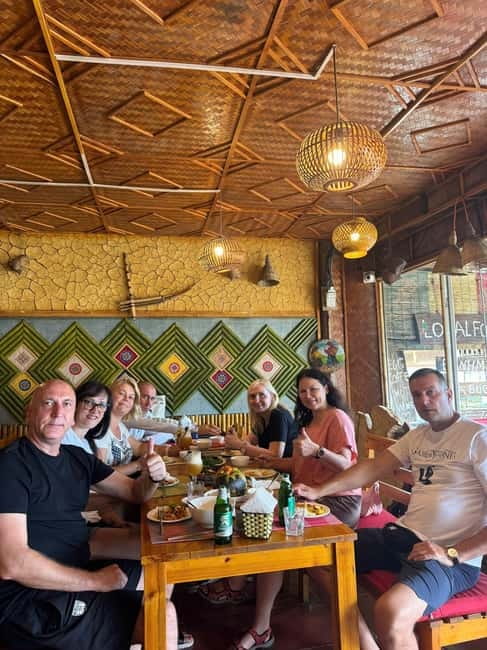
On arrival, a local representative meets you in Sapa. Lunch follows, usually Vietnamese dishes served at a local restaurant or hotel. Meals are included, which keeps spending simple, though the food has drawn mixed reactions. Some people find it basic but good, while others find the set menus ordinary or disappointing. If you have strong food preferences, bring a few snacks and tell the operator about dietary needs when you confirm.
Your luggage can remain in the bus trunk during the journey and be stored at the Sapa hotel before the walk. Keep your day bag with you. You will want rain protection, sun cream, insect repellent, medication, and a jacket close at hand.
The afternoon walk through Sapa’s mountain villages
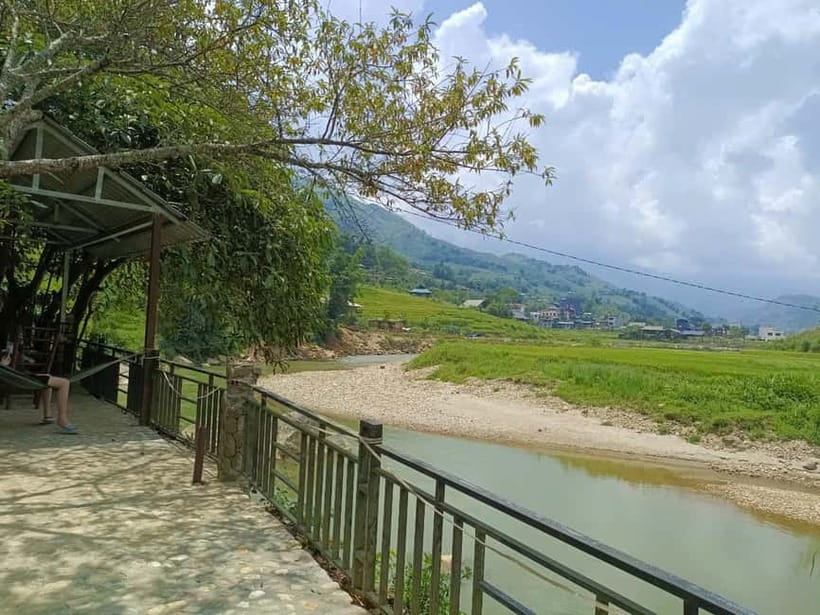
The village outing usually starts in the afternoon. The route described for this experience follows rice terraces and the Muong Hoa Stream toward Lao Chai, a Black Hmong village surrounded by the Hoang Lien Son mountains. Some arrangements instead use Cat Cat Village, where the path includes village homes, local crafts, traditional performances, shops, and many photo stops.
Do not picture a wilderness hike. Parts of the route are paved or run through village lanes, and one account describes the walk as more of a visit than a serious trek. You may spend two and a half to three hours walking at an easy pace, stopping often for photographs and explanations.
The scenery is the reward. Terraced fields step down the valley, and the farther you move from Sapa town, the more open the views become. The route can include steps, downhill sections, and an uphill return. If you have weak knees or limited stamina, ask about the exact route before setting out. The walking is manageable for many people, but it is not simply a flat town stroll.
A local Hmong guide adds context that you would miss on your own. You can ask about traditional clothing, weaving, farming, homes, and how people make a living in the mountain area. Some guides also help with pacing and make sure you do not lose the group on a winding route.
There is a commercial side to these villages. You may pass craft sellers, clothing rentals, cafés, and shops aimed at sightseers. Renting traditional clothing can cost about 50,000 Vietnamese Dong, according to one itinerary experience. That can be fun for photographs, but it is worth remembering that the villages are working communities, not just open-air sets.
After the walk, a car takes you back to the hotel. Dinner is included, followed by your overnight stay in Sapa.
The Sapa hotel: useful base, uneven standard
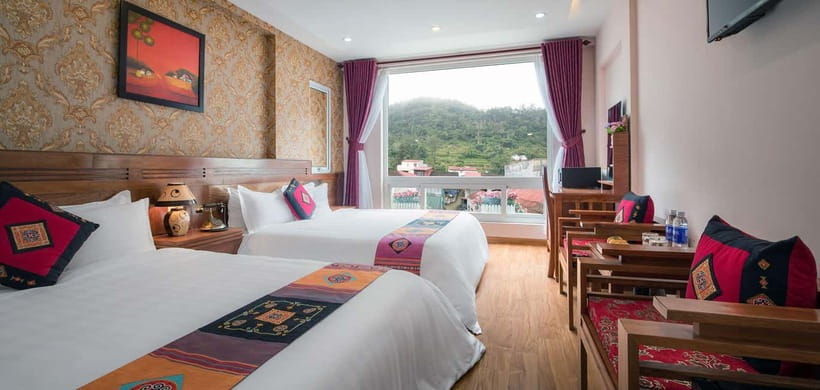
The package provides a double or twin room in a three-star hotel on a twin-sharing basis. The actual property can vary by departure, and the standard seems to range from perfectly comfortable to merely adequate.
Some stays have included clean, spacious rooms in a convenient location near the market and night market. A swimming pool and a good breakfast have also been available on upgraded four-star arrangements. Other stays have had weak internet, missing toilet paper, unclear towel placement, and showers that wet much of the bathroom.
That variation matters because this is a fast trip. You are not booking a resort holiday, but you do need a clean room and a hot shower after the village walk. If you value comfort, ask about a four-star upgrade before paying. If you mainly need a central bed for one night, the standard option may be enough.
The hotel location is generally useful for your free time. Sapa town is compact enough for a short walk around the lake, market area, cafés, and food stalls. Your free time is limited, so do not plan a long independent excursion beyond town.
Same base, a completely different day:
- Hanoi Jeep Tour: Food, Culture and Fun by Vietnam Army Jeep
★ 5.0 · 15,222 reviews - Full-Day Ninh Binh Highlights Tour from Hanoi
★ 5.0 · 7,761 reviews - Hanoi: Ha Long Bay Day Cruise – Swimming, Meal, Kayaking
★ 4.7 · 7,415 reviews - Hanoi: Water Puppet Show Tickets
★ 4.6 · 7,029 reviews
Day 2: Cable-car views and the summit stairs
After breakfast, a transfer takes you to the Fansipan cable-car station. The driver helps you buy the ticket, but the ride itself is not guided. The cable car takes about 20 minutes to reach the upper station, and you explore the summit area independently.
The extra ticket costs $35 per person, paid on arrival. It is not included in the package price, so add it to your budget. The ticket is a substantial extra cost, but arranging transport, a hotel, meals, and the mountain visit separately may cost more and require more planning.
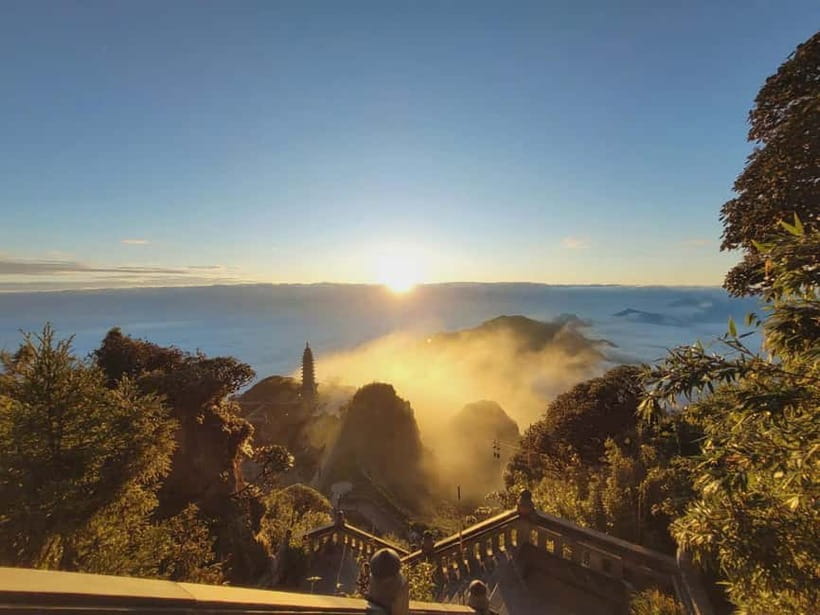
The ride gives you the broad views. Look for valleys, ridges, forests, and terraces below when the weather is clear. Fog can arrive quickly in the mountains. On a cloudy day, you may see little from the cabin, but the atmosphere at the top can be striking, with clouds moving around the pagodas and statues.
From the upper station, you can climb around 600 steps to the summit. The altitude reaches about 3,400 meters, and some people feel dizzy or short of breath. Move slowly, drink water, and do not treat the stairs as a race. A monorail is available for people who do not want to climb all the way.
At the summit, the weather can be cold, rainy, and windy even when Sapa town feels mild. Bring a warm layer and waterproof protection. A clear day may give you the great view you came for. A foggy day may give you temple roofs, statues, wind, and a memorable sense of height, but no distant panorama.
Fansipan is called the Roof of Indochina because it is the highest point in the Indochinese Peninsula. The cable car makes the mountain accessible to people who would not take a long summit trek, but the final stairs still require some effort. This is an important distinction: you are visiting a high mountain by cable car, not completing a full hiking ascent.
Lunch, free time, and the return to Hanoi
After Fansipan, you return to Sapa for lunch at the hotel. You then have some free time before boarding the bus south.
Use this window for a short town walk rather than attempting another major attraction. You can visit the market area, sit by the lake, look for a café, or buy small necessities. The tour does not leave enough room for a slow afternoon of wandering, especially if the summit transfer or weather causes delays.
The return journey is another long bus ride. The sleeper format can be relaxing, and children may enjoy the individual berths, but cramped cabins and road stops are part of the bargain. Bus changes can create confusion, especially when the driver speaks little English. Keep your phone charged and stay in touch with the local coordinator through WhatsApp, Line, Viber, or KakaoTalk.
The drop-off arrangement deserves a little patience. Meeting and ending points vary by booking option. In one reported situation, some people were taken to hotels while others waited on a Hanoi sidewalk at night. Confirm your final drop-off plan before departure, and keep enough cash for a taxi if your accommodation is not the designated meeting point.
How the value works
This is a package for convenience, not luxury. You receive round-trip Hanoi to Sapa transport, one hotel night, two lunches, dinner, breakfast, village admission, a local English-speaking guide, a return car from the village, and transfers to and from the Fansipan cable-car station.
The cable car is the main excluded expense at $35 per person. There is also a holiday surcharge of 700,000 Vietnamese Dong per person for listed dates including April 30, May 1, September 1 to 3, December 24 and 31, January 1, 2026, and other stated holiday periods. Confirm the applicable dates before booking.
For two people sharing a room, the package can make financial sense. You avoid arranging separate buses, hotel transfers, village transport, meals, and Fansipan access. You also get a local contact who checks that transfers happen as planned. Several bookings have included regular WhatsApp messages from coordinators such as Viet or Kate Nguyen.
The trade-off is control. You do not choose every restaurant, set your own village route, or spend a second night in Sapa. If you prefer independent travel, book your own hotel and transport. If you want the main sights with fewer decisions, this package earns its keep.
Weather, clothing, cash, and other practical details
Sapa weather can change the whole experience. Clear conditions may give you wide views from the cable car and summit. Rain and fog can erase the distant scenery, though the mountain temples and clouds can still be impressive.
Pack:
- Trekking shoes with a firm sole
- A warm jacket and rain layer
- Sunglasses and sun cream
- Insect repellent
- Any medication you need
- Small Vietnamese Dong notes
- A phone charger or power bank
Cash matters because banking services in Sapa can sometimes fail. Vietnamese Dong is the safest choice, though U.S. dollars, Euros, and Australian dollars are accepted in town.
Contact the operator with a working phone number and messaging app before departure. This is especially useful if the bus changes, your pickup point shifts, or weather affects the Fansipan visit.
Who should book this Sapa trip?
I would choose this tour if you have only two days, want Fansipan without arranging every connection yourself, and are comfortable with a busy schedule. It is a good match for couples, families who can manage a long bus ride, and first-time visitors who want a guided introduction to Sapa’s villages.
I would hesitate if you need roomy transport, polished hotels, flexible meals, or a serious multi-day mountain trek. You should also think twice if steep steps are difficult or if a six-hour bus ride without an onboard toilet would cause problems.
The guide quality appears to be the strongest part of the experience. A warm local guide can make the village walk meaningful, even when the food or hotel is only average. The mountain visit is more self-directed, but it is straightforward once the driver leaves you at the cable-car station.
Should you book it?
Book it if you want Sapa’s two headline experiences, a village walk and Fansipan Peak, in a compact package from Hanoi. The scenery, local guiding, and cable-car ride provide plenty of value, especially when you count the included meals, hotel, and transfers.
Skip it in favor of a longer Sapa stay if you can spare the time. Two days is enough to see the essentials, but not enough to slow down. Before confirming, check the bus type, hotel name, exact village route, final Hanoi drop-off, holiday surcharge, and the separate $35 Fansipan ticket. Those details will determine whether this feels like a smooth mountain escape or a rushed overnight outing.
FAQ
How long does the bus journey from Hanoi to Sapa take?
The journey takes about six hours each way, with short breaks in Phu Tho Province and Lao Cai city.
Is the bus a limousine bus or a sleeper bus?
The experience is described as using a limousine bus, but some departures use sleeper buses or upgraded sleeper buses. The vehicle type can vary by option booked.
Is there a toilet on the bus?
No. The sleeper bus does not have an onboard toilet, and stops are provided during the journey.
What is included in the tour?
The package includes round-trip Hanoi to Sapa bus travel, one night in a double or twin room at a three-star hotel, two lunches, one dinner, one breakfast, village entrance, a local English-speaking guide, transport back from the village, and hotel transfers to and from the cable-car station.
Is the Fansipan cable-car ticket included?
No. The round-trip cable-car ticket costs $35 per person and is paid on arrival.
How long is the Fansipan cable-car ride?
The cable-car ride takes about 20 minutes.
How many steps are there to Fansipan Peak?
You can climb about 600 steps to reach the summit. A monorail is available if you do not want to climb all the steps.
Is Fansipan Peak guided?
The driver takes you to the cable-car station and helps with the ticket, but you visit Fansipan independently without a guide.
What should I bring?
Bring trekking shoes, sunglasses, sun cream, insect repellent, needed medication, cash in Vietnamese Dong, and warm or rainproof clothing for Fansipan.
Can I use a foreign currency in Sapa?
U.S. dollars, Euros, and Australian dollars are accepted in Sapa, but Vietnamese Dong is recommended because banking services may not always work properly.
Newly listed around Hanoi
- Hanoi: Halong Bay Cruise, Amazing Cave, Titov Island & Kayak★ 4.2 · 39 reviews
- 2Days-1Night Halong Bay Luxury Genesis Regal Cruises★ 4.5 · 39 reviews
- Ninh Binh 1 Day Tour(Tam Coc – Mua Cave – Bich Dong)★ 5.0 · 39 reviews
- 8 days 360° Vietnam Adventure from Hanoi★ 5.0 · 39 reviews
- Dora Cruise – Luxury 5 Star Cruise in Halong Bay & Lan Ha Bay (2D1N)★ 4.5 · 39 reviews
- 3 Days and 2 Nights Ha Giang Loop Tour★ 5.0 · 39 reviews
- Best Value Ha Long bay 1 day – Lunch, kayak, swimming, transfer★ 5.0 · 39 reviews
- From Hanoi: Ha Giang Loop Motorbike Tours 3-Days 2-Nights★ 5.0 · 40 reviews
Sapa Trekking Tours, compared.

Sapa 2 Days 1 Night From Hanoi – Overnight in Ta Van Village
Read our review →

Muong Hoa Valley Trek and Local Ethnic Villages
Read our review →
Fansipan Cable, Cat Cat Village & Moana Instagram Tour
Read our review →

Sapa 3 Days 2 Nights Trekking Tour (1 Night In Ta Van Village, 1 Night In Hotel)
Read our review →
Eco Adventure Terrace Fields and Local Villages Trek
Read our review →
3-Day Trekking Adventure of Sapa from Hanoi – Stay Ta Van Village
Read our review →Browse the lists this tour appears in