
Reviewed · SAPA TREKKING TOURS
From Hanoi: 2-Day Overnight Sapa Tour by Limousine
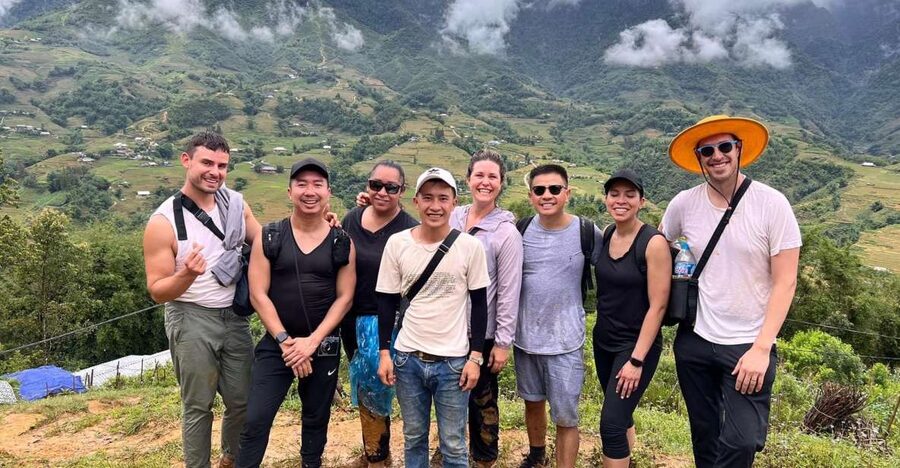
Sapa is at its best on foot, and this two-day trip gets you quickly from Hanoi’s streets to terraced hillsides and mountain villages. The strongest part is the long second-day walk from Y Linh Ho through Lao Chai to Ta Van, where the views open across Muong Hoa Valley and daily life feels less packaged for sightseeing.
I like the comfortable 9-seater limousine, which is a much better choice than a cramped vehicle for the six-hour road trip. I also like the guides, especially Ai, who has been praised for confident walking, clear explanations, and warm help in the villages. The main caution is the pace: the 9-kilometer trek can be slippery, tiring, and unsafe in rain, while the first-day village visit may feel more arranged for tourists than fully traditional.
Key points to know before booking
- A six-hour limousine ride connects Hanoi and Sapa, with two stops for restrooms and a light meal.
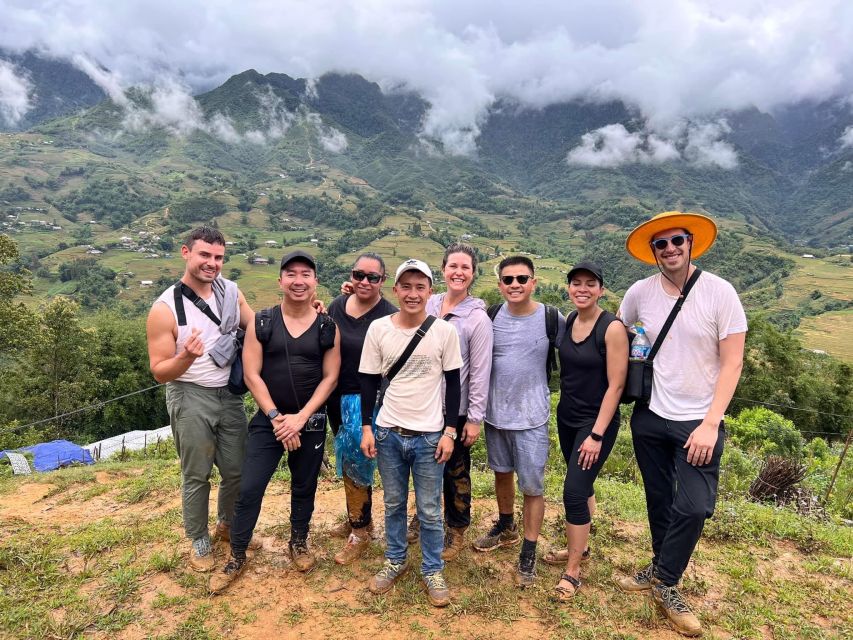
- The most demanding walk is on Day 2, covering about 9 kilometers through Y Linh Ho, Lao Chai, and Ta Van.
- Sin Chai is the shorter first-day trek, covering about 4 kilometers before a van returns you to Sapa.
- You stay one night in a 3 or 4-star Sapa hotel, depending on the option you select.
- Black H’mong and Dzay communities are central to the visit, with village homes, customs, farming areas, and local guides forming the cultural focus.
- Bring cash, warm layers, and shoes with strong grip, since Sapa weather changes quickly and banking systems may not work.
The long road from Hanoi to Sapa
The tour begins with hotel pickup in Hanoi’s Old Quarter around 6:30 to 7:00 AM. You then settle into a shared 9-seater limousine for the roughly six-hour trip north.
That is a sizable chunk of a two-day trip, so it helps to be realistic. You are not getting two full days in Sapa. You are getting one afternoon, one overnight stay, and one active morning before the return drive. The limousine makes the ride easier, with wide seats and good legroom according to several detailed accounts, but the road can still feel bumpy and the journey is long.
There are two stops for restroom breaks and, if needed, a light meal. Bring water and a few snacks anyway. The included food begins with lunch after you reach Sapa, not during the Hanoi transfer.
Pickup is limited to hotels in the Old Quarter area of Hoan Kiem. One practical weakness is that the Hanoi transfer may not include the English-speaking guide. The driver may speak little or no English, and some passengers have had to wait or make several calls before the vehicle arrived. Keep the provider’s contact number handy, and do not plan a tight connection after the tour ends.
A few other Hanoi trips to compare
- Sapa 2 Days 1 Night From Hanoi – Overnight in Ta Van Village
★ 5.0 · 2,669 reviews - Hanoi – Sapa 2 Days 1 Night Overnight At Homestay
★ 5.0 · 899 reviews - From Hanoi: 2-Day Sapa Trekking Trip with Homestay & Meals
★ 4.8 · 704 reviews
First views of Sapa and the Sin Chai walk
After arriving in Sapa, you have lunch at the hotel restaurant, check in, and get time to rest before the afternoon walk. That pause matters. The journey from Hanoi is tiring, and starting a village trek immediately would make the day feel rushed.
The first outing heads southwest toward Sin Chai, around 4 kilometers in total. Sin Chai is associated with the Black H’mong community and sits a little over 2 kilometers from central Sapa. It is described as a simple highland village, with a more rustic feel than the town itself.
The walk is a good introduction to the area. You get your first close look at mountain paths, homes, and village routines without taking on the full length of the next day. A van brings you back to the hotel afterward, giving you time to wash up before dinner.
The cultural element is worthwhile, but keep your expectations measured. Some parts of the first-day visit can feel arranged with sightseeing in mind. One account also described a village and waterfall stop as clearly made for tourists, while praising the scenery. That is a fair way to see Sin Chai: enjoy the setting and the chance to learn, but do not expect every moment to feel untouched by tourism.
Dinner is generally around 6 PM. Afterward, you have free time to walk around Sapa at night, shop, or try simple snacks such as roasted corn and baked eggs beside a charcoal fire. These small food stalls offer a pleasant contrast to the formal tour schedule.
One night in Sapa
Accommodation is in a 3 or 4-star hotel, based on the option you choose. The hotel quality appears to be one of the more reliable parts of the package. The Relax Hotel was described as comfortable, and another account called the 3-star property one of the best of its category they had used.
Still, do not book this as a luxury hotel break. The hotel is mainly a clean and convenient base between walks. Your room gives you a place to rest, shower, and repack, but the mountains are the reason to come.
The package includes one night, breakfast, and the listed lunches and dinner. The information provided includes two lunches, one breakfast, and one dinner, although the day-by-day schedule is not perfectly clear about when the second lunch is served. Ask the operator to confirm the meal schedule if food planning matters to you.
Drinks and personal expenses are not included. Carry Vietnamese Dong, since card and banking services in Sapa may not work properly. US Dollars, Euros, and Australian Dollars are also accepted in Sapa, but local cash is the safer choice for small purchases.
The 9-kilometer route through Muong Hoa Valley
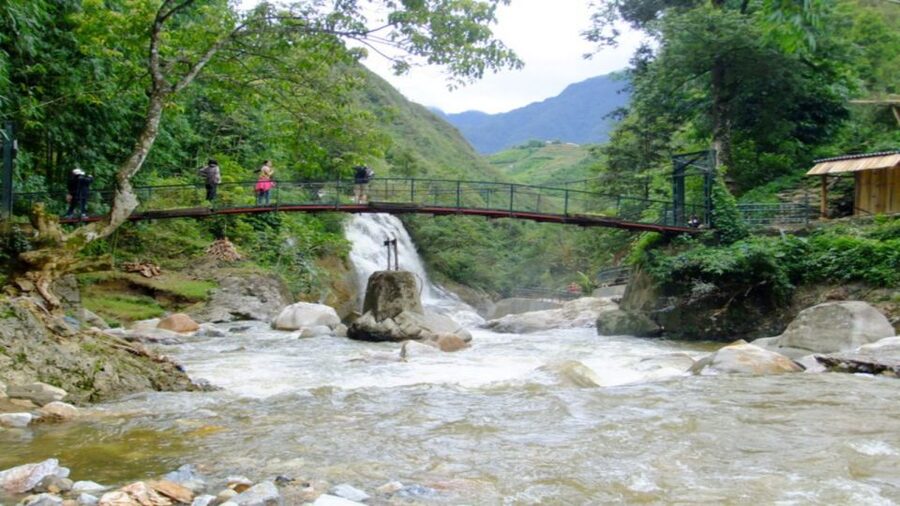
The second morning is the heart of the tour. After breakfast, you travel down the southeastern side of Sapa toward Y Linh Ho, then continue to Lao Chai and Ta Van.
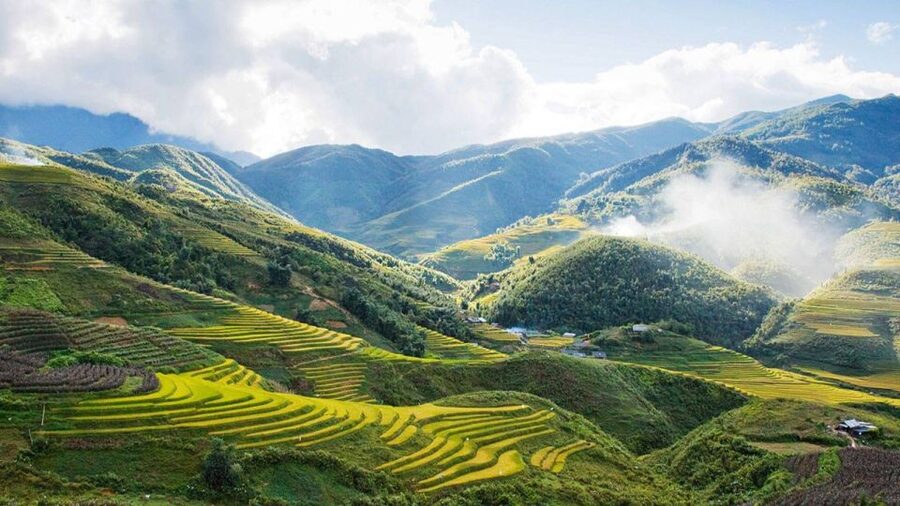
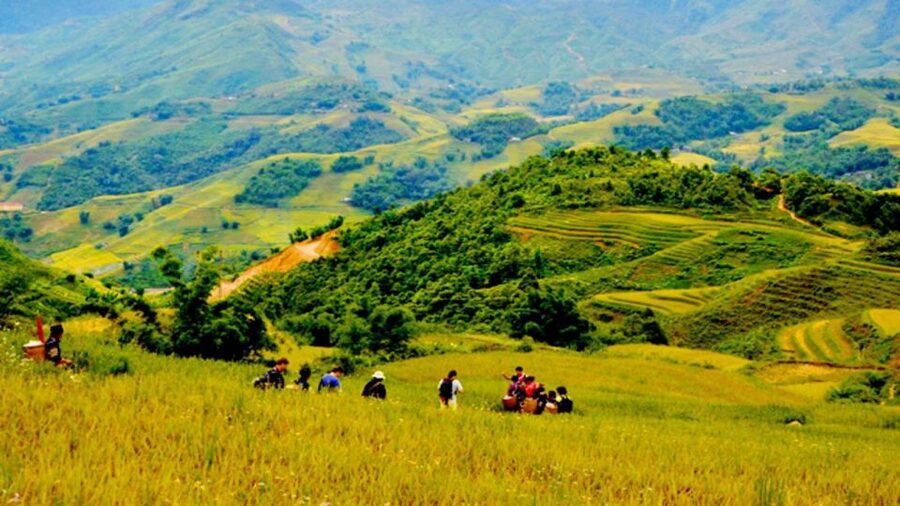
The walk is described as about 6 kilometers to Y Linh Ho, followed by another 2 kilometers to Lao Chai, with the full route reaching roughly 9 kilometers. You move through the Muong Hoa Valley and alongside terraced rice fields. The scenery is the real reward: steep mountain slopes, wide valley views, and paths that connect several communities rather than ending at one lookout.
Y Linh Ho and Lao Chai are linked with the Black H’mong people. Ta Van is associated with the Dzay minority. Moving between these villages gives the guide a natural chance to discuss differences in home design, customs, and everyday work.
The walking itself is not a flat city stroll. It can be muddy and slippery, especially in wet weather. One account specifically advised bringing shoes with good grip, and that is essential advice. Comfortable footwear alone is not enough if the soles are smooth.
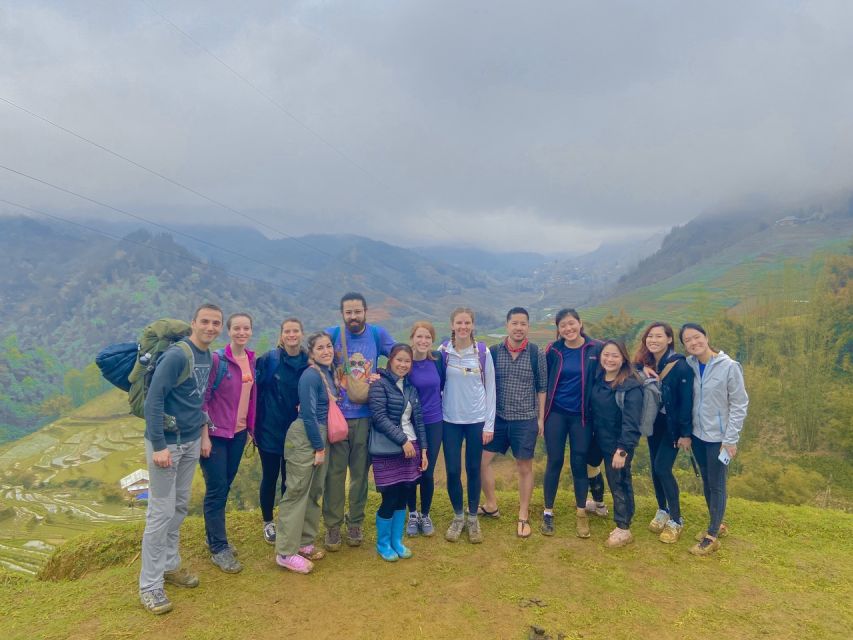
The guide makes a major difference here. Ai has been singled out for handling the paths with confidence and explaining village life clearly. Lala was also praised for making the day memorable. The local guides who sometimes accompany the trek can help with difficult sections, but there is an important practical detail: some may try to sell you handicrafts or other goods at the end of the walk. Be polite, but decide your budget before you start.
If you are older, unsteady on your feet, or uncomfortable with steep and wet paths, do not treat the 9-kilometer route casually. The operator says older people should avoid it because rain can make the route dangerous. If you decline the long trek, the tour leader can arrange another visit, but you pay any extra entrance and transport costs yourself.
Same base, a completely different day:
- Hanoi Jeep Tour: Food, Culture and Fun by Vietnam Army Jeep
★ 5.0 · 15,222 reviews - Full-Day Ninh Binh Highlights Tour from Hanoi
★ 5.0 · 7,761 reviews - Hanoi: Ha Long Bay Day Cruise – Swimming, Meal, Kayaking
★ 4.7 · 7,415 reviews - Hanoi: Water Puppet Show Tickets
★ 4.6 · 7,029 reviews
What the cultural visits really offer
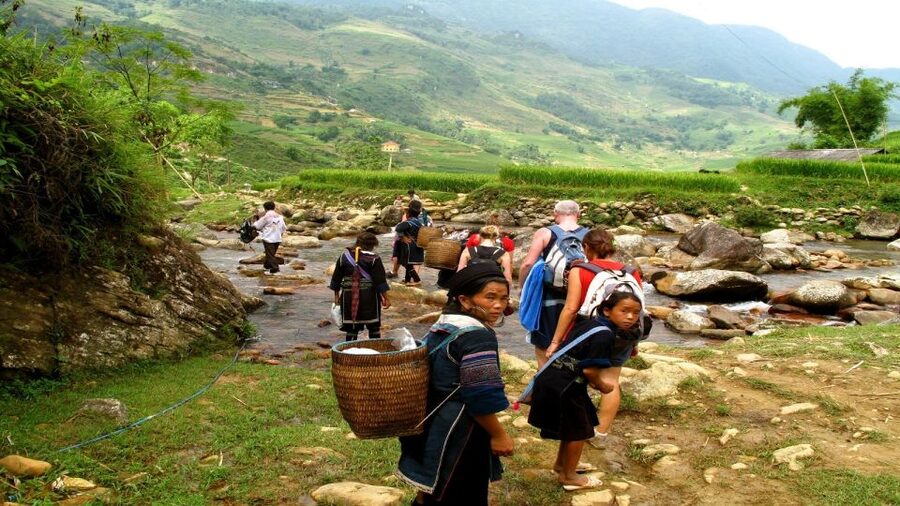
This is not a museum tour. You learn about Black H’mong and Dzay communities by walking through their villages and seeing the relationship between homes, paths, fields, and valley terrain.
Ta Van is especially useful for understanding local house architecture and household customs. The guide can explain how the buildings connect with daily life, rather than presenting culture as a short performance or isolated display.
At the same time, Sapa has been receiving visitors for years, and not every village encounter will feel private or spontaneous. The first afternoon is more likely to feel staged than the second-day route, which passes through several communities and agricultural areas. I would book this for access and context, not for an entirely untouched village experience.
The best approach is respectful and observant. Listen to the guide, ask before photographing people, and remember that a village is a home, not simply a scenic stop. The package includes entry tickets to the listed places, but personal purchases and drinks remain your responsibility.
Food, guides, and the moving parts
The package includes hotel meals, with lunch on arrival, dinner on the first evening, breakfast, and another lunch listed among the inclusions. The food has generally been considered good, though individual menus are not specified. If you have dietary needs, confirm them before departure rather than assuming the standard meal will suit you.
There are several people involved in making the trip work: the Hanoi transfer driver, Sapa transport drivers, the English-speaking tour guide, and local village guides. That division can cause confusion at the beginning. Some passengers have felt lost because the main guide only met them after reaching Sapa.
Once the guide takes over, the experience appears much more settled. English ability has been described as good, and the strongest praise is directed at friendliness, care, and practical help during the walks. Ask for the guide’s name and meeting point when you check in, especially if you arrive before the guide collects you.
The return limousine leaves Sapa at about 2:30 PM on Day 2. You return to Hanoi around 8:30 to 9:00 PM. That makes the tour useful for a short Hanoi visit, but it also leaves little room for delay. The overall rating of 4.2 from 114 ratings fits the pattern: the scenery, hotel, transport comfort, and guiding are often strong, while pickup confusion and occasional transport problems can reduce the score.
Is $150 a fair price?

At $150 per person, the package covers a lot in a short period: shared limousine transport both ways, local Sapa transfers, a guide, village entry tickets, hotel accommodation, and several meals.
The value is strongest if you want a simple package and have only two days available. Booking transport, hotel, village visits, and a guide separately would take more planning, and the operator handles the long Hanoi to Sapa connection for you.
The value is weaker if you want a slow Sapa stay. Six hours each way means much of the trip is spent in transit, and the itinerary gives you only one substantial trekking morning. A longer stay would let you walk at a gentler pace and respond better to fog or rain.
Solo visitors should also check the single supplement. The shared tour price does not necessarily cover a private room, and an extra charge applies to solo accommodation.
Free cancellation is available up to 24 hours before departure, and you can reserve without paying immediately. Those terms help if your Hanoi schedule is still changing, but confirm the exact starting time when you select your date.
Who should book this Sapa trip?
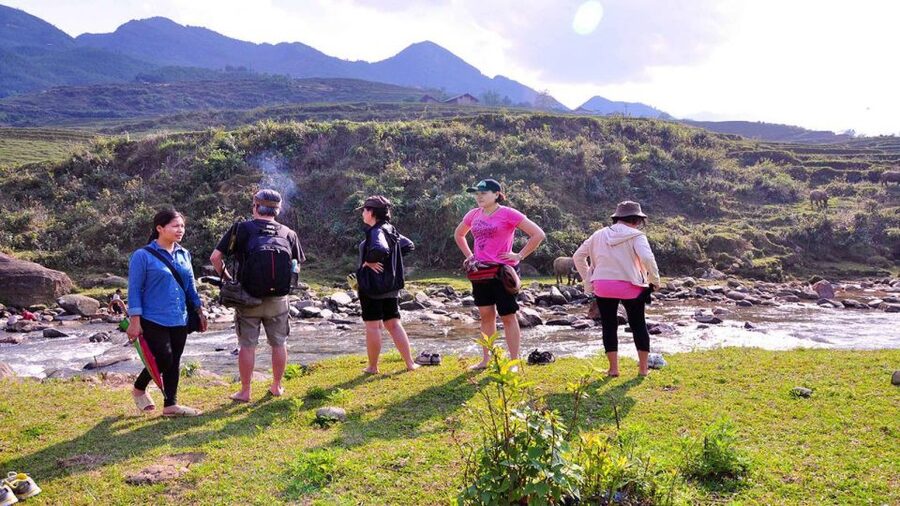
I would choose this tour if you want to see Sapa from Hanoi without arranging every transfer yourself. It suits active adults who can manage several hours of walking, uneven ground, and a long road journey in both directions.
It is also a good fit if your priority is mountain scenery and contact with village life rather than luxury or a leisurely pace. The guide-led format helps you understand the ethnic communities you pass through, which adds more meaning than simply taking photographs from a roadside viewpoint.
I would think twice if you have mobility limitations, use a wheelchair, dislike steep paths, or want a quiet, unhurried holiday. The tour is not suitable for wheelchair users or people with mobility impairments, and the long trek should be avoided by anyone who may struggle in rain.
Pack comfortable shoes with strong tread, warm clothes, a scarf, a hat, sunglasses, insect repellent, and any medicine you may need. Sapa can be cold from September through March, and fog is common from December through March because of the altitude. A camera is useful, but dry feet and a warm layer matter more.
Should you book it?
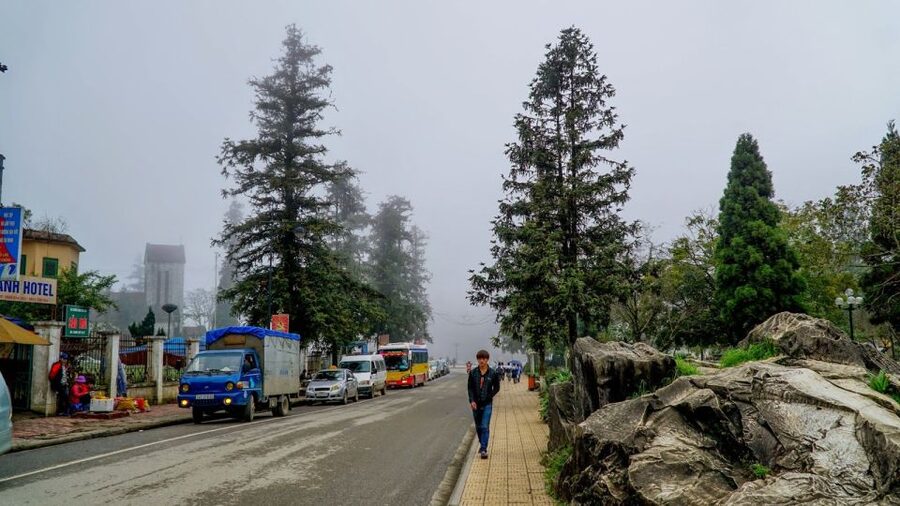
Book it if you want a well-organized introduction to Sapa in only two days, and you accept the six-hour road journey and demanding second-day walk. The limousine, hotel, meals, village tickets, and local transfers make the $150 price reasonable for a short, packaged visit.
Skip it if you want guaranteed smooth pickup communication, a fully independent village experience, or enough time to adjust your plans around mountain weather. For the best version of this trip, confirm your Hanoi pickup the night before, request clear guide instructions, choose the limousine option, and make sure your footwear can handle mud and steep paths.
FAQ
How long is the tour from Hanoi to Sapa?
The tour lasts two days. The drive from Hanoi to Sapa takes about six hours, and the return drive takes roughly six to six and a half hours.
What time is pickup in Hanoi?
Hotel pickup in Hanoi’s Old Quarter is scheduled for around 6:30 to 7:00 AM. Pickup is included only for hotels in the Old Quarter area of Hoan Kiem district.
What kind of transport is used?
The tour uses a shared 9-seater limousine for the Hanoi to Sapa and Sapa to Hanoi journeys. Local transfers in Sapa are provided by van or other local vehicles with drivers.
Which villages are included?
The itinerary includes Sin Chai on the first afternoon, followed by Y Linh Ho, Lao Chai, and Ta Van on the second day. The villages are associated with Black H’mong and Dzay communities.
How difficult is the trekking?
The first-day trek to Sin Chai is about 4 kilometers. The second-day route is about 9 kilometers and can be challenging, slippery, and dangerous in rain. It is not suitable for people with mobility impairments or wheelchair users.
Where do I stay overnight?
You stay one night in a 3 or 4-star hotel in Sapa, depending on the option selected. The accommodation package may include different hotel categories.
Are meals included?
The package includes one breakfast, two lunches, and one dinner. Drinks and personal expenses are not included.
Should I bring Vietnamese cash?
Yes. Banking systems in Sapa may not work properly, so Vietnamese Dong is recommended. US Dollars, Euros, and Australian Dollars are also accepted in Sapa.
Can I cancel the tour?
You can cancel up to 24 hours in advance for a full refund. The tour also allows you to reserve now and pay later.
Newly listed around Hanoi
- Hanoi: Halong Bay Cruise, Amazing Cave, Titov Island & Kayak★ 4.2 · 39 reviews
- 2Days-1Night Halong Bay Luxury Genesis Regal Cruises★ 4.5 · 39 reviews
- Ninh Binh 1 Day Tour(Tam Coc – Mua Cave – Bich Dong)★ 5.0 · 39 reviews
- 8 days 360° Vietnam Adventure from Hanoi★ 5.0 · 39 reviews
- Dora Cruise – Luxury 5 Star Cruise in Halong Bay & Lan Ha Bay (2D1N)★ 4.5 · 39 reviews
- 3 Days and 2 Nights Ha Giang Loop Tour★ 5.0 · 39 reviews
- Best Value Ha Long bay 1 day – Lunch, kayak, swimming, transfer★ 5.0 · 39 reviews
- From Hanoi: Ha Giang Loop Motorbike Tours 3-Days 2-Nights★ 5.0 · 40 reviews
Sapa Trekking Tours, compared.

Sapa 2 Days 1 Night From Hanoi – Overnight in Ta Van Village
Read our review →

Muong Hoa Valley Trek and Local Ethnic Villages
Read our review →
Fansipan Cable, Cat Cat Village & Moana Instagram Tour
Read our review →

Sapa 3 Days 2 Nights Trekking Tour (1 Night In Ta Van Village, 1 Night In Hotel)
Read our review →
Eco Adventure Terrace Fields and Local Villages Trek
Read our review →
3-Day Trekking Adventure of Sapa from Hanoi – Stay Ta Van Village
Read our review →Browse the lists this tour appears in