
Reviewed · SAPA TREKKING TOURS
2-Day Sa Pa Ethnic Homestay Tour & Trek with Limousine Bus
Sa Pa is at its best when you leave the town behind. This two-day trip takes you down through rice terraces, along the Muong Hoa Stream, and into Black Hmong villages where mountain life is still part of the daily routine. The night at Ta Van gives the trip its heart, with a family-style meal, a simple bed, and a closer look at village life. The local guide makes a big difference, and guides such as Soso, Sua, Soa, and Tung have been praised for their English, humor, and care. I also like the comfortable limousine bus, which removes much of the strain from the long Hanoi to Sa Pa journey.
The main thing to weigh is the trekking. It is moderate, but steep and slippery sections can make it demanding, especially after rain. Fog can also hide the famous mountain views, and some local women who accompany the walk may press you to buy handmade goods. Bring proper hiking shoes, patience, and some cash, and you will be better prepared for the real Sa Pa experience.
Key points at a glance
- Black Hmong villages: Walk through Lao Chai and Ta Van, with views of the Hoang Lien Son mountains and the Muong Hoa valley.
- Local Hmong guides: Guides including Soso, Sua, Soa, and Tung explain village life, local customs, nature, and their own experiences.
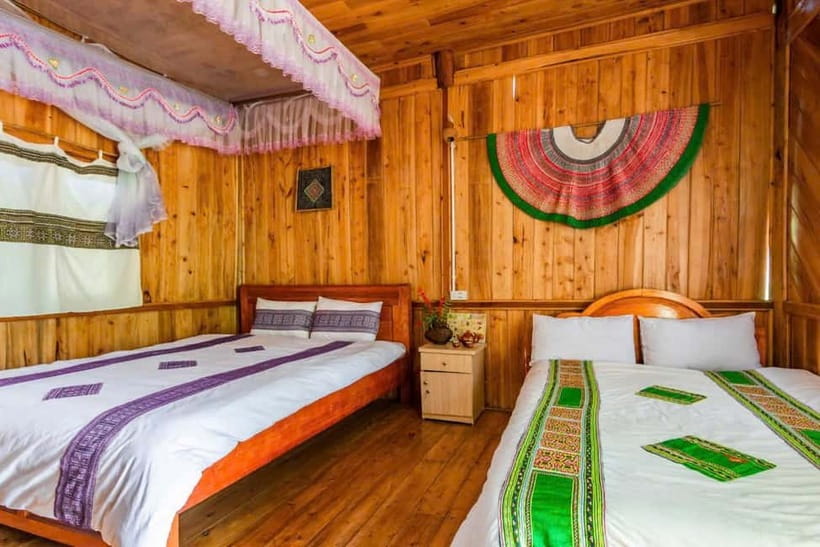
- A night in Ta Van: Sleep on a single mattress in a basic but clean homestay, with fresh food and clean water.
- Two very different walks: The first day is about 8 kilometers and mainly downhill, while the second covers about 4 kilometers over rolling ground and through bamboo forest.
- Flexible transport options: The standard journey uses a limousine bus, while some bookings offer an upgraded sleeper bus or private room.
- Prepare for sales pitches: Local women may help you on muddy paths, then offer handmade scarves, jewelry, and other goods for sale.
Why this two-day Sa Pa trip works
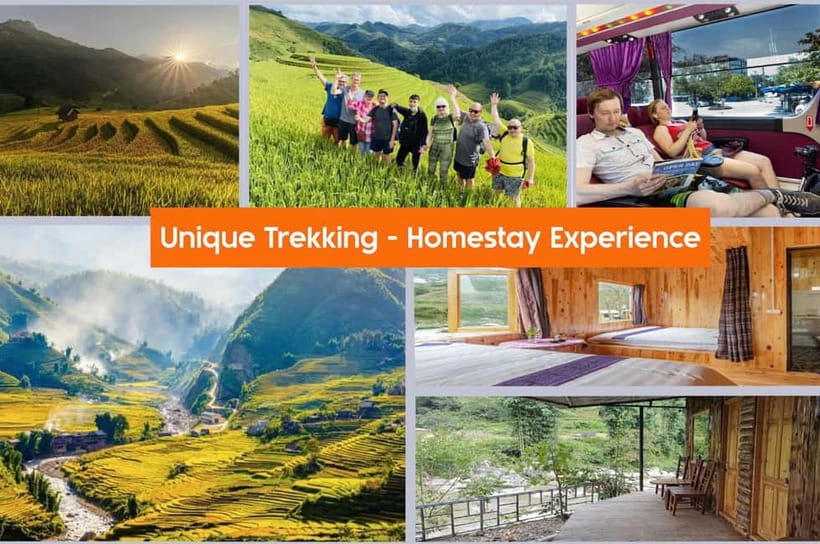
I like this tour because it gives you the main ingredients of northern Vietnam in a short time: mountain walking, rice terraces, village culture, local food, and a night away from town. You do not spend the whole trip sightseeing from a vehicle. After arriving in Sa Pa, you use your feet to reach the villages.
The schedule is compact. One day is spent getting from Hanoi to Sa Pa and trekking to the homestay, while the second combines another walk with the return bus to Hanoi. That makes this a useful choice if your Vietnam trip is tight on time. It also means you should not expect a slow, restful mountain holiday. This is an active trip with early starts and a fair amount of road travel.
The guide is central to the experience. A good guide can explain the difference between the Hmong, Dzao, and Tay communities, point out farming practices, and make the long walks feel social rather than purely physical. Guides named Soso, Sua, Soa, and Tung have been especially well regarded for their clear English and warm manner. Your assigned guide may be different, but the tour is designed around a local Hmong English-speaking guide.
More Hiking Tours in Hanoi
- Halong Bay Full Day with Kayaking, Hiking viewpoint, Cave – Deluxe To Luxury
★ 5.0 · 884 reviews - From Hanoi: 2-Day Sapa Trekking Trip with Homestay & Meals
★ 4.8 · 704 reviews - Sapa 3 Days 2 Nights Trekking Tour (1 Night In Ta Van Village, 1 Night In Hotel)
★ 5.0 · 699 reviews
The limousine bus from Hanoi to Sa Pa
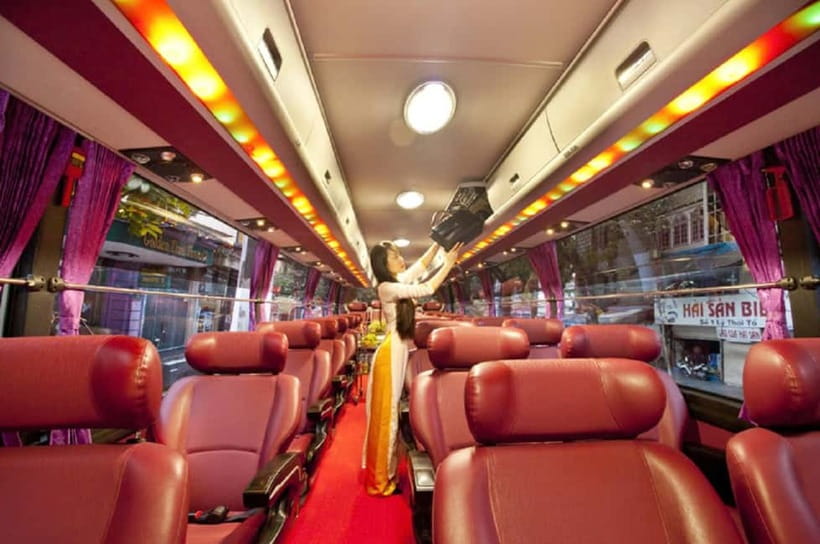
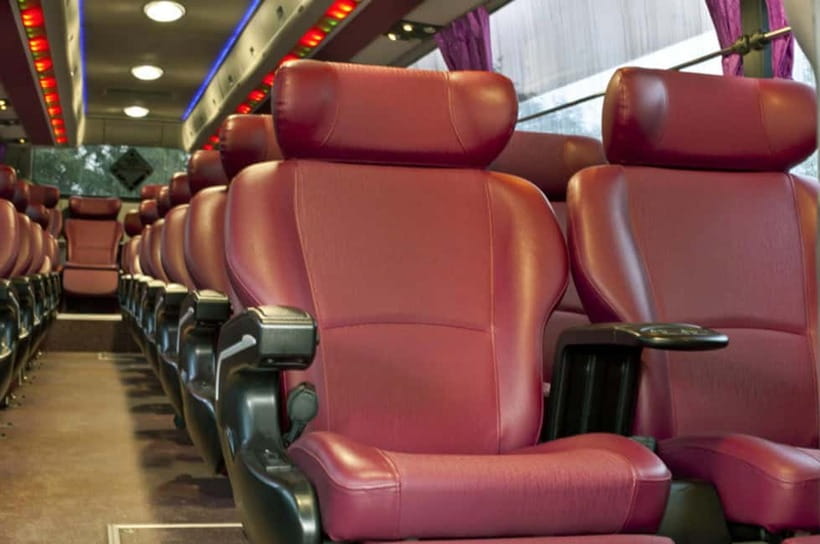
Your morning begins with the bus from Hanoi, traveling by the newer highway via Lao Cai. The limousine bus is an important part of the value here. The journey is long, so a more comfortable vehicle can make the difference between arriving ready to walk and arriving worn out.
Some bookings include or offer an upgrade to a sleeper bus with individual cabins. This is not the same setup as an ordinary coach seat. Past passengers have described the sleeper option as comfortable, with a blanket, water, and Wi-Fi along much of the route. It can feel odd at first, especially if you have not used a Vietnamese sleeper bus before, but the individual berth gives you a chance to rest.
Check exactly which bus option your booking includes. The activity description lists a round-trip limousine bus as optional, and the operator can arrange upgrades in some cases. If you value sleep and personal space, ask about the sleeper bus before departure rather than assuming it comes with every package.
When you reach Sa Pa, a representative meets you at the bus stop. You go to a hotel in town to rest, eat lunch, and leave your larger luggage. The trunk of the bus can hold bags during the outward journey, and luggage can then be stored at the Sa Pa hotel until you return on day two. You should carry a small day bag with everything needed for the homestay.
Lunch in Sa Pa before the first walk
The included lunch is practical rather than elaborate. It gives you local food and fuel before the trek, and you can take a short break at the hotel before setting off. This pause also lets you organize your luggage, refill what you need, and put on suitable shoes.
Sa Pa town itself is not the focus of this trip. You see it as a starting point and return point, not as the main attraction. That is a good thing if your priority is rural scenery and village life, but less ideal if you want plenty of time for cafés, markets, or town sightseeing.
Day one: Lao Chai, rice terraces, and Ta Van
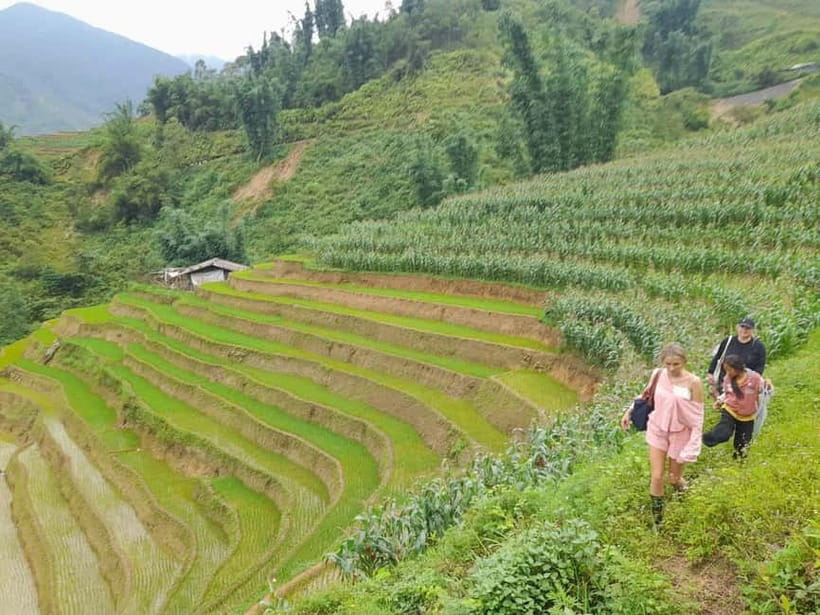
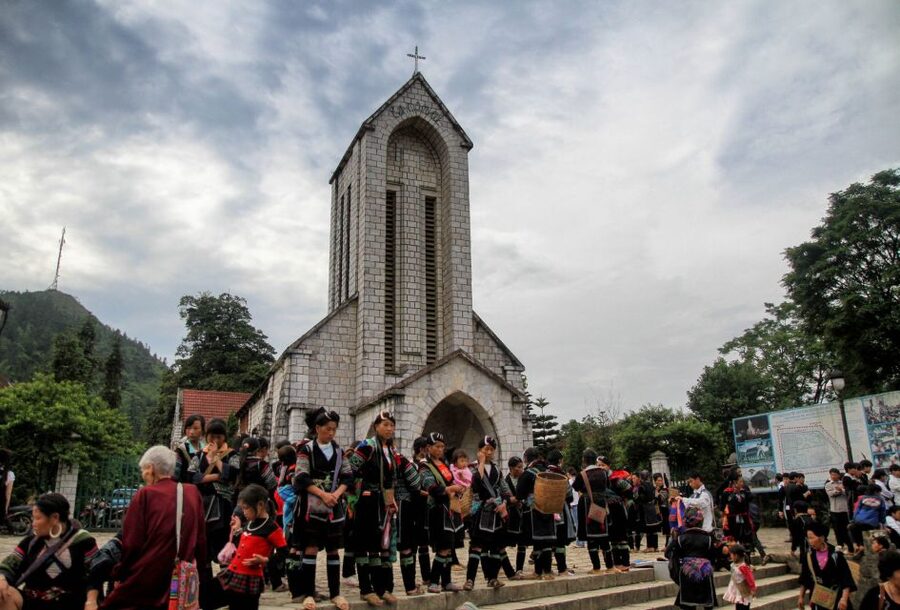
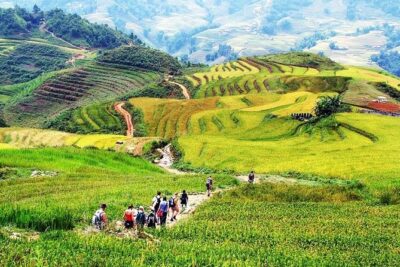
The first walk leads through the rice terraces and follows the Muong Hoa Stream. The route continues toward Lao Chai, a Black Hmong village surrounded by the Hoang Lien Son mountains. This is the point where the trip begins to feel far removed from Hanoi.
The terraces change with the season. During the growing months, they can be vivid green. After harvest, the fields look more muted, but the stepped hillsides and mountain setting still make the walk worthwhile. Fog is common in Sa Pa, and low visibility may hide some viewpoints. Do not book this trip only for postcard views. The village paths, conversations, and changing weather are part of the experience too.
The first trek is often around 8 kilometers and mostly downhill. That sounds easy until you meet wet stone, uneven earth, or a steep drop. Downhill walking can be hard on your knees, and mud removes any advantage of ordinary sneakers. Hiking shoes with firm grip are essential. A walking pole may also help, though one is not listed as included.
Along the way, local women may walk with your group and offer a hand on slippery sections. Their help can be welcome, particularly after rain. At some point, they may try to sell handmade crafts, including jewelry, scarves, and other goods. You can support them by buying something if you genuinely want it, but you should not feel obliged. A polite but firm no is usually clearer than a long explanation.
The walk ends in Ta Van, an ethnic village in the Muong Hoa area. Reaching the homestay on foot gives you a stronger sense of place than arriving by car. You have crossed fields and small trails rather than simply checking into a room in Sa Pa town.
A few other Hanoi trips to compare
- Sapa 2 Days 1 Night From Hanoi – Overnight in Ta Van Village
★ 5.0 · 2,669 reviews - Hanoi – Sapa 2 Days 1 Night Overnight At Homestay
★ 5.0 · 899 reviews - 3-Day Trekking Adventure of Sapa from Hanoi – Stay Ta Van Village
★ 5.0 · 611 reviews - Sapa 2 Days 1 Night From Hanoi – Overnight in Hotel
★ 5.0 · 440 reviews
The Ta Van homestay: basic, clean, and social
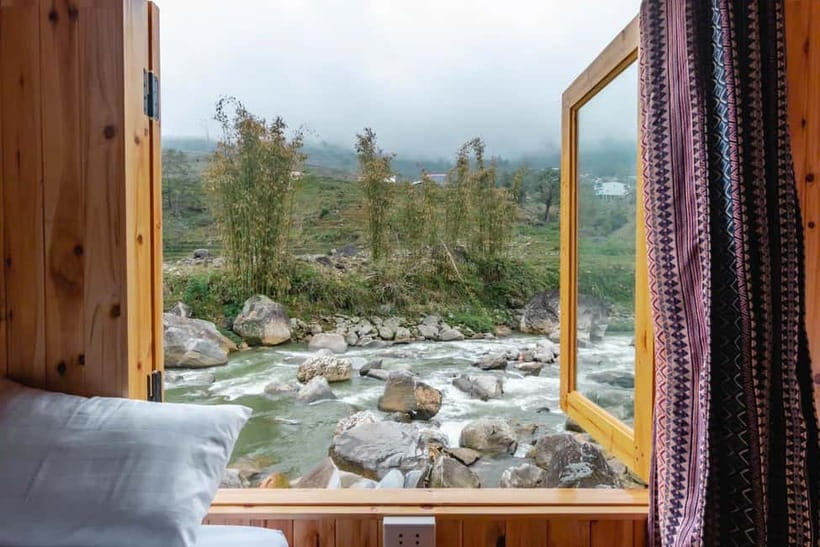
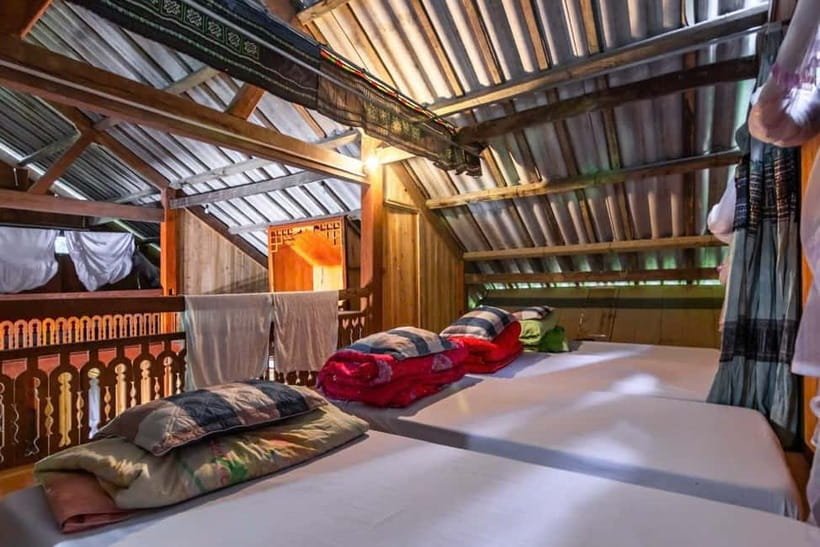
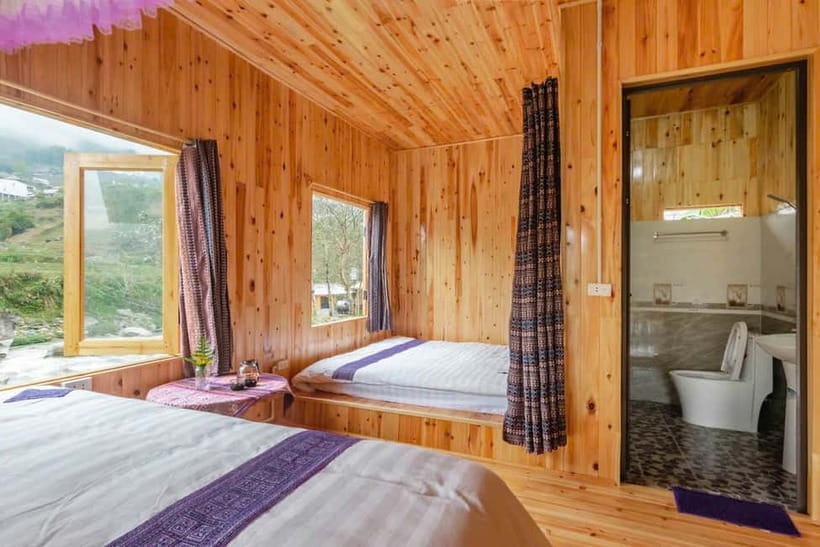
The homestay is basic, and the facilities reflect village life rather than city hotel standards. You sleep on a single mattress, and the accommodation provides clean water and fresh food. Several bookings have included a private room or offered a private-room upgrade, but you should request this when booking if it matters to you.
The useful distinction is comfort versus luxury. You can expect a bed, shower, food, and a clean place to sleep, but not polished hotel service. Some people describe the accommodation as more like a small guesthouse than a family home. Its location by the river and its village setting still make the overnight stay worthwhile.
Dinner is one of the strongest parts of the trip. You eat food prepared by the host, and some arrangements allow you to dine with the family. That shared meal offers a better window into local life than a brief photo stop. Do not expect a long formal cultural presentation, though. One weakness is that the host may not spend much time explaining traditions directly, so most cultural interpretation comes from your guide.
Bring earplugs if you sleep lightly. Village mornings can begin early, and nighttime may include household or village noise. This is not a serious problem, but it is part of choosing a rural homestay over a hotel in Sa Pa.
Day two: bamboo forest and Giang Ta Chai
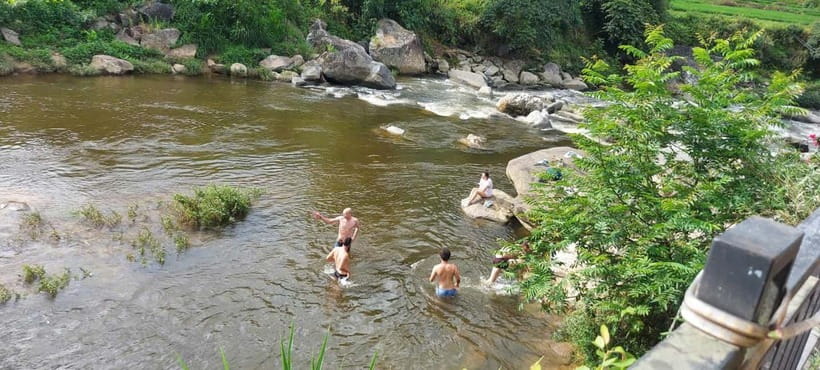
After breakfast prepared by the family, you begin the second walk through rice paddies and bamboo forest. This route is shorter, around 4 kilometers, but it is not flat. Expect rolling ground, uneven paths, and some effort underfoot.
The bamboo forest is a memorable section because it changes the feel of the walk. Instead of open terraces and broad mountain views, you move through a narrower, greener setting. The route then reaches viewpoints over Giang Ta Chai village, followed by the Giang Ta Chai Bridge.
The second day can be muddy after rain, but several people find that the difficulty adds to the mountain experience. Your guide and local helpers can assist on tricky sections. Still, do not treat their presence as a substitute for good equipment. Wear hiking shoes, pack spare clothes, and keep electronics protected from rain.
After the walk, a vehicle takes you from Giang Ta Chai back to the Sa Pa hotel. You have lunch there and time for a shower before the return bus. This is a thoughtful arrangement because trekking in wet mountain conditions can leave you muddy and tired. The return to Hanoi ends at the meeting point, so you arrange your own way back to your hotel.
Food, culture, and the human side of the walk
The meals include two lunches, one dinner, and one breakfast. Food quality is often a highlight, especially at the homestay, where fresh dishes are prepared for the group. Drinks are not included, so keep money handy for water or other purchases.
The cultural value comes through small moments rather than a staged show. You see traditional clothing associated with Hmong, Dzao, and Tay communities, walk through working fields, and hear about mountain life from someone who lives in the region. Guides such as Sua and Soso have been praised for sharing their own experiences, which can make the information feel personal and grounded.
The craft sellers are part of the complicated side of the experience. Their products are handmade, and buying can be a direct way to support local households. At the same time, several people find the selling persistent, particularly when a group is accompanied for much of the walk. Decide before you set out if you want to shop, set a spending limit, and be clear when you do not.
Weather, fitness, and what to pack
Sa Pa weather can change the character of the trip. Fog may soften or block the views, while rain can turn paths into slippery tracks. Some people have had clear mountain scenery, while others have enjoyed the cultural side of the trip despite poor visibility.
Pack for an active, wet day:
- Hiking shoes with strong grip
- Sunglasses and sunscreen
- Insect repellent
- Spare clothes
- Cash in Vietnamese Dong
- A small bag for the homestay
- Earplugs if you are sensitive to noise
Cash matters because the banking system in Sa Pa can be unreliable. Vietnamese Dong is best, though US Dollars, Euros, and Australian Dollars are accepted. You may want money for drinks, crafts, and other small purchases. Tips for the guide and driver are not included.
The walk is not suitable for children under six, wheelchair users, or people with mobility impairments. If you are slower on hills, tell the guide early. The pace has been adjusted successfully for some older participants, but the route still includes steep and slippery ground.
How good is the value?
The value depends on what you want from Sa Pa. You are paying for transport from Hanoi, a local guide, village entry, meals, a homestay, and the vehicle back to the hotel after the second walk. You also avoid arranging several separate pieces yourself, including the transfer, guide, food, and rural accommodation.
The main saving is time and effort. Planning a two-day mountain trip independently can mean finding the right village route, transport, and place to sleep. Here, those parts are connected. The tradeoff is less freedom to change the route or linger in one village.
There are also optional costs. A limousine bus may be optional depending on the booking, and sleeper bus or private-room upgrades may cost more. Holiday dates carry a surcharge of 700,000 Vietnamese Dong per person, paid onsite, on April 30, May 1, September 1, 2, and 3, December 24 and 31, January 1, and Lunar New Year. Ask for the full price of your chosen option before confirming.
Who should book this Sa Pa homestay trek?
I would choose this trip if you want a first taste of northern Vietnam’s mountain communities without spending several days in Sa Pa. It suits reasonably fit adults who enjoy walking, local food, changing weather, and simple accommodation.
It is especially useful for solo visitors and couples who want a guide but do not want to arrange every detail themselves. The guide can make it easier to ask respectful questions about local culture, and the organized transport reduces uncertainty.
I would look elsewhere if you need luxury, guaranteed clear views, a flat walking route, or a quiet hotel night. I would also consider staying three days and two nights if your schedule allows. Two days, including the long road journeys, is enough for a strong introduction, but it can feel rushed.
Final verdict: book it for the villages, not just the views
I recommend this tour if your main goals are walking through rice terraces, meeting a local guide, and sleeping outside Sa Pa town. The best parts are the guides, the home-cooked food, the village routes, and the chance to see mountain life at a human pace.
Book with realistic expectations. The homestay is simple, the weather may block the views, and craft sellers can be persistent. Choose good shoes, carry cash, confirm your bus and room option, and bring only what you need into the village. If you can accept those small inconveniences, this is a strong two-day introduction to Sa Pa and one of the better ways to make the mountains more than a scenic backdrop.
FAQ
Where does the tour start?
The tour starts at a meeting point in Hanoi, which may vary according to the option booked. Confirm the exact meeting point with the activity provider.
How do I travel from Hanoi to Sa Pa?
You travel by limousine bus via the new highway to Lao Cai and Sa Pa. Some bookings may offer an upgraded sleeper bus with individual cabins.
Is the limousine bus included?
Round-trip limousine bus transport is listed as optional, so check the package you select. Sleeper bus upgrades may also be available.
Which villages does the trek visit?
The route includes Lao Chai, Ta Van, and Giang Ta Chai. You also walk through rice terraces, along the Muong Hoa Stream, and through bamboo forest.
How difficult is the trekking?
The trekking is generally moderate. The first day is about 8 kilometers and mostly downhill, while the second day is about 4 kilometers over undulating ground. Mud and steep paths can make both walks harder.
Where do I sleep?
You spend one night at a homestay in Ta Van village. The accommodation is basic and uses a single mattress, with clean water and fresh food provided.
Can I book a private room?
A private-room upgrade may be available. Contact the provider when booking if you want a private room in the Sa Pa homestay.
What meals are included?
The tour includes two lunches, one dinner, and one breakfast. Drinks are not included.
Can I leave my luggage in Sa Pa?
You can store luggage in the bus trunk during the journey and then at the hotel in Sa Pa while you trek to the homestay. Take the items you need for the village with you.
What should I bring?
Bring hiking shoes, sunglasses, sunscreen, insect repellent, spare clothes, and cash. Vietnamese Dong is recommended because banking services in Sa Pa can be unreliable.
More Hikes in Hanoi
- 3D and 2N Lan Ha Bay Cat Ba Island Kayaking & Trekking with Vega
★ 5.0 · 593 reviews - Hanoi – Sapa 3 Day 2 Night Trekking With Hotel & Homestay
★ 5.0 · 389 reviews - From Hanoi: 2-Day Sapa Trek Tour – Luxury Limousine Transfer
★ 4.1 · 249 reviews - Ninh Binh 1 day Hoa Lu Trang An with Dragon Mountain Hiking
★ 5.0 · 245 reviews
More 2-Day Experiences in Hanoi
- Amanda Cruise – Ha Long, Lan Ha Bay – All Inclusive 2D1N & 3D2N
★ 5.0 · 4,358 reviews - Hanoi: 2-Day Halong & Lan Ha Bay 5-Star Cruise with Balcony
★ 4.8 · 3,300 reviews - Halong Bay – Le Journey Cruises – All Inclusive 2D1N and 3D2N
★ 5.0 · 2,500 reviews - Mon Chéri Cruise 5 star: Unique 2 Days Tuan Chau – Halong bay – Lan Ha Bay
★ 5.0 · 2,422 reviews
Newly listed around Hanoi
- Hanoi: Halong Bay Cruise, Amazing Cave, Titov Island & Kayak★ 4.2 · 39 reviews
- 2Days-1Night Halong Bay Luxury Genesis Regal Cruises★ 4.5 · 39 reviews
- Ninh Binh 1 Day Tour(Tam Coc – Mua Cave – Bich Dong)★ 5.0 · 39 reviews
- 8 days 360° Vietnam Adventure from Hanoi★ 5.0 · 39 reviews
- Dora Cruise – Luxury 5 Star Cruise in Halong Bay & Lan Ha Bay (2D1N)★ 4.5 · 39 reviews
- 3 Days and 2 Nights Ha Giang Loop Tour★ 5.0 · 39 reviews
- Best Value Ha Long bay 1 day – Lunch, kayak, swimming, transfer★ 5.0 · 39 reviews
- From Hanoi: Ha Giang Loop Motorbike Tours 3-Days 2-Nights★ 5.0 · 40 reviews
Sapa Trekking Tours, compared.
Sapa 2 Days 1 Night From Hanoi – Overnight in Ta Van Village
Read our review →
Muong Hoa Valley Trek and Local Ethnic Villages
Read our review →
Fansipan Cable, Cat Cat Village & Moana Instagram Tour
Read our review →
Sapa 3 Days 2 Nights Trekking Tour (1 Night In Ta Van Village, 1 Night In Hotel)
Read our review →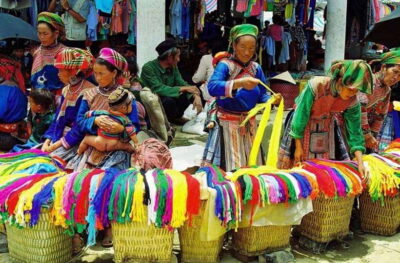
Eco Adventure Terrace Fields and Local Villages Trek
Read our review →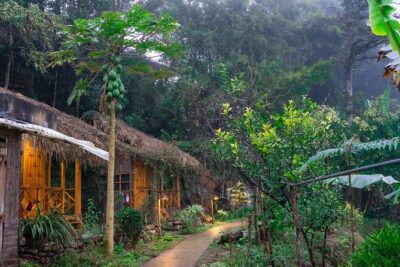
3-Day Trekking Adventure of Sapa from Hanoi – Stay Ta Van Village
Read our review →Browse the lists this tour appears in