

Reviewed · SAPA TREKKING TOURS
From Hanoi: 2-Day Sapa Cultural Exchange Tour with Homestay
The best part of this two-day Sapa trip is the night in Ta Van, where you sleep at a Dzay family homestay instead of rushing back to town. You get a long walk through Muong Hoa Valley, rice terraces, village paths, and a bamboo forest, then share dinner and breakfast under the same roof as a local family.
I like two things in particular: the transport is arranged from Hanoi, so you avoid piecing together buses yourself, and the overnight stay gives you more time on the trails. Guides such as Sung, Lily, Chun, and Za have been praised for their care, useful answers, and help with photos. The main catch is simple: this is an active trip. Rain can make the paths slippery, and two days of walking may leave you tired.
Key points at a glance
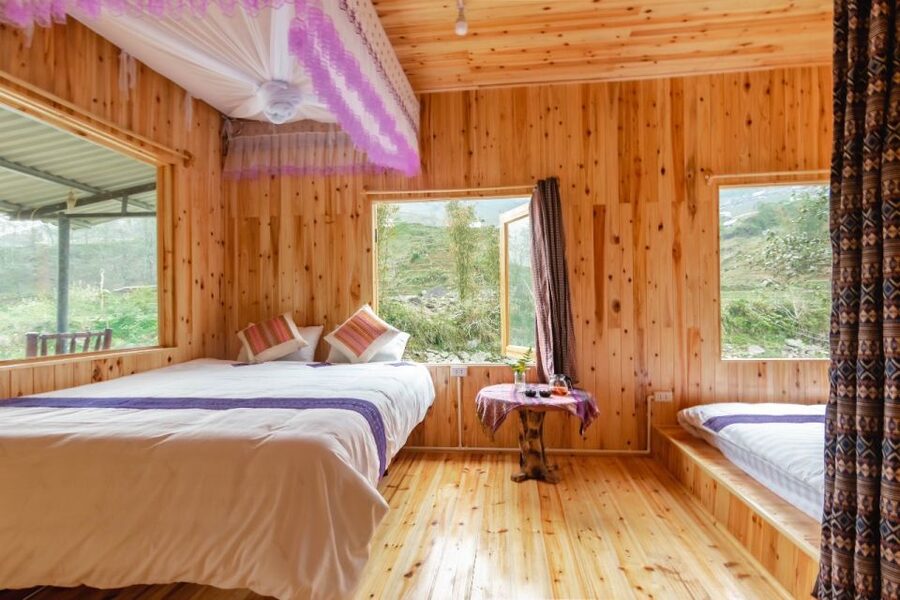
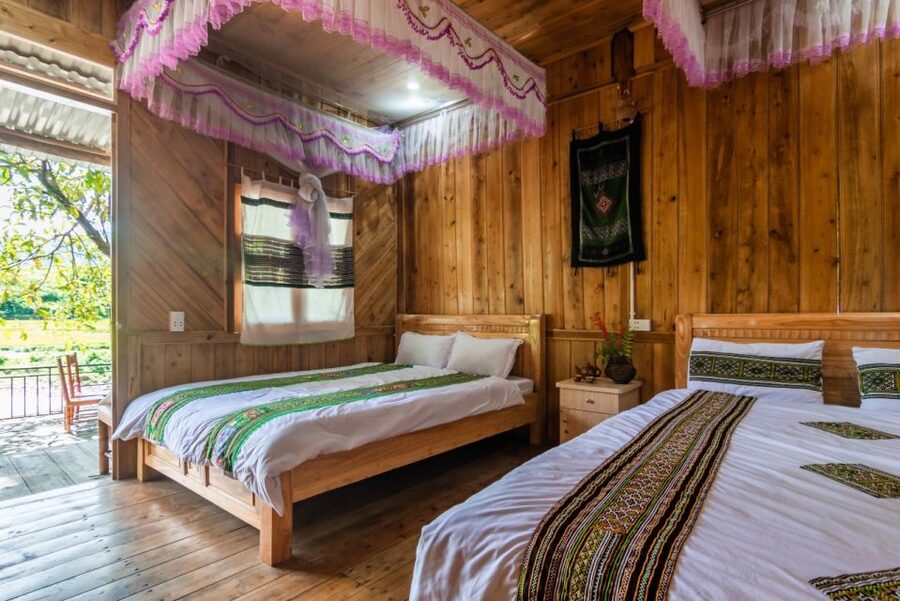
- Sleep in Ta Van with a Dzay family: Expect a simple bed, mosquito net, shared bathroom, and hot water.
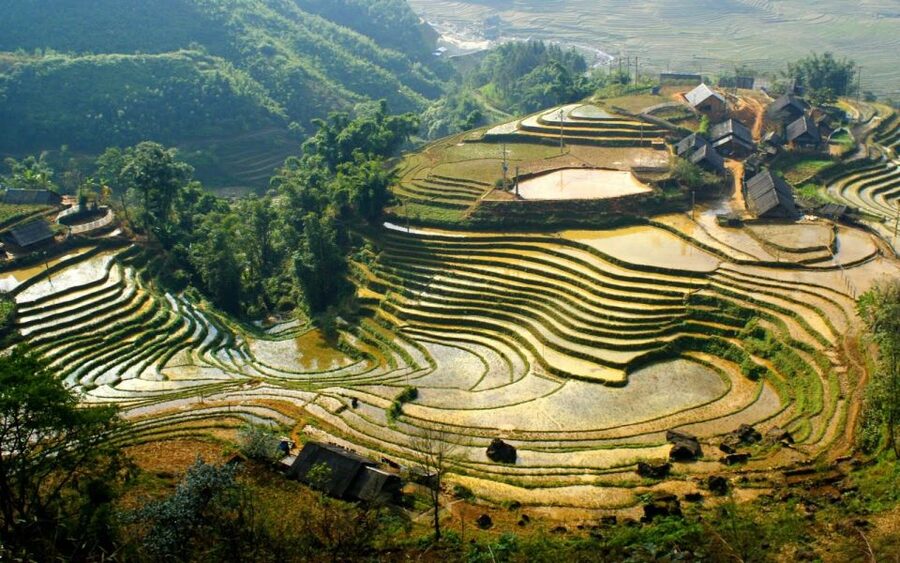
- Walk through Muong Hoa Valley: The first day passes Y Linh Lo, Lao Chai, rice paddies, hamlets, and Ta Van.
- Travel by sleeping bus from Hanoi: Pickup is available in Hanoi Old Quarter, with comfort stops along the route.
- See Giang Ta Chai on day two: The shorter walk includes rice fields, a bamboo forest, and views toward a Red Dzao village.
- Keep your luggage manageable: Large bags can be sent ahead, so you do not need to carry a suitcase along the trail.
- Prepare for changing weather: Warm clothes, sturdy footwear, water, and Vietnamese dong will make the trip easier.
Why the Ta Van homestay changes the trip
A day trip to Sapa can show you the valley, but it often turns the mountains into a quick photo stop. This tour slows things down. After reaching Sapa, you walk into the Muong Hoa Valley and finish at Ta Van, where you spend the night with a Dzay family.
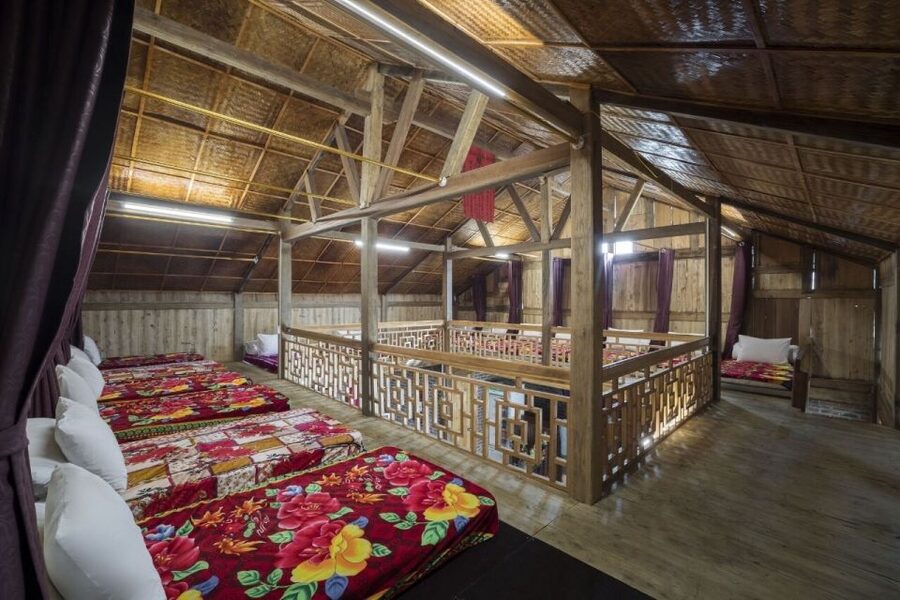
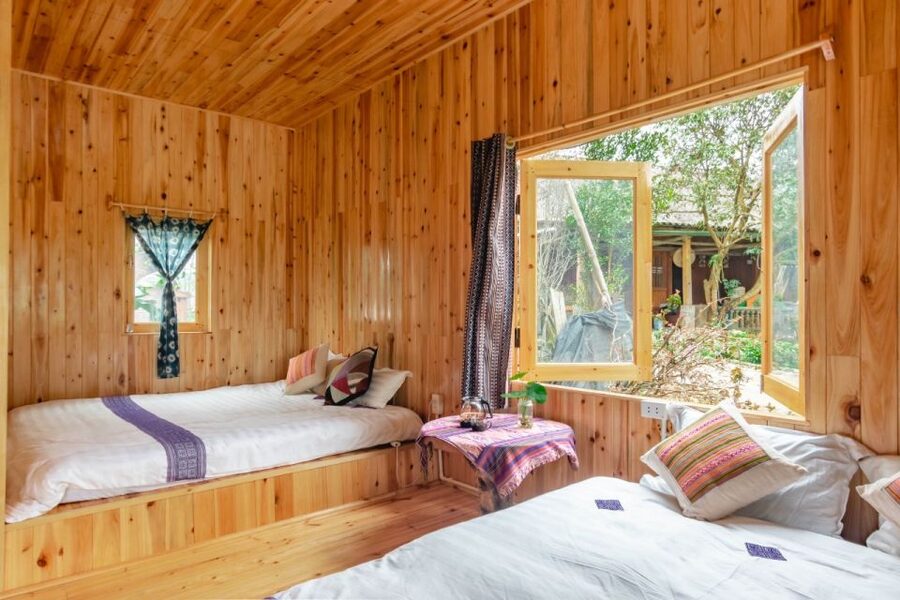
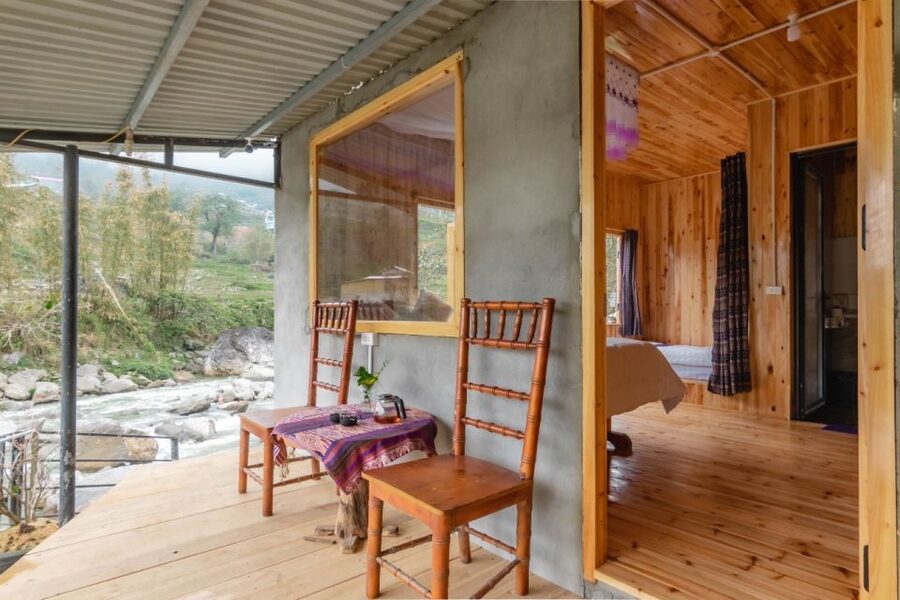
The accommodation is basic. You receive a single bed with a mosquito net, and the bathroom is public, with hot water. This is not a private hotel room, and you should not book it expecting hotel-style comfort.
The reward is the setting and the shared evening. Dinner is included, along with breakfast the next morning, and the guide stays involved in the group’s time at the homestay. The arrangement can feel more like a simple hostel than a private family house, but it still gives you a closer look at village life than a night in central Sapa.
Food is one of the strongest parts of the stay. Two lunches, one dinner, and one breakfast are included. Beverages are not, so carry cash for drinks and small purchases.
A few other Hanoi trips to compare
- Sapa 2 Days 1 Night From Hanoi – Overnight in Ta Van Village
★ 5.0 · 2,669 reviews - Hanoi – Sapa 2 Days 1 Night Overnight At Homestay
★ 5.0 · 899 reviews - From Hanoi: 2-Day Sapa Trekking Trip with Homestay & Meals
★ 4.8 · 704 reviews
Leaving Hanoi by sleeping bus
Pickup is offered from hotels in Hanoi’s Hoan Kiem district, including the Old Quarter. If you stay outside that area, you need to reach the meeting point at 204 Tran Quang Khai Street, near Hong Ha Hotel.
The bus ride to Sapa takes up much of the morning. It includes two comfort stops, which matter on a long road journey. The vehicle is described as an air-conditioned sleeping bus, and some departures are presented as VIP bus transport. The main advantage is convenience: your transport to Sapa and back to Hanoi is already arranged.
The less appealing part is the early uncertainty that can come with a group transfer. Keep your phone available, arrive at the stated pickup point, and confirm the starting time when booking. You will also want to keep essentials with you rather than placing everything in the luggage hold.
A small group is limited to 15 people. That is a useful size for a mountain walk. You can hear the English-speaking guide, move through narrow paths without a huge crowd, and ask questions about the villages and local customs.
The first walk through Y Linh Lo and Muong Hoa Valley

After arriving in Sapa around lunchtime, you eat before starting the trek toward Y Linh Lo. From there, the route heads downhill through Muong Hoa Valley.
This section is the visual heart of the trip. You pass rice paddies, small hamlets, and terraced fields, with the valley opening around you as you lose height. The route is not described as a high-altitude climb, but it is a long walking day, and downhill sections can be harder than they first appear when the ground is wet.
You also pass through Lao Chai village. The walk offers chances to speak with local villagers and learn about the lives of the area’s different ethnic communities. The guide’s role matters here. The strongest guide experiences on this trip come from people such as Sung, Lily, Chun, and Za, who have been singled out for kindness, cultural explanations, practical help, and attention to the group.
Still, guide quality can vary from departure to departure. Some people have found that the guide talks less about the villages than expected, especially when other local sellers join the walking route. Go with realistic expectations: this is a guided trek with cultural contact, not a formal anthropology lesson.
Ta Van village and the Dzay evening
The route continues toward Ta Van, a village associated with the Dzay people and often considered one of the prettiest places in the Sapa area. The overnight stop gives you a chance to rest after the longer first walk instead of immediately returning to Sapa.
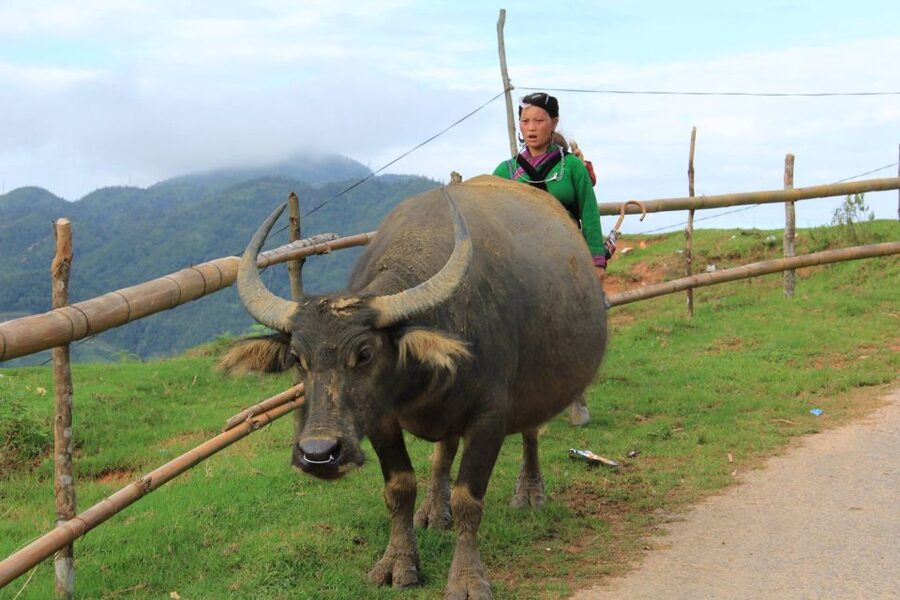
Some local women may walk alongside the group for part of the route and offer handmade goods. That can be part of the social reality around popular village trails, but it may feel uncomfortable if you want a quiet walk. A polite refusal is enough if you do not want to buy anything.
At the homestay, settle into your basic bed and mosquito net. The public bathroom has hot water, but facilities remain simple. Bring warm clothing for the evening. Sapa can be cold from September through March, and fog is common from December through March.
The evening is a good time to ask questions and talk with the guide and host family. The food is included, and the shared meal is more central to the experience than the room itself. If you like local contact and do not need private facilities, this overnight is a strong reason to choose the tour.
Same base, a completely different day:
- Hanoi Jeep Tour: Food, Culture and Fun by Vietnam Army Jeep
★ 5.0 · 15,222 reviews - Full-Day Ninh Binh Highlights Tour from Hanoi
★ 5.0 · 7,761 reviews - Hanoi: Ha Long Bay Day Cruise – Swimming, Meal, Kayaking
★ 4.7 · 7,415 reviews - Hanoi: Water Puppet Show Tickets
★ 4.6 · 7,029 reviews
Day two: four kilometers to Giang Ta Chai
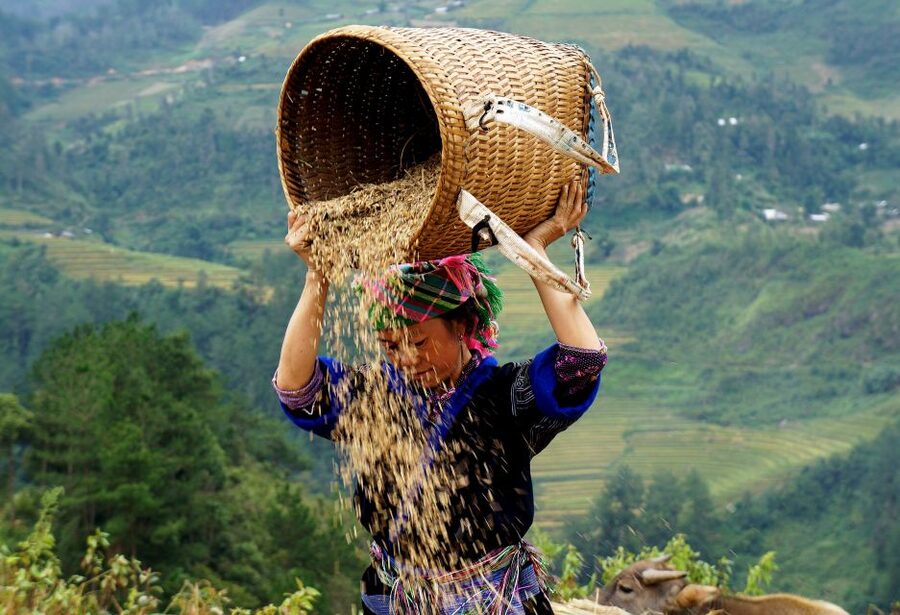
After breakfast prepared by the family, you begin the second walk. It covers about four kilometers and takes around two hours, making it shorter than the first day.
The path leads toward rice paddies and viewpoints where you can take photographs of the valley. You then walk through a bamboo forest and stop for a wide view toward Giang Ta Chai village, home to the Red Dzao people.
The route continues across or toward the Giang Ta Chai Bridge and then reaches the main road. A bus collects the group there and returns you to Sapa town.
This shorter walk is easier on paper, but weather can change the difficulty quickly. Rain may make the trail slippery, and one section has been described as dangerous in wet conditions. Hiking shoes with good grip are a wise choice. Comfortable trainers may work in dry weather, but they are a poor bet on muddy paths.
The useful pause back in Sapa
Once you return to Sapa, you have time to shower at the hotel, check out, eat, or rest while the group gathers for the return journey. This pause is a practical touch after two days outdoors.
Do not assume you will have a full hotel room available for the day unless the arrangement confirms it. The details provided say you can shower at your hotel, check out, have a meal, or relax until departure, so keep your valuables and personal items organized.
The bus then returns to Hanoi, again with two comfort stops. The tour ends at 204 Tran Quang Khai Street, rather than at every passenger’s hotel. Plan your onward transport from there.
What the $100 price gets you
At $100 per person, this trip bundles the expensive and awkward pieces of a Sapa visit: return transport from Hanoi, a guide, three meals, the homestay, and local transfers. That makes it good value if you are starting in Hanoi and want a structured visit without arranging separate buses, trekking support, and accommodation.
The price does not cover drinks, travel insurance, or personal expenses. Carry Vietnamese dong. The banking system in Sapa may not work reliably, and US dollars, euros, and Australian dollars are also accepted in Sapa, though local currency is the safer choice for small purchases.
Value depends on what you want from lodging. If you need a private room, polished bathroom, or predictable hotel service, the basic homestay will feel like a compromise. If you value the family setting, included food, and direct access to the trails, the price is easier to justify.
The free cancellation policy allows cancellation up to 24 hours before departure for a full refund. You can also reserve now and pay later, which helps if your Hanoi plans may change.
Fitness, clothing, and weather advice
You do not need to be an extreme hiker, but you do need to manage two consecutive days on foot. The first day is the longer and more tiring walk. It includes downhill paths, village roads, rice terraces, and sections that can become slippery.
The tour is not suitable for people with limited mobility, pregnant women, or children under six. The terrain and length of the walking days are the reasons to take this restriction seriously.
Pack:
- Hiking shoes or sturdy shoes with good grip
- Warm jacket, scarf, and hat
- Comfortable walking clothes
- Passport or ID card
- Water and cash
- A small overnight bag if your larger luggage is transferred separately
Sapa weather is unpredictable. From September to March, cold conditions are normal, while fog is especially common from December to March. Poor visibility can reduce the views, so do not book this trip only for perfect photographs.
Rain does not necessarily ruin the visit, but it changes the walk. Paths become slick, the second day may feel more demanding, and valley views can disappear into mist. A flexible attitude helps.
Who will enjoy this Sapa trip most
I would choose this tour if you have two days, are based in Hanoi, and want village walking rather than a quick cable-car visit or a hotel stay in Sapa town.
It suits you especially well if you:
- Like walking through rural areas
- Are comfortable sharing simple facilities
- Want transport arranged from Hanoi
- Enjoy meeting local families
- Prefer a small group to a large coach tour
- Want a guide who can explain local culture in English
- Can handle changing weather and uneven paths
It is less suitable if you want a relaxed sightseeing schedule. The transfer from Hanoi takes time, and the first trekking day is long. It is also not a good match for anyone who dislikes basic accommodation, shared bathrooms, muddy trails, or the possibility of local sellers joining parts of the route.
Guide quality can shape the whole visit. Guides named Sung, Lily, Chun, and Za have made strong impressions through their care and friendliness. Lily even helped one unwell participant with a traditional treatment from her tribe. That kind of personal attention is valuable, though it is not something any tour can guarantee on every departure.
Should you book it?
Book this two-day trip if the Dzay homestay and valley trek sound more appealing than a comfortable hotel and a short sightseeing stop. You will see rice terraces, walk through villages, eat meals connected to the overnight stay, and have enough time for both Muong Hoa Valley and Giang Ta Chai.
Skip it if you need private accommodation, dislike long bus journeys, or want dependable sunshine. For the best chance of enjoying it, bring proper shoes, warm layers, water, cash, and a willingness to accept simple facilities. At $100, it offers a practical introduction to Sapa with real walking and local contact, but the value comes from the setting and people, not luxury.
FAQ
Where does the tour start?
Pickup is available from hotels in Hanoi Old Quarter and the Hoan Kiem district. If you stay outside that area, meet at 204 Tran Quang Khai Street, near Hong Ha Hotel.
Where does the tour end?
The return bus drops you at the meeting point on Tran Quang Khai Street in Hanoi.
How long does the activity last?
The activity lasts two days. Check availability for the exact starting time.
What transport is used between Hanoi and Sapa?
The tour uses an air-conditioned sleeping bus for the return journey between Hanoi and Sapa. The trip includes two comfort stops in each direction.
Is hotel pickup included?
Hotel pickup is included when your hotel is in Hanoi’s Old Quarter or the Hoan Kiem district. Pickup is not available from hotels outside that area.
What type of accommodation is provided?
You receive a single basic bed with a mosquito net at a local family homestay in Ta Van. The homestay has a public bathroom with hot water and only simple facilities.
Which meals are included?
The price includes one breakfast, two lunches, and one dinner. Beverages are not included.
Is the tour conducted in English?
Yes. The tour has a live English-speaking guide.
How long is the second trek?
The second trek covers about four kilometers and lasts around two hours.
Is the tour suitable for children and people with limited mobility?
The tour is not suitable for children under six, pregnant women, or people with mobility impairments.
What should I bring?
Bring your passport or ID card, comfortable clothes, warm clothing, comfortable shoes, and cash. Water is also a sensible item for the walking sections.
Can I cancel the booking?
You can cancel up to 24 hours in advance for a full refund. You can also reserve the activity and pay later.
Newly listed around Hanoi
- Hanoi: Halong Bay Cruise, Amazing Cave, Titov Island & Kayak★ 4.2 · 39 reviews
- 2Days-1Night Halong Bay Luxury Genesis Regal Cruises★ 4.5 · 39 reviews
- Ninh Binh 1 Day Tour(Tam Coc – Mua Cave – Bich Dong)★ 5.0 · 39 reviews
- 8 days 360° Vietnam Adventure from Hanoi★ 5.0 · 39 reviews
- Dora Cruise – Luxury 5 Star Cruise in Halong Bay & Lan Ha Bay (2D1N)★ 4.5 · 39 reviews
- 3 Days and 2 Nights Ha Giang Loop Tour★ 5.0 · 39 reviews
- Best Value Ha Long bay 1 day – Lunch, kayak, swimming, transfer★ 5.0 · 39 reviews
- From Hanoi: Ha Giang Loop Motorbike Tours 3-Days 2-Nights★ 5.0 · 40 reviews
Sapa Trekking Tours, compared.

Sapa 2 Days 1 Night From Hanoi – Overnight in Ta Van Village
Read our review →

Muong Hoa Valley Trek and Local Ethnic Villages
Read our review →
Fansipan Cable, Cat Cat Village & Moana Instagram Tour
Read our review →

Sapa 3 Days 2 Nights Trekking Tour (1 Night In Ta Van Village, 1 Night In Hotel)
Read our review →
Eco Adventure Terrace Fields and Local Villages Trek
Read our review →
3-Day Trekking Adventure of Sapa from Hanoi – Stay Ta Van Village
Read our review →Browse the lists this tour appears in