
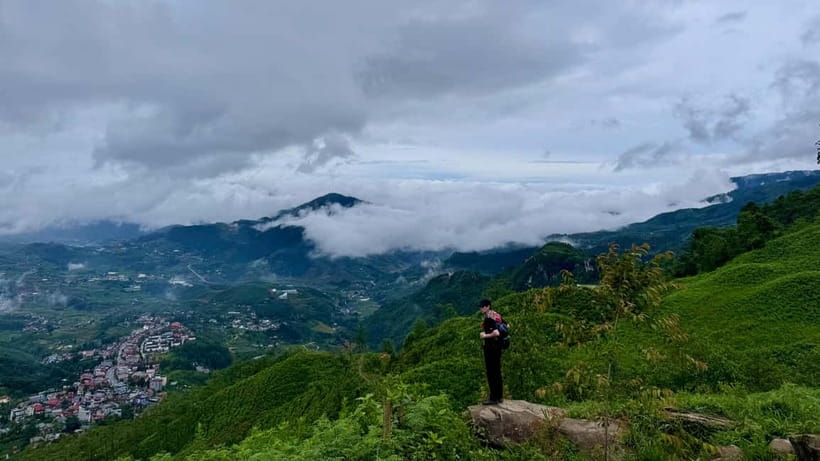
Reviewed · SAPA TREKKING TOURS
Sapa 2-Day Trekking Tour – Explore Villages & Scenic Trails
The best thing about this Sapa trip is the choice of route. Ta Van gives you a gentler walk through Muong Hoa Valley, with Black Hmong and Dzay villages, while Hau Thao takes you farther from the busy paths and into a more rugged Hmong setting. Both routes bring you close to rice terraces, mountain trails, and village life that feels lived-in rather than staged.
I like the small groups, which let guides such as Mao, Thao, Sung, and Su adjust the pace and explain local customs in clear English. I also like the overnight homestay, where a home-cooked dinner and a quiet night in the countryside add much more meaning than a quick day walk. The main caution is fitness: 10 to 14 kilometers per day, mud in the rainy season, and steep or narrow sections can make this tougher than the easy route label suggests.
Key points at a glance
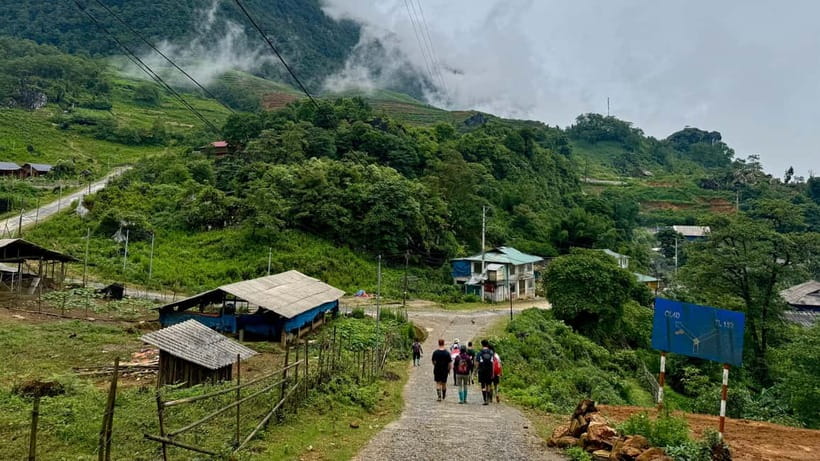
- Choose your kind of Sapa trek: Ta Van is the easier cultural route; Hau Thao is longer, quieter, and more rugged.
- Walk through Muong Hoa Valley: Rice terraces, Y Linh Ho, Lao Chai, bamboo forest, and Giang Ta Chai shape the two-day route.
- Sleep in a village homestay: You get one night in a private room, with dinner and breakfast included.
- Expect attentive local guiding: Mao, Thao, Sung, Su, Su Su, Ai, and others are praised for clear communication and route flexibility.
- Pack for real trail conditions: Hiking shoes, water, long trousers, sun protection, insect repellent, and a rain jacket matter.
- Check the package details: The Sapa information is clear, but a separate Cat Ba and Lan Ha Bay inclusion list appears in the booking details and should be confirmed before you pay.
Two routes, two very different Sapa experiences

This is not one fixed walk with a minor variation. Your route choice affects the mood, the scenery, and the amount of effort required.
Ta Van is the sensible pick if you want a steady mix of mountain views and village contact. The trail passes through Y Linh Ho and Lao Chai before reaching Ta Van, then continues to Giang Ta Chai on the second day. You will see Black Hmong, Dzay, and Red Dao communities, with rice terraces and forest trails filling the spaces between villages.
Hau Thao suits you if peace and a rougher mountain feel matter more than convenience. The first day follows the same opening route as Ta Van, then heads toward the more remote Hau Thao village. The second day includes narrow mountain paths and cliffside views. It is the better choice for an adventurous walker, but not the one I would choose for sore knees or limited hiking experience.
Both options begin in Sapa Town at 9:00 a.m. The daily distance is listed as 10 to 14 kilometers, though the actual time on foot can vary. One account describes roughly three and a half hours on the first day and two to two and a half hours on the second, while other accounts describe a fuller 12 to 14 kilometer day. Allow for a proper walking day, not a short stroll.
More Hiking Tours in Hanoi
- Halong Bay Full Day with Kayaking, Hiking viewpoint, Cave – Deluxe To Luxury
★ 5.0 · 884 reviews - From Hanoi: 2-Day Sapa Trekking Trip with Homestay & Meals
★ 4.8 · 704 reviews - Sapa 3 Days 2 Nights Trekking Tour (1 Night In Ta Van Village, 1 Night In Hotel)
★ 5.0 · 699 reviews
Day 1: Sapa to Y Linh Ho and Lao Chai
The walk leaves Sapa and heads down toward Muong Hoa Valley. This is where the trip starts to feel different from a town sightseeing day. You trade cafés and hotels for footpaths, cultivated slopes, and broad views across the terraces.
Y Linh Ho is one of the first important village areas. Lao Chai follows, known for Black Hmong culture, traditional clothing, crafts, and a setting surrounded by steep hills. The route gives your guide plenty to explain, from village customs to the way farming shapes daily life.
The rice terraces are the star here, but their appearance depends on the season. During the growing months, you may see water reflecting in the stepped fields or bright green crops. At harvest time, the tones change. In wet weather, the same paths can become slippery and muddy, so do not treat the route as a paved valley walk.
Lunch is served with views of the terraces. The food is Vietnamese and based on local ingredients, with vegetarian and vegan meals available if you request them in advance. One useful detail is that a guide named Sung took care to check an allergy with the host families, so tell the operator about dietary needs before departure rather than waiting until lunchtime.
Some parts of the first day can include local women walking alongside the group or offering handmade goods. You may find this helpful on muddy or uneven sections, and some visitors choose to buy a small craft as a friendly gesture. If you prefer a quiet walk, ask your guide how to handle these encounters politely.
Ta Van homestay: a softer night in the valley

On the Ta Van option, you arrive at a Dzay homestay after the walk. The overnight stay is one of the strongest parts of this trip because it changes the pace from sightseeing to staying put.
The accommodation is described as a private room, though the spirit of the experience remains a village homestay rather than a standard city hotel. Expect a warm, simple base with local food and a chance to spend the evening in the valley. Some accounts describe the homestay as cozy, clean, and welcoming, while one person wanted more direct interaction with the hosts. That is a fair point: a homestay does not guarantee a long cultural exchange, but it does place you in a more local setting.
Dinner is included, and food receives especially strong praise. Most dishes are Vietnamese and may include meat, but vegetarian options are available. You should still state allergies or special diets before the trip. After dinner, the evening may include conversation by the fire, depending on the household and the group.
You get breakfast the next morning. Bring only a small daypack, since larger bags can be left at the office or accommodation. A dry change of clothes is useful after a sweaty or wet walk, and a swimsuit may be worthwhile if your guide offers time near the waterfall on day two.
Day 2: Bamboo forest, suspension bridge, and Giang Ta Chai

The Ta Van route continues through bamboo forest after breakfast. A suspension bridge adds a small thrill before the trail reaches Giang Ta Chai, a Red Dao village set near a waterfall.
This section has a different feel from the open terrace views of day one. The forest gives shade, the paths narrow, and the waterfall provides a natural place to pause. One person even cooled off with a swim nearby, although swimming is not presented as a formal part of every departure, so ask your guide and pack a swimsuit only if you want the option.
Lunch comes before the return to Sapa. A car takes you back to town after the trek, which is welcome after two days on foot. The activity ends at the original meeting point, near Sapa TT Homestay, about one kilometer from central Sapa.
If you choose Hau Thao, day two keeps more of a mountain character. The trail toward Giang Ta Chai includes narrow paths and dramatic slopes before lunch and the ride back. This route offers fewer busy sections, but it also gives you less margin for tired legs or poor weather.
A few other Hanoi trips to compare
- Sapa 2 Days 1 Night From Hanoi – Overnight in Ta Van Village
★ 5.0 · 2,669 reviews - Hanoi – Sapa 2 Days 1 Night Overnight At Homestay
★ 5.0 · 899 reviews - 3-Day Trekking Adventure of Sapa from Hanoi – Stay Ta Van Village
★ 5.0 · 611 reviews - 2-Day Sa Pa Ethnic Homestay Tour & Trek with Limousine Bus
★ 4.8 · 440 reviews
What the guides add to the walk
The scenery is excellent, but the guide makes the difference between looking at a village and understanding something about it. Guides named Mao, Thao, Sung, Su, Su Su, Ai, Tung, Gom, Chai, and Sua are associated with this experience, and the strongest praise goes to their care, communication, and ability to explain Hmong life.
Mao is described as friendly, clear in English, and good at changing the pace when someone needs an easier section. Thao is praised for finding quieter trails and avoiding crowded areas. Sung is noted for checking food carefully and for sharing personal stories, including an especially warm visit connected with her family.
Ai is singled out for helping people cross rice fields safely. Gom is praised for explaining nature and local customs, while Chai brings humor and personal stories to the route. You cannot choose which guide you will receive from the information provided, but the consistent pattern is useful: expect a local guide who is involved in both the walking and the cultural side of the trip.
A small group matters here. One group had only five people, which allowed for questions, breaks, and a pace suited to the whole party. It also means you are less likely to be swept along by a large crowd. Ask for a slower pace if you want more time for photos, since one account found the schedule slightly rushed.
How hard is the 10 to 14 kilometer trek?
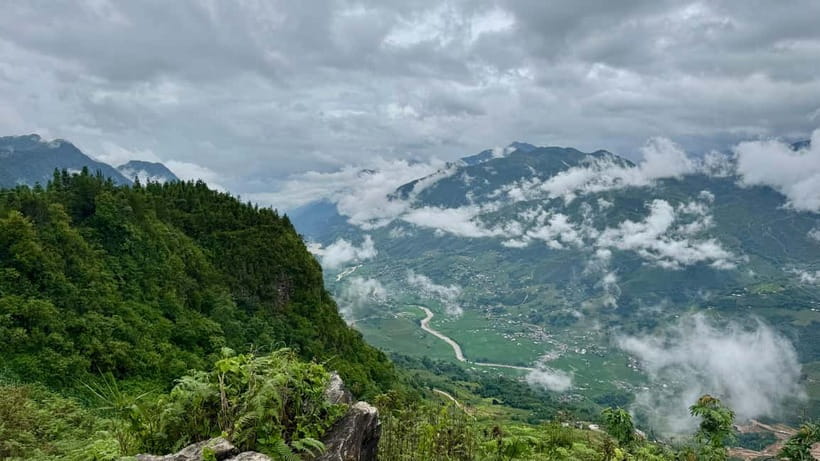
The official rating is moderate, and that sounds right. You need basic fitness, steady footing, and the ability to walk for several hours on uneven ground. The route is not suitable for people with mobility impairments, wheelchair users, serious back or heart problems, or pregnant women.
Knees deserve special attention. The route may be manageable for a fit walker, but muddy descents, stone paths, and uneven ground can be hard on joints. One older participant needed an alternative plan, and the company responded flexibly. That is encouraging, but it does not turn the trek into an easy outing.
Wear proper hiking shoes with good grip. Trainers may be fine in dry conditions, but rain can quickly change the trail. Gumboots may be available for rent, according to one account, but you should confirm this before relying on them.
The rainy season from May through September can bring mud. Sapa weather can also shift fast in colder months, so pack a warm layer as well as a rain jacket. Long trousers help with brush and insects, and insect repellent is specifically recommended.
Ta Van or Hau Thao: my practical choice
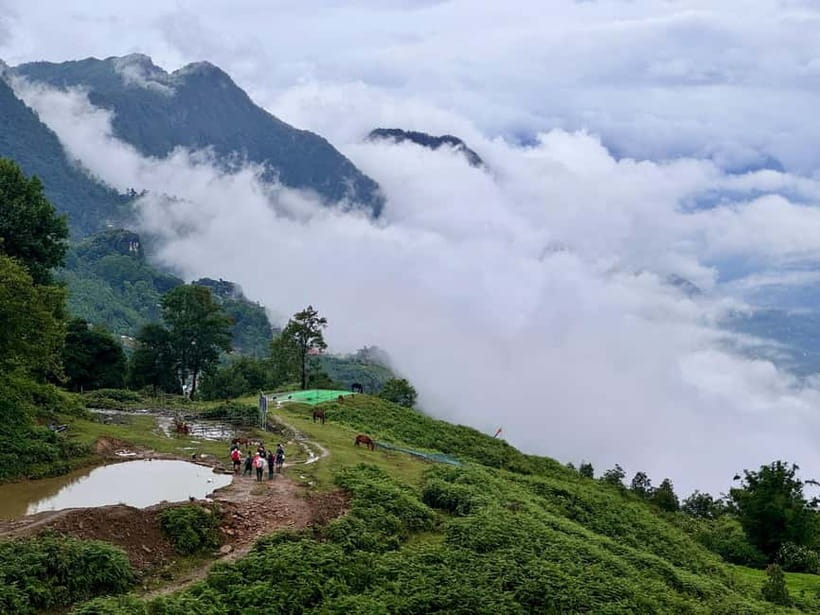
Choose Ta Van if you want:
- A gentler route with shorter-feeling sections
- More direct contact with several ethnic communities
- Muong Hoa Valley views and a classic Sapa introduction
- A comfortable first trek in northern Vietnam
- More time to stop, ask questions, and enjoy the homestay
Choose Hau Thao if you want:
- Fewer people on the trail
- A longer and more demanding walk
- More remote Black Hmong village life
- Narrow mountain paths and bigger cliffside views
- A stronger sense of being away from the main Sapa circuit
I would recommend Ta Van for most first-time visitors. It gives you the terraces, villages, forest, homestay, and cultural context without making the walk the only goal. I would choose Hau Thao if you already enjoy mountain walking and would gladly give up some ease for quiet trails.
Is $58 good value?
At $58 per person, this is a strong price for a two-day, one-night guided trek if the advertised Sapa inclusions apply. You receive guiding, the homestay, two lunches, one dinner, one breakfast, and the return car to Sapa. Meals and accommodation remove much of the small-cost fuss that can add up on an independent trek.
The real value is the combination of route choice and local guiding. A basic self-guided walk might show you the same valley, but it would not necessarily explain the communities, find the less crowded paths, or adjust the route when the group needs help. The small-group format adds value too.
There is one important booking issue. The supplied inclusion list also mentions Hanoi to Cat Ba buses, private car transfers to a harbor, Cat Ba accommodation, a Lan Ha Bay and Ha Long Bay cruise, kayaking, and cruise guiding. Those details do not match a Sapa trekking tour. Before booking, ask the provider to confirm in writing that your $58 reservation covers the Sapa trek, homestay, listed meals, and return transport, and not a separate Cat Ba package.
Meeting point, luggage, and what to pack
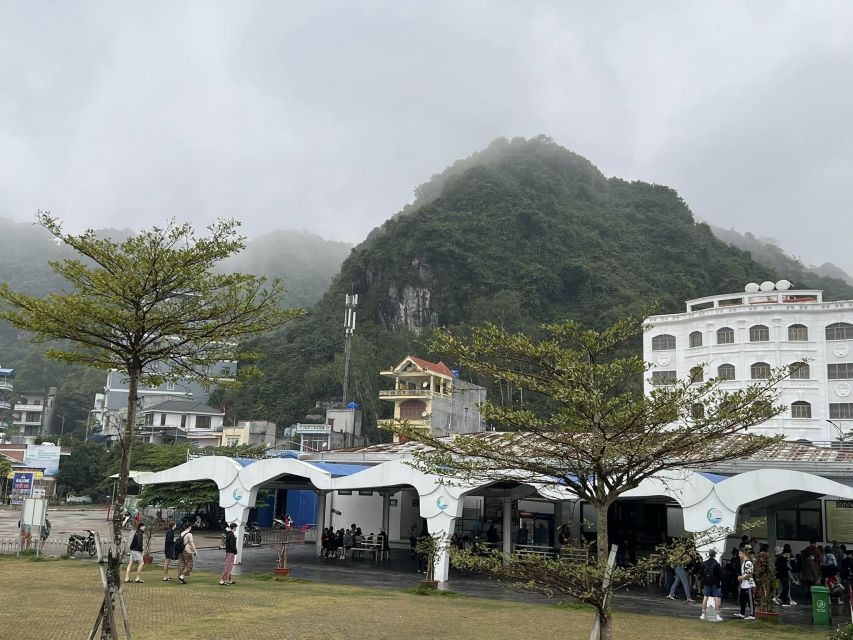
Meet at Sapa TT Homestay at least 30 minutes before the 9:00 a.m. start. Arriving 15 to 30 minutes early gives you time for check-in, luggage storage, and the pre-walk briefing.
You can store a large bag at the office, so carry a small pack with water, a phone, rain protection, and spare clothes. A water bottle is essential. Add sunglasses, a sun hat, long trousers, comfortable clothing, insect repellent, and sturdy shoes.
Pets are allowed if registered in advance and kept on a leash. Electric wheelchairs and explosive substances are not allowed. The tour is available in English and Vietnamese, and cancellation is allowed up to 24 hours before departure for a full refund.
Who should book this Sapa trek?
This trip fits you if you want mountain scenery with a real village component, rather than a fast photo stop. It suits people who enjoy moderate walking, local meals, small groups, and a night away from town.
It is also a good choice for solo visitors and couples who want help with route finding and cultural context. The guides have shown care with dietary needs, slower walkers, and safety on rough ground.
I would not book it if you need fully level paths, hotel-style accommodation, a guaranteed leisurely timetable, or complete control over every stop. I would also avoid booking before clarifying the strange Cat Ba and Ha Long Bay details in the inclusion list.
Should you book it?
Yes, if you want an affordable two-day Sapa experience built around rice terraces, ethnic villages, and a local homestay. I would pick Ta Van for a first visit and Hau Thao for a quieter, tougher route.
Book with good shoes, modest expectations about homestay comfort, and enough fitness for 10 to 14 kilometers a day. Confirm the package contents before payment, then let the guide handle the trail. The scenery will draw you in, but the village stories, shared meals, and slower pace are what make this trip worth your two days.
FAQ
How long is the Sapa trek each day?
The stated distance is 10 to 14 kilometers per day. The tour is rated moderate and requires basic fitness. Walking time can vary with weather, trail conditions, stops, and group pace.
Which route is easier, Ta Van or Hau Thao?
Ta Van is the easier option, with a gentler cultural route through Muong Hoa Valley. Hau Thao covers longer distances and uses quieter, narrower mountain paths, making it better for stronger walkers.
Where does the trek start and finish?
The trek starts and ends at Sapa TT Homestay, about one kilometer from central Sapa. You should arrive 15 to 30 minutes before the 9:00 a.m. departure.
What meals are included?
The Sapa trek includes two lunches, one dinner, and one breakfast. Vegetarian and vegan meals are available, and you should report allergies or other dietary needs before departure.
Can I leave a large suitcase behind?
Yes. Large bags can be stored at the tour office or accommodation, so you should bring a small daypack for the trek.
Is the tour suitable for people with mobility or health limitations?
The tour is not suitable for wheelchair users or people with mobility impairments, serious back or heart problems, pregnancy, visual impairment, or insect allergies. The trails can be muddy, uneven, and demanding on the knees.
More Hikes in Hanoi
- 3D and 2N Lan Ha Bay Cat Ba Island Kayaking & Trekking with Vega
★ 5.0 · 593 reviews - Hanoi – Sapa 3 Day 2 Night Trekking With Hotel & Homestay
★ 5.0 · 389 reviews - From Hanoi: 2-Day Sapa Trek Tour – Luxury Limousine Transfer
★ 4.1 · 249 reviews - Ninh Binh 1 day Hoa Lu Trang An with Dragon Mountain Hiking
★ 5.0 · 245 reviews
More 2-Day Experiences in Hanoi
- Amanda Cruise – Ha Long, Lan Ha Bay – All Inclusive 2D1N & 3D2N
★ 5.0 · 4,358 reviews - Hanoi: 2-Day Halong & Lan Ha Bay 5-Star Cruise with Balcony
★ 4.8 · 3,300 reviews - Halong Bay – Le Journey Cruises – All Inclusive 2D1N and 3D2N
★ 5.0 · 2,500 reviews - Mon Chéri Cruise 5 star: Unique 2 Days Tuan Chau – Halong bay – Lan Ha Bay
★ 5.0 · 2,422 reviews
Newly listed around Hanoi
- Hanoi: Halong Bay Cruise, Amazing Cave, Titov Island & Kayak★ 4.2 · 39 reviews
- 2Days-1Night Halong Bay Luxury Genesis Regal Cruises★ 4.5 · 39 reviews
- Ninh Binh 1 Day Tour(Tam Coc – Mua Cave – Bich Dong)★ 5.0 · 39 reviews
- 8 days 360° Vietnam Adventure from Hanoi★ 5.0 · 39 reviews
- Dora Cruise – Luxury 5 Star Cruise in Halong Bay & Lan Ha Bay (2D1N)★ 4.5 · 39 reviews
- 3 Days and 2 Nights Ha Giang Loop Tour★ 5.0 · 39 reviews
- Best Value Ha Long bay 1 day – Lunch, kayak, swimming, transfer★ 5.0 · 39 reviews
- From Hanoi: Ha Giang Loop Motorbike Tours 3-Days 2-Nights★ 5.0 · 40 reviews
Sapa Trekking Tours, compared.

Sapa 2 Days 1 Night From Hanoi – Overnight in Ta Van Village
Read our review →

Muong Hoa Valley Trek and Local Ethnic Villages
Read our review →
Fansipan Cable, Cat Cat Village & Moana Instagram Tour
Read our review →

Sapa 3 Days 2 Nights Trekking Tour (1 Night In Ta Van Village, 1 Night In Hotel)
Read our review →
Eco Adventure Terrace Fields and Local Villages Trek
Read our review →
3-Day Trekking Adventure of Sapa from Hanoi – Stay Ta Van Village
Read our review →Browse the lists this tour appears in