
Reviewed · HOI AN TOURS
Hoi An: Thanh Ha Village Tour with Pottery Making and Gift
Thanh Ha’s best trick is getting you from museum display to muddy hands in one short visit. You begin among grand terracotta works and village history, then try the wheel yourself, decorate a simple pot, and finish by smashing one in a traditional game. Guides such as Dung, Ly, Flower, and Nguyen are praised for clear English and patient help.
I like the mix of local village life and hands-on making, rather than a tour that keeps you behind glass. I also like the small touches, including coconut coffee or a soft drink, cookies, a terracotta gift, and the chance to keep your own piece. The main consideration is that this is a two-hour introduction, not a serious pottery course, and the village paths are not suitable for wheelchair users.
Key points to know before you go
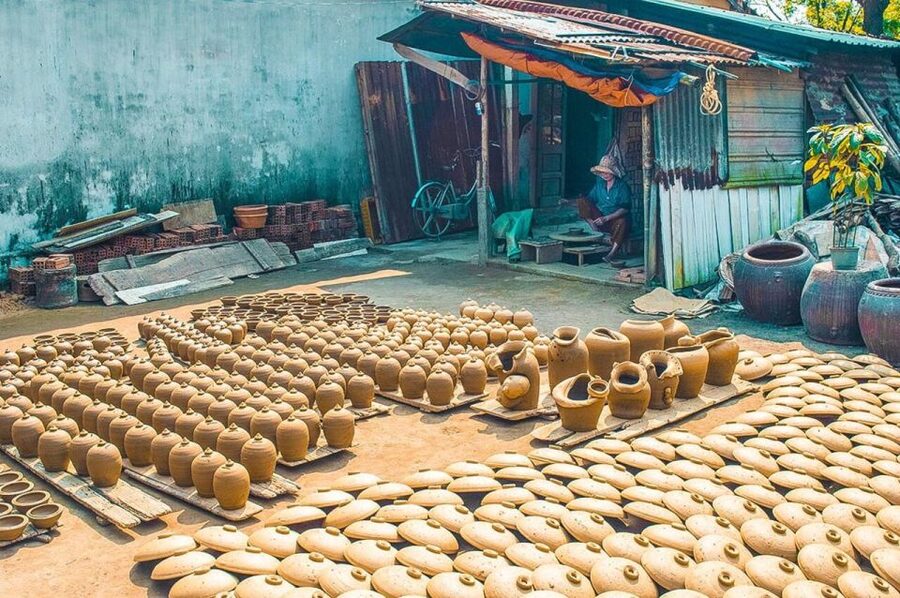
- A 500-year-old pottery village: Walk narrow brick lanes and see pottery being made in local homes.
- Several attractions in one stop: The Terracotta Gallery and Museum, Village Museum and History, and Terracotta Mini Square are included.
- Hands-on but beginner-level: A potter helps you shape a simple piece on the wheel, and you can add a basic pattern.
- A playful finish: The traditional pot-breaking game gives the visit a noisy, cheerful ending.
- Good value at $23: Tickets, an English-speaking guide, the activity, refreshments, and gifts are included.
- Easy to reach, but no pickup: Meet at the gate of Thanh Ha Terracotta Park, and watch for misleading parking requests if you arrive by bicycle.
Starting at Thanh Ha Terracotta Park
The tour begins at the gate of Thanh Ha Terracotta Park, not at your hotel. That matters in Hoi An, where a short ride can save you from arriving hot and rushed. Hotel pickup and drop-off are not included, so plan your own taxi, bicycle, or other local transport and allow time to find the park entrance.
If you cycle, keep one useful tip in mind: parking at the pottery center is free. One visitor was warned by people outside the center that payment was required, but the ticket counter confirmed otherwise. Ask there before handing over money.
Your guide meets you at the entrance and leads you through the park. The tour is offered in English, and guides named Dung, Ly, Flower, Yong, and Nguyen have been singled out for being friendly, patient, clear, and helpful with photographs. Some bookings have been private for just two people, but you should not assume that every departure will be private.
The pace is brisk but sensible. Two hours is enough for an introduction without turning the visit into an all-day commitment. Still, you will want comfortable shoes, since the route includes village lanes and outdoor areas.
A few other Hoi An trips to compare
- Hoi An: Basket Boat Ride in the Coconut Forest
★ 4.9 · 4,956 reviews - Hoi An: Vietnamese Coffee Culture and Coffee Making Class
★ 4.9 · 4,006 reviews - Hoi An: Vietnamese Foldable Lantern Making Class
★ 4.9 · 3,742 reviews
Terracotta art in the park
The first part gives you a useful visual guide to the craft. The Terracotta Gallery and Museum contains detailed clay work, while the Terracotta Mini Square places large clay monuments outdoors in an open setting. You also visit the Thanh Ha Village Museum and History, which connects the objects to the place where they are made.
This is more than a quick look at souvenir bowls. The displays show how much skill can go into clay, from small decorated objects to large figures and architectural forms. If you have only seen pottery as a finished product in a shop, this section helps you notice shape, surface, scale, and decoration.
I would pay close attention to the guide here. The best part of a display such as this is not simply seeing a large clay object. It is learning how pottery fits into Vietnamese culture and how Thanh Ha became known for the craft. Dung has explained both local pottery and wider regional traditions, while Ly has helped visitors understand different types of pottery in plain English.
The park can also be a good choice for mixed-interest groups. Someone who does not care much about making a pot can enjoy the gallery and gardens, while someone who wants a hands-on activity has that opportunity later. The drawback is that the opening museum section may feel less active than the workshop. If you prefer to start with action, be prepared for a quieter first part.
Walking the narrow lanes of Thanh Ha
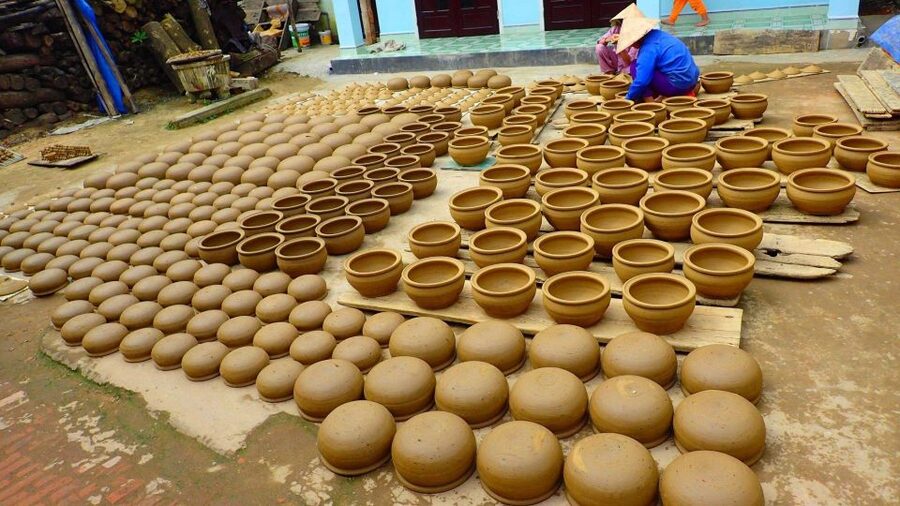
After the park, you walk through Thanh Ha itself. This is where the activity gains its sense of place. Instead of seeing pottery only as a staged demonstration, you move through an old village with narrow brick roads and alleys and visit a local pottery house.
The village tour lets you see the traditional making process and the homes connected to it. That setting helps explain why this is worth doing in Hoi An. You are not simply attending a craft lesson in a modern studio. You are visiting a community where pottery has been part of daily work for centuries.
The walk is also a welcome change from Hoi An’s most photographed streets. You are still close to town, but the experience feels more local and less focused on lantern-lined shopping. One visitor especially liked being a little away from the tourist center, while another enjoyed seeing villagers at work and later browsing distinctive handmade pieces.
Keep your expectations realistic. This is a guided look at the village, not a long rural walk or a chance to spend hours independently exploring homes. You should stay with the guide and respect working spaces. Some lanes may feel tight, and the activity is not suitable for wheelchair users.
Xuan My Temple and village belief
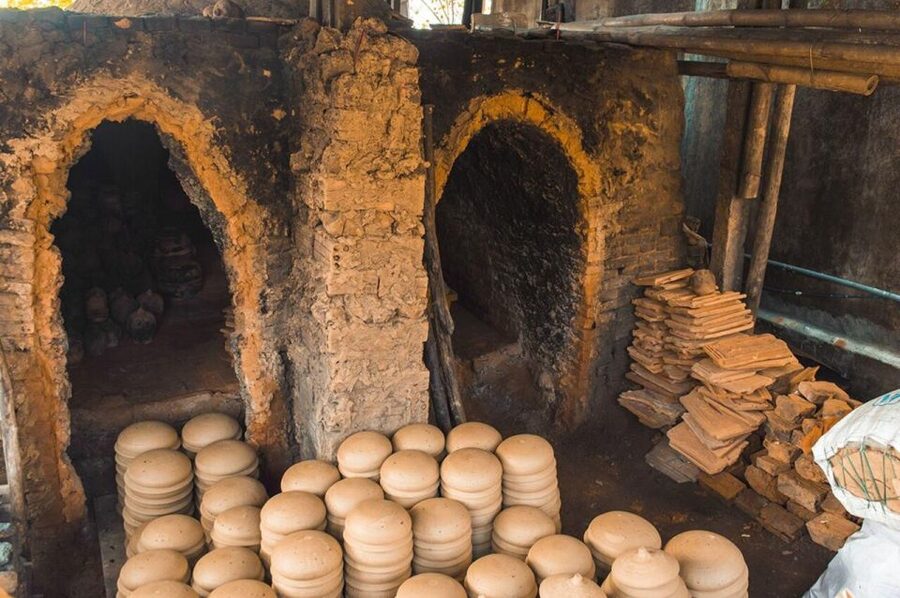
The stop at Xuan My Community Temple adds a cultural layer that the pottery displays alone cannot provide. The temple is important to local villagers, and your guide explains its place in community belief and the story of the site.
This stop works best if you are interested in how a craft village functions as a community, not just as a collection of workshops. Pottery is tied to work and income, while the temple reflects shared traditions and local identity. The short explanation gives you a reason to look beyond the objects in the museum.
The temple visit is not described as a formal religious ceremony, so you should expect a brief cultural stop rather than an extended spiritual program. Dress and behave respectfully, as you would at any active place of worship. Your guide can answer questions, and the guides praised for the tour have generally been happy to explain local customs.
Same base, a completely different day:
- Cooking Class Hoi An:Local Market, Basket Boat, Fishing & Cooking
★ 5.0 · 3,660 reviews - Hoi An Cooking Class(Market,BasketBoat Crabfishing&Cooking Class)
★ 5.0 · 3,386 reviews - Hoi An: My Son Sanctuary Early Morning w. Champa Food Brunch
★ 4.9 · 2,750 reviews - Hoi An/ Da Nang – Ba Na Hills – Golden Bridge Deluxe Small group
★ 5.0 · 2,613 reviews
Trying the wheel with a potter’s help
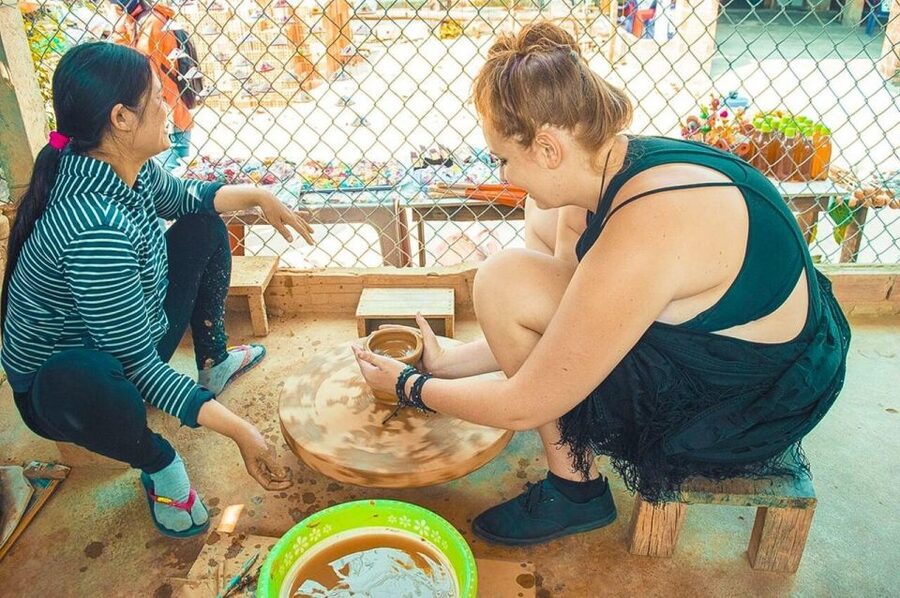
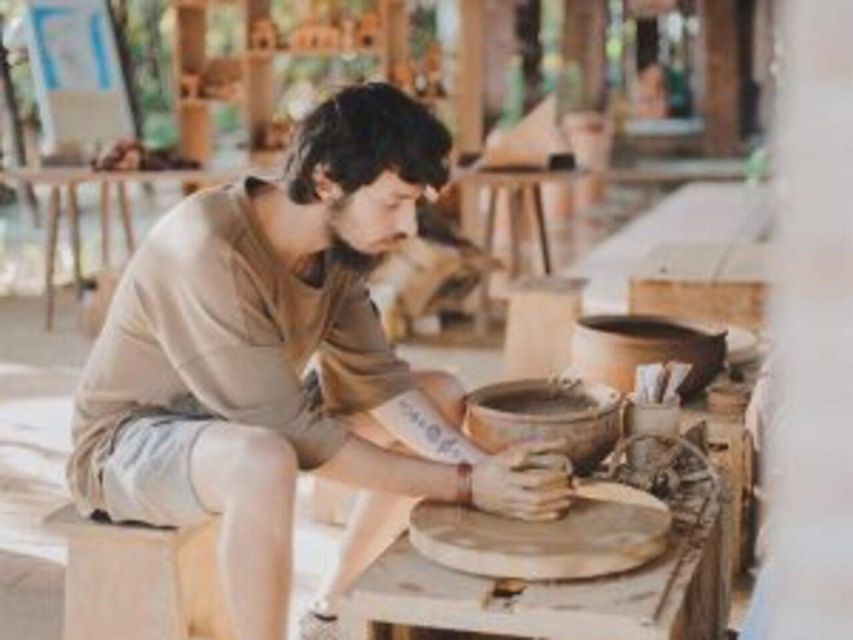
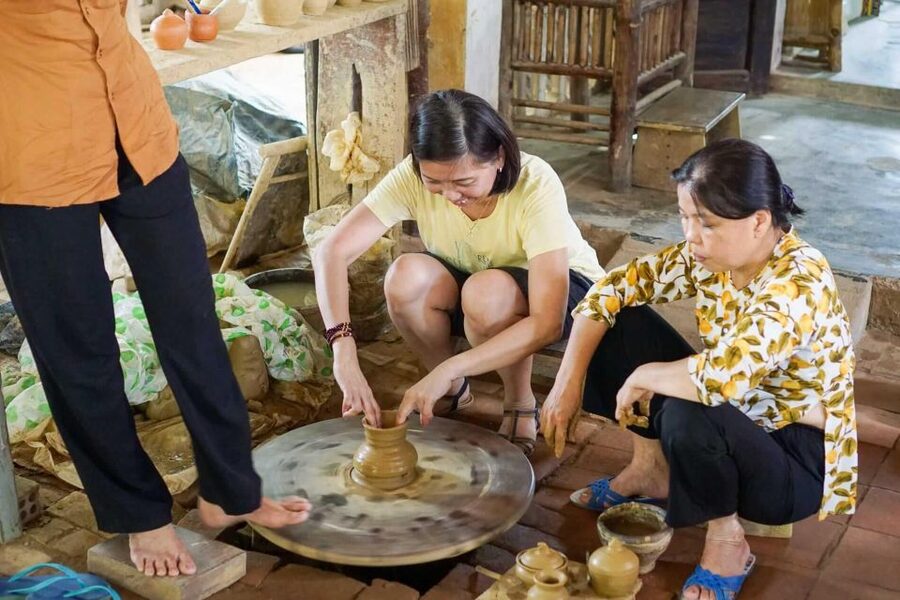
The hands-on session is the heart of the experience. You sit at the wheel and try to form a simple pottery piece with help from a local potter. No previous experience is needed, but you should not expect to produce a polished vase without assistance.
That limitation is worth stating clearly. This is a simple pottery activity, not a professional pottery class. You get a taste of the process, learn how difficult it is to control clay, and leave with something connected to your own visit. The potter’s guidance keeps the activity moving and prevents beginner frustration.
For many people, the fun is in the attempt. Clay can wobble, collapse, or refuse to take the shape you want. That is part of the point. You gain a better sense of the hand control and patience behind the finished objects in the museum.
You can decorate a simple pattern on your own pottery. The piece is then prepared for you to bring home. Several itineraries describe collecting the small pot after it has been placed in the oven, though the exact timing of collection is not laid out in detail. Ask your guide how and when you will receive it on your departure.
The activity is especially good for couples, families with older children, and anyone who likes making things rather than only looking at them. Solo visitors can also enjoy it. One solo booking included time on the wheel and the village walk, showing that the activity does not depend on having a large group.
The pot-breaking game
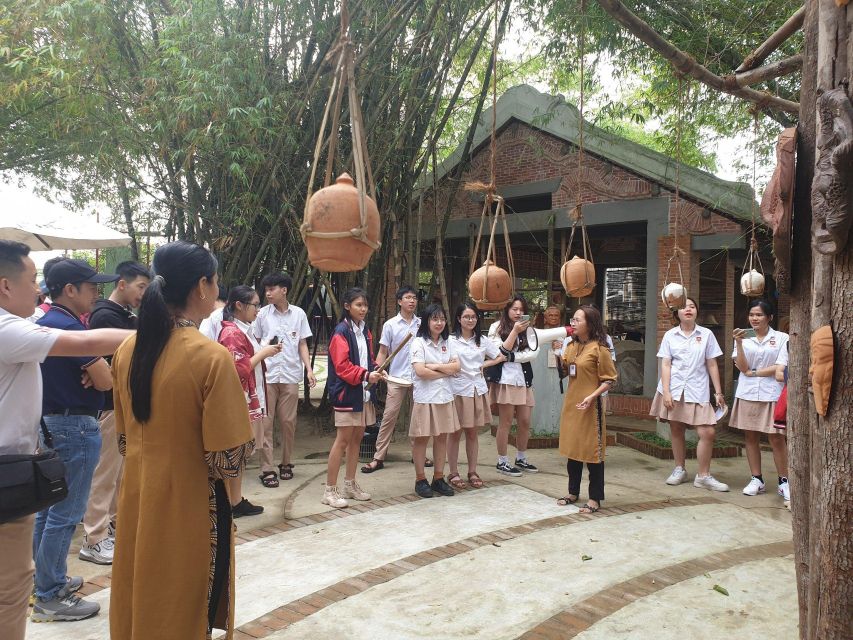
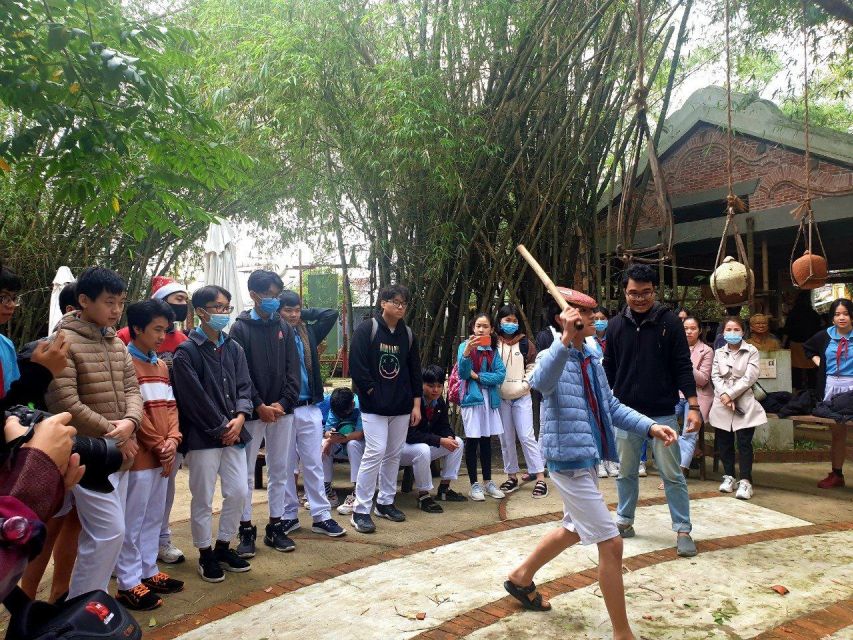
The traditional pot-breaking game supplies the comic finale. After carefully trying to shape clay, you get permission to do the opposite and smash pottery. It is a small activity, but it changes the mood and gives the tour a memorable ending.
The game is not a substitute for cultural learning, and it should not be treated as one. Its value is simple: you get a playful look at a local tradition and a chance to take part instead of watching from the side. It also gives families and friends something to laugh about together.
The contrast works well. First, you handle clay with care. Later, you take part in a controlled act of destruction. Several people have called this the highlight of their visit, especially because it arrives after the more informative museum and village sections.
Coconut coffee, cookies, and the small gifts
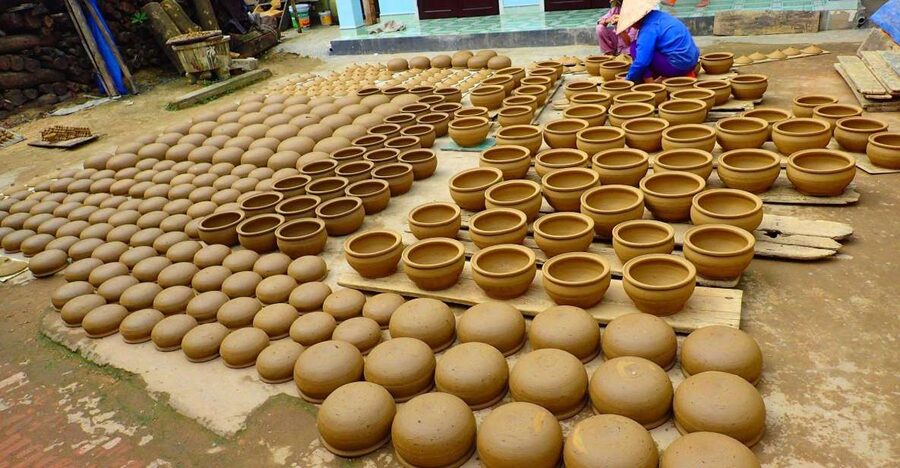
A tea break with cookies and either special coconut coffee or a soft drink is included. Coconut coffee is a particularly fitting choice in Vietnam, and it gives you a brief pause before or after the walk and workshop. Additional food and drinks are not included, so do not treat the break as a full snack stop.
The inclusions add real value to the $23 price. You receive the village, park, and museum tickets, an English-speaking guide, the pottery activity, the game, refreshments, and a terracotta gift. You also have the chance to take home the piece you make, which is more personal than buying a mass-produced souvenir.
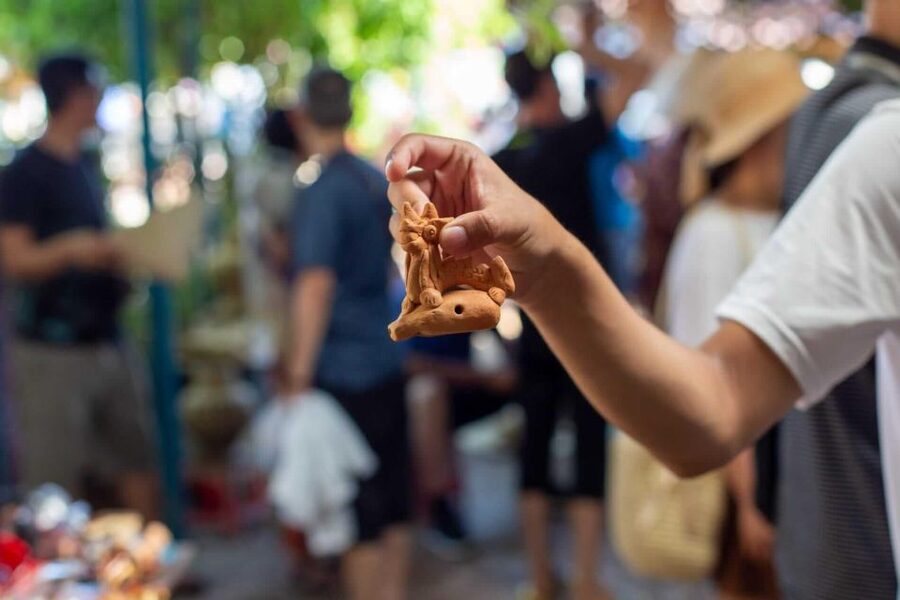
The gift is described as a terracotta item, but the exact design is not specified. You may also find handmade pieces for sale at local pottery houses. Buying is optional, and the visit is not built around aggressive selling. One useful advantage is that you can see the work being made before deciding if you want to purchase anything.
Is $23 good value for two hours?
At $23 per person, I consider this strong value if you want several short experiences in one outing. A museum visit alone would give you context, but not the village walk or the chance to use the wheel. A craft class alone might offer more making time, but not the park, temple, and village setting.
The price also removes several small costs that can add up. Your entry tickets, guide, pottery session, game, drink, cookies, and terracotta gift are included. You are paying extra only for transport to the meeting point and any additional food, drinks, or pottery you choose to buy.
The value is less clear for someone seeking advanced instruction. You will not spend hours learning professional throwing, glazing, firing, or kiln management. If your goal is to develop pottery skills, look for a dedicated multi-session class instead. If your goal is to understand Thanh Ha and have a fun, tactile souvenir, two hours is a good fit.
A Vietnamese public holiday brings an extra cash charge of 200,000 VND per person. Factor that into your budget before booking a holiday date. The tour offers free cancellation up to 24 hours before the activity and allows you to reserve now and pay later, which helps if your Hoi An plans are still shifting.
Who will enjoy this Hoi An activity?
I would choose this tour for first-time visitors who want to add a craft and village experience to a Hoi An stay. It works well after time in the old town, since the setting gives you a different view of local life without requiring a full-day trip.
It is a good match for:
- Couples who may receive a private departure, depending on availability
- Families and older children who enjoy short hands-on activities
- Solo visitors who want a guide and a structured visit
- Anyone interested in Vietnamese craft, temples, and community life
- People looking for a memorable souvenir they helped make
I would think twice if you use a wheelchair, since the activity is not suitable for wheelchair users. I would also skip it if you want a long, technical pottery course or a full meal. Pets are not allowed.
The tour is also a sensible choice for people who dislike hard-sell shopping stops. You can browse local pottery and buy something if you want, but the core schedule centers on the museum, village, temple, making session, and game.
Practical timing and meeting advice
The listed duration is two hours, but the experience is packed. You move from the park to the museums, then through the village and temple, before making pottery and playing the game. Arrive ready to begin at the gate of Thanh Ha Terracotta Park rather than expecting a hotel pickup.
Starting times vary, so check the available departure when you book. English is the stated tour language. If you have questions about the meeting point, contact the operator before setting out, especially if you are cycling or coming from outside central Hoi An.
Wear clothing and shoes that are comfortable for walking and a little clay work. The information does not specify a dress code or the exact drying and firing arrangements for your piece, so ask the guide about collection before you leave. Keep your schedule flexible enough to carry a small souvenir safely afterward.
Should you book the Thanh Ha Pottery Village tour?
Book it if you want an affordable, well-rounded two-hour outing that combines Thanh Ha’s village setting with real participation. The guides, especially Dung and Ly, have been praised for clear explanations, patience, humor, and help with photos. The museum and temple supply context, while the wheel and pot-breaking game keep the visit lively.
Skip it if you want expert pottery training, a long village trek, or transport from your hotel. For most people spending a few days in Hoi An, though, the mix is hard to beat: see the craft, meet the place where it is made, try it yourself, and take home a small reminder.
FAQ
Where does the Thanh Ha Pottery Village tour meet?
Meet your English-speaking guide at the gate of Thanh Ha Terracotta Park in Hoi An. Hotel pickup and drop-off are not included.
How long does the activity last?
The tour lasts two hours. Starting times vary, so check availability for the date you want.
Is pottery experience required?
No. A potter helps you make a simple piece, and you can decorate a basic pattern. This is an introductory activity, not a professional pottery class.
What is included in the $23 price?
The price includes an English-speaking guide, village, park, and museum tickets, pottery making, the traditional pot-breaking game, cookies, coconut coffee or a soft drink, and a terracotta gift.
Can I bring home the pottery I make?
Yes. You can make a simple pottery item, decorate it, and bring it home. Ask your guide about the exact collection arrangements for your piece.
Is the tour suitable for wheelchair users?
No. The activity is listed as unsuitable for wheelchair users. Pets are also not allowed.
Newly listed around Hoi An
- VIP Limousine: Hoi An to Hue Trip★ 4.0 · 39 reviews
- Hoi An Ancient Town And Countryside Tour Full Day★ 5.0 · 39 reviews
- A Private Full Day Tour to My Son Sanctuary & Marble Moutains★ 5.0 · 39 reviews
- Hoi An: Private Car To/From Hue via Multi Attraction( 1-Way)★ 5.0 · 39 reviews
- My Son Sanctuary and Hoi An Walking Tour★ 4.5 · 40 reviews
- From Hoi An: Cooking Class at Organic Farm★ 5.0 · 40 reviews
- Coconut Boat Hoi An★ 4.6 · 41 reviews
- Hoi An: Full-Day Small Group Trip to My Son Sanctuary★ 4.4 · 41 reviews
Hoi An Tours, compared.


Vietnamese Coffee Culture and Coffee Making Class
Read our review →

Cooking Class Hoi An:Local Market, Basket Boat, Fishing & Cooking
Read our review →
Hoi An Cooking Class(Market,BasketBoat Crabfishing&Cooking Class)
Read our review →
My Son Sanctuary Early Morning w. Champa Food Brunch
Read our review →
Ba Na Hills – Golden Bridge Deluxe Small group
Read our review →
Market Tour, Basket Boat Ride and Cooking Class
Read our review →Browse the lists this tour appears in