
Reviewed · HANOI TOURS
Hanoi Maya Kitchen: Traditional Cooking Class & Market Tour
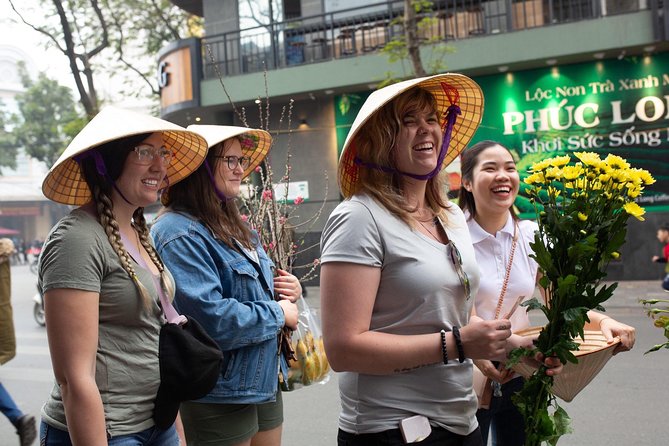
The best part of Hanoi Maya Kitchen is the trip to the local market before you cook. You’ll see ingredients used in everyday Vietnamese meals, learn about substitutes, and buy the food you later prepare. I like that the class connects market life with the kitchen, rather than treating Vietnamese cooking as a string of recipes. I also like the generous menu, which includes four savory dishes and egg coffee, plus fruit and a drink.
The main point to consider is the meeting information. The details name both Yen Thai Market and Hang Da Market, and they list more than one office address. Confirm the exact starting point before you set out. The class lasts about four hours, and the food is plentiful, so arrive hungry and keep your schedule fairly open.
Key points at a glance
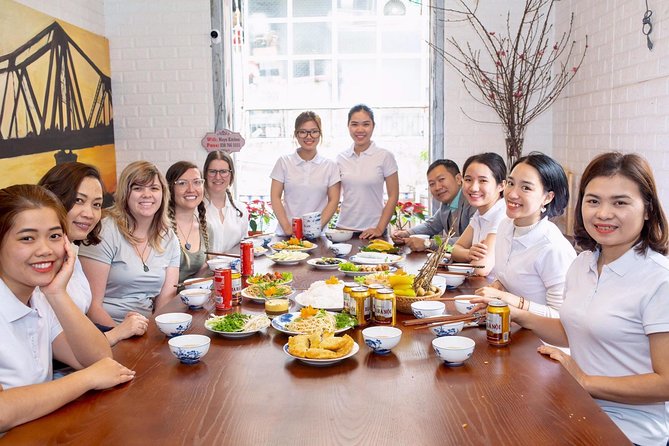
- A market visit comes first: Shop for fresh ingredients and see local food buying in Hanoi’s Old Quarter.
- Four dishes are made by hand: Prepare fried spring rolls, papaya salad, pho rolls, and mixed pho.
- Egg coffee is part of the lesson: You’ll also make Vietnam’s famous Cafe Trung.
- The meal is the payoff: Sit down to eat the food you prepared, with seasonal fruit for dessert.
- Guide quality matters: Iris, Ruby, and Aurora are named in the feedback, with praise for clear instruction, local stories, and friendly help.
- The class is small enough to manage: Numbers are capped at 15 people, though that is still a group setting rather than a private lesson.
Why the market visit makes this class worthwhile
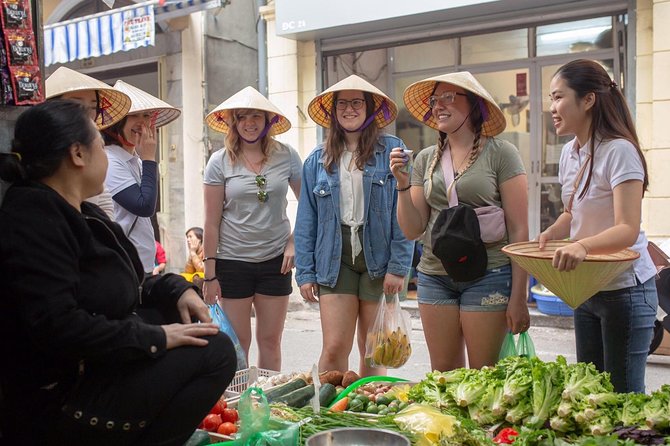
Many cooking classes begin in a kitchen with bowls of premeasured ingredients. This one starts closer to the source. You meet in the Old Quarter, walk to a nearby local market, and take part in buying the food for the lesson.
That first stop gives you useful context. You can see the kinds of produce and herbs used in Vietnamese cooking, ask about unfamiliar ingredients, and learn what substitutes may work when you cook at home. Even if you do not remember every recipe, you leave with a better sense of how Vietnamese meals are built.
I especially like this approach for first-time visitors to Hanoi. A market can feel confusing when you are on your own, but an English-speaking instructor gives the visit a purpose. You are not simply looking at stalls. You are finding the ingredients that will soon become lunch.
The market name needs checking. The detailed description calls it Yen Thai Market, while the itinerary lists Hang Da Market. Both are described as nearby local markets, but the information is not fully consistent. Ask the operator for the exact route and meeting point before the morning or afternoon begins.
More Cooking Classes in Hanoi
- Hanoi Cooking Class: Culture, Local Market & Meaning CSR Impact
★ 5.0 · 5,147 reviews - 5 Traditional Dishes Hanoi Cooking Class with Market Trip
★ 5.0 · 4,890 reviews - Vietnamese Food Cooking Class in Hanoi with Market Experience
★ 5.0 · 778 reviews
Meeting in Hanoi’s Old Quarter
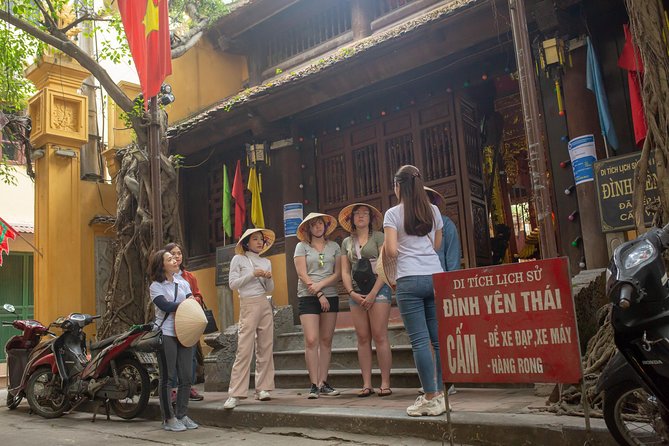
The published information gives a starting point at 38 P. Bat Su, Hang Bo, Hoan Kiem, Hanoi. It also refers to a Crossing Vietnam Tour office at 47 Hang Bong Street. Since those are different addresses, do not rely on memory or assume the nearest office is correct. Confirm the address shown on your booking.
This is a walking-based Old Quarter experience, not a hotel pickup tour. Pick-up and drop-off are not included, and the activity finishes back at the meeting point. That keeps the price down, but you need to make your own way there and back.
The location is near public transportation, and a mobile ticket is provided. Still, allow extra time to find the meeting spot. Hanoi’s Old Quarter has compact streets, similar-looking storefronts, and plenty of foot traffic. A few extra minutes can prevent a rushed start.
The group limit is 15 people. That is small enough for an instructor to demonstrate each dish and move around the work area, though you should not expect the close attention of a private class. If you want a private lesson, this is not presented as one.
Shopping for ingredients at a Hanoi market
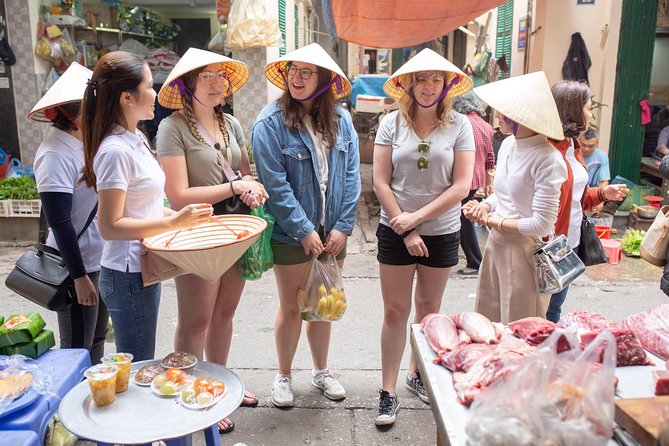
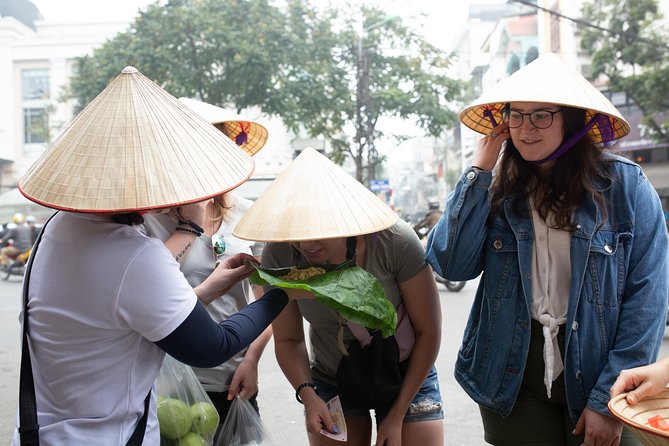
At the market, the instructor helps you buy fresh food for the cooking session. This is a practical lesson in Vietnamese ingredients, not just a sightseeing stop. You get a better idea of what is commonly available and how certain ingredients can be replaced outside Vietnam.
The market visit also gives you a glimpse of ordinary local life. The value is in the small details: seeing food before it is chopped, seasoned, rolled, or fried; understanding which ingredients are fresh; and learning how a familiar Vietnamese dish begins.
Do not expect a long guided tour of every market aisle. The purpose is tied to the meal, so the stop leads directly into the cooking class. That makes the experience efficient, but people looking for a broad food history tour may find the market portion focused.
The class includes the food-buying cost, so you do not need to shop separately. You also receive a recipe to take home, which gives the market visit lasting value. The recipe is especially useful because the instructor discusses ingredient substitutes, a detail that can make Vietnamese dishes more realistic to prepare in another country.
Making fried spring rolls by hand
Fried spring rolls, called Nem Ran, are the first main cooking task. The instructor guides you step by step, including the rolling technique. The description stresses that the work takes flexible hands because the rolls need to be even and neat.
That hands-on step is important. Fried spring rolls are not difficult because of a complicated recipe alone. The shape and tightness of each roll affect how it cooks, and the class lets you practice rather than watch someone else do everything.
This is likely the most technique-focused part of the lesson. You may produce rolls that are not perfectly identical, especially on your first attempt. That is part of the point. You get a skill you can repeat at home, along with a clear memory of how the texture and shape should look.
Fried spring rolls are also a smart choice for a group class. Each person can take part, and the result is easy to share at the final meal. If you have children or family members who prefer familiar food, this may be the most approachable dish on the menu.
More Markets in Hanoi
- Hanoi: 5 Local Dishes Cooking Class with Meal & Market Visit
★ 5.0 · 420 reviews - Hanoi Cooking Class and Market Tour in Ancient House
★ 5.0 · 379 reviews - Rose Kitchen Hanoi: Market, Cooking & Culture Tour + Free PickUp
★ 5.0 · 342 reviews - Hanoi: Old Quarter Market Tour and Cooking Class with Meal
★ 4.8 · 192 reviews
Balancing sweet and sour papaya salad
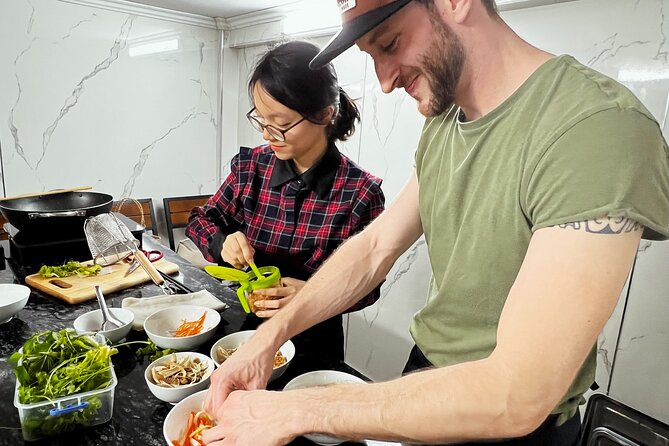
Next comes Nom Du Du, or papaya salad. The main flavor balance is described as sour and sweet. You learn how the dish comes together rather than simply receiving a prepared salad at the table.
Papaya salad gives the meal a fresh counterpoint to the fried spring rolls. That contrast is useful for understanding Vietnamese cooking. The menu is not built around one heavy dish. It includes crisp, fresh, rolled, and noodle-based elements.
The name appears twice in the menu information, but it refers to the same dish, not two separate papaya salads. You should expect one papaya salad preparation as part of the four savory dishes.
The instructor’s role matters here because seasoning is often personal. A step-by-step demonstration helps you understand the intended sweet and sour balance, while your own dish can be adjusted at the table if needed. No specific spice level or ingredient list is provided, so ask the instructor about ingredients if you have dietary concerns.
Rolling pho and mixing pho
Pho Cuon, or pho rolls, gives you another chance to work with your hands. Unlike the fried spring rolls, these are part of the pho family and add a different style of preparation to the class.
The fourth savory dish is Pho Tron, or mixed pho. Together, the two pho dishes show how Vietnamese noodles can be served in more than one form. You are not limited to learning a single bowl of soup, and the menu provides a useful comparison between rolls and mixed noodles.
The class description does not provide the exact fillings, sauces, or garnishes. That means you should focus on the techniques shown in person and use the provided recipe afterward. If you have allergies or avoid meat, contact the operator before booking rather than assuming the menu can be changed.
These dishes also help make the four-hour class feel full rather than repetitive. You prepare fried food, salad, rolls, and noodles, then bring them together for one meal.
Making Vietnamese egg coffee
Cafe Trung, or egg coffee, is the specialty drink included in the lesson. It is made in the kitchen after the savory preparations, and it gives you a distinctly Vietnamese finish to the cooking session.
Egg coffee is a good reason to choose this class over one focused only on spring rolls and noodles. It is a local specialty that many people try in Hanoi cafés, but making it yourself gives you a better sense of the process. The exact method and ingredients are not specified, so the instructor will be your source for the detailed technique.
One drink is included, and the listed options are water, tea, or coffee. Egg coffee is part of the menu, while the general drink inclusion may refer to an additional beverage option. If having a non-coffee drink matters to you, clarify this when booking.
Sitting down to eat what you made
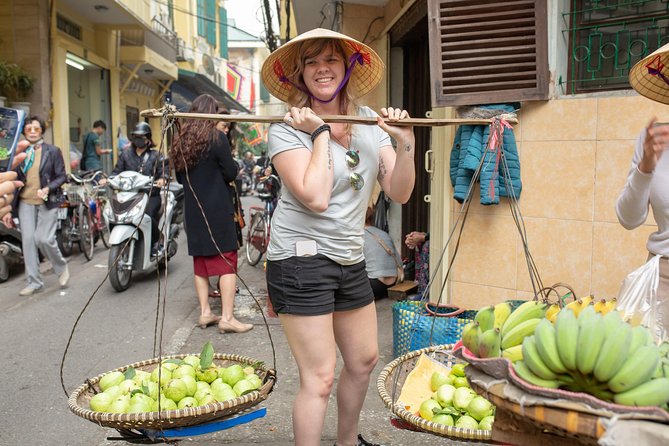
The class ends with a meal featuring the dishes you prepared: fried spring rolls, papaya salad, pho rolls, mixed pho, and egg coffee. Seasonal fruit is served for dessert.
This final meal is more than a convenient ending. It lets you see how the separate preparations work together on the table. You can compare your spring-roll technique with the finished result, taste the sweet and sour salad, and decide which recipes you want to recreate at home.
The portions appear generous. One family group found there was more than enough food for four people, and another person advised skipping breakfast because there is plenty to eat. That is useful advice, especially if you are booking the class earlier in the day.
The food can also be taken away in special containers if you cannot finish it. Containers are not listed among the formal inclusions, so treat this as something that may be available rather than a guaranteed service. The practical tip is simple: do not plan a large meal immediately afterward.
The instructors and the feel of the class
The named instructors include Iris, Ruby, and Aurora. Iris is associated with the market visit and step-by-step kitchen guidance. Ruby is praised for teaching the dishes, sharing local places to eat, and helping participants make five preparations. Aurora is described as adding Vietnamese stories and even some singing to the session.
Those details suggest that the personality of the instructor can shape the experience. The basic structure remains the same, but the class may feel more conversational with one guide and more focused with another. You should expect an English-speaking instructor, cooking help, and local recommendations, but not a scripted performance.
The strongest praise centers on three things: clear instruction, tasty food, and the market-to-kitchen format. That combination makes the class feel useful as well as entertaining. You are given enough structure to cook, but there is room for stories and conversation.
The group size of up to 15 keeps the price reasonable at $30 per person. For that fee, you receive the market visit, ingredient buying, instruction, all listed food, one drink, local wine tasting, a recipe, and the meal. In Hanoi, that is good value if you want both lunch and a cultural activity in one booking.
The tradeoff is that a larger group can mean less individual correction. You may need to watch closely during the demonstrations and ask questions when the instructor comes around.
What is included for $30
The price covers the main costs that could otherwise add up:
- Local market visit and food buying
- English-speaking cooking instructor
- Four savory dishes
- Egg coffee
- Seasonal fruit
- One drink, such as water, tea, or coffee
- Local wine tasting
- Cooking recipe
- The meal you prepare
For me, the strongest value comes from the market and the full meal. A short cooking demonstration with a small tasting would not offer the same return. Here, you spend about four hours learning, cooking, and eating.
Pick-up and drop-off are not included. You pay for your own transport to the Old Quarter meeting point, but the tour returns you there after the class. Free cancellation is available if you cancel at least 24 hours before the start time. Cancellations within 24 hours are not refunded, and late changes are not accepted.
Who should book this cooking class
I would choose this class if you want a practical introduction to Vietnamese food without committing to a full-day food tour. The four-hour length fits neatly into a Hanoi stay, and the Old Quarter setting makes it easy to pair with other sightseeing before or after the class.
It suits people who enjoy learning by doing. You will roll, mix, prepare, and eat, so it is a better match for active participants than for anyone who wants only a market walk and a restaurant meal.
Families can also find plenty to like here. The menu has several different tasks, the portions are generous, and the final meal is shared. The group feedback also includes a family of four enjoying the experience together.
I would be more cautious if you have strict dietary requirements. The supplied information does not specify vegetarian, vegan, halal, gluten-free, or allergy-friendly alternatives. Ask before booking, and do not assume that every dish can be changed.
Should you book Hanoi Maya Kitchen?
Book it if you want a reasonably priced Old Quarter activity that combines local shopping, hands-on cooking, and a substantial meal. The strongest reasons are the market visit, the broad five-item menu, the recipe to take home, and instructors such as Iris, Ruby, and Aurora who add clear guidance and local conversation.
Skip it if you prefer a private class, need a tightly controlled diet, or want a tour with hotel transportation included. Also confirm the meeting address and market name before you go, since the supplied details give more than one location.
For most visitors who want to understand Vietnamese food by preparing it themselves, this is a practical choice. Arrive hungry, leave room in your schedule, and expect lunch to be part of the lesson.
FAQ
Where does the cooking class begin?
The listed starting point is 38 P. Bat Su, Hang Bo, Hoan Kiem, Hanoi, Vietnam. The information also names a Crossing Vietnam Tour office at 47 Hang Bong Street, so confirm the exact meeting address before arrival.
How long does the experience last?
The activity lasts approximately four hours.
Is transportation included?
No. Pick-up and drop-off service are not included. The activity ends back at the meeting point.
Which market will I visit?
The detailed route names Yen Thai Market, while the itinerary lists Hang Da Market. Confirm the specific market with the provider before the experience.
How many people can join?
The activity has a maximum group size of 15 travelers.
Which dishes will I make?
You will make Nom Du Du papaya salad, Nem Ran fried spring rolls, Pho Cuon pho rolls, and Pho Tron mixed pho.
Is egg coffee included?
Yes. Cafe Trung, or Vietnamese egg coffee, is included in the cooking menu.
What else is included with the meal?
Seasonal fruit is served for dessert. One drink, such as water, tea, or coffee, and a local wine tasting are also included.
Can I cancel for a full refund?
Yes, if you cancel at least 24 hours before the experience start time. Cancellations or changes made within 24 hours are not accepted and are not refunded.
More Shopping Trips in Hanoi
- Cooking Class Hoi An:Local Market, Basket Boat, Fishing & Cooking
★ 5.0 · 3,660 reviews - Hoi An Cooking Class(Market,BasketBoat Crabfishing&Cooking Class)
★ 5.0 · 3,386 reviews - From Hoi An: Market Tour, Basket Boat Ride and Cooking Class
★ 4.8 · 2,208 reviews - Can Tho: Floating Market & Mekong’s Legacy( About 6 Pax)
★ 5.0 · 1,438 reviews
More Shopping Tours in Hanoi
- Local Market Tour and Private Cooking Class
★ 5.0 · 104 reviews - Hanoi Cooking Class: Market Tour, Free Liquor & Coffee Tasting
★ 5.0 · 86 reviews - Cooking class with market visit
★ 5.0 · 49 reviews
Newly listed around Hanoi
- Hanoi: Halong Bay Cruise, Amazing Cave, Titov Island & Kayak★ 4.2 · 39 reviews
- 2Days-1Night Halong Bay Luxury Genesis Regal Cruises★ 4.5 · 39 reviews
- Ninh Binh 1 Day Tour(Tam Coc – Mua Cave – Bich Dong)★ 5.0 · 39 reviews
- 8 days 360° Vietnam Adventure from Hanoi★ 5.0 · 39 reviews
- Dora Cruise – Luxury 5 Star Cruise in Halong Bay & Lan Ha Bay (2D1N)★ 4.5 · 39 reviews
- 3 Days and 2 Nights Ha Giang Loop Tour★ 5.0 · 39 reviews
- Best Value Ha Long bay 1 day – Lunch, kayak, swimming, transfer★ 5.0 · 39 reviews
- From Hanoi: Ha Giang Loop Motorbike Tours 3-Days 2-Nights★ 5.0 · 40 reviews
Hanoi Tours, compared.
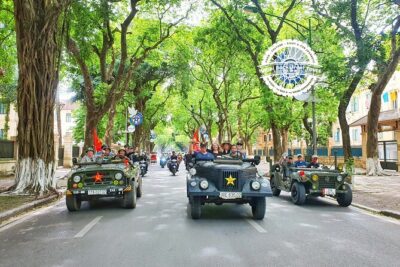
Hanoi Jeep Tour: Food, Culture and Fun by Vietnam Army Jeep
Read our review →
Full-Day Ninh Binh Highlights Tour from Hanoi
Read our review →
Ha Long Bay Day Cruise – Swimming, Meal, Kayaking
Read our review →

Hanoi Motorbike Tour: Food, Culture and Fun by Vintage Motorbike
Read our review →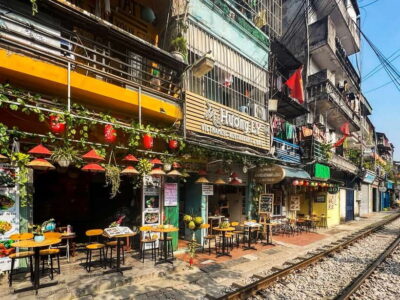
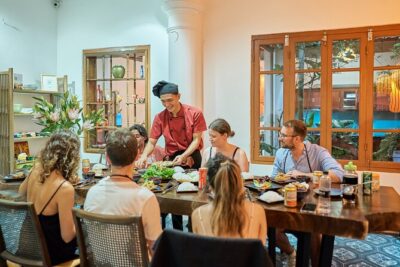
Hanoi Cooking Class: Culture, Local Market & Meaning CSR Impact
Read our review →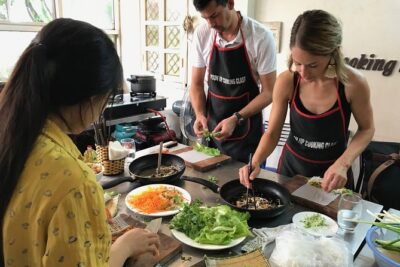
5 Traditional Dishes Hanoi Cooking Class with Market Trip
Read our review →Browse the lists this tour appears in