
Reviewed · HANOI TOURS
Hanoi Coffee Class learning 5 famous coffee in Hanoi
Hanoi’s coffee culture is best understood with a filter in one hand and a small glass of condensed milk coffee in the other. This two-hour class takes you from raw beans to finished drinks, including local favorites such as egg coffee, coconut coffee, and salted coffee.
I like the hands-on format, and I like that guides such as Vy, Bella, and Ruby explain both the drinks and their place in Vietnamese life. The main drawback is caffeine: five drinks in one sitting can be a lot, especially if your option includes full portions rather than tastes.
Key points to know before booking
- Five drinks in one class: You may prepare condensed milk filter coffee, pour-over, white coffee, egg coffee, coconut coffee, matcha coffee, or salted coffee, depending on your chosen option.
- Roasting may be included: Selected options let you roast a batch of coffee before grinding and brewing it.
- A small, social setting: The class accepts a maximum of 15 people, though some sessions may be much smaller.
- Local context matters: The lesson covers Vietnamese coffee production, Hanoi’s coffee traditions, and the story behind egg coffee.
- Tea and snacks are included: You are welcomed with Vietnamese tea and small snacks, with more snacks served during the class.
- Good value at $18: You receive instruction, coffee, tea, equipment use, and five drinks in about two hours.
Starting with tea in Hanoi’s Old Quarter
The class begins at 8 P. Gia Ngư in Hàng Bạc, Hoàn Kiếm, a central Old Quarter address. You return to the same meeting point at the end, so this is a simple activity to fit around a morning walk, a market visit, or another central Hanoi plan.
You are welcomed with Vietnamese tea and a snack before the coffee work begins. That small opening is useful. It gives you time to settle in, meet your guide, and learn the rhythm of the class before the caffeine arrives.
The setting is a coffee shop with a long connection to Hanoi’s coffee scene. The experience is not presented as a formal culinary school course. It is closer to a friendly introduction held in a working coffee environment, with the sights, smells, tools, and pace of a real café around you.
The group limit is 15 people. That is small enough for a hands-on activity, though the amount of personal attention can change with the size of your session. Some bookings may feel nearly private, while a full group will naturally mean more waiting between steps.
A few other Hanoi trips to compare
- Hanoi Coffee Experience: 6 Brews, 9 Recipes & 3 Liquor Tastings
★ 5.0 · 2,945 reviews - Hanoi Coffee Workshop: Taste Salt, Coconut and Egg Coffee
★ 5.0 · 1,286 reviews - Hanoi: Salt Coffee Workshop Awake Your Senses With 6 Brews
★ 5.0 · 792 reviews
Seeing, touching, and smelling the beans
The first lesson looks at coffee before it becomes a drink. You get to see, touch, and smell beans in different forms, then learn how Vietnamese coffee is produced and prepared.
This part gives the drinks some needed context. Vietnamese coffee is not just a strong brew poured over ice. The bean, roast, grind, filter, sweetener, temperature, and toppings all affect the final cup. Once you understand those steps, the familiar metal phin filter makes more sense.
The class also explains coffee’s role in Vietnam and in Hanoi. That cultural layer is one of the strongest reasons to book this instead of simply ordering a coffee from a café menu. You learn why certain drinks became popular and how coffee fits into daily life.
The information is kept practical. You are not expected to memorize technical terms or follow a long lecture. The useful balance is a short theory section followed by making drinks with your own hands.
If you choose an option that includes roasting, you may roast a batch yourself. This adds an extra sensory step, since you can notice the change in smell and appearance before the beans are ground. Check the exact option when booking, because roasting is not stated as part of every version.
Grinding and brewing with Vietnamese tools
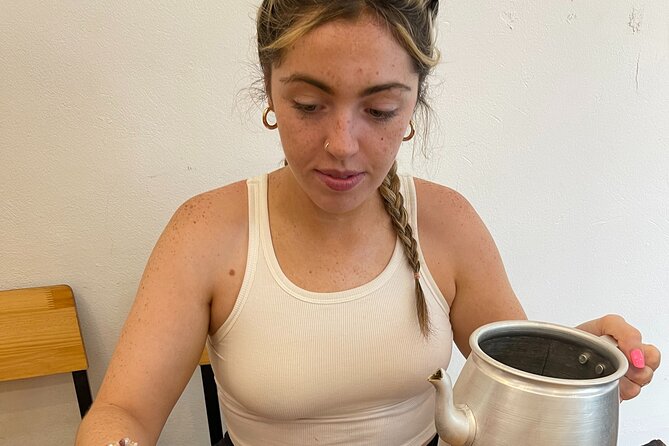
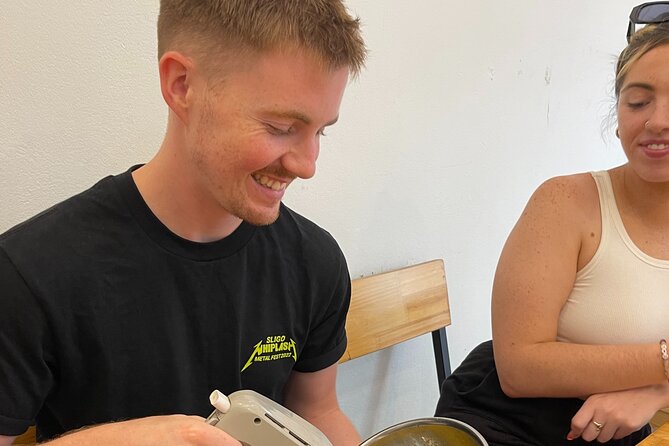
After the introduction, your guide shows you how to grind the coffee and use the equipment. Coffee filters, a roaster, and other brewing tools are provided, so you do not need to bring anything beyond an interest in coffee and clothes you can comfortably work in.
The brewing process is slow enough to watch. That is part of the appeal. A phin filter does not rush the coffee into the cup, and you can see how the grind and amount of water affect the result.
You may also work with a pour-over method. Comparing it with the Vietnamese filter helps you notice the difference between a slower, heavier cup and a cleaner brew. This is not a professional barista qualification, but it is enough to give you a method you can try at home.
The instructors use clear English, according to the information available about the class. Ruby is especially noted for guiding the practical steps in English, while Vy and Bella are also named as instructors who explain the drinks and local customs. Guide assignments can change, but the teaching style is built around demonstration, practice, and conversation.
Making five very different coffee drinks
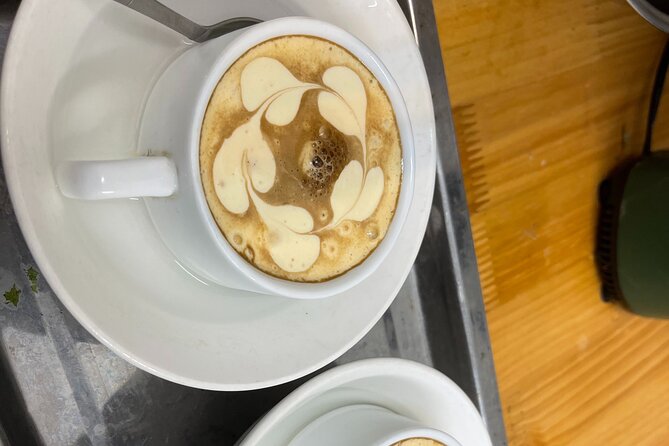
The centerpiece is preparing five drinks. The exact set depends on the option you select, but the choices listed include condensed milk filter coffee, pour-over, white coffee, egg coffee, coconut coffee, matcha coffee, and salted coffee.
That range matters because it shows how broad Vietnamese coffee culture can be. You are not simply drinking the same brew five times with minor changes. You move between strong, sweet, creamy, chilled, and flavored styles.
Same base, a completely different day:
- Hanoi Jeep Tour: Food, Culture and Fun by Vietnam Army Jeep
★ 5.0 · 15,222 reviews - Full-Day Ninh Binh Highlights Tour from Hanoi
★ 5.0 · 7,761 reviews - Hanoi: Ha Long Bay Day Cruise – Swimming, Meal, Kayaking
★ 4.7 · 7,415 reviews - Hanoi: Water Puppet Show Tickets
★ 4.6 · 7,029 reviews
Condensed milk filter coffee
This is one of the clearest introductions to Vietnamese coffee. The phin filter sits over a glass or cup, and condensed milk adds sweetness and body.
You learn to control the brewing rather than leaving the drink entirely to the instructor. The result can be served hot or over ice, depending on the preparation. If you like powerful coffee with a sweet finish, this will probably be one of your favorites.
Egg coffee
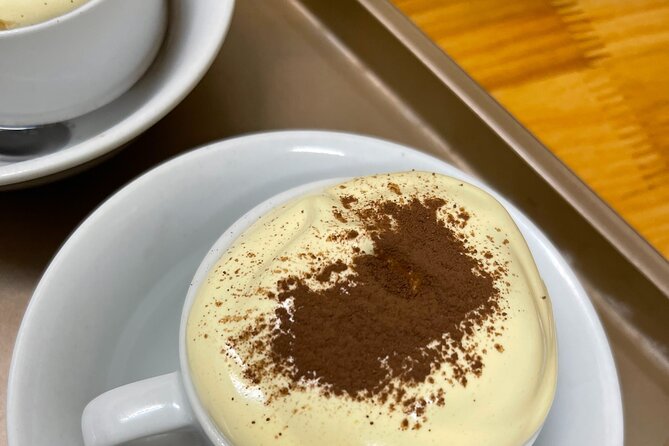
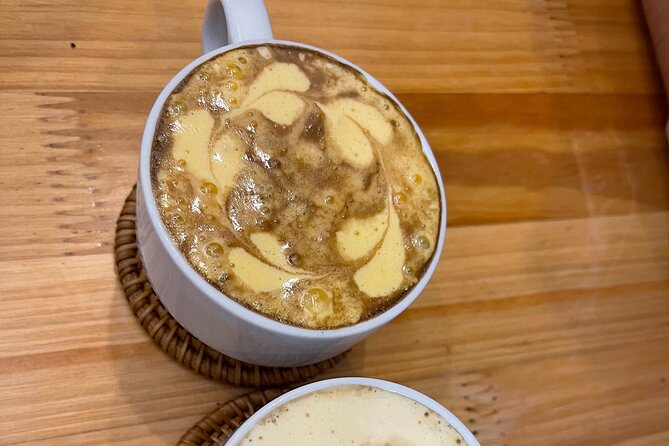
Egg coffee is often the drink people most want to understand in Hanoi. The class explains how it developed and shows you how to make the creamy egg topping.
The preparation is fun because texture matters as much as flavor. You work toward a smooth, rich topping that sits over the coffee. It tastes more like a coffee dessert than a plain morning cup, which makes it a good reason to take the class early in your Hanoi stay.
Bella is specifically associated with explaining egg coffee and its connection to Hanoi. That story adds value, since the drink can seem strange if you only see it on a menu. After the lesson, you understand both the recipe and the local reason for its popularity.
Coconut coffee
Coconut coffee brings a cooler, sweeter profile. The coffee is paired with coconut, creating a drink that feels closer to a treat than a simple brew.
This is a good choice if you are not used to strong black coffee. The coconut softens the sharp edge, though the drink can still carry plenty of caffeine. Making it yourself also lets you see how a familiar local coffee base can be adapted into something more modern and dessert-like.
Salted coffee
Salted coffee uses a small amount of salt to change the balance of the drink. The point is not to make the cup taste salty. It is to sharpen the contrast between the coffee and the creamy or sweet elements.
This style is useful for anyone who likes tasting comparisons. You can notice how a tiny adjustment changes the whole drink. It also gives you a recipe idea that is easy to discuss and remember after the class.
Matcha coffee and white coffee
Matcha coffee brings a tea element into the session, while white coffee offers another way to explore milk, sweetness, and coffee strength. These choices make the class less rigid and may suit you if egg or coconut coffee is not your first choice.
Because the drink list can vary by option, read the selection carefully before you pay. The advertised class is about five drinks, not necessarily every drink named in the full description.
Snacks, conversation, and useful Hanoi tips

Small snacks are served during the class, not just at the welcome. They give you something to eat alongside the drinks and help break up the tasting.
Still, do not treat this as a full meal. The snacks are an accompaniment, so eat beforehand if you need a substantial breakfast. Five coffee preparations can also feel heavy on an empty stomach.
The class has a conversational side. Guides answer questions about coffee and may offer suggestions for nearby parts of Hanoi. Vy, for example, is noted for sharing tips about surrounding areas, while the teaching style described for Ruby is patient and clear.
That local conversation is one of the better extras. You can ask about coffee styles, Hanoi customs, and places you plan to visit. Just keep your questions focused, since the class has a set duration of about two hours.
Is $18 a fair price?
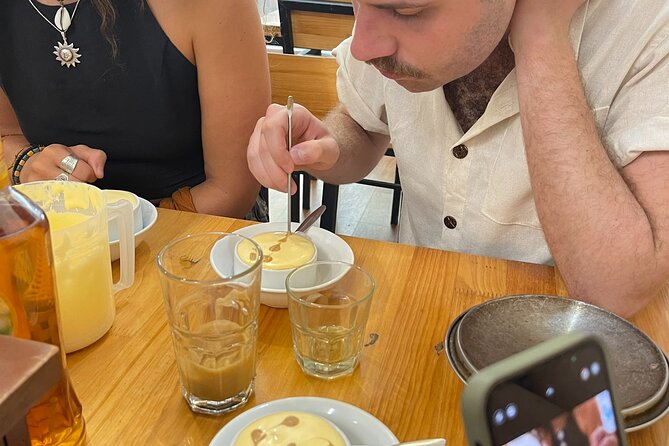
At $18, the class offers good value if you want more than a quick coffee tasting. The fee covers coffee or tea, the filters and other tools, the roasting equipment where relevant, snacks, instruction, and five drinks.
A café crawl could cost less if you only want to taste the finished drinks. It would not give you the same chance to handle beans, brew the coffee, or learn how egg coffee is made. On the other hand, this is not the right purchase if you dislike coffee or want a quiet sightseeing activity with little participation.
The value is strongest for couples, families, and solo visitors who enjoy learning by doing. A family group of five can take part together, and a one-to-one session may be possible when bookings are light. The class size can reach 15, so do not assume every booking will be private.
Who will enjoy this class most?
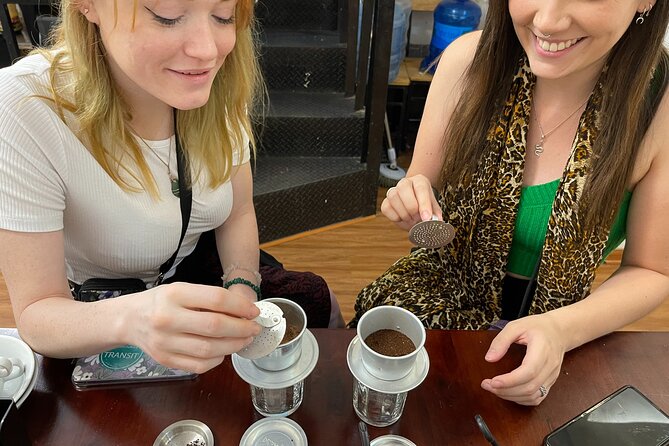
I would recommend it to coffee drinkers, curious eaters, and anyone who wants a short cultural activity in the Old Quarter. It also suits you if you want to bring a practical skill home rather than only collect photographs and souvenirs.
It works well for couples because you can compare your results and make the class part of a relaxed morning. Families can also join, though adults should consider how much caffeine younger participants should consume.
The activity is less suitable if you are sensitive to caffeine, dislike sweet drinks, or prefer a strict technical course. The emphasis is friendly instruction and tasting, not professional espresso training.
You should also allow for the possibility that five drinks will be too much. Ask about smaller pours if needed, and pace yourself. The class is designed to let you enjoy each preparation, not to force you to finish every cup quickly.
Booking, cancellation, and practical details
You receive confirmation at the time of booking, and mobile tickets are supported. The meeting point is 8 P. Gia Ngư, Hàng Bạc, Hoàn Kiếm, Hanoi, with the activity ending back there.
The location is near public transportation. Service animals are allowed. These details make the class fairly easy to fit into a central Hanoi schedule without arranging a separate transfer.
Free cancellation is available if you cancel at least 24 hours before the start time. Cancellations or changes inside that 24-hour window are not refunded or accepted. The activity also requires a minimum number of participants, so if the provider cancels for that reason, you are offered another date or experience, or a full refund.
Should you book the Hanoi Coffee Class?
Book this class if you want to understand Hanoi through one of its daily rituals. The strongest parts are the hands-on brewing, the background behind egg coffee, the range of five drink styles, and the chance to learn from guides such as Vy, Bella, or Ruby.
I would skip it only if caffeine is a problem, you want a full meal, or you are looking for advanced barista training. For most coffee fans, $18 is a sensible price for two hours of tasting, making, and local context, especially early in a Hanoi visit when you can use the drink knowledge for the rest of your time in the city.
FAQ
Where does the Hanoi Coffee Class begin and end?
The class begins at 8 P. Gia Ngư, Hàng Bạc, Hoàn Kiếm, Hanoi, Vietnam. It ends back at the same meeting point.
How long does the coffee class last?
The activity lasts approximately two hours.
How many people can join the class?
The maximum group size is 15 participants.
Which coffee drinks can I make?
Depending on the option selected, you may make condensed milk filter coffee, pour-over, white coffee, egg coffee, coconut coffee, matcha coffee, or salted coffee. The class includes five drinks.
Is coffee and tea included?
Yes. Coffee and/or tea, the coffee filters and other tools, and snacks are included.
Can I cancel for a full refund?
Yes, if you cancel at least 24 hours before the experience start time. Cancellations made less than 24 hours in advance are not refunded.
Newly listed around Hanoi
- Hanoi: Halong Bay Cruise, Amazing Cave, Titov Island & Kayak★ 4.2 · 39 reviews
- 2Days-1Night Halong Bay Luxury Genesis Regal Cruises★ 4.5 · 39 reviews
- Ninh Binh 1 Day Tour(Tam Coc – Mua Cave – Bich Dong)★ 5.0 · 39 reviews
- 8 days 360° Vietnam Adventure from Hanoi★ 5.0 · 39 reviews
- Dora Cruise – Luxury 5 Star Cruise in Halong Bay & Lan Ha Bay (2D1N)★ 4.5 · 39 reviews
- 3 Days and 2 Nights Ha Giang Loop Tour★ 5.0 · 39 reviews
- Best Value Ha Long bay 1 day – Lunch, kayak, swimming, transfer★ 5.0 · 39 reviews
- From Hanoi: Ha Giang Loop Motorbike Tours 3-Days 2-Nights★ 5.0 · 40 reviews
Hanoi Tours, compared.

Hanoi Jeep Tour: Food, Culture and Fun by Vietnam Army Jeep
Read our review →
Full-Day Ninh Binh Highlights Tour from Hanoi
Read our review →
Ha Long Bay Day Cruise – Swimming, Meal, Kayaking
Read our review →

Hanoi Motorbike Tour: Food, Culture and Fun by Vintage Motorbike
Read our review →
Hanoi Cooking Class: Culture, Local Market & Meaning CSR Impact
Read our review →
5 Traditional Dishes Hanoi Cooking Class with Market Trip
Read our review →Browse the lists this tour appears in