
Reviewed · HANOI TOURS
Hanoi Coffee Workshop: Taste Salt, Coconut and Egg Coffee
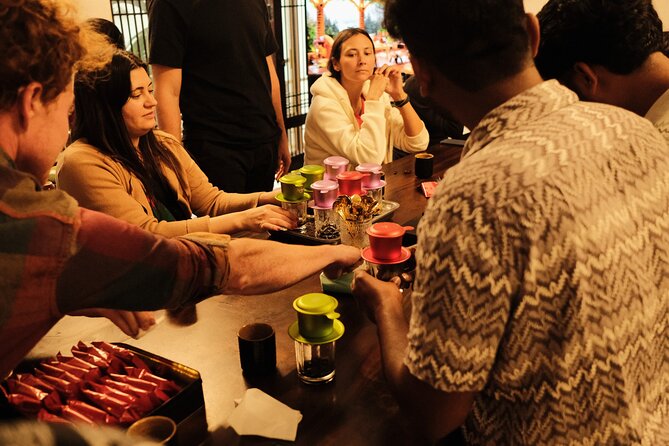
Hanoi’s coffee culture is at its most fun when you stop merely ordering a cup and learn how it is made. This 3.5-hour workshop at Local Beans Roastery takes you from Vietnam’s coffee farms to six unusual drinks, including salt, egg, and coconut coffee.
I like the hands-on format, with filters, grinders, and other equipment supplied, and I like the warm teaching style reported from instructors such as Val, Lin, and Luka. The workshop also works well for solo visitors and can adjust for vegan diets and other restrictions. The one catch is that six tastings, plus rice wine, can be a lot of caffeine in one sitting.
Key points at a glance
- Six Vietnamese drinks: Brew classic phin coffee, brown coffee, salt coffee, egg coffee, coconut coffee, and a coffee cocktail.
- Stories behind the cup: Learn how coffee became part of everyday life in Vietnam and how roast levels affect taste.
- Real hands-on practice: You grind, filter, mix, and taste with all special equipment provided.
- Friendly named instructors: Val, Lin, Luka, Giang, and Valerie have led sessions, with strong praise for their clear and entertaining teaching.
- Useful take-home material: Receive recipes, digital coffee books, and a professional certificate if you request one.
- Convenient Old Quarter service: Pickup and drop-off are available within Hanoi’s Old Quarter, while the workshop itself takes place at No. 75/173 Hoang Hoa Tham Street.
Starting at Local Beans Roastery on Hoang Hoa Tham Street
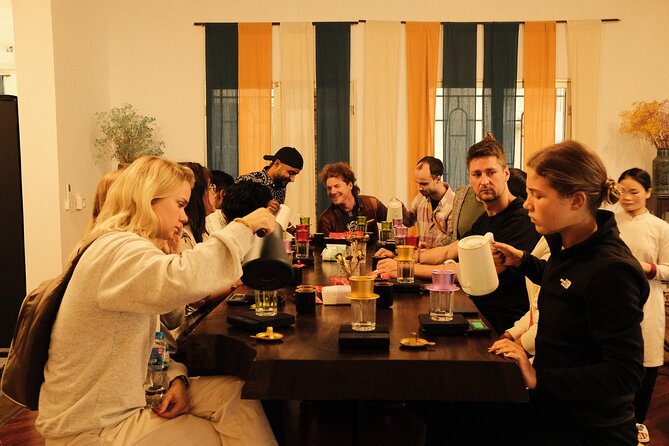
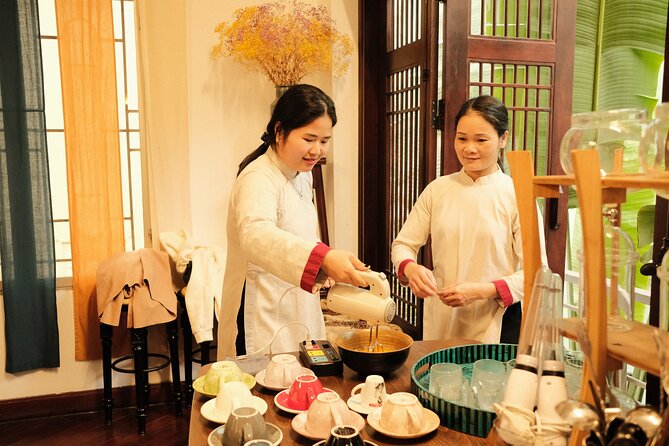
The workshop begins at Local Beans Roastery, at No. 75/173 Hoang Hoa Tham Street in Ba Đình. This is not a sightseeing walk through central Hanoi. It is a seated, practical class built around coffee, so the main reward comes from what you make and learn rather than from the surroundings.
You can arrange hotel pickup and drop-off if your hotel is within the Old Quarter. That is helpful in Hanoi, where a short distance on a map can take longer than expected in traffic. If you are meeting at the roastery yourself, the address is the key detail to save before you leave.
The experience lasts about three and a half hours. That is long enough to explain the basics, prepare several drinks, taste them carefully, and leave time for questions. It also means you should not book it immediately before an important timed activity.
The class is open to solo visitors, couples, and groups. Group discounts are available, and the listed maximum is 100 people. That maximum is broad, so the actual feel may depend on the session you choose. The teaching style appears designed to include each person in the process, but anyone seeking a tiny private lesson should confirm the group setup before booking.
More Street Food Tours in Hanoi
- Hanoi: Guided Food Tour with Train Street Visit
★ 4.9 · 6,239 reviews - Small Group Hanoi Street Food Tour with a Real Foodie
★ 5.0 · 4,682 reviews - Hanoi: Street Food Tour with Train Street & Hidden Alleyways
★ 5.0 · 2,831 reviews
Coffee from farm origins to roast level
The workshop starts with Vietnam’s place in the coffee world. Your barista explains how coffee became part of Vietnamese daily life and connects that story to farming and preparation. One particularly useful point is the role of robusta, the bean used widely in Vietnam.
This is worth understanding before you judge a strong Vietnamese cup by the standards of a light-roast specialty coffee. Robusta is often linked with a heavier body, stronger bitterness, and more forceful flavor. The class presents it as an important part of Vietnam’s coffee culture, not automatically as a superior bean.
That distinction matters. A criticism raised about the class was that robusta could seem to be presented as good simply because it is common. The fair way to approach this section is to listen for context. Vietnam’s coffee identity was shaped by the beans available, local tastes, condensed milk, ice, and slow brewing. The point is not to rank every bean on one universal scale.
You also learn how roast level changes aroma and taste. This gives the tasting a useful structure. Instead of drinking six unrelated beverages, you can pay attention to what comes from the bean, what comes from roasting, and what comes from ingredients such as salt, egg, coconut, sugar, jam, or wine.
Learning the phin before the creative recipes
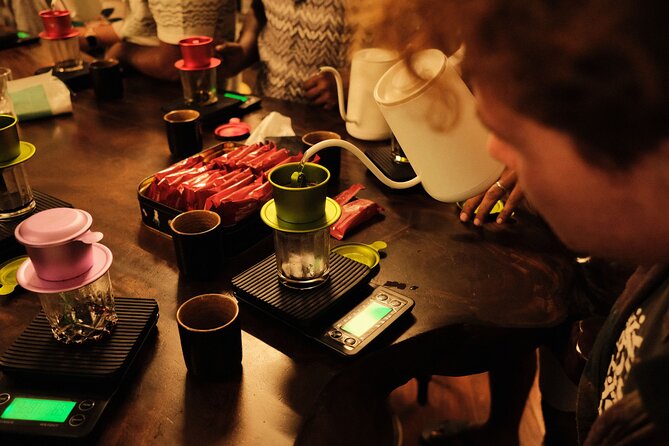
The classic Vietnamese coffee is prepared with a phin, the small metal filter that sits directly on top of your cup. It is slower than an espresso machine and far more central to the experience. Water passes through the coffee at its own pace, producing a concentrated brew that can be served black, over ice, or with sweetened milk.
The workshop supplies the filters and grinders, so you do not need to pack equipment or buy anything before arriving. You learn the basic process under guidance, then taste the result. This is a valuable part of the class even if you care more about egg or coconut coffee, since the phin base appears in several Vietnamese preparations.
Pay attention to grind size, water, and timing. Small changes can affect how quickly the coffee filters and how balanced it tastes. The aim is not just to copy a recipe. You are learning to recognize the difference between a cup that is rounded and pleasant and one that is harsh or thin.
The welcome includes herbal ginger root and peach tea, along with snacks. That is a smart start, especially before several coffee samples. Still, the event is coffee-centered rather than a full meal, so do not arrive expecting lunch.
Six cups, six very different personalities
The heart of the class is making and tasting six signature drinks. The exact pace can vary with the instructor and group, but the listed sequence includes classic phin-brewed coffee, brown coffee, salt coffee, egg coffee, coconut coffee, and a coffee cocktail.
Classic phin coffee gives you the reference point. It shows the flavor of the brewed bean before the class adds sweet, creamy, salty, or alcoholic ingredients. If you already drink Vietnamese coffee, this is a chance to look more closely at the preparation. If you are new to it, it establishes why the coffee often tastes so concentrated.
Brown coffee usually refers to coffee softened with sweetened condensed milk. Here, the interest is the balance between forceful brewed coffee and dense sweetness. It is a useful reminder that Vietnamese coffee is often designed as a complete drink, not a plain black cup with milk added as an afterthought.
Salt coffee is the surprise for many people. A small amount of salt can soften bitterness and sharpen the coffee’s other flavors. It is not meant to taste like seawater. The class lets you control the preparation and decide how much salt works for you. One participant who did not usually drink coffee found this style especially appealing, which makes it a good option for cautious beginners.
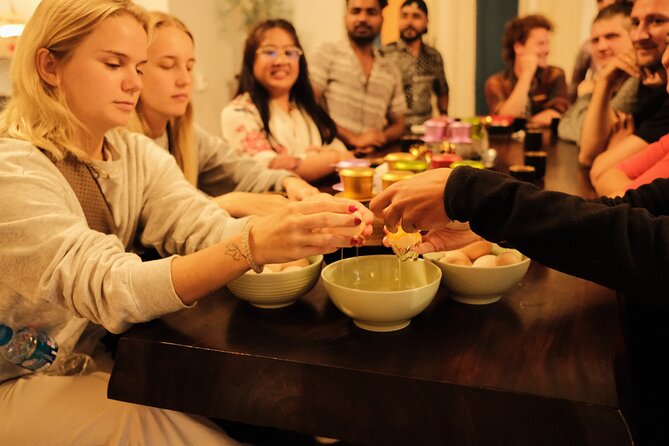
Egg coffee is Hanoi’s famous dessert-like creation. The topping brings a thick, creamy texture and a sweetness that changes the coffee below it. You learn why this drink has become so closely tied to the city’s café culture. It is rich enough to feel like a small dessert, so you may want to pace yourself if you are also trying every other cup.
Coconut coffee adds coconut flavor and a cooler, softer character. Depending on how it is prepared, it can feel closer to a blended treat than a traditional filter drink. That contrast is part of the fun. You get to see how the same coffee base can move from serious and bitter to sweet and tropical.
The final drink is a coffee cocktail made with local jam and wine. This is the most playful recipe in the set and gives the class a local drinks angle beyond coffee alone. It is also the point where you should take note of alcohol content. The experience includes a bonus tasting of homemade rice wine, so tell the instructor if you are avoiding alcohol.
Because all six drinks are made during the workshop, the session is more active than a café tasting. You will handle ingredients and follow directions, rather than sit back while someone else prepares everything. That suits curious people who want to repeat the recipes at home. It may feel less appealing if you prefer a quiet tasting with no practical work.
More street food tours around Hanoi:
- Hanoi: Guided Street Food Tour with Train Street Experience
★ 4.9 · 2,479 reviews - [HOT] Hanoi Old Quarter Walking Street Food – Small Group Tour
★ 5.0 · 2,163 reviews - Hanoi Street Food Tour with local delicacies
★ 5.0 · 1,506 reviews - Hanoi: Small-Group Street Food Walking Tour
★ 4.8 · 1,165 reviews
Teaching style and the human side of the class
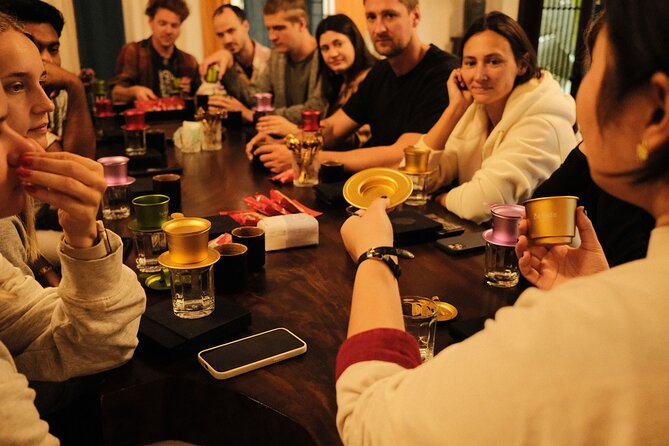
The strongest part of this experience is the instruction. Val has been praised for being funny, organized, and good at explaining coffee growing and the background of the drinks. Lin has been described as engaging and inclusive, bringing each person into the process and inviting questions. Luka has also led well-organized sessions, with clear explanations of Vietnamese coffee and local wine.
Giang and Valerie have helped with classes as well. The names matter because the tone may differ from one session to another, but the pattern is clear: the workshop depends heavily on the person leading it. You are not simply following a printed recipe. You are learning from a Vietnamese barista with a personal connection to coffee farms and years of coffee-making experience.
That makes the social setup important. Solo visitors can fit in comfortably, and the teaching format encourages participation rather than leaving one person at the edge of the table. If you ask questions, you should get more from the session than someone who only watches.
The language and exact style of instruction are not specified, so you may want to confirm details if that matters to you. The activity does offer mobile ticketing, and confirmation is provided at booking.
What the $16 price really buys you
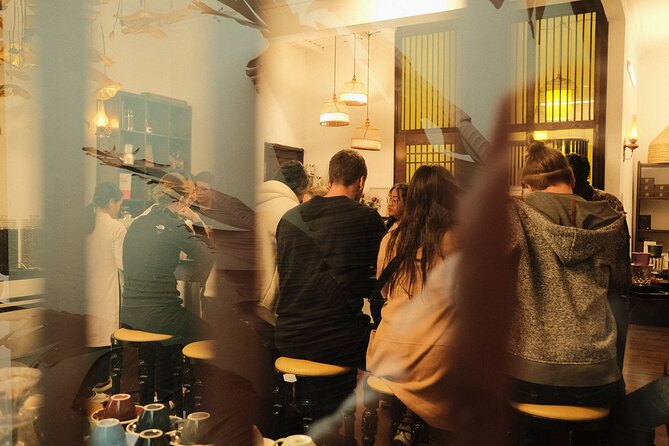
At $16 per person, this is a strong-value experience if you want more than a single Hanoi café stop. You are paying for about three and a half hours of instruction, six drink preparations, snacks, welcome tea, equipment use, guidance from coffee instructors, recipes, and digital coffee books.
Pickup and drop-off within the Old Quarter add practical value, though you should verify the arrangement when booking. The workshop also offers group discounts, which can make it more appealing for friends or family.
The price does not include tips or personal expenses. Products may be available for purchase, according to the class experience described by one participant, but buying coffee or equipment is not listed as part of the price. Treat any shopping as optional, not as a required part of the class.
The professional certificate is available if requested. I would view it as a small extra, not the reason to book. The real value lies in learning recipes you can use after Hanoi, especially because coffee filters and other equipment can be found in many places if you decide to continue at home.
Timing, caffeine, and practical considerations
An early session can be a good choice. One 8 a.m. class received special praise for its energy and teaching, and a morning workshop leaves the rest of your day open. It also gives you a useful introduction to Vietnamese coffee before you spend more time ordering it around Hanoi.
The main practical issue is caffeine. Six drinks over one session is a serious tasting, even if the samples are modest. Drink water, use the provided tea and snacks, and ask about smaller pours if needed. People who rarely drink coffee should not assume that unusual flavors mean low caffeine.
Dietary needs can be accommodated, including vegan requests, but you should state them ahead of time. Egg coffee is obviously not vegan, and the cocktail and rice wine are unsuitable for anyone avoiding alcohol. The class should be able to guide you toward alternatives, but clear communication is essential.
Service animals are allowed, and the meeting point is near public transportation. Hotel pickup is limited to the Old Quarter area. The activity returns to the meeting point at the end, unless your arranged drop-off takes you back to your hotel.
Free cancellation is available if you cancel at least 24 hours before the start time. Inside that window, the payment is not refunded, and last-minute changes are not accepted.
Who will enjoy this workshop most
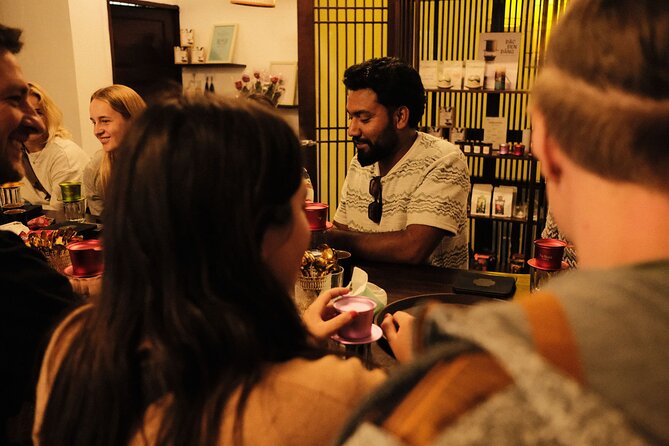
I would recommend it first to people who want a cultural activity with something practical to take home. You do not need advanced coffee skills. The class suits curious beginners, café fans, food-focused visitors, and anyone who likes learning by making.
It is also a good rainy-day plan. The activity takes place indoors and gives you a structured way to spend several hours when Hanoi weather is unpleasant. Couples and friends can compare their drinks, while solo visitors get an easy social setting without having to arrange a full group.
Non-coffee drinkers can enjoy it, but they should be honest about the caffeine load. The variety of recipes makes the experience more approachable than a technical tasting, and salt, egg, or coconut can change the drinks enough to win over someone who dislikes plain coffee.
I would be more cautious if you want a short activity, dislike sweet drinks, avoid caffeine, or have no interest in making coffee yourself. This is not just a photo stop. You will spend a substantial part of the morning or afternoon preparing and tasting.
Should you book the Hanoi Coffee Workshop?
Book it if you want to understand why Vietnamese coffee tastes and feels different from the coffee you drink at home. The six-drink format gives you a broad look at local habits, from the everyday phin to Hanoi’s egg coffee and the newer salt and coconut styles.
The best reason to choose it is the combination of instruction and repetition. You learn the method, taste the result, and leave with digital recipes and coffee books to help you recreate it. At $16, that is good value, especially with snacks, tea, equipment, and optional Old Quarter transport included.
Skip it if you want a relaxed café experience with no caffeine, no alcohol, and no hands-on work. For everyone else, this is a smart Hanoi activity, particularly early in your visit, when it can help you understand the drinks appearing on menus for the rest of your time in Vietnam.
FAQ
Where does the coffee workshop take place?
The workshop starts and ends at Local Beans Roastery, No. 75/173 Hoang Hoa Tham Street, Ngoc Ha Ward, Ba Đình, Hanoi.
How long does the experience last?
The workshop lasts approximately 3 hours and 30 minutes.
What types of coffee will I make?
You will make six Vietnamese coffee drinks: classic phin-brewed coffee, brown coffee, salt coffee, egg coffee, coconut coffee, and a coffee cocktail made with local jam and wine.
Is hotel pickup available?
Yes. Pickup and drop-off are available for hotels within Hanoi’s Old Quarter area.
Are coffee-making tools provided?
Yes. Filters, grinders, and other special coffee-making equipment are supplied during the workshop.
Can vegan visitors or people with dietary restrictions participate?
Yes. Vegan visitors and people with dietary restrictions can be accommodated. You should provide those details when booking or before the session.
What is included in the $16 price?
The price includes snacks, welcome herbal ginger root and peach tea, equipment, instruction, recipes, digital coffee books, and a professional certificate if requested. Tips and other personal expenses are not included.
More Workshops in Hanoi
- Hanoi Cooking Class: Culture, Local Market & Meaning CSR Impact
★ 5.0 · 5,147 reviews - 5 Traditional Dishes Hanoi Cooking Class with Market Trip
★ 5.0 · 4,890 reviews - Vietnamese Food Cooking Class in Hanoi with Market Experience
★ 5.0 · 778 reviews - Hanoi: Handcrafted Wood Carving Workshop with Local Artisan
★ 5.0 · 733 reviews
More Coffee Experiences in Hanoi
- Hanoi Coffee Experience: 6 Brews, 9 Recipes & 3 Liquor Tastings
★ 5.0 · 2,945 reviews - Hanoi: Salt Coffee Workshop Awake Your Senses With 6 Brews
★ 5.0 · 792 reviews - Hanoi: Vietnamese Street Food Tour with Egg Coffee
★ 4.9 · 315 reviews - Hanoi Cooking Class: Pho/Bun Cha/Banh Xeo…+Free Egg/Salt Coffee
★ 5.0 · 267 reviews
Newly listed around Hanoi
- Hanoi: Halong Bay Cruise, Amazing Cave, Titov Island & Kayak★ 4.2 · 39 reviews
- 2Days-1Night Halong Bay Luxury Genesis Regal Cruises★ 4.5 · 39 reviews
- Ninh Binh 1 Day Tour(Tam Coc – Mua Cave – Bich Dong)★ 5.0 · 39 reviews
- 8 days 360° Vietnam Adventure from Hanoi★ 5.0 · 39 reviews
- Dora Cruise – Luxury 5 Star Cruise in Halong Bay & Lan Ha Bay (2D1N)★ 4.5 · 39 reviews
- 3 Days and 2 Nights Ha Giang Loop Tour★ 5.0 · 39 reviews
- Best Value Ha Long bay 1 day – Lunch, kayak, swimming, transfer★ 5.0 · 39 reviews
- From Hanoi: Ha Giang Loop Motorbike Tours 3-Days 2-Nights★ 5.0 · 40 reviews
Hanoi Tours, compared.

Hanoi Jeep Tour: Food, Culture and Fun by Vietnam Army Jeep
Read our review →
Full-Day Ninh Binh Highlights Tour from Hanoi
Read our review →
Ha Long Bay Day Cruise – Swimming, Meal, Kayaking
Read our review →

Hanoi Motorbike Tour: Food, Culture and Fun by Vintage Motorbike
Read our review →
Hanoi Cooking Class: Culture, Local Market & Meaning CSR Impact
Read our review →
5 Traditional Dishes Hanoi Cooking Class with Market Trip
Read our review →Browse the lists this tour appears in