
Reviewed · DA LAT TOURS
Coffee Farm Tour with Roasting & Tasting Workshop – Da Lat
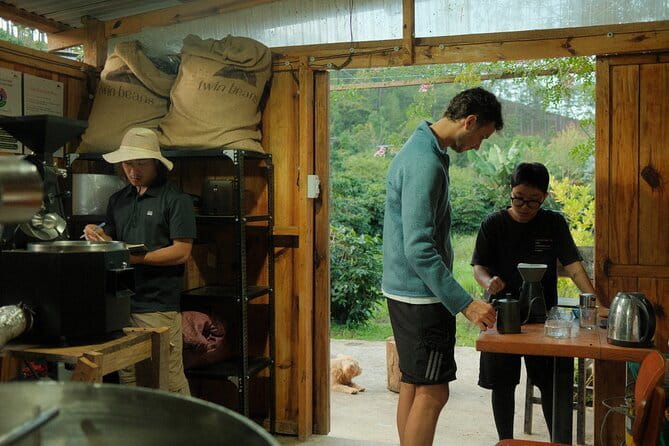
Twin Beans Farm takes coffee from plantation to cup in one compact visit. About 20km from Da Lat, this Arabica farm lets you see the growing area, learn how beans are processed, then roast and brew coffee yourself at the farm roastery and shop.
I like the hands-on format, especially the chance to control your own roast instead of only watching a demonstration. I also like the small maximum group of 10, which gives the session a more personal feel. The main consideration is time: at about 1 hour 15 minutes, this is a focused introduction, not a long farm stay.
- Roast and brew your own coffee: You take part in the process and drink the result on the spot.
- See the full farm-to-cup chain: The visit covers planting, processing, roasting, brewing, and tasting.
- Meet the Arabica source: Twin Beans Farm grows coffee in Da Sar commune, about 20km from Da Lat.
- Harvest season runs from November to January: During these months, you may join the farm team to pick coffee.
- Small groups keep it personal: The maximum is 10 people.
- A low-cost Da Lat activity: At $9.89 per person, it offers more than a standard café stop for a modest price.
Why Twin Beans Farm Is More Than a Coffee Shop Visit
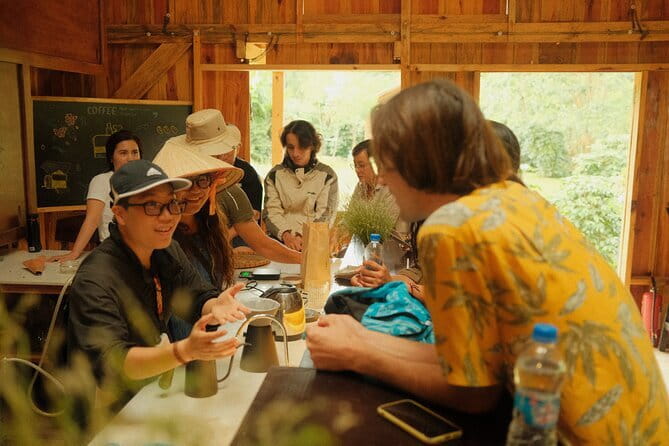
Da Lat is known for its highland farms, and Twin Beans Farm gives you a clear way to understand one of the region’s important crops. This is not simply a stop for a cup of coffee. You follow the bean through several stages, from the Arabica plantation to processing, roasting, brewing, and tasting.
I like this order because it makes the final cup easier to understand. Coffee flavor does not appear by magic at the café counter. Farming choices, processing methods, roast level, and brewing all affect what ends up in your cup. The tour connects those steps in a practical way.
The farm is in Da Sar commune, in Lac Duong District, Lam Dong province, roughly 20km from central Da Lat. That distance matters. You are leaving the city for a working agricultural site, so allow time for the journey even though the organized activity itself lasts only about 75 minutes.
Arriving at 1:30 pm in Da Sar Commune
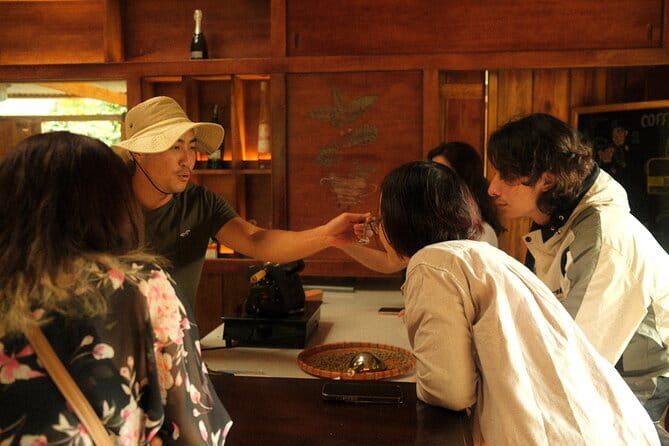
The stated start time is 1:30 pm. Pickup is offered, but the supplied details do not specify the pickup area, vehicle, or exact pickup fee, so confirm those points when you book. If you are arranging your own transport, use the farm’s location in Da Sar commune rather than assuming it is in central Da Lat.
The timing suits a day when you have already explored the city or visited another nearby sight. It also gives you a clear afternoon plan without taking over your entire schedule. Since the tour is short, arriving on time matters. A late arrival could cut into the plantation explanation or the roasting session.
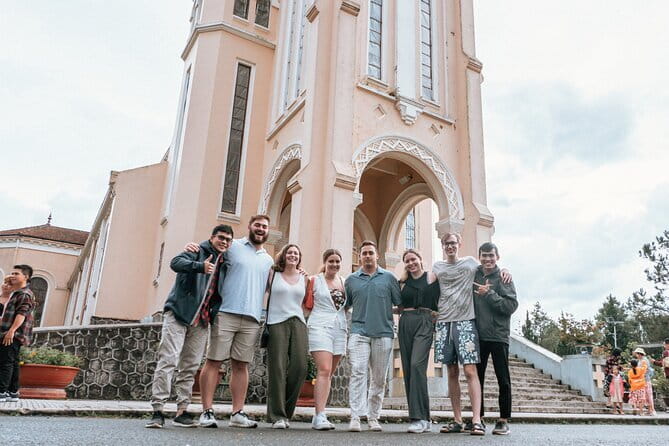
The group limit is 10 people. That is a useful number for this kind of activity. You are more likely to hear the explanations, see the roasting work, and get a turn with the practical parts than you would in a large coach group.
A few other Da Lat trips to compare
- Dalat Street Food Tour
★ 5.0 · 257 reviews - Hanoi Jeep Tour: Food, Culture and Fun by Vietnam Army Jeep
★ 5.0 · 15,222 reviews - Ho Chi Minh City Street Food Tour & Sightseeing By Motorbike
★ 5.0 · 9,413 reviews
Walking Through an Arabica Plantation
The first major part of the visit takes place at the coffee plantation. Twin Beans Farm grows Arabica, a coffee type often associated with more delicate and varied flavors than a basic dark cup. The point here is not to turn you into a coffee expert in one afternoon. It is to show you where the beans begin.
You learn about coffee farming before moving on to processing. That order gives the crop some context. The beans in your tasting cup started as fruit on a plant, and the condition of that fruit and the way it is handled can affect the finished flavor.
If you visit between November and January, you may also join the farm team for coffee harvesting. This is the most seasonal part of the experience. Outside that period, the plantation visit still remains part of the tour, but you should not expect to pick coffee.
The harvest option is a useful reason to match your visit to the calendar. If hands-on farm work is your main goal, aim for those months. If your main interest is roasting and tasting, the tour has value outside harvest season as well.
Following Processing From Fruit to Green Bean
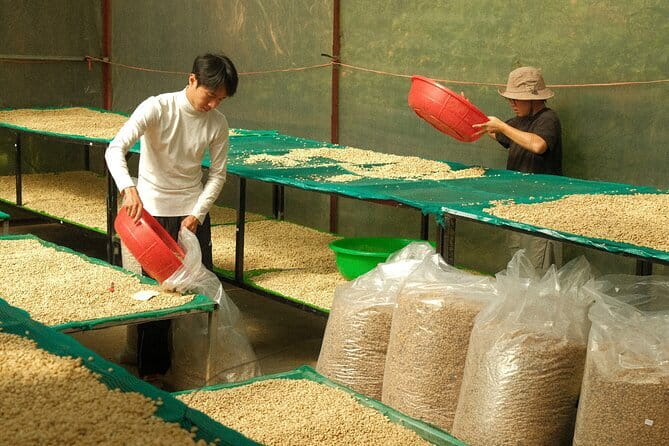
After the plantation, the tour explains the coffee-making process. The supplied details describe coverage of farming, processing, roasting, and brewing, including different processing methods and how they can affect flavor.
This is one of the strongest parts for anyone who has wondered why coffees from the same region can taste so different. Processing is not just a technical step hidden behind the scenes. It helps shape the character of the bean before roasting even begins.
The explanation is likely most useful if you pay attention to how each stage changes the coffee. You can ask about the farm’s own methods and compare what you hear with the flavors you notice later. The tour does not promise a formal professional certification or a long classroom session, so think of it as a clear working introduction rather than advanced training.
Roasting Your Own Beans at the Farm Roastery
The hands-on roasting session is the feature that gives this visit its edge. You do not only watch someone prepare coffee. You roast your own beans, then use them in the brewing and tasting part of the experience.
Roasting is a good activity for a short tour because the change is easy to see and discuss. The beans begin one way and finish with a different color, smell, and flavor potential. You get a direct sense of how roast decisions affect the final drink.
The farm has an on-site roastery, so the roasting takes place as part of the farm-to-cup setting rather than in a separate city café. That connection gives the activity a stronger sense of place. You are learning at the source, with the plantation nearby and the coffee shop available for the final stage.
Guide Jessie is named in the tour feedback, and the comments describe detailed explanations of the coffee process. If Jessie leads your session, you can expect the teaching to cover more than a quick photo opportunity. Still, guide availability can change, so do not assume Jessie will lead every departure unless the provider confirms it.
Same base, a completely different day:
- Canyoning Da Lat Vietnam
★ 5.0 · 2,063 reviews - Da Lat Countryside Minivan Shared Tour (Three Waterfalls)
★ 5.0 · 1,894 reviews - Da Lat: 3 Waterfalls Tour (Datanla – Elephant – Pongour)
★ 5.0 · 1,840 reviews - Full Day Canyoning Activity in Da Lat with Lunch
★ 5.0 · 1,577 reviews
Brewing and Tasting the Coffee You Made
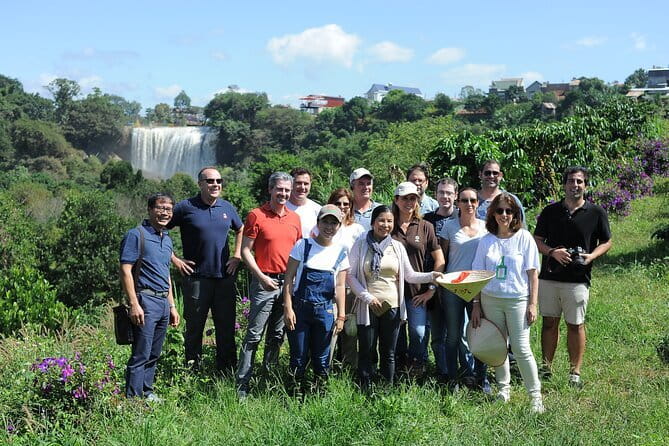
The final stage is brewing and tasting. You drink the coffee on the spot, which is exactly what makes the earlier work worthwhile. Instead of leaving with only general information, you get a direct taste of the result.
This is also where you can think back through the whole process. The plantation showed you the crop. The processing discussion explained how the beans were prepared. Roasting changed their character. Brewing turned them into the drink in front of you.
I would treat this as a tasting workshop rather than a full coffee flight. The available details promise coffee tasting and your own brewed cup, but they do not specify the number of coffees, tasting menu, brewing equipment, or food pairing. If those details matter to you, ask before booking.
The taste is personal, and that is part of the fun. You may prefer a different roast from someone else in the group. The useful lesson is not that there is one perfect cup. It is that small choices can change the flavor.
What the $9.89 Price Really Buys You
At $9.89 per person, this is a strong value for a short activity. You are paying for access to a working Arabica farm, an explanation of coffee production, participation in roasting, brewing, and tasting, plus the chance to visit the on-site roastery and coffee shop.
The price makes particular sense if you already plan to spend time in Da Lat and want an activity with more substance than buying coffee downtown. It also works well for couples, friends, and small groups looking for a low-cost outing.
The tradeoff is duration. Seventy-five minutes is enough for a tidy introduction, but not enough for an extended agricultural tour, a long tasting class, or a full morning of farm work. You should judge the value by what you want. For a practical introduction at a modest price, it works well. For a serious coffee course, you may want something longer.
Group discounts are available, which can make the cost even more attractive for a larger party. The maximum group size remains 10 people, so this is not designed as a large organized excursion.
Who Will Get the Most From This Visit
I would recommend Twin Beans Farm to anyone who likes coffee and wants to understand more than the menu. The roasting and brewing stages give you something to do, while the plantation and processing sections add useful context.
It is also a good match for people interested in farming, food production, and nature. You do not need technical coffee knowledge. The format begins with the basics and connects each stage in a way that is easy to follow.
Families may like the practical element, though the available details do not state a minimum age or specific child arrangements. Ask the provider if you are booking for young children.
This experience may be less suitable if you want a long scenic walk, a large attraction with many activities, or a full-day rural excursion. The farm visit is focused. Its strength is the coffee process, not a wide list of unrelated stops.
Seasonal Harvesting From November to January
The November to January period gives the tour an extra working-farm element. During these months, you can join the team in harvesting coffee. That option makes the visit feel more connected to the agricultural calendar.
Harvesting is also the part most likely to vary with conditions and farm needs. The details say you can join during this season, but they do not promise a specific length of picking or a particular amount of fruit to collect. Confirm the current arrangements if harvest work is the main reason for your booking.
Outside November to January, you still get the plantation visit and the farm-to-cup lesson. The activity does not depend entirely on picking season, which makes it easier to fit into a Da Lat itinerary at other times of year.
Practical Planning for the 75-Minute Visit
The activity lasts approximately 1 hour 15 minutes. Add transport time to and from the farm, since the site is about 20km from Da Lat center. Pickup is offered, but you should verify the meeting details and coverage before paying.
Mobile tickets are accepted, and booking confirmation is provided at the time of booking. The start time is 1:30 pm, so keep your afternoon free enough to reach the farm without rushing.
Wear something comfortable for a plantation setting. The supplied information does not state the walking distance, ground conditions, or weather arrangements, so ask if you have mobility concerns or need specific access information.
Free cancellation is available if you cancel at least 24 hours before the start time. Cancellations made less than 24 hours ahead are not refunded, and changes within that period are not accepted. The cut-off uses local time in Da Lat.
The Main Strengths and the One Real Limitation
The strongest feature is the complete sequence. Many coffee stops give you a drink and a short explanation. Here, the focus runs from Arabica farming through processing, roasting, and brewing.
The second strength is participation. Roasting and tasting your own coffee makes the visit more memorable than simply standing beside a machine. The small group limit also supports a more direct session.
The main limitation is the compact schedule. You will not have unlimited time at the plantation or roastery. If you want long conversations, several brewing styles, or a detailed look at every piece of equipment, the 75-minute format may feel brisk.
I also would not book this solely for harvesting unless you are visiting from November to January. That seasonal option is clear, but it does not apply year-round.
Should You Book Twin Beans Farm?
Book this tour if you want a low-cost, small-group introduction to Da Lat coffee and like the idea of making part of your own drink. The $9.89 price is reasonable for a plantation visit, coffee lesson, roasting session, brewing activity, and tasting in one stop.
Choose it during November to January if harvesting matters to you. At other times, book it for the farm-to-cup education and hands-on roast. Confirm pickup details, ask who will lead your session if Jessie is important to you, and allow time for the 20km trip from central Da Lat.
Skip it if you are looking for a full-day farm excursion or advanced coffee training. For most coffee fans, though, Twin Beans Farm offers a clear, friendly, and useful way to see how a Da Lat bean becomes a cup.
FAQ
Where is Twin Beans Farm located?
Twin Beans Farm is in Da Sar commune, Lac Duong District, Lam Dong province, about 20km from Da Lat center.
What time does the tour start?
The tour starts at 1:30 pm.
How long does the experience last?
The experience lasts approximately 1 hour 15 minutes.
How many people can join the tour?
The activity has a maximum of 10 people.
Can I roast and brew my own coffee?
Yes. The experience includes roasting your own coffee, brewing it, and enjoying it on site.
Can I join coffee harvesting?
You can join the farm team for coffee harvesting during November to January.
Is cancellation free?
Yes, if you cancel at least 24 hours before the experience start time. Cancellations made less than 24 hours ahead are not refunded, and changes during that period are not accepted.
More Workshops in Da Lat
- Hanoi Cooking Class: Culture, Local Market & Meaning CSR Impact
★ 5.0 · 5,147 reviews - 5 Traditional Dishes Hanoi Cooking Class with Market Trip
★ 5.0 · 4,890 reviews - Hoi An: Vietnamese Coffee Culture and Coffee Making Class
★ 4.9 · 4,006 reviews - Hoi An: Vietnamese Foldable Lantern Making Class
★ 4.9 · 3,742 reviews
More Farms in Da Lat
- Scented Candle Workshop in Twin Beans Farm Da Lat
★ 5.0 · 70 reviews - Trekking Tour to Hidden Waterfall & Sturgeon Farm for dog-lovers
★ 5.0 · 67 reviews - Dalat: MOTORBIKE TOUR TO PONGOUR FALLS- SILK- COFFEE FARM
★ 4.9 · 52 reviews - Trekking to Hidden Waterfall & Sturgeon Farm for dog-lovers
★ 4.8 · 43 reviews
Newly listed around Da Lat
- Dalat City Highlights Tour in 1 day★ 5.0 · 40 reviews
- Da Lat Loop Tour On Private Car★ 4.9 · 40 reviews
- Trekking to Hidden Waterfall & Sturgeon Farm for dog-lovers★ 4.8 · 43 reviews
- Da Lat: Half-Day Morning – Clay Tunnel, Crazy House, Datanla Fall★ 5.0 · 43 reviews
- Dalat: Sunrise Trekking and Cloud Hunting experience★ 4.9 · 43 reviews
- Da Lat: Datanla New Alpine Coaster Experience Entry Ticket★ 3.6 · 44 reviews
- 7-hour Datanla waterfall, Clay Tunnel and Holy See temple★ 4.7 · 47 reviews
- Da Lat’s City Tour On Private Car★ 5.0 · 49 reviews
Da Lat Tours, compared.
Da Lat Countryside Minivan Shared Tour (Three Waterfalls)
Read our review →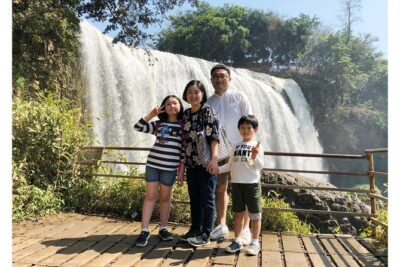
3 Waterfalls Tour (Datanla – Elephant – Pongour)
Read our review →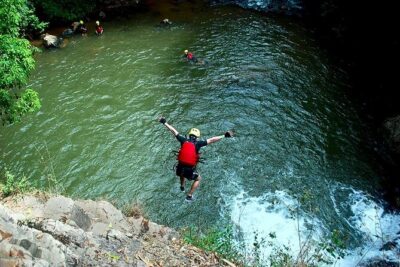
Full Day Canyoning Activity in Da Lat with Lunch
Read our review →
Cloud Hunting and The Glow of Dawn in Da Lat 4:00 – 10:00 AM
Read our review →
Three Waterfalls Small Group Tour – Alpine Coaster
Read our review →
Full Day Exploring Tour with Langbiang -Crazy House- Datanla Fall
Read our review →
Browse the lists this tour appears in