
Reviewed · HANOI TOURS
Bat trang Pottery Class in Hanoi Old Quarter/Handmade experience
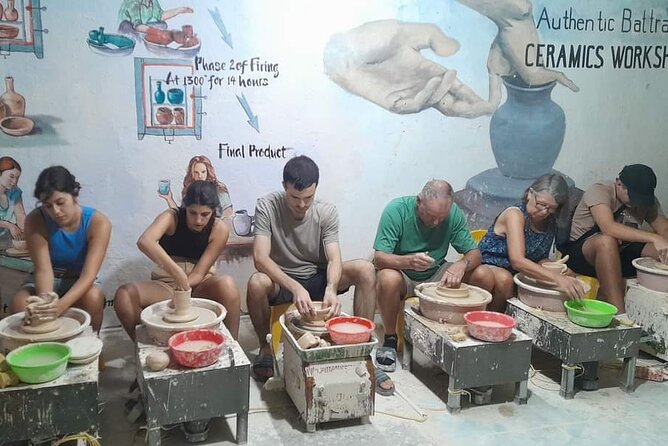
You can try your hand at Vietnamese pottery without spending half a day getting to Bat Trang village. At 115 Hang Gai, right in Hanoi’s Old Quarter, an instructor from Bat Trang shows you how to center clay, shape it on an electric wheel, and turn a wet lump into something you might actually use. Teachers named in class feedback include Han, Hang, Vu, and Seany.
I like the three hours of hands-on wheel time and the chance to make several pieces before choosing one for firing. I also like the easy central location and the patient, practical teaching, especially for children and adults starting from zero. The main catch is timing: finished pottery usually takes two to three days, and the details around glazing, extra pieces, and shipping need careful checking before you book.
Key points at a glance

- Make several pieces on an electric wheel: Try cups, bowls, plates, vases, and other simple forms rather than producing only one rushed souvenir.
- Learn from Bat Trang potters: The teachers come from one of Vietnam’s oldest ceramics villages and explain basic Bat Trang pottery methods.
- Stay in Hanoi’s Old Quarter: The class takes place at 115 Hang Gai, so you can walk or use nearby public transport instead of arranging a trip to the village.
- Pick a morning or afternoon slot: Classes run from 8:30 to 11:30 and from 14:00 to 17:00.
- Plan around the kiln: Glazing and firing normally take two to three days. White glaze may be ready in one to two days.
- Expect a beginner-friendly challenge: The instructors offer hands-on help, but pottery is harder than it looks, and three hours may feel long for some people.
Making Bat Trang pottery without leaving Hanoi
Bat Trang, on the Red River outside Hanoi, is Vietnam’s best-known ceramics center. Its pottery tradition reaches back many centuries, and the village is associated with practical household ware as well as decorative ceramics. This class brings that craft into a workshop in the Old Quarter.
That change of setting matters. You do not need to spend time finding transport to Bat Trang, arranging a return ride, or giving up most of a day. You simply reach 115 Hang Gai in Hoan Kiem, enter the shop, and go upstairs to the workshop area.
The location is especially useful if you are already exploring the Old Quarter. It gives you a quiet, creative break from crowded streets, traffic, and shopping. On a rainy day, it is also a useful indoor plan. The class ends where it begins, with no extra transfer or village tour attached.
The trade-off is that you will not see Bat Trang itself. If your main goal is to visit working village kilns, browse a larger ceramics market, or see pottery being made in its original setting, this is a substitute rather than a complete village visit. If your priority is making something with your own hands, the Old Quarter location is far more efficient.
A few other Hanoi trips to compare
- Hanoi Cooking Class: Culture, Local Market & Meaning CSR Impact
★ 5.0 · 5,147 reviews - 5 Traditional Dishes Hanoi Cooking Class with Market Trip
★ 5.0 · 4,890 reviews - Hanoi Coffee Workshop: Taste Salt, Coconut and Egg Coffee
★ 5.0 · 1,286 reviews
What happens during the three-hour class
The session begins with an introduction to the basics of Bat Trang pottery. You are shown how the electric wheel works and how to handle the clay. The first attempts are usually about control rather than beauty. Pottery looks simple when an experienced potter makes it, but the clay quickly reminds you who is in charge.
You learn the basic movements: keeping the clay centered, opening the form, raising the sides, and shaping the rim. The instructor then helps you turn the form into a simple object. Common examples include a cup, bowl, plate, or vase.
A useful feature is the freedom to make more than one attempt. You can try several products during the three hours, and the workshop can replace clay when a piece becomes too wet or difficult to continue. That gives you room to experiment instead of treating the first misshapen bowl as a disaster.
The teaching style is hands-on. Instructors may steady your hands, correct the pressure, or reshape a piece so you can see how the movement works. Han is praised for giving plenty of time on the wheel and communicating about the finished pottery. Hang is described as friendly, patient, and experienced, while Vu helped a couple produce several items during an afternoon session. Seany has also been praised for combining instruction about Bat Trang pottery with a light sense of humor.
The names are useful, but do not book on the assumption that one particular teacher will lead your session. The available instructor can vary. The important point is that the experience is designed for beginners, and the strongest teaching feedback centers on patience, close help, and enough practice time.
Your work on the wheel
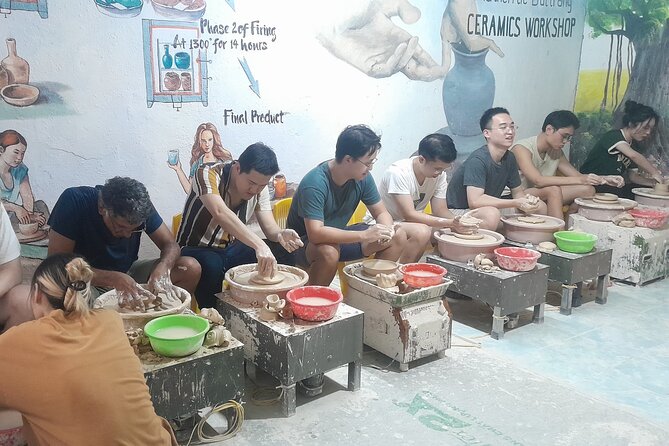
The wheel is where the class earns its price. You are not simply painting a premade pot or watching a demonstration from the back of a room. You sit at the wheel and work the clay yourself.
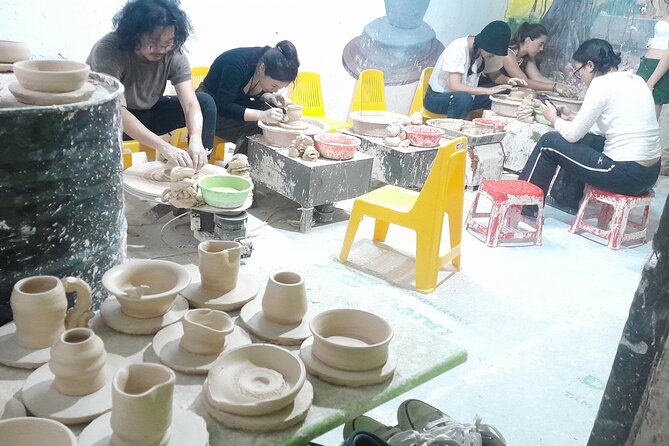
You may produce several objects, though the number depends on your speed and how much help you need. Some people make around four to six pieces. Others focus on one or two forms and spend more time trying to get the shape right. You can attempt cups, bowls, plates, and vases, and you may add a handle or simple decoration if your piece allows it.
The first attempt can be frustrating. Clay must be handled with the right pressure, and small mistakes grow quickly as the wheel turns. That challenge is part of the appeal. You begin to understand why handmade pottery takes practice, and a slightly uneven finished cup can feel more meaningful than a perfect shop purchase.
The class is not presented as a professional ceramics course. You receive the basics, then practice with help when needed. If you want a technical lesson covering advanced throwing, trimming, kiln temperatures, or detailed surface decoration, this will probably feel introductory. If you want a relaxed first try with a useful souvenir at the end, it fits well.
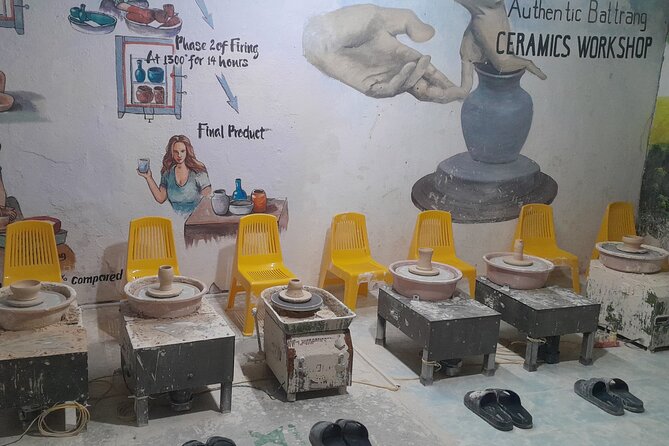
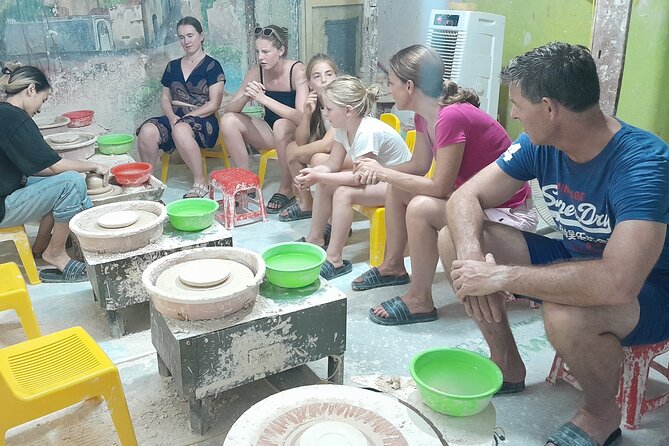
One practical issue deserves attention: the workshop may have limited wheels. Most accounts describe small groups with enough instructor attention, including a group of four that had good access to the teacher. One poor experience reported shared space, two people left idle, heat, and little instruction. That appears to be an exception among the supplied accounts, but it points to a sensible question: confirm the expected group size and wheel arrangement if you are booking for a larger party.
Choosing the piece you take home
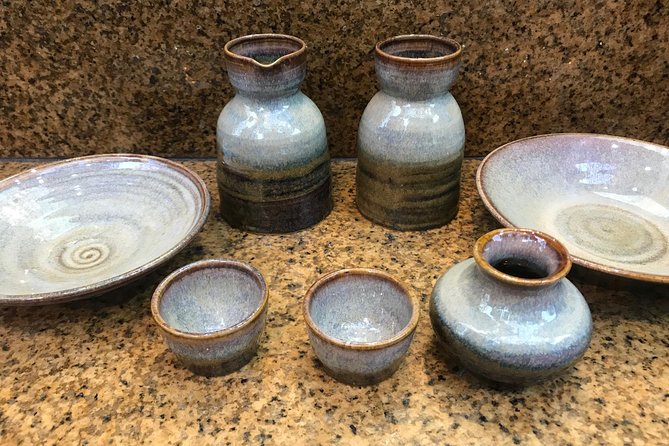
The class lets you create as many pieces as you can during the session, but the firing allowance is more limited. The information provided says one piece is included for firing, while additional pieces can be fired for a small extra charge. Several class accounts put that extra charge at about $5 per piece.
This is an important distinction. You may leave with a table full of wet clay creations, but you should expect to choose a favorite for the included firing. If you want to keep two or three pieces, ask about the current fee before you begin.
Some pieces can break or fail during drying and firing. That is normal in pottery, especially with first attempts. One person received a replacement handmade bowl from the shop after a piece broke before firing. Do not count on that exact solution, but it is worth asking what happens if your chosen piece does not survive.
The finished ceramic can be glazed in a color of your choice, according to the supplied experience details and class accounts. At the same time, one account says coloring was not included, so you should confirm whether the quoted price covers the glaze itself, only the firing, or one standard glaze option. The terms may vary depending on the finish you choose.
If you are pleased with several pieces, paying for an extra firing can make sense. At $38.15 per person, the class is not the cheapest activity in Hanoi, but the value improves if you use the full wheel time and take home a piece you made yourself. It is less attractive if you only want a quick craft activity and plan to stop after 90 minutes.
Same base, a completely different day:
- Hanoi Jeep Tour: Food, Culture and Fun by Vietnam Army Jeep
★ 5.0 · 15,222 reviews - Full-Day Ninh Binh Highlights Tour from Hanoi
★ 5.0 · 7,761 reviews - Hanoi: Ha Long Bay Day Cruise – Swimming, Meal, Kayaking
★ 4.7 · 7,415 reviews - Hanoi: Water Puppet Show Tickets
★ 4.6 · 7,029 reviews
The kiln delay can shape your Hanoi schedule
The biggest practical issue is the wait. Glazing and firing normally take two to three days. You need to remain in Hanoi long enough to collect the finished items from the shop.
The safest plan is to book this on your first full day in the city. That leaves room for the pottery to dry, receive its glaze, go through firing, and return to the workshop. A few people collected pieces after two days, while one account described a longer wait. Firing is a real process, not an instant add-on, so allow extra time rather than planning pickup just before your airport transfer.
If your schedule is short, the provider gives several alternatives. White glaze may be available with a one to two day turnaround. You may also select a ready-made item from the shop, or arrange shipping later for an additional fee. Shipping is not included in the class price.
Shipping can be useful if you are moving on to another city, but ask for the full cost and delivery details before choosing it. For a small, inexpensive piece, shipping may reduce the value of the experience. If you have less than two days in Hanoi, choosing a finished shop item may be simpler than trying to send your own work home.
A calm break for families and couples
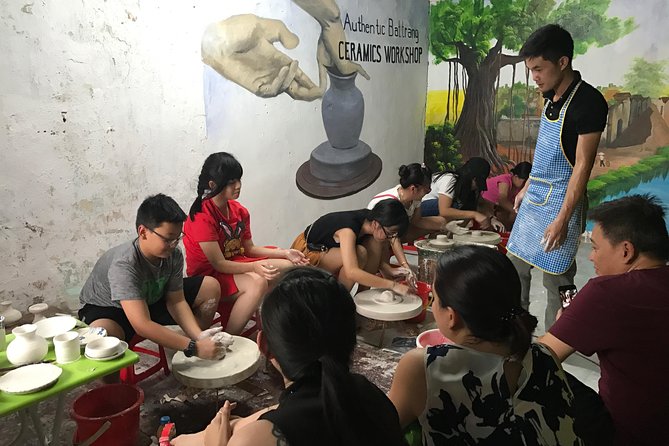
The class is open to ages five and up, and the activity suits mixed-age groups. Parents can help younger children, while older children and teenagers can work more independently with the instructor nearby. Pottery gives families something to do together without requiring everyone to share the same fitness level or sightseeing interest.
Couples also have a good reason to choose it. You can compare your first attempts, laugh when a bowl collapses, and decide which piece deserves the kiln. It is more social than a standard museum visit, yet still quiet enough for conversation.
The workshop can also work well for friends. Each person gets a different result, even when everyone follows the same basic steps. Expect clay on your hands and clothes, and dress for a craft activity rather than a smart dinner afterward.
The three-hour length is both a strength and a weakness. Many beginners appreciate having time to make several pieces and ask repeated questions. Others reach their limit after about 90 minutes, especially once they have tried the four basic forms. You can make the most of the full session by experimenting with size, handles, decoration, or different shapes, but you are not required to treat all three hours as a test of endurance.
How the price compares with the experience
At $38.15 per person, the fee covers the class and listed taxes and fees. The real value comes from the instruction, wheel time, and one fired creation, not from the raw cost of clay.
For a first pottery experience in central Hanoi, that is a fair price if you want an activity rather than another purchased object. You receive personal guidance, several attempts, and the chance to take home something tied to your own time in Vietnam. The workshop also saves the transport cost and time of traveling to Bat Trang.
The price becomes less straightforward when you want multiple finished pieces, special glazing, or shipping. Extra firing may cost about $5 per item, and the supplied details are not perfectly clear about what glazing is included. Ask these questions before you start:
- How many pieces are included in the firing?
- Is standard glazing included?
- What is the fee for each additional piece?
- How long will the finished pottery take?
- What happens if a piece cracks?
- What is the shipping price if you leave Hanoi?
A clear answer will help you judge the final cost. The activity is still likely to be good value for a couple or family that treats the class as the main event, rather than a quick stop between shopping errands.
Getting there and choosing your time
The meeting point is 115 P. Hang Gai, Hang Trong, Hoan Kiem, Hanoi. It is near public transportation and sits in the Old Quarter, where many people can reach it on foot from nearby sights and hotels.
The morning class runs from 8:30 to 11:30. This is the better choice if you want cooler streets, a creative start to the day, and more time afterward for exploring. An early booking may also feel more personal if demand is light, though group arrangements can vary.
The afternoon class runs from 14:00 to 17:00. It works well after lunch and gives you an indoor plan during hot weather or rain. You may want to leave room afterward for washing up and changing before dinner.
The activity ends at the same meeting point. Mobile tickets make arrival simple, and confirmation is provided at booking. Free cancellation is available if you cancel at least 24 hours before the start time. Cancellations or changes inside that window are not accepted for a refund.
What the class does best, and where it falls short
The strongest part is the combination of access and genuine participation. You get a local craft lesson without a long transfer, and the instructor helps you make real objects rather than offering a quick demonstration.
The teaching is also a major plus. Patience comes up repeatedly in the supplied feedback, with particular praise for Han, Hang, Vu, and Seany. Beginners are shown what to do, then allowed to try. That balance matters because too much correction would remove the fun, while too little would leave you staring at a spinning lump of clay.
The most serious concern is inconsistent communication around the finished pottery. The two to three day wait is stated, but it may not be prominent enough for someone with a short Hanoi stay. One account also describes pottery that was never received after shipping, while another reports pieces taking longer than expected. These are not reasons to reject the class outright, but they are reasons to confirm the pickup or delivery plan in writing.
The room may also feel warm and compact, especially during a hot Hanoi afternoon. Most accounts describe a pleasant session, but the poor experience reported heat, limited wheels, and weak instruction. If comfort or guaranteed private teaching is important to you, contact the provider before booking and ask for specifics.
Should you book the Bat Trang pottery class?
I would book this class if you want a hands-on Hanoi activity, especially if you are staying at least three days and can schedule it near the start of your visit. It is a good fit for families, couples, first-time potters, and anyone who wants a personal souvenir rather than another item bought from a market.
I would skip it if you only have one day in Hanoi, dislike messy craft activities, or expect a formal ceramics course. You should also think twice if you cannot wait for firing and do not want to pay for shipping or a replacement shop item.
For the best result, choose an early slot in your trip, confirm the glaze and extra-firing charges, and ask how many people will share the wheels. Do that, and this becomes a memorable three-hour pause in the Old Quarter, with a handmade reminder of Hanoi waiting at the end.
FAQ
Where does the Bat Trang pottery class take place?
The class takes place at 115 P. Hang Gai, Hang Trong, Hoan Kiem, Hanoi, in the Old Quarter. It ends back at the same meeting point.
How long does the activity last?
The pottery session lasts approximately three hours. The morning class runs from 8:30 to 11:30, and the afternoon class runs from 14:00 to 17:00.
Is the class suitable for children?
Yes. The activity is described as suitable for ages five and up, and most participants can take part.
What will I make during the class?
You can practice making different forms on an electric wheel, including cups, bowls, plates, and vases. You can try several creations during the session.
How many pottery pieces can I take home?
One piece is included for firing according to the supplied details. Additional pieces may be fired for an extra charge, reported as about $5 each. Confirm the current allowance and fee before starting.
How long does firing and glazing take?
Firing and glazing usually take two to three days. White glaze may be available with a one to two day turnaround.
What if I leave Hanoi before my pottery is ready?
You may be able to choose a ready-made shop item, use white glaze for a shorter turnaround, or arrange shipping later. Shipping costs are not included.
Can I cancel the class for a refund?
Yes. You can cancel at least 24 hours before the local start time for a full refund. Cancellations and changes made less than 24 hours before the start time are not refunded.
Newly listed around Hanoi
- Hanoi: Halong Bay Cruise, Amazing Cave, Titov Island & Kayak★ 4.2 · 39 reviews
- Ninh Binh 1 Day Tour(Tam Coc – Mua Cave – Bich Dong)★ 5.0 · 39 reviews
- 2Days-1Night Halong Bay Luxury Genesis Regal Cruises★ 4.5 · 39 reviews
- 8 days 360° Vietnam Adventure from Hanoi★ 5.0 · 39 reviews
- Dora Cruise – Luxury 5 Star Cruise in Halong Bay & Lan Ha Bay (2D1N)★ 4.5 · 39 reviews
- 3 Days and 2 Nights Ha Giang Loop Tour★ 5.0 · 39 reviews
- Best Value Ha Long bay 1 day – Lunch, kayak, swimming, transfer★ 5.0 · 39 reviews
- From Hanoi: Ha Giang Loop Motorbike Tours 3-Days 2-Nights★ 5.0 · 40 reviews
Hanoi Tours, compared.

Hanoi Jeep Tour: Food, Culture and Fun by Vietnam Army Jeep
Read our review →
Full-Day Ninh Binh Highlights Tour from Hanoi
Read our review →
Ha Long Bay Day Cruise – Swimming, Meal, Kayaking
Read our review →

Hanoi Motorbike Tour: Food, Culture and Fun by Vintage Motorbike
Read our review →

Hanoi Cooking Class: Culture, Local Market & Meaning CSR Impact
Read our review →
5 Traditional Dishes Hanoi Cooking Class with Market Trip
Read our review →Browse the lists this tour appears in