
Reviewed · LANTERN & HOI AN OLD TOWN TOURS
Hoi An Ancient Town – Walking Tour with Local Guide
Hoi An’s old town makes much more sense when someone points out what you are looking at. This small-group walking tour links temples, assembly halls, old houses, museums, and the market in about two and a half hours, while local guides such as Trung, Duy, Tom, and Tin add stories that are easy to miss on your own.
I like the manageable group size, capped at 10 people, and the easy walking pace with indoor stops for shade and shelter. I also like the practical advice at the end, from local food and coffee to tailors and follow-up activities. The main catch is the separate 120,000 VND entrance ticket, payable in cash, and there is no hotel pickup.
Key points at a glance
- A full first look at Hoi An: See the Japanese Covered Bridge, assembly halls, heritage homes, museums, a temple gate, and the market in one route.
- Small groups capped at 10: It is easier to hear the guide, ask questions, and stay together in crowded lanes.
- Local guides with personality: Trung, Duy, Tom, Tin, and other English-speaking guides are praised for clear explanations, humor, and good group care.
- A useful refreshment stop: Finish with Vietnamese tea, a traditional dessert, or a drink such as the herbal beverage at Mót.
- Helpful advice beyond the walk: Get suggestions for restaurants, cafés, tailor shops, and things to do later in your stay.
- Budget for the heritage ticket: The 120,000 VND old-town entrance fee is not included and must be paid in cash.
Why a guided walk helps in Hoi An

Hoi An is easy to stroll through and surprisingly easy to misunderstand. The yellow façades, timber balconies, lanterns, shrines, and narrow lanes create a lovely picture, but the story behind them is not always obvious. A guide gives you the basic framework: Hoi An as a trading port, the influence of different communities, and the way family homes and religious buildings fit together.
That makes this tour especially useful on your first day. You get your bearings between the old town and the newer streets, then can return later for shopping, food, photographs, or a slower look at the buildings that caught your eye.
The tour is conducted in English and keeps the group small. That matters in Hoi An, where streets can become crowded and motorbikes, bicycles, pedestrians, and shop entrances all compete for space. Several guides, especially Trung and Duy, are praised for speaking clearly, answering questions, and keeping the mood light without turning the walk into a comedy routine.
The experience is listed at 150 minutes, although the route description also refers to a three-hour visit. Plan for roughly two and a half hours, with the exact pace depending on the group, crowds, and time spent at each site.
More Walking Tours in Hoi An
- Evening Walking Food Tour, folk game and lantern boat
★ 5.0 · 665 reviews - Hoi An Ancient Town Walking Tour with a Local
★ 5.0 · 517 reviews - Hoi An Street Food Walking Tour with Tastings
★ 5.0 · 317 reviews
Starting at 95 Phan Chu Trinh Street
The meeting point is at 95 Đường Phan Chu Trinh, in front of a tailor shop on the corner of the intersection. This is a practical place to begin because you are not asked to find a particular temple gate deep inside the old town.
Arrive a little early and look for the guide near the tailor shop. The activity does not include transportation, so you need to make your own way there. From the meeting point, the walk heads into the heritage area and begins with one of Hoi An’s more striking entrances.
You should wear comfortable clothes and shoes. The tour is not described as difficult, and the pace is generally easy, but you will be on your feet for most of the visit. Hoi An can be hot, humid, wet, or crowded, so carry water and consider a hat or compact rain layer.
Baby strollers are not allowed, and the tour is not suitable for babies under one year old. These rules make sense on narrow streets and inside older buildings, where space is limited.
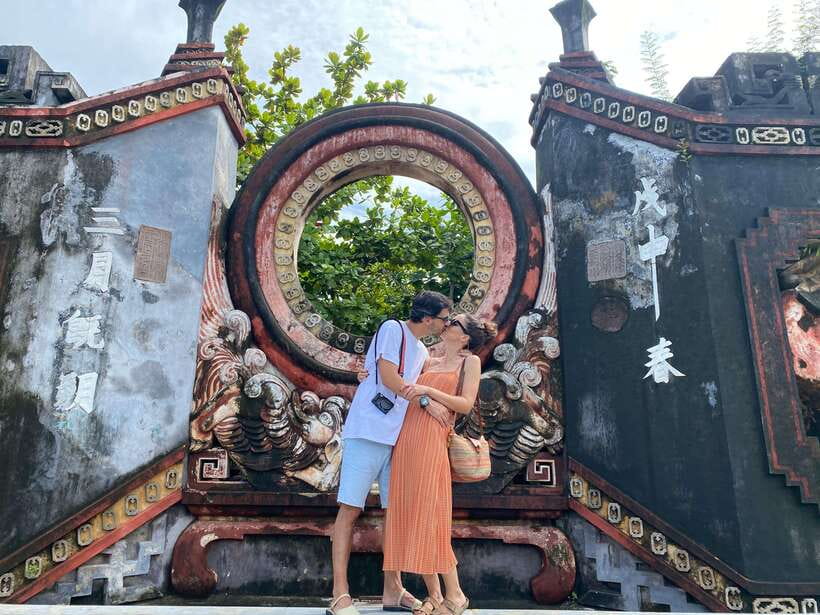
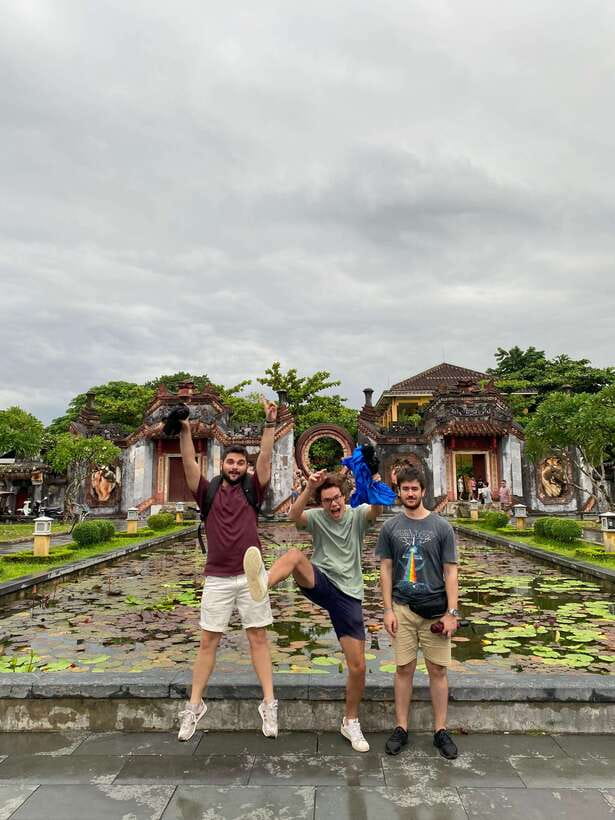
Ba Mu Temple Gate and the first photo stop

Ba Mu Temple gate is a fine opening stop because it gives you an immediate sense of Hoi An’s decorative style. The gate is photogenic, and a guide can explain its role rather than leaving you with only a quick picture.
This is also where you begin to see the value of having a local guide take photographs. Trung is repeatedly praised for helping with group photos at landmarks, a small touch that matters if you are traveling alone or want everyone in the picture.
Do not expect a long private visit at every location. This is an overview walk, not a specialist architectural tour. The advantage is range: you see many of the old town’s major sights without spending half a day at one building.
Assembly halls and the town’s overseas connections
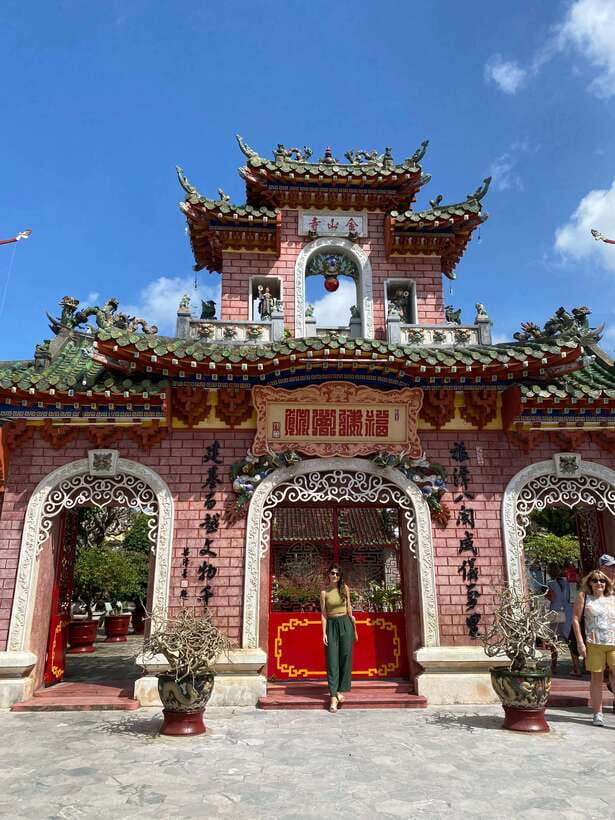
The Fujian or Cantonese Assembly Hall is one of the route’s most useful stops. These buildings reflect the overseas Chinese communities that lived and traded in Hoi An, and their decorative details help explain why the town looks different from many other Vietnamese historic centers.
Your guide can help you notice the parts that a quick walk might miss: the layout, ornament, religious purpose, and links to the merchant communities that shaped the port. The exact emphasis may vary by guide, but the point is to connect architecture with the people who used it.
This stop also gives you a break from the street. The tour includes many indoor pauses, which is a real advantage in central Vietnam’s heat or rain. You are still walking, but the route does not simply send you from one outdoor photo stop to another.
A few other Hoi An trips to compare
- Hoi An: Vietnamese Foldable Lantern Making Class
★ 4.9 · 3,742 reviews - Hoi An Full Lantern Making Class- A special Foldable lantern
★ 5.0 · 2,007 reviews - Hoi An : Hoai River Boat Trip by Night and Floating Lantern
★ 4.6 · 1,988 reviews - Hoi An: River Lantern Boat Experience with Free 5G eSIM
★ 4.5 · 1,819 reviews
The Japanese Covered Bridge and Kazik Park
The Japanese Covered Bridge is Hoi An’s best-known landmark, and it can be hard to appreciate when you are focused on taking a photograph. The guide provides context and helps you understand why this small bridge has become such a strong symbol of the town.
Crowds are the main issue here. During Tet and other busy periods, the old town can become especially hectic. One guide, Trung, is praised for keeping the group close and adapting the route sensibly when the streets filled up. That kind of attention is more useful than a rehearsed speech delivered while half the group is trying to cross the road.
Kazik Park offers another angle on the old town. It is a short stop, but it helps break up the sequence of interiors and gives you a chance to look around, take photos, and reset before the next heritage building.
Tấn Kí Heritage House, where a home tells the story

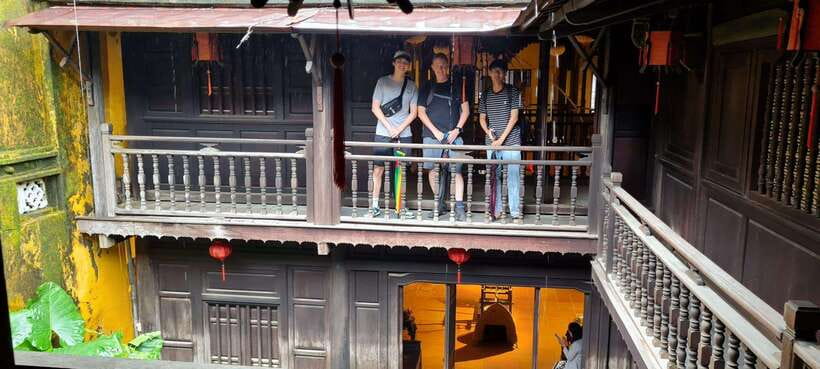
Tấn Kí Heritage House is one of the strongest stops for understanding how people lived and worked in old Hoi An. Unlike a freestanding monument, a heritage home lets you see domestic space, construction details, and the relationship between the front and rear parts of a traditional merchant house.
The guide’s explanation is important here. Without context, an old wooden interior can blur into a collection of beams, carved panels, and dark rooms. With a good explanation, you can connect the structure to family life, trade, storage, and the town’s position as a port.
This is also a useful point for visitors who want more than photographs. The old town is beautiful, but its appeal is stronger when you understand that these houses were working spaces as well as homes. The visit adds substance to the sightseeing without requiring a long lecture.
Traditional arts and folk culture

The Hoi An Traditional Art Performance House adds a cultural element to the walk. The tour description does not promise a full performance during the visit, so you should think of this as an introduction to local artistic traditions rather than a dedicated show.
The Museum of Folk Culture broadens the picture. It shifts attention from famous façades to everyday customs, objects, and local life. Several people who took the walk found the combination of historic buildings, temples, and museum visits useful because it showed different sides of Hoi An rather than repeating the same architectural story.
A museum stop can also be a welcome indoor pause. If rain arrives, or if the sun is strong, these breaks make the pace more comfortable. Still, the time at each venue is limited, so anyone wanting a detailed museum visit should return independently after the tour.
Hoi An Market and advice you can use later
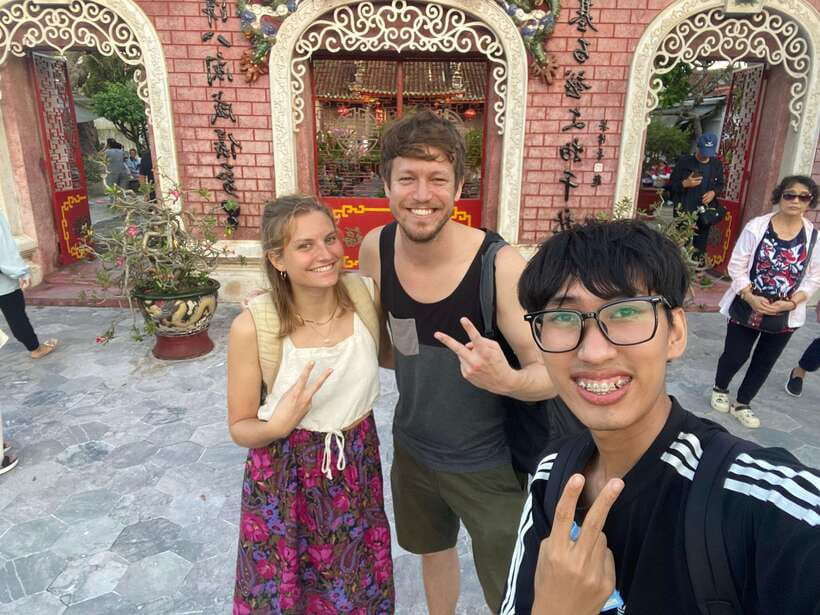
The route ends at Hoi An Market, bringing you back to the practical, everyday side of the old town. Markets are more rewarding when you know what you are seeing, and a guide can point out local foods, shopping areas, and useful places to eat.
The tour’s recommendations are one of its strongest extras. Guides offer suggestions for local dishes, cafés, tailor shops, and other activities. Trung even followed up with recommendations by WhatsApp for some participants, though you should treat that as a personal courtesy rather than a guaranteed part of the service.
This advice is most useful if you are staying in Hoi An for more than one day. You can ask where to eat after the walk, which cafés are worth your time, or how to approach tailor shopping. If you have only one day, the recommendations can save you from spending your limited evening wandering without a plan.
The tea or dessert stop
The included refreshment gives the tour a pleasant finish. Depending on the guide and arrangements, you may receive local tea, a traditional dessert, or a Vietnamese herbal drink such as the one served at Mót.
Do not book this activity expecting a full meal. The refreshment is a small cultural taste and a chance to sit or pause after the walk. That is enough to make the ending feel more relaxed, especially in hot weather.
It also creates a natural moment for questions. You can ask about the places you passed, compare restaurant suggestions, or get help shaping the rest of your Hoi An visit. Several guides are praised for being approachable and willing to offer extra ideas rather than ending the experience the moment the formal route is complete.
The guides: what kind of experience to expect
The exact guide is not fixed in the information provided. Names connected with recent departures include Trung, Duy, Tom, Tin, Trang, and Yui. Their common strengths are clear English, local knowledge, humor, and a friendly manner.
Trung receives especially strong praise for his energy, thoughtful explanations, photography help, and ability to keep a group together during crowded periods. Duy is noted for answering questions and explaining history in an engaging way. Tom is described as welcoming and inclusive, while Tin is praised for making Hoi An’s story easy to follow.
That variation is worth keeping in mind. A walking tour depends heavily on the person leading it, and the style may shift from one departure to another. The consistent format gives you a useful structure, but the personality, examples, and amount of discussion will depend on your assigned guide.
The best way to use the guide is to ask questions. Ask about food, modern Hoi An, local customs, shopping, or places you plan to visit later. The guides are not just there to move you from one stop to the next.
Price, group size, and what you really pay for
At $14 per person, this is inexpensive for a 150-minute guided visit covering several major heritage sites. You are not paying for transportation or a private tour. You are paying for a local English-speaking guide, a carefully arranged route, access to key heritage locations, a small-group setting, and a drink or dessert.
The value is strongest for first-time visitors. If you walk alone, you can see the outside of many buildings, but you may miss the reason they matter or fail to notice smaller lanes and entrances. The guide turns a pleasant stroll into an orientation to the town.
Remember to add the 120,000 VND UNESCO heritage entrance ticket. It is not included, must be paid in cash, and is a real part of your budget. The tour description also mentions a separate entrance for avoiding the line, but you should still arrive prepared with the required ticket money.
Free cancellation is available up to 24 hours before the start time, and you can reserve now and pay later. Those terms are useful when your Central Vietnam plans are still moving around.
Who should book this Hoi An walking tour
I would recommend it most strongly to first-time visitors, people with one day in Hoi An, and anyone who wants cultural context before returning to explore alone. It also suits solo visitors and couples who want photos taken without arranging a private guide.
The small group is a good match for people who like asking questions but do not want the cost of a private tour. The pace should suit most reasonably mobile adults, though you need to be comfortable walking and standing for around two and a half hours.
You may want something else if you dislike group schedules, want a deep architectural study, or prefer to spend your time shopping and eating rather than visiting heritage sites. Families with babies under one year old cannot join, and strollers are not allowed.
Timing matters, too. Crowds can be heavy around Tet, and weather can change the feel of the walk. The indoor stops help, but comfortable clothing and sensible footwear remain important.
Should you book it?
Yes, if you want a compact and affordable introduction to Hoi An before exploring on your own. The best reasons are the small group, the broad route, the local guides, and the practical recommendations that continue to help after the walk ends.
Book it early in your stay if possible. You will understand the Japanese Covered Bridge, old houses, assembly halls, and market better, and you can use the restaurant, café, tailor, and activity suggestions during the rest of your visit.
Skip it only if you already know Hoi An well or want a private, slow-paced specialist tour. For most first-time visitors, $14 plus the separate heritage ticket is a sensible way to get your bearings and see a great deal in one well-paced outing.
FAQ
Where does the Hoi An walking tour start?
It starts at 95 Đường Phan Chu Trinh in Hoi An, in front of a tailor shop located at the corner of the intersection.
How long does the tour last?
The activity duration is listed as 150 minutes. The route information also describes a three-hour visit, so you should allow about two and a half hours and some flexibility.
What sights are included?
The route includes Ba Mu Temple gate, the Fujian or Cantonese Assembly Hall, the Japanese Covered Bridge, Kazik Park, Tấn Kí Heritage House, Hoi An Traditional Art Performance House, the Museum of Folk Culture, and Hoi An Market.
Is the entrance ticket included?
No. You must pay the 120,000 VND UNESCO heritage entrance fee separately. Payment is required in cash.
Is the tour conducted in English?
Yes. The tour includes a live English-speaking local guide.
How large is the group?
The group is limited to a maximum of 10 participants.
Is hotel pickup or drop-off included?
No. You need to make your own way to the starting point, and transportation after the tour is not included.
What should I bring?
Wear comfortable clothes suitable for walking. Cash is also important for the separate 120,000 VND entrance ticket.
Can I cancel or pay later?
You can cancel up to 24 hours in advance for a full refund. The booking option also allows you to reserve now and pay later.
Newly listed around Hoi An
- VIP Limousine: Hoi An to Hue Trip★ 4.0 · 39 reviews
- Hoi An Ancient Town And Countryside Tour Full Day★ 5.0 · 39 reviews
- A Private Full Day Tour to My Son Sanctuary & Marble Moutains★ 5.0 · 39 reviews
- Hoi An: Private Car To/From Hue via Multi Attraction( 1-Way)★ 5.0 · 39 reviews
- My Son Sanctuary and Hoi An Walking Tour★ 4.5 · 40 reviews
- From Hoi An: Cooking Class at Organic Farm★ 5.0 · 40 reviews
- Coconut Boat Hoi An★ 4.6 · 41 reviews
- Hoi An: Full-Day Small Group Trip to My Son Sanctuary★ 4.4 · 41 reviews
Lantern & Hoi An Old Town Tours, compared.


Hoi An Full Lantern Making Class- A special Foldable lantern
Read our review →
Hoai River Boat Trip by Night and Floating Lantern
Read our review →
River Lantern Boat Experience with Free 5G eSIM
Read our review →
Marble Mountains – Hoi An Ancient Town Sunset Daily Ingroup Tour
Read our review →
Evening Walking Food Tour, folk game and lantern boat
Read our review →

Browse the lists this tour appears in