
Reviewed · HANOI TOURS
Vietnamese Bread & Brew: Banh Mi Baking Class & Specialty Coffee
Hanoi’s most useful cooking class may be the one that teaches you lunch. This four-hour session focuses on banh mi from scratch, from dough and pickles to fillings and sauces, then adds the city’s famous egg, salt, or coconut coffee.
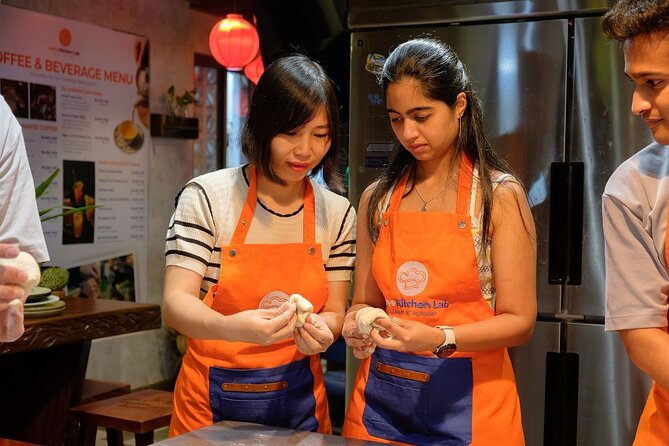
I like the clear, hands-on format, where each person gets a job rather than simply watching a chef work. I also like the warm personal touch from the Love Kitchen Lab team, including Jane’s thoughtful help when a booked participant fell ill and could not attend.
The main consideration is the location in Tây Hồ, north of Hanoi’s Old Quarter, so you’ll need to allow time to reach 519 Đ. Âu Cơ. A group of up to 15 can also feel less intimate than the phrase home kitchen suggests, though the activity is designed for plenty of interaction.
Key points before you book
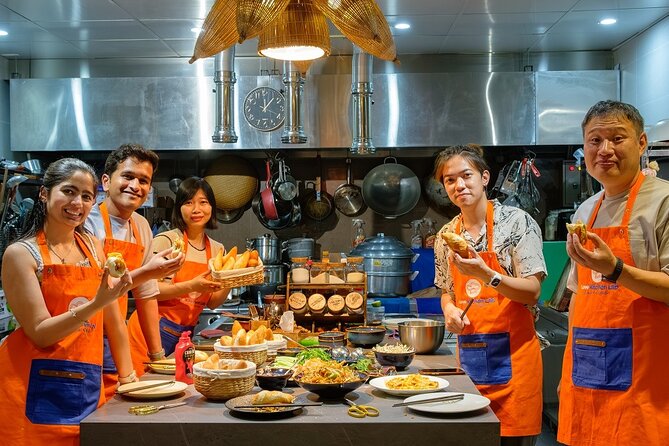
- Baguettes begin with your own hands: You knead the dough, rather than starting with a ready-made loaf.
- The full banh mi process is covered: Pickles, fillings, sauces, bread, and assembly all receive attention.
- Coffee is part of the lesson: You learn traditional methods for egg coffee plus salt or coconut coffee.
- The meal is made by you: At the end, you eat your own banh mi with the hosts and fellow participants.
- The class is practical and well organized: Everyone has a role, with step-by-step guidance in English.
- Useful extras are included: Ingredients, equipment, luggage storage for up to two days, homemade wine tasting, and a digital recipe booklet are provided.
Why this class gives banh mi the whole stage
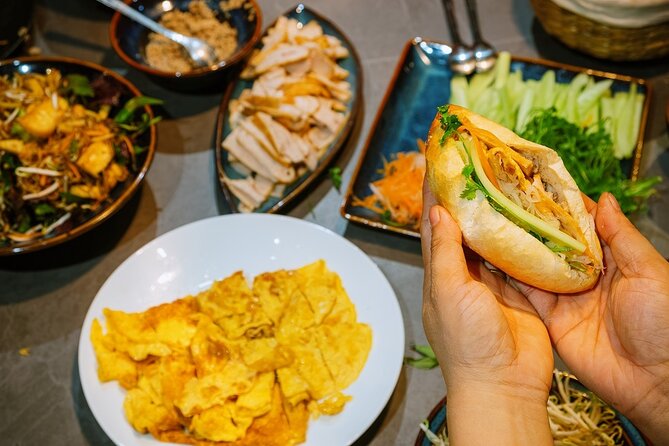
Many Hanoi food classes try to cover several famous dishes in one sitting. This one takes a narrower path, and I think that is its strength. You spend the session on one food with many moving parts: bread, acidity, herbs and vegetables, savory filling, fat, heat, and sauce.
Banh mi is often described simply as a Vietnamese sandwich, but that misses the point. The bread reflects French influence, while the fillings, pickled vegetables, seasonings, and balance belong firmly to Vietnam. The introduction explains this development, giving the dish some context before you start cooking.
You are not just assembling ingredients purchased in advance. The plan includes kneading baguette dough, pickling vegetables, preparing a meat or tofu filling, and mixing the sauces. That makes the lesson useful after your holiday because you learn the stages that create the final flavor, not just the order in which to pile things into bread.
The class is held at Love Kitchen Lab, at 519 Đ. Âu Cơ in Nhật Tân, Tây Hồ. The setting is a local home kitchen rather than a large restaurant school. That should give the class a more personal feel, though you should still remember that the maximum group size is 15 people.
A few other Hanoi trips to compare
- Hanoi Coffee Experience: 6 Brews, 9 Recipes & 3 Liquor Tastings
★ 5.0 · 2,945 reviews - Hanoi Coffee Workshop: Taste Salt, Coconut and Egg Coffee
★ 5.0 · 1,286 reviews - Hanoi: Salt Coffee Workshop Awake Your Senses With 6 Brews
★ 5.0 · 792 reviews
Getting to the Love Kitchen Lab kitchen
The meeting point is in Tây Hồ, an area away from the central Old Quarter. The address is specific, which helps, but you should check your route before leaving and allow a little breathing room for Hanoi traffic. The activity begins and ends at the same location.
The meeting point is near public transportation. Mobile tickets and confirmation at booking make the arrival process simple, but the practical detail matters: this is not a class you can casually find while wandering around the center.
One useful extra is free luggage storage for up to two days. If you are changing accommodation, heading to the airport, or carrying bags between parts of your trip, this can save you an awkward detour. Confirm the storage arrangement with the provider when you book, especially if you have large luggage.
Starting with the story behind the sandwich
The first part sets up the food. An English-speaking home chef explains how the baguette arrived through the colonial period and how Vietnamese cooks reshaped it with local ingredients and stronger contrasts in taste.
I like this short cultural opening because it gives you something to notice while working. The bread is not treated as an isolated French import, and the fillings are not presented as a random collection of toppings. You learn why the sandwich became such a central street food and how its parts work together.
The best cooking instruction is often a lesson in balance. Pickled vegetables cut through rich fillings, sauces bring moisture, and the bread must be sturdy enough to hold everything without becoming a dry brick. The class connects these choices to the finished sandwich, which is more helpful than handing you a recipe with no explanation.
Kneading dough and making the bread
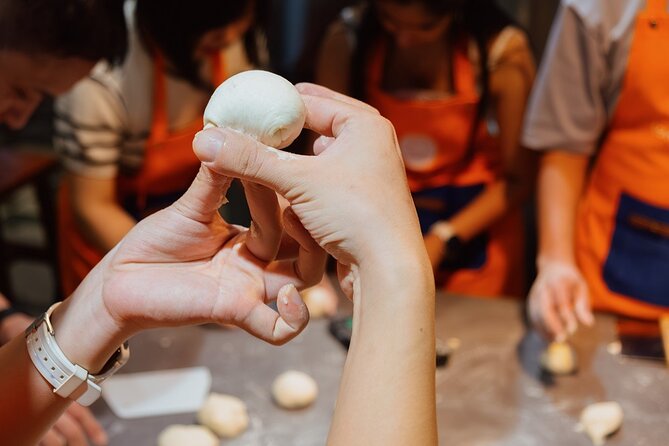
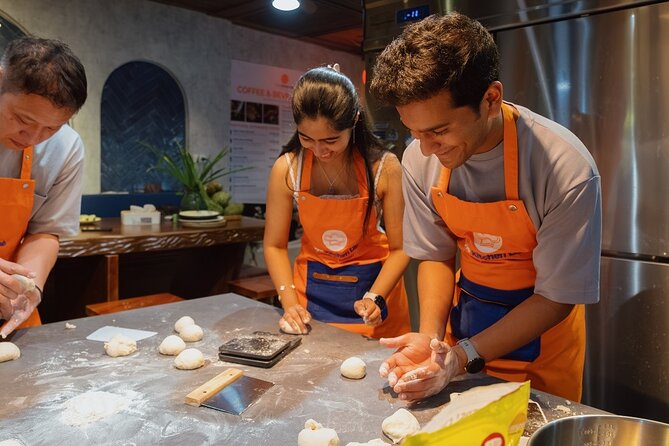
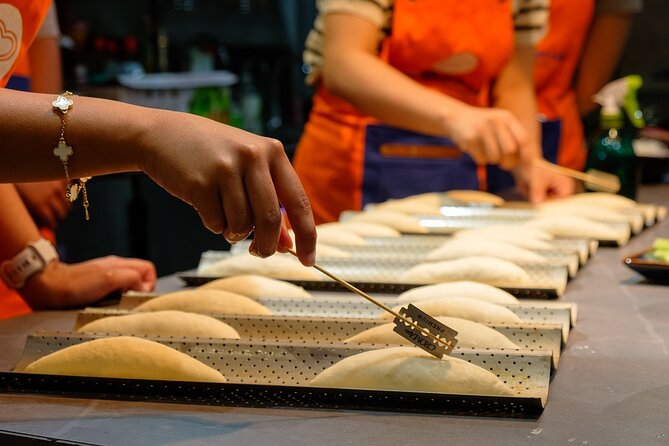
The bread lesson is the most work-intensive part, and it is also the part that separates this experience from a quick street-food demonstration. You knead your own dough and follow the process that turns basic ingredients into a light baguette suitable for banh mi.
The wording of the activity promises a from-scratch session, but baking always depends on timing and conditions. The supplied information does not specify the exact proving time, oven setup, or whether every participant bakes a separate loaf. Ask the chef how the class divides the bread work if that detail matters to you.
Still, taking part in the dough stage gives you a better sense of why a banh mi loaf differs from ordinary sandwich bread. You learn that the bread is not merely a container. Its crust and interior have to support pickles, meat or tofu, herbs, and sauce without overwhelming them.
This part suits curious cooks more than people seeking a fast tasting. If you want to eat immediately, the waiting and handling may feel slow. If you want a recipe you can repeat at home, the effort is worthwhile.
Same base, a completely different day:
- Hanoi Jeep Tour: Food, Culture and Fun by Vietnam Army Jeep
★ 5.0 · 15,222 reviews - Full-Day Ninh Binh Highlights Tour from Hanoi
★ 5.0 · 7,761 reviews - Hanoi: Ha Long Bay Day Cruise – Swimming, Meal, Kayaking
★ 4.7 · 7,415 reviews - Hanoi: Water Puppet Show Tickets
★ 4.6 · 7,029 reviews
Pickles, fillings, and the balance of flavors
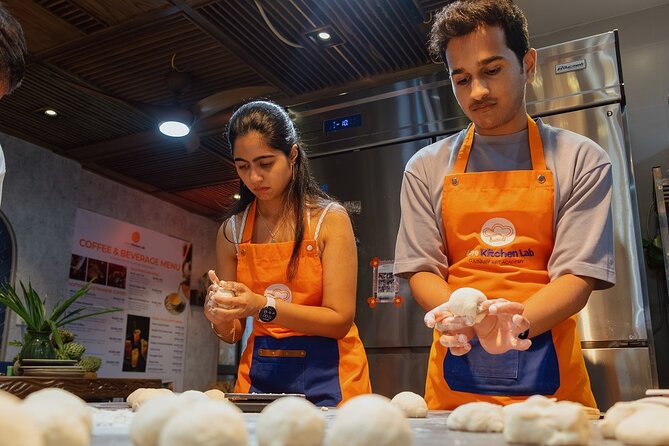
Once the bread is underway, you prepare the vegetables and filling. The vegetables are pickled rather than served plain, giving the sandwich its sharp, fresh counterpoint. You also prepare a savory filling, with meat or tofu available in the stated options.
That choice makes the class more flexible for people who do not want a meat-based sandwich. The information does not promise a separate vegan or allergy-safe menu, so you should contact Love Kitchen Lab before booking if you have strict dietary needs.
Sauces are another key step. Banh mi can become messy or dry when the proportions are wrong, so learning to mix and apply the sauce is as useful as learning the filling. The class takes you through the details in a methodical order, which helps first-time cooks keep track of several components.
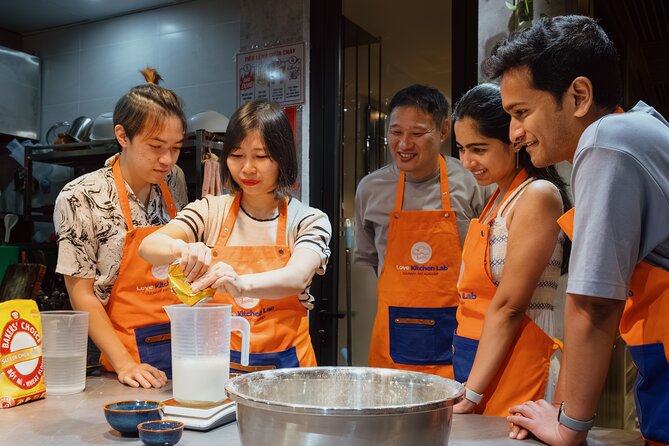
The format is active. Each person receives a role and purpose, rather than standing behind one person who does all the chopping. That approach keeps a group moving and gives you more ownership of the finished meal. It also means you should expect to work, handle ingredients, and pay attention rather than treat this as a passive food tour.
The kitchen uses fresh, top-grade ingredients and never-used oil, with hygiene and safe eating specifically emphasized. That will reassure anyone cautious about group cooking facilities. As always, follow the chef’s instructions on handling food and equipment.
Vietnamese coffee after the savory work
The second food focus is coffee. You learn about Vietnamese specialty brews and prepare egg coffee, with salt coffee or coconut coffee also included in the experience.
Egg coffee is closely tied to Hanoi’s café culture. Its appeal comes from the contrast between strong coffee and a creamy egg mixture. Salt coffee brings a different sweet-salty balance, while coconut coffee adds a cooler, smoother style. The activity does not promise that every participant makes every variation, so ask the chef which options will be prepared on your date.
This is a smart pairing with banh mi. After handling bread, pickles, and savory fillings, you get a drink lesson that shows another side of Vietnam’s food culture. You also leave with more than a single dish to recreate at home.
The coffee section includes traditional brewing methods, though the available details do not specify the exact equipment or recipe quantities. Pay attention to the ratios and the mixing technique, then record any adjustments you prefer. Coffee recipes can be easier to remember when you write down the steps as you go.
Eating the meal you prepared
The final stage is the payoff: you eat your handmade banh mi with the hosts and the rest of the group. This meal lets you test the balance you created. If the bread, pickles, filling, and sauce work together, you will understand the dish in a way that tasting a finished sandwich cannot provide.
A homemade wine tasting is also included. It is a small extra, but it adds a social note to the end of the class. Soda and other soft drinks are not included, so budget separately if you want something beyond the prepared coffee and wine.
The meal is likely to be satisfying because you have been working toward it for several hours. It is not a substitute for sampling several different Hanoi street stalls, though. You get one focused food experience, not a broad city food crawl.
That distinction matters. Book this class if you want to understand how banh mi is made and enjoy a shared meal. Choose a street-food tour instead if your priority is trying many dishes across Hanoi.
The teaching style and group size
The class is led in English by a professional home chef. The teaching style is described as methodical and easy to follow, with clear detail through both the banh mi and coffee steps. The staff are also known for keeping the mood funny and accommodating.
That combination is valuable for beginners. Bread can feel intimidating, and coffee techniques can seem fussy when you first see them. A steady sequence, with a defined task for each person, lowers the pressure.
The maximum is 15 participants. That is not a tiny private class, but it is still manageable if the chef keeps the group organized. The experience is described as intimate and personal, yet you should set your expectations at a small-group activity rather than a one-on-one lesson.
If you are booking for several people, group discounts may be available. The price is $34 per person, and the booking information does not state the exact discount amount. Ask for the current group rate before paying.
Is $34 a fair price?
At $34, the value comes from the combination of instruction, a full meal, coffee preparation, ingredients, equipment, and extras. You are not paying only for a banh mi lunch. You also receive the cultural introduction, hands-on work, homemade wine tasting, luggage storage for up to two days, and a digital recipe booklet.
A cooking class can be poor value when the participant merely watches a chef prepare food. This one puts the important work in your hands. The strongest value is for anyone who plans to cook at home, since the recipe booklet and practical experience extend beyond the four-hour visit.
The certificate is available on request, which may appeal to people collecting cooking credentials or travel keepsakes. It should not be the reason to book, but it is a pleasant addition.
The price does not include soda, tips, personal expenses, or anything not listed. The class also returns to the same meeting point, so you should include the cost and time of getting to Tây Hồ when comparing it with a central Hanoi activity.
Who should book this Hanoi cooking class?
I would recommend it most strongly to:
- First-time visitors who want one focused food lesson
- Home cooks interested in bread, pickles, and sauces
- Coffee drinkers curious about Hanoi egg, salt, or coconut coffee
- Couples, families, and small groups who enjoy sharing tasks
- People who value meeting a local host in a home kitchen
- Anyone changing hotels who can use the included luggage storage
It is less suitable if you dislike group activities, have severe food restrictions that were not confirmed in advance, or want a fast meal with no preparation. It is also not the right pick if your main goal is to sample many kinds of Vietnamese food in one afternoon.
The activity lasts about four hours, so leave enough room in your day. A cooking class with bread dough cannot be treated like a quick coffee stop, and rushing away may cut into the relaxed meal at the end.
Booking details worth knowing
You receive confirmation when booking, and the activity accepts mobile tickets. Free cancellation is available when you cancel at least 24 hours before the local start time. Cancellations within 24 hours are not refunded, and changes inside that window are not accepted.
The provider is Love Kitchen Lab. The class starts and ends at the same address, and the activity has a maximum of 15 participants. Tips and personal expenses are not included.
If you are ill or suddenly unable to attend, contact the team as soon as possible. Jane has shown a notably thoughtful approach in such a situation, offering a date change and even arranging gifts by courier when a participant had already left Hanoi. That does not replace the formal cancellation rules, but it suggests that prompt communication is worth trying.
Should you book Vietnamese Bread & Brew?
Book it if you want to learn the complete banh mi process, not just eat one. The strongest features are the from-scratch dough, hands-on pickles and fillings, clear role-sharing, and the coffee lesson that adds egg, salt, or coconut coffee to the menu.
The $34 price is fair for four hours of instruction, food, coffee, equipment, and the included extras. Just plan for the Tây Hồ location, confirm any dietary concerns, and remember that a group of up to 15 will not feel like a private kitchen appointment.
For a practical and friendly introduction to two Hanoi favorites, this is a solid choice. You leave with a meal, a recipe booklet, and enough technique to try making the sandwich and coffee again at home.
FAQ
Where does the banh mi and coffee class take place?
The class takes place at Love Kitchen Lab, 519 Đ. Âu Cơ, Nhật Tân, Tây Hồ, Hanoi, Vietnam. The activity ends back at the same meeting point.
How long does the experience last?
The activity lasts approximately four hours.
How much does the class cost?
The listed price is $34 per person. Group discounts are available, though the exact discount amount is not specified.
What foods and drinks will I make?
You will learn to make banh mi from scratch, including the baguette dough, pickled vegetables, savory meat or tofu fillings, and sauces. You will also learn about Vietnamese coffee and prepare egg coffee, salt coffee, or coconut coffee.
Is the class taught in English?
Yes. Guidance is provided by a professional English-speaking home chef.
What is included in the price?
The price includes the chef’s guidance, ingredients, cooking equipment, hands-on banh mi and egg coffee instruction, luggage storage for up to two days, homemade wine tasting, fresh ingredients, never-used oil, and a digital recipe booklet. A cooking certificate is available upon request.
How many people can join the class?
The activity has a maximum capacity of 15 participants.
Can I cancel for a full refund?
Yes, if you cancel at least 24 hours before the experience start time. Cancellations or changes made within 24 hours are not accepted for a refund.
Newly listed around Hanoi
- Hanoi: Halong Bay Cruise, Amazing Cave, Titov Island & Kayak★ 4.2 · 39 reviews
- 2Days-1Night Halong Bay Luxury Genesis Regal Cruises★ 4.5 · 39 reviews
- Ninh Binh 1 Day Tour(Tam Coc – Mua Cave – Bich Dong)★ 5.0 · 39 reviews
- 8 days 360° Vietnam Adventure from Hanoi★ 5.0 · 39 reviews
- Dora Cruise – Luxury 5 Star Cruise in Halong Bay & Lan Ha Bay (2D1N)★ 4.5 · 39 reviews
- 3 Days and 2 Nights Ha Giang Loop Tour★ 5.0 · 39 reviews
- Best Value Ha Long bay 1 day – Lunch, kayak, swimming, transfer★ 5.0 · 39 reviews
- From Hanoi: Ha Giang Loop Motorbike Tours 3-Days 2-Nights★ 5.0 · 40 reviews
Hanoi Tours, compared.

Hanoi Jeep Tour: Food, Culture and Fun by Vietnam Army Jeep
Read our review →
Full-Day Ninh Binh Highlights Tour from Hanoi
Read our review →
Ha Long Bay Day Cruise – Swimming, Meal, Kayaking
Read our review →

Hanoi Motorbike Tour: Food, Culture and Fun by Vintage Motorbike
Read our review →
Hanoi Cooking Class: Culture, Local Market & Meaning CSR Impact
Read our review →
5 Traditional Dishes Hanoi Cooking Class with Market Trip
Read our review →Browse the lists this tour appears in