
Reviewed · HOI AN TOURS
Discover Traditional Silk Process in Hoi An Silk Village
The most revealing part of this Hoi An Silk Village visit is the cocoon room, where workers turn a small, dry cocoon into a long silk thread. You also see the less comfortable truth: traditional silk extraction kills the silkworm inside. That detail gives the pretty fabric a human, and very real, production story.
I like two things here. First, the tour connects the whole chain, from mulberry leaves and living silkworms to spinning, weaving, and finished clothing. Second, $11 for 50 minutes is a fair price for a focused cultural stop, especially if you are already exploring Hoi An. The main consideration is its short length and shop ending. You will learn a lot quickly, but you should not expect a full-day craft workshop or a large range of modern fabric designs.
Key points at a glance
- See the full silk process: Follow silk from mulberry garden to cocoon, thread, loom, and finished garment.
- Visit traditional working spaces: The route includes a Quang Nam house, silkworm-breeding area, unraveling house, weaving house, and exhibition.
- Hear the Champa and Dai Viet connection: The village preserves handmade methods linked to earlier Central Vietnamese cultures.
- Get a useful silk lesson: The final exhibition explains how pure silk differs from imitation fabric.
- Keep your schedule flexible: The visit lasts about 50 minutes and offers free cancellation up to 24 hours before the start.
- Plan for a walking visit: Comfortable shoes and clothes are sensible, while large bags and luggage are not allowed.
Why this short Hoi An visit is worth your time
Hoi An is famous for old streets, lanterns, tailoring, and food. Silk fits naturally into that picture, but it is easy to see only the finished shirt or scarf and miss the work behind it. This visit fills in that gap.
At Hoi An Silk Village, you do not simply look at fabric samples. You follow a traditional process that begins with mulberry cultivation and ends with a cloth you can wear. That makes the experience more useful than a basic shop stop, especially if you are considering buying silk in Hoi An and want to know what you are paying for.
The setting also gives the craft some local grounding. The village preserves valuable mulberry varieties and handmade weaving methods associated with the Champa and Dai Viet eras. You will not become a textile expert in less than an hour, but you will leave with a clearer idea of why silk production has mattered in Quang Nam.
The experience has a 4.4 rating from 60 reviews, and the strongest praise centers on the guides, the clear explanations, and the amount covered in a short time. Guides named Thu and Tsu have been singled out for patient, easy-to-understand English. That matters here because the process has several stages, and a rushed or vague explanation would make the visit much less useful.
A few other Hoi An trips to compare
- Hoi An: Basket Boat Ride in the Coconut Forest
★ 4.9 · 4,956 reviews - Hoi An: Vietnamese Coffee Culture and Coffee Making Class
★ 4.9 · 4,006 reviews - Hoi An: Vietnamese Foldable Lantern Making Class
★ 4.9 · 3,742 reviews
Starting at the traditional Quang Nam house
The visit begins with a welcome drink, then moves into a traditional house connected to the story of sericulture in Quang Nam. Sericulture simply means raising silkworms for silk, but here the term becomes practical rather than abstract.
This first stop gives you the regional background. You learn why mulberry growing was important and how the craft developed in Central Vietnam. The house helps place silk in everyday local life rather than presenting it as an isolated factory product.
I like this opening because it gives the rest of the visit a reason. When you later see leaves, cocoons, and looms, you understand that each step belongs to an older production system. The drawback is that the history portion has to be brief. With only 50 minutes in total, the guide cannot spend long on dates, dynasties, or detailed cultural comparisons.
If you want an academic lecture on Champa and Dai Viet textile traditions, this is not the right format. If you want a clear introduction before seeing the work itself, it does the job.
Mulberry gardens and the silkworm-breeding house
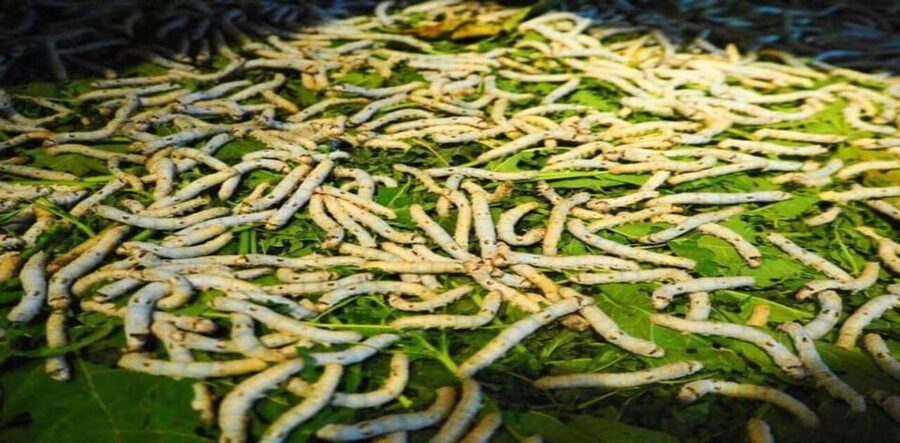
Next comes the mulberry garden and the silkworm-breeding house. This is where the finished silk begins, with a plant grown to feed the caterpillars that produce the cocoon.
You learn how workers cultivate the mulberry plants and feed the silkworms. That may sound simple, but it changes how you look at silk. The fabric is not created by a single machine. It depends first on careful plant growing, regular feeding, and close attention to the insects’ development.
The village is noted for preserving valuable genetic sources of mulberry. For you, the useful point is that this is not only a display about clothing. It also shows the agricultural side of the craft, a part many silk shops skip.
The breeding house is also a good stop for families and anyone curious about natural processes. The setting is practical rather than polished. You may find the work more interesting than the finished products because it shows the stage most people never see.
There is one ethical detail you should know before booking. Traditional silk extraction involves killing the silkworm inside the cocoon. The tour explains this directly, and seeing the process can be uncomfortable. I consider that honesty a strength, but people who avoid animal-based products may prefer to treat the visit as an educational stop rather than a shopping opportunity.
The unraveling house and the moment silk becomes thread
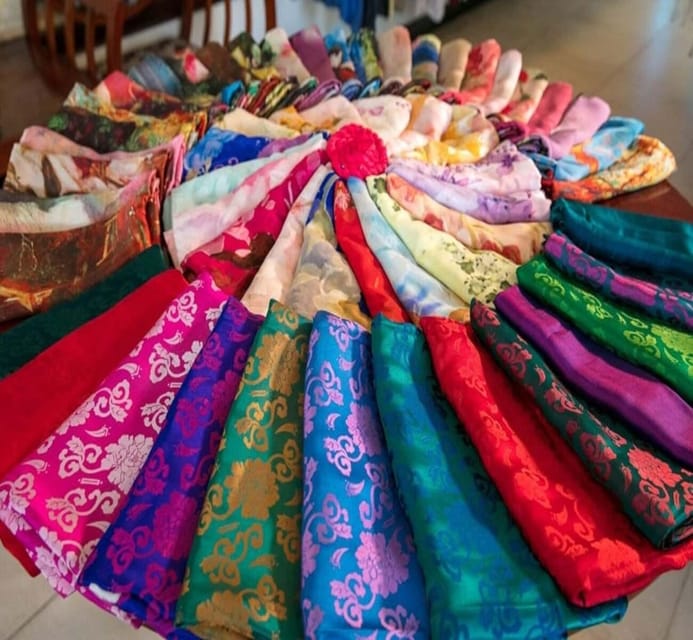
The cocoon unraveling room is likely to be the most memorable section. Here you see workers remove silk thread from the cocoons and prepare it for weaving.
A single cocoon contains a long, fine filament. The important lesson is that silk thread does not appear ready for a loom. Workers must handle the cocoons, find and combine the filaments, and turn them into usable thread. The process looks simple when done by an experienced worker, but it depends on steady hands and repeated movements.
This is also where the tour becomes more than a quick look at attractive fabric. You can connect the rough-looking cocoon to the smooth material sold in the exhibition room. That physical link is the best reason to include the village in a Hoi An visit.
One visitor’s favorite part was seeing the silk extracted from the cocoons, despite the difficult fact that the silkworm dies. That is a useful expectation to carry with you. The demonstration is not just pretty or decorative. It deals with the actual cost of traditional silk production.
The room may feel tight when several groups arrive. A small group is an advantage because you can stand closer and ask questions. The tour can also slow down if school groups are visiting. A short delay has occurred when groups of children arrived, though staff kept people informed and apologized. If your schedule is packed around a train, cooking class, or airport transfer, leave some spare time.
Same base, a completely different day:
- Cooking Class Hoi An:Local Market, Basket Boat, Fishing & Cooking
★ 5.0 · 3,660 reviews - Hoi An Cooking Class(Market,BasketBoat Crabfishing&Cooking Class)
★ 5.0 · 3,386 reviews - Hoi An: My Son Sanctuary Early Morning w. Champa Food Brunch
★ 4.9 · 2,750 reviews - Hoi An/ Da Nang – Ba Na Hills – Golden Bridge Deluxe Small group
★ 5.0 · 2,613 reviews
Champa textiles and the Vietnamese weaving house
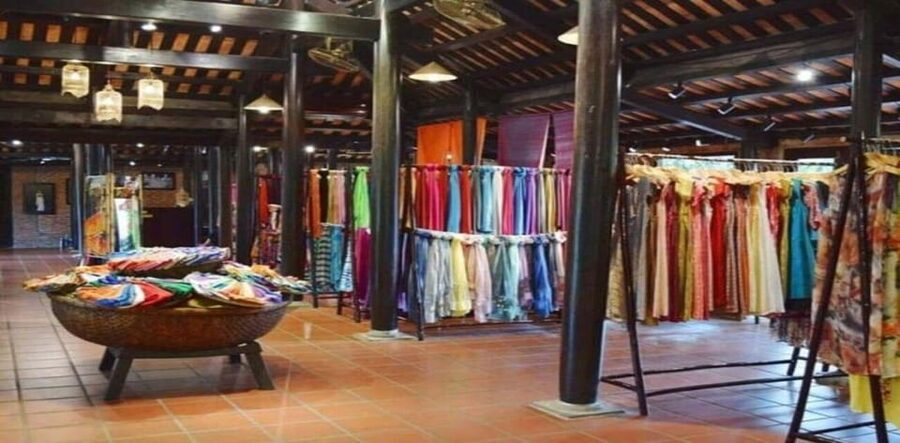
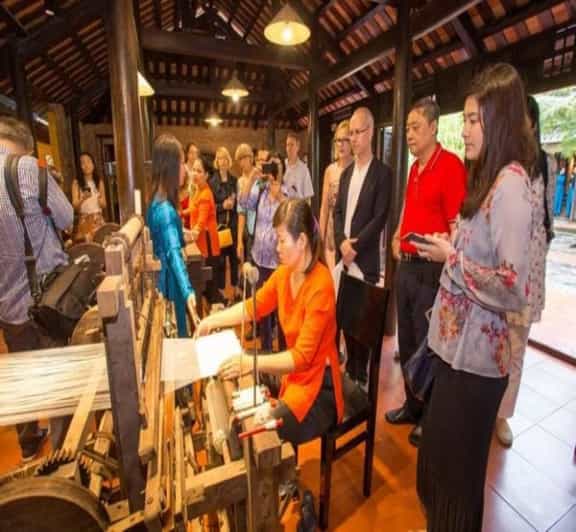
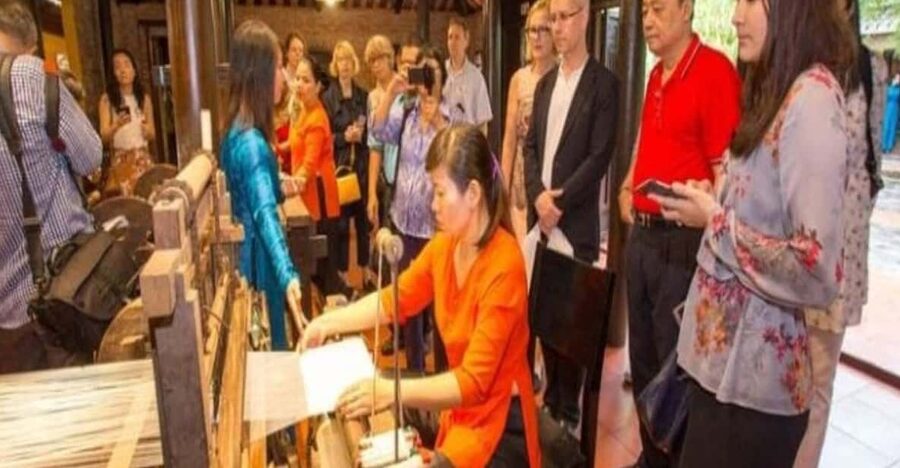
The next stop focuses on traditional weaving. You see workers using looms to turn thread into fabric and learn about handicrafts associated with the Champa people.
This section gives you a direct look at the skill behind the cloth. The loom is not just an old object placed in a room. It is part of a working method passed down through generations. You can watch the rhythm of weaving and see how thread becomes a patterned surface.
The connection to Champa culture is especially useful in Hoi An. Central Vietnam has layers of cultural influence, and silk provides one tangible way to explore them. The tour does not claim to cover every textile tradition in the region, but it shows how local craft can carry cultural identity.
You may also see demonstrations of spinning and weaving. The explanations are strongest when you ask specific questions about the thread, the loom, or the fabric. Guides such as Thu and Tsu have been praised for taking time with questions, so do not be shy about asking for a second explanation if a process moves quickly.
The weaving house is a working craft space, not a large museum. That means the experience feels direct, but it also means displays and room to stand can be limited. Wear comfortable clothing and shoes, and do not bring large luggage or bags.
The exhibition room: useful silk shopping, with some limits
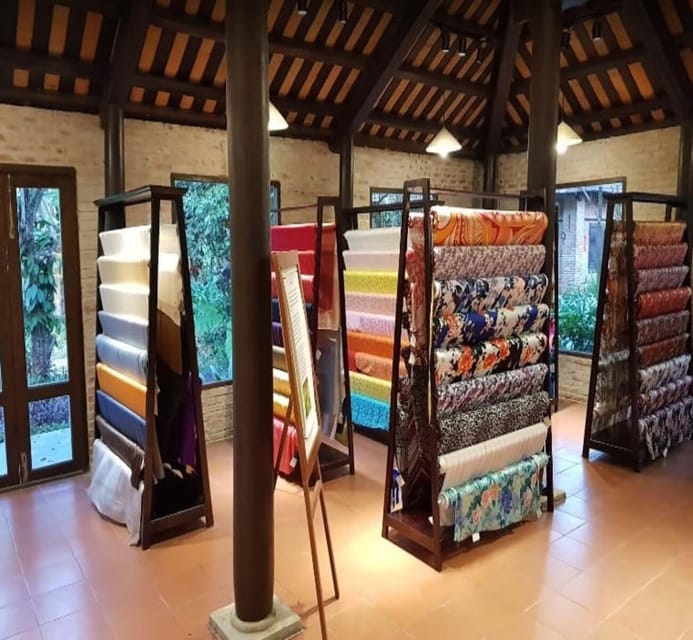
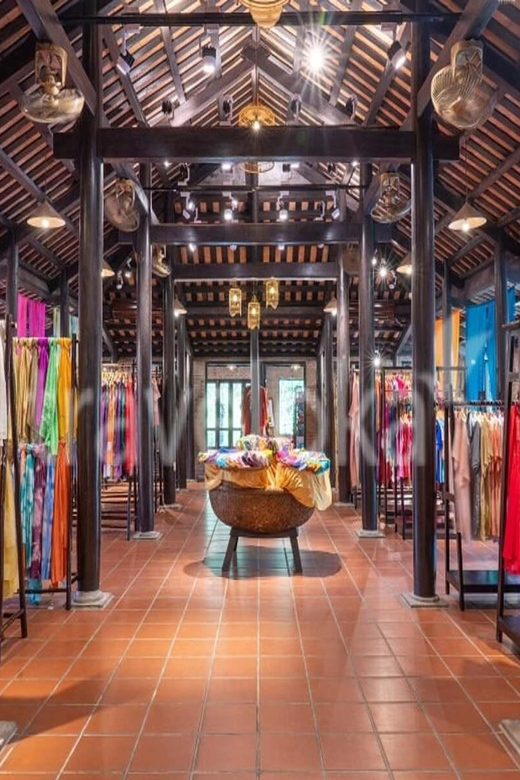
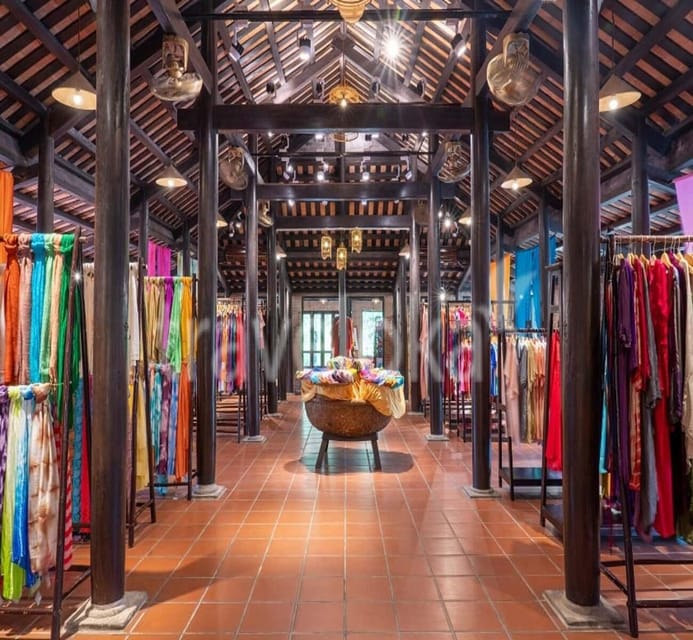
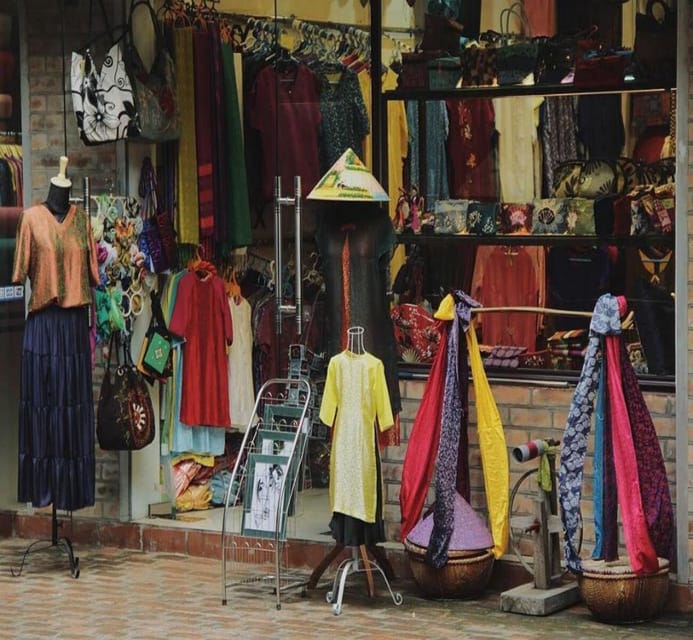
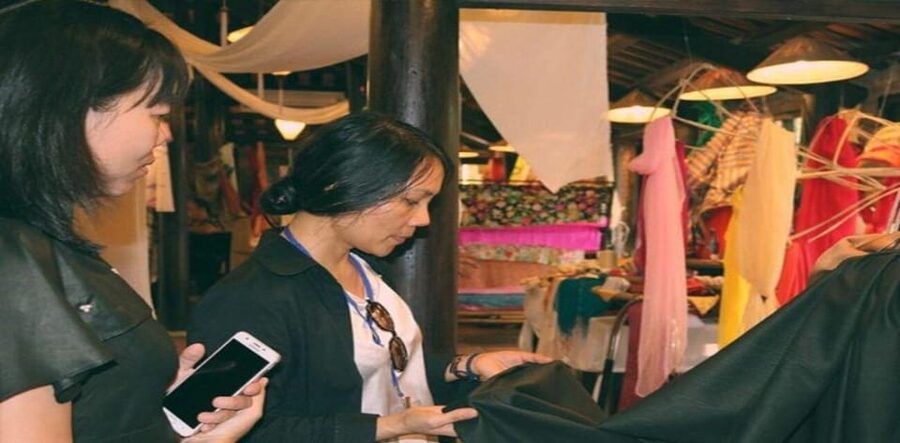
The final stop is the Hoi An Silk Village exhibition. Here you learn to distinguish pure silk from imitation fabric, then see silk clothing and other products available for purchase.
This shopping component is more useful because it follows the production lesson. You have just seen how silk is made, so you can think more clearly about texture, weight, finish, and price. If you are planning to order a shirt or buy gifts, this is a better starting point than guessing in a shop.
Some buyers have found the silk shirts worth the money, pointing to strong quality. The selection of finished clothing can be appealing, but the range of printed fabrics is not necessarily to everyone’s taste. One specific concern is that some prints use busy color combinations and that the choice may feel limited.
That makes timing important. If you want to buy fabric or clothing, visit early enough in your Hoi An stay to compare it with other shops. Do not wait until the final few hours and assume every pattern will suit you. The educational part of the visit is worthwhile even if you decide not to purchase anything.
You should also remember that the tour does not include tailoring, meals, or personal purchases. The exhibition can help with shopping and tailoring needs, but the listed price covers the guided visit, entrance, and a bottle of water, not a custom garment.
What the $11 price really covers
At $11 per person, this is a good-value add-on for a Hoi An itinerary. You receive an English-speaking guide, admission, and bottled water, plus access to several parts of the silk-making process.
The value comes from the range of stops rather than the length. In less than an hour, you cover agriculture, insect breeding, cocoon processing, spinning, weaving, cultural history, and fabric identification. A private museum visit or craft lesson could cost more, while a basic shop visit would teach you much less.
The short duration is both the appeal and the limit. I like it for a free morning, a stop before lunch, or a cultural break between Hoi An’s old town and other activities. You can fit it into a busy schedule without giving up half a day.
You should not book it expecting hands-on weaving or a long sit-down lesson. The available information describes demonstrations and explanations, not a workshop where you make your own scarf or operate a loom. If you want to practice a craft, ask the provider before booking rather than assuming the visit includes participation.
Timing, meeting point, and practical comfort
The meeting point is 28 Nguyen Tat Thanh, Hoi An, Quang Nam. You need to give your name at reception as booking confirmation. Hotel pickup and drop-off are not included, so you must arrange your own way to the meeting point.
Starting times depend on availability. The stated duration is 50 minutes, though the pace may be affected by school groups or other activity at the village. I would avoid scheduling a tight connection immediately afterward.
Comfortable shoes make sense because the visit moves between several areas. Comfortable clothes are also recommended. Large bags and luggage are not allowed, so leave bulky items at your accommodation or make another arrangement before arriving.
The activity is not suitable for wheelchair users or people with mobility impairments. That is important to check before paying, since the route includes multiple houses and working areas rather than one accessible hall.
The tour is offered in English with a live guide. English ability has been described as clear and easy to understand, and private-feeling visits can happen when there are no other English speakers in the group. Group size can be small, which is helpful in the tighter rooms and gives you more space for questions.
Who will get the most from this silk visit
I would recommend the experience to you if you enjoy seeing how everyday objects are made. The route is especially good for people who want more context before buying Vietnamese silk, and for anyone curious about traditional crafts in Central Vietnam.
It also suits a short Hoi An itinerary. You do not need to sacrifice a full day, and the 50-minute format gives you a focused look at a local industry. The cafe on site can make the stop easier to fit into a slower morning, though food is not included in the tour.
Families may appreciate the clear stages and live demonstrations, but parents should consider the cramped working spaces and the direct discussion of silkworm deaths. People with limited mobility should skip it because of the access restrictions.
You may want to choose another activity if your main goal is a broad textile museum, an extensive collection of polished modern prints, or a hands-on class. The village is strongest as a working craft and education visit, followed by optional shopping.
Booking advice and final call
Book this tour if you want a compact, fairly priced look at the real work behind Hoi An silk. The best parts are the mulberry garden, the cocoon extraction, and the chance to see weaving rather than only finished goods. Guides such as Thu and Tsu can make a major difference, particularly if you want to ask questions.
Go in with realistic expectations. The visit is short, the exhibition is also a shop, and the printed fabric selection may not match your taste. You may also encounter a delay if school groups arrive.
For $11, I think the educational value is strong. You learn enough to recognize the stages of silk production and make a more informed buying decision. Reserve it if that sounds useful, but leave room in your schedule and treat the shopping as optional rather than the main event.
FAQ
How long does the Hoi An Silk Village experience last?
The stated duration is 50 minutes. Starting times depend on availability.
How much does the experience cost?
The price is $11 per person.
What language is the tour offered in?
The tour is conducted in English with a live English-speaking guide.
Where is the meeting point?
The meeting point is 28 Nguyen Tat Thanh, Hoi An, Quang Nam, Vietnam. You should give your name at reception as booking confirmation.
Is hotel pickup included?
No. Hotel pickup and drop-off are not included, so you must make your own way to the meeting point.
What is included in the price?
The price includes an English-speaking guide, the entrance fee, and a bottle of water. Meals and personal expenses are not included.
Can I bring luggage or a large bag?
No. Luggage and large bags are not allowed. Comfortable shoes and comfortable clothes are recommended.
Is the experience suitable for wheelchair users?
No. The activity is not suitable for wheelchair users or people with mobility impairments.
Newly listed around Hoi An
- VIP Limousine: Hoi An to Hue Trip★ 4.0 · 39 reviews
- Hoi An Ancient Town And Countryside Tour Full Day★ 5.0 · 39 reviews
- A Private Full Day Tour to My Son Sanctuary & Marble Moutains★ 5.0 · 39 reviews
- Hoi An: Private Car To/From Hue via Multi Attraction( 1-Way)★ 5.0 · 39 reviews
- My Son Sanctuary and Hoi An Walking Tour★ 4.5 · 40 reviews
- From Hoi An: Cooking Class at Organic Farm★ 5.0 · 40 reviews
- Coconut Boat Hoi An★ 4.6 · 41 reviews
- Hoi An: Full-Day Small Group Trip to My Son Sanctuary★ 4.4 · 41 reviews
Hoi An Tours, compared.

Vietnamese Coffee Culture and Coffee Making Class
Read our review →
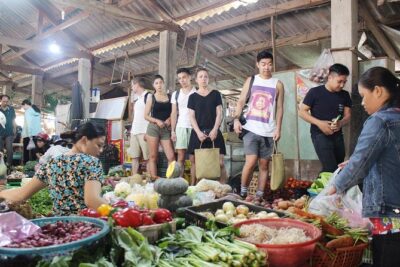
Cooking Class Hoi An:Local Market, Basket Boat, Fishing & Cooking
Read our review →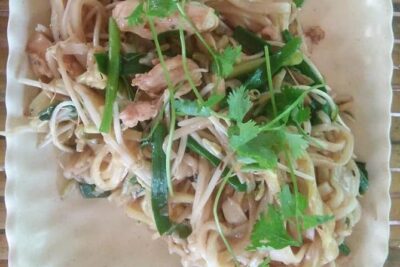
Hoi An Cooking Class(Market,BasketBoat Crabfishing&Cooking Class)
Read our review →
My Son Sanctuary Early Morning w. Champa Food Brunch
Read our review →
Ba Na Hills – Golden Bridge Deluxe Small group
Read our review →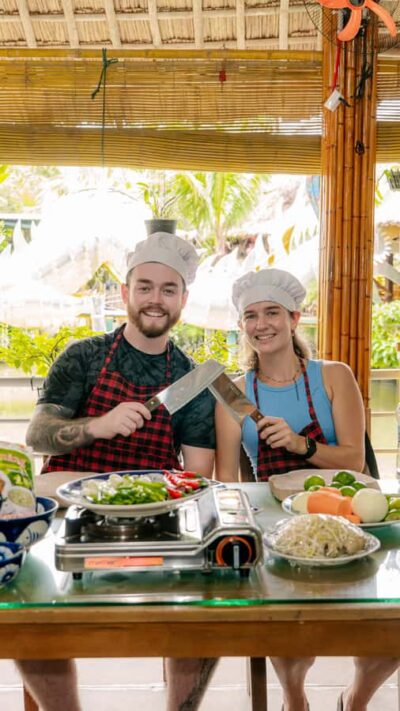
Market Tour, Basket Boat Ride and Cooking Class
Read our review →Browse the lists this tour appears in