
Reviewed · CITY TOURS
Private Ho Minh City Sightseeing Shore Excursion From Phu My Port
Ho Chi Minh City’s best moments often come between the famous sights: a cramped market lane, an old apartment block, a quiet temple, or a tiny bunker beneath a café. This private eight-hour tour mixes those everyday scenes with major landmarks, giving you a broad look at Saigon without sharing the vehicle with strangers.
I like the flexible itinerary, since you can spend more time at places that matter to you instead of following a rigid group schedule. I also like the chance to see Ban Co Market, Nguyen Thien Thuat apartment buildings, and the Secret Weapons Cellar, places that add local character beyond the standard postcard stops.
The main caution is the road from Phu My Port. It can take about 90 minutes to two hours each way, depending on traffic, so your time in central Ho Chi Minh City may feel shorter than the eight-hour tour title suggests. Your guide may need to cut stops to get you back to the ship on time.
Key points to know before booking
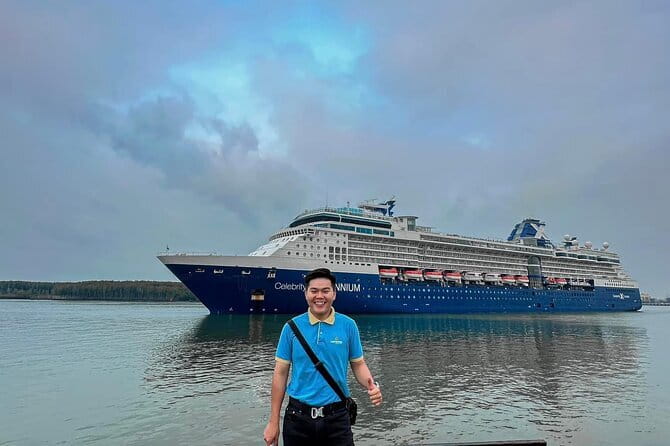
- Meet at the terminal gate: Take the port shuttle bus from the ship to the terminal gate, where your guide waits with a name board.
- Private vehicle and guide: Your group travels in an air-conditioned vehicle with an English-speaking guide, and no other group joins you.
- A good mix of old and new: The route can include the Central Post Office, Independence Palace, markets, temples, local neighborhoods, and modern towers.
- Traffic shapes the day: The long drive from Phu My Port means the guide may shorten the route if needed.
- Several entrance fees are extra: The War Remnants Museum, Independence Palace, and possible water bus ride are not included.
- Best for first-time visitors: You get a quick, varied introduction to Saigon, with room to request shopping, food, or specific sights.
From Phu My Port to the heart of Saigon
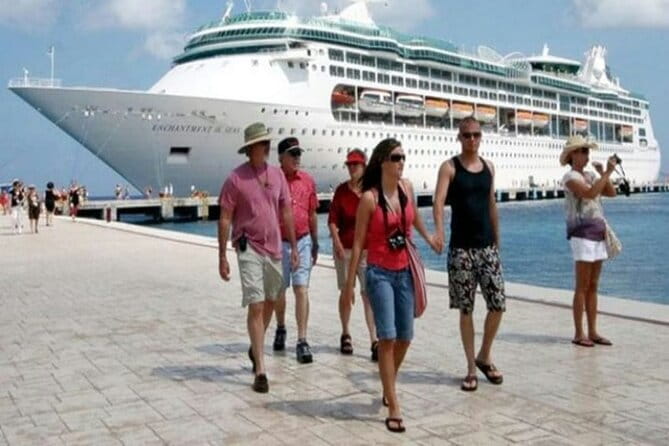
The first practical detail matters most: you do not meet the guide beside the ship. Take the shuttle bus to the terminal gate, then look for the name board. One port pickup review specifically warns against waiting by the ship, since the vehicle is outside the port gates.
Once you meet your guide, the drive begins. Phu My Port is a long way from central Ho Chi Minh City, and the return journey alone is listed at about one hour and 30 minutes. Traffic can stretch the trip closer to two hours, so I would treat the eight-hour duration as the full shore-excursion window, not eight full hours among city sights.
That long transfer is the trade-off for using a private tour from this port. A private vehicle is far more useful than trying to piece together local transport on a tight cruise schedule. Your guide can watch the clock, adjust the route, and take you back to the terminal gate rather than leaving you to solve the return trip.
The operator promises a punctual return and may shorten the itinerary if traffic or delays threaten your sailing. That is the right priority on a cruise day. You may not see every possible stop, but getting back to the ship matters more than squeezing in one last photo.
More shore excursions around Vietnam:
- Best of Private Ho Chi Minh City Shore Excursion from Cruise Port
★ 5.0 · 364 reviews - Private Ho Chi Minh City Shore Excursion from Phu My Port
★ 5.0 · 333 reviews - Phu My Shore Excursion: Best of Private Ho Chi Minh City Tour
★ 5.0 · 68 reviews
Saigon Central Post Office and French-era District 1
The Saigon Central Post Office is an easy opening stop. It sits downtown and gives you a quick look at Ho Chi Minh City’s French colonial influence. The planned visit is about 15 minutes, with no admission fee.
Do not expect a long guided museum visit here. This is a brief orientation stop, useful for seeing the building and getting your bearings in the center of town. It pairs naturally with Notre Dame Cathedral, though the cathedral visit may focus on the exterior depending on access and the day’s timing.
Notre Dame Cathedral Basilica of Saigon is planned for about 30 minutes, also without an admission charge. Its French design provides a sharp contrast with the city’s motorbike traffic, modern offices, and narrow commercial streets.
The route may also include City Hall, the Saigon Opera House, Nguyen Hue Boulevard, and the Saigon River. These central sights help you understand the city’s formal public face. Nguyen Hue is especially useful as a walking stop, since the broad boulevard feels very different from the small lanes and market streets visited later.
War Remnants Museum and Independence Palace
The War Remnants Museum is one of the most important stops, but it is also the most emotionally demanding. Its exhibits cover the First Indochina War and the Vietnam War, using photographs and objects to present Vietnam’s view of the conflicts.
The planned visit is 30 minutes, which is enough for a quick introduction but not enough for a slow examination of every room. If modern Vietnamese history is a major reason for your visit, tell the guide early that you want to protect this time. You pay the entrance fee separately, listed as 40,000 Vietnamese dong, or about 2 US dollars.
The museum can be difficult for children or anyone who finds wartime photography upsetting. Still, it gives useful context before you see the Independence Palace. I would not rush through it just to collect more sightseeing stops. One hour here could be more meaningful than several quick photo breaks.
The Independence Palace, also called the Reunification Convention Hall, is another central historical site. It was designed by Vietnamese architect Ngo Viet Thu and served as the home and workplace of South Vietnam’s president. The building is tied to the end of the Vietnam War and the fall of Saigon.
A 30-minute visit gives you a look at the main setting, but the palace rewards visitors who can spend longer inside. Admission is extra, listed at about 2 US dollars. With traffic already eating into the day, you may need to choose between a fuller palace visit and another neighborhood stop.
Ban Co Market and the city’s smaller streets
Ban Co Market gets its name from its chessboard-like street layout. It is a useful counterpoint to the better-known Ben Thanh Market, since the market serves everyday local needs rather than simply acting as a sightseeing landmark.
You might see fresh food sellers, wholesale goods, medicinal items, and small food vendors. The planned stop is 30 minutes, free of charge. That is long enough to walk through a section of the market, notice what people buy for daily life, and try a small taste if your guide points out something suitable.
This is the sort of stop I value on a private tour. You are not only looking at grand buildings. You are seeing how the city works at street level. At the same time, markets can feel crowded and visually intense, and the tour does not promise a specific food tasting. Ask your guide before buying anything if you are unsure what it is or how it is prepared.
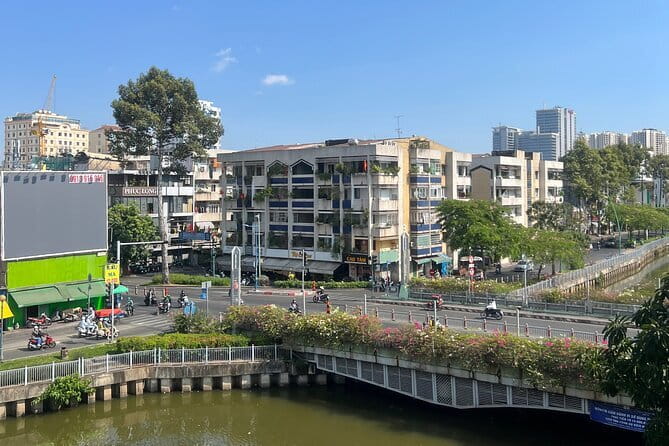
The Nguyen Thien Thuat apartment buildings offer another look at ordinary Saigon. These historic apartment blocks were built by Americans and sit in District 3. The planned visit lasts about 30 minutes and is free.
The stop is not a polished attraction. That is its point. You see an older residential side of the city, with architecture and daily routines that can be missed if you stay only around the central landmarks. Keep your expectations practical: this is a neighborhood visit, not a formal museum with displays and signs.
A few other Vietnam trips to compare
- Cu Chi Tunnels Tour from HCM City – Morning or Afternoon
★ 5.0 · 15,833 reviews - From HCM City: Mekong Delta Tour with Sampan Journey
★ 4.5 · 13,132 reviews - Ho Chi Minh City Street Food Tour & Sightseeing By Motorbike
★ 5.0 · 9,413 reviews - Mekong Delta Guided Tour from Ho Chi Minh City
★ 4.5 · 7,192 reviews
Cholon, Ba Thien Hau Temple, and Binh Tay Market
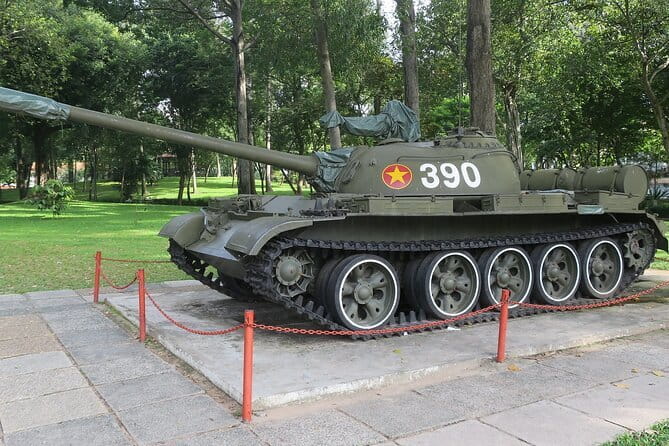
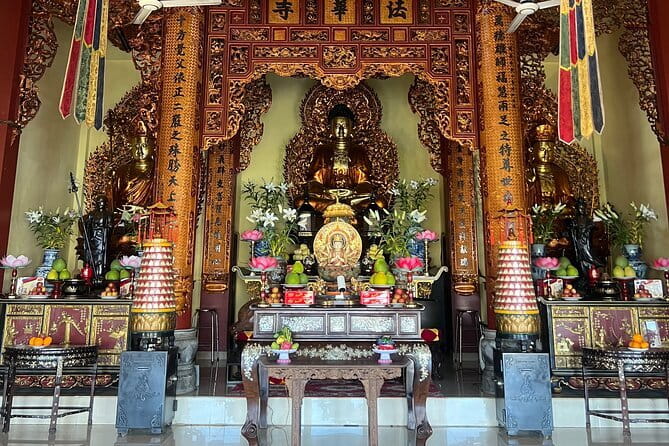
The route can head west to Cholon, Ho Chi Minh City’s Chinatown district. Ba Thien Hau Temple, officially the Tue Thanh Guildhall, is dedicated to Mazu, the Chinese goddess of the sea.
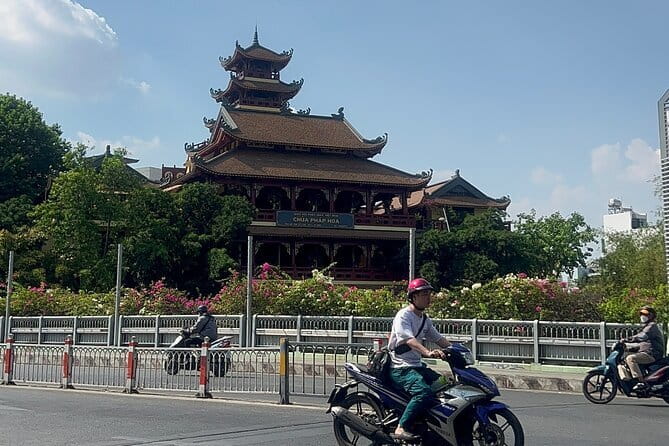
The temple visit is planned for 30 minutes and has no admission charge. Its Chinese-style design and religious setting add another layer to the city’s past and present. Take a quiet moment inside, since the atmosphere here differs sharply from the traffic outside.
Binh Tay Market may also be included. Built by the French in the 1880s, it sits in the center of Cholon and mainly serves local residents. That makes it a useful comparison with Ben Thanh Market in District 1, which is more familiar to international sightseers.
Because the itinerary is flexible, these Cholon stops may replace other locations if the day is running late. If you care most about temples and local markets, say so at the start. A private tour gives you a better chance of shaping the day than a large coach excursion.
The Secret Weapons Cellar and wartime Saigon
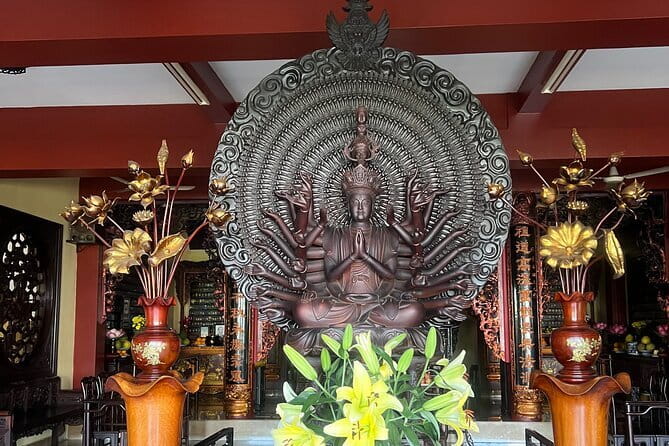
The Secret Weapons Cellar is one of the more unusual stops. Beneath a café in central Ho Chi Minh City, a concealed bunker once stored nearly two tonnes of Vietcong weapons used during the 1968 Tet Offensive.
The planned visit is 30 minutes and free. The space is small, so the value comes from the story and setting rather than the length of the visit. It connects a very ordinary-looking city building with a major moment in the war.
The tour may also include the Thich Quang Duc Monument, which recalls the Buddhist monk whose self-immolation in 1963 drew international attention to the political crisis in South Vietnam. The supplied schedule does not give a fixed visit length for this stop, so it may be a brief roadside pause.
These wartime locations work well alongside the War Remnants Museum and Independence Palace. You see the subject from different angles: a museum’s exhibits, a government building, and a concealed site in the middle of the city.
Saigon River, markets, and optional modern views
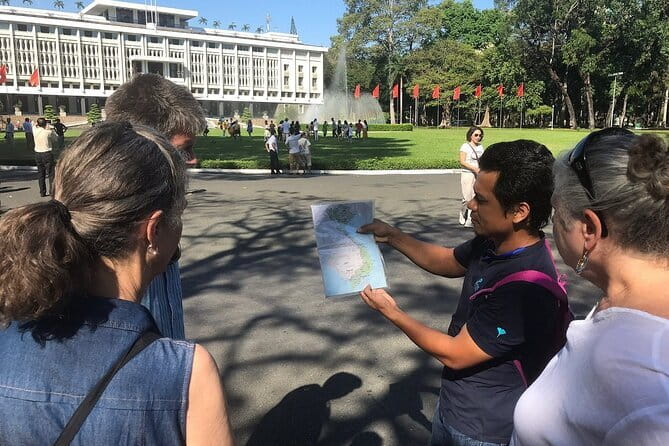
A ride along the Saigon River may be part of the day. The details are flexible, and a possible water bus ride costs extra, listed at about 1 US dollar. Ask your guide whether the river portion is running and how much time it will take before committing valuable sightseeing minutes.
Ben Thanh Market is another possible stop. It is in central District 1 and is one of the city’s oldest surviving market structures. It is an important city symbol and a convenient place for food, small purchases, and souvenirs.
Ben Thanh can be a useful final city stop, but it is not necessarily the best place for every purchase. Prices may vary, and the tour only includes shopping time rather than a set shopping benefit. If you prefer daily local trade, Ban Co or Binh Tay Market may feel more rewarding.
The schedule also lists Bitexco Tower and Landmark 81 as possible modern stops, but tickets are not included. These buildings offer city views if you want a high-up look at Saigon, yet a paid tower visit takes time. On a port day, I would choose this only if the view matters more to you than another historical or neighborhood stop.
Food, shopping, and how flexible the day really is
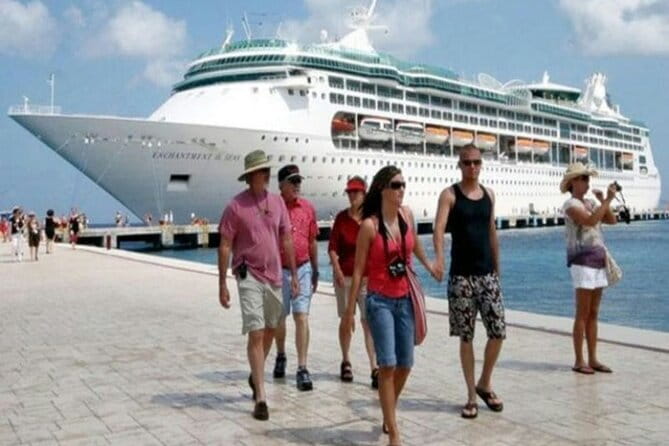
Meals are not included. The stated meal allowance is about 2 to 4 US dollars, but you pay for lunch yourself. One tour review describes a brief local lunch, and another praises the local food, so you can ask your guide for a simple meal during the day.
Do not assume a long restaurant stop. With the port transfer and the number of possible sights, lunch will likely need to be efficient. Tell the guide if you want food to be a priority, since the route can be adjusted.
Shopping may also be added. One account describes a visit to a large indoor market and another mentions a lacquer factory. If a sales-focused stop appears, be clear about how much time you want to spend there. One review felt too much time had gone to the lacquer visit, apparently with an expectation of shopping.
That is a useful reminder about private tours: flexibility works best when you speak up. At the start, name your top three priorities. For example, you might choose the War Remnants Museum, local markets, and the Secret Weapons Cellar. If you list every possible stop as essential, traffic will make the day frustrating.
Guides, vehicle, and the private-tour advantage
The tour includes an air-conditioned private vehicle and an English-speaking guide. The guide names associated with positive experiences include Kieran, Khoa, Lucus, and Happy, though your assigned guide may be different.
Kieran is described as friendly, good at English, and fun during a history-focused day. Khoa is praised for being personable, funny, caring, and able to explain Vietnam clearly. Lucus is described as positive and helpful, including during a rainy day. Happy is mentioned alongside the driver for an on-time port pickup.
The strongest pattern here is the human side of the tour. A good guide can turn a fast sequence of stops into a connected story, explain why a market matters, and help you decide what to skip when traffic builds. The included driver also matters, since you do not want to navigate Ho Chi Minh City roads while watching the clock.
The private format suits families, couples, and small groups with different interests. It is also useful for cruise passengers who want to ask questions or alter the route. Group discounts may be available, so the per-person cost can make more sense when several people share the vehicle.
Is $110.80 a fair price?
At $110.80 per person, this is not the cheapest way to see Ho Chi Minh City. The price includes private air-conditioned transport, an English-speaking guide, port pickup and drop-off at the terminal gate, government tax, and a flexible route.
The value depends heavily on group size. For one person, or a couple, the price feels substantial once you add museum and palace tickets, lunch, and any paid tower or water bus visit. For a family or small group, the private vehicle and direct port return can make the cost easier to justify.
You are also paying for time management. Phu My Port is far from the center, and a missed sailing is an expensive problem. A guide who understands the port routine and can shorten the route may be worth more than a cheaper city tour that leaves you arranging your own return.
The 98 percent recommendation rate and 4.9 rating from 52 reviews point to a strong record, especially for guide service, comfortable transport, and punctual pickup. Still, those figures do not remove the central drawback: traffic can reduce the time available in town.
Free cancellation is available up to 24 hours before the start time. Changes or cancellations inside that window are not accepted for a refund. A New Year holiday surcharge may also apply.
Who should book this shore excursion?
I would choose this tour if you want a broad first look at Ho Chi Minh City and do not want to manage transport from a distant port. It is especially suitable if you value a private guide, local markets, wartime sites, and the ability to request changes.
It is less suitable if you want a slow museum day, a long lunch, or a carefully paced visit to every landmark. The route offers many possibilities, but the drive from Phu My means you must accept compromise.
Before leaving the ship, decide which three stops matter most. Take the port shuttle to the terminal gate, meet the guide by the name board, and confirm the return time. If you do that, the day should give you a useful mix of Saigon’s history, streets, markets, temples, and modern city life.
FAQ
Where does pickup take place at Phu My Port?
Take the shuttle bus from the ship to the terminal gate. The guide will wait there with a name board. Do not wait beside the ship for the tour vehicle.
How long is the Ho Chi Minh City shore excursion?
The tour lasts about eight hours, including transportation. The return trip from Ho Chi Minh City to Phu My Port takes about one hour and 30 minutes, and traffic can make the overall drive longer.
Is this a private tour?
Yes. Only your group participates, and the tour uses a private air-conditioned vehicle.
What is included in the tour price?
The price includes private transportation, an English-speaking guide, pickup and drop-off at the terminal gate, government tax, and a flexible itinerary.
Are entrance fees and meals included?
No. The War Remnants Museum, Independence Palace, possible water bus ride, and meals cost extra. Listed estimates are about 2 US dollars for each museum or palace, 1 US dollar for the water bus, and 2 to 4 US dollars for a meal.
Can the itinerary be changed?
Yes. The itinerary is flexible, and the exact number of stops depends on the time available. The guide may shorten the route to make sure you return to the port before departure.
What is the cancellation policy?
You can cancel up to 24 hours before the experience starts for a full refund. Cancellations or changes made less than 24 hours before the start time are not accepted for a refund.
Newly listed around Vietnam
- Hanoi: Halong Bay Cruise, Amazing Cave, Titov Island & Kayak★ 4.2 · 39 reviews
- VIP Limousine: Hoi An to Hue Trip★ 4.0 · 39 reviews
- Half Day Cat Cat Village Tour Guided from Sapa★ 5.0 · 39 reviews
- 2Days-1Night Halong Bay Luxury Genesis Regal Cruises★ 4.5 · 39 reviews
- Ninh Binh 1 Day Tour(Tam Coc – Mua Cave – Bich Dong)★ 5.0 · 39 reviews
- Hoi An Ancient Town And Countryside Tour Full Day★ 5.0 · 39 reviews
- 8 days 360° Vietnam Adventure from Hanoi★ 5.0 · 39 reviews
- Ho Chi Minh City’s most delicious street food tour by motorbike★ 5.0 · 39 reviews
City Tours, compared.

Cu Chi Tunnels Tour from HCM City – Morning or Afternoon
Read our review →
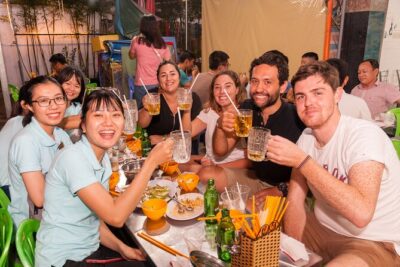
Ho Chi Minh City Street Food Tour & Sightseeing By Motorbike
Read our review →
Mekong Delta Guided Tour from Ho Chi Minh City
Read our review →
Private Street Food Evening Walking Tour in Ho Chi Minh City
Read our review →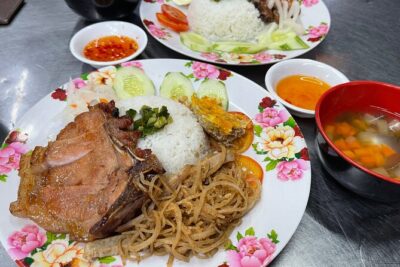
Top Notch Street Food Motorbike Tour In Ho Chi Minh City
Read our review →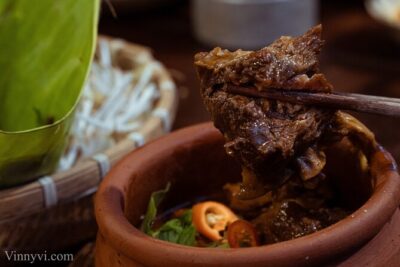
Private Street Food Motorbike Tour in Ho Chi Minh City
Read our review →
Cu Chi Tunnels Experience from Ho Chi Minh City
Read our review →Browse the lists this tour appears in