
Reviewed · DA LAT TOURS
Dalat: Extreme Canyoning Adventure
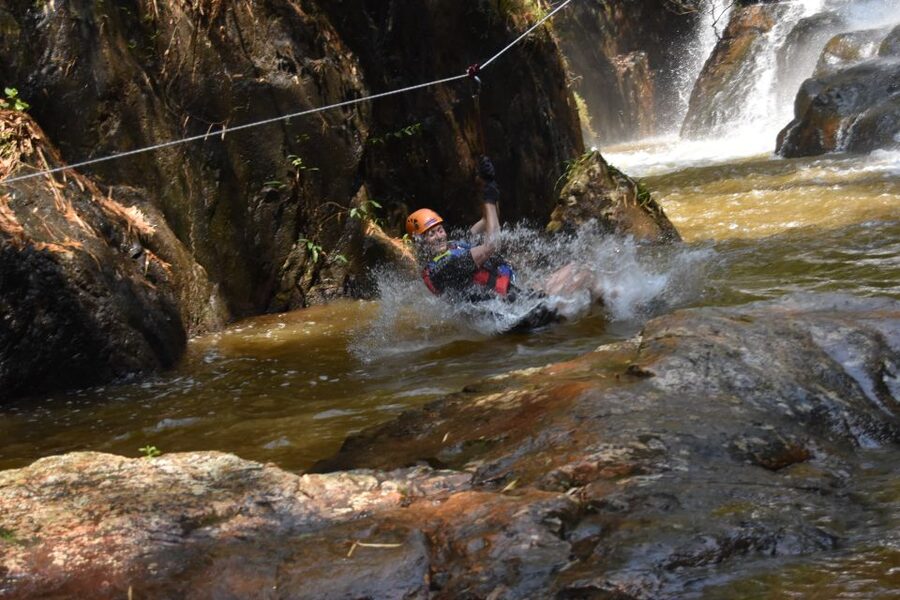
Dalat’s canyoning day takes you straight into the roughest, wettest corner of the city’s surroundings. You’ll rappel down waterfalls, slide over smooth rock, swim in natural pools, and walk through thick forest. This is not a sightseeing trip with a short thrill added on. The adventure is the whole point.
I like the small-group approach, which lets guides such as Lan, Vin, Long, Tim, and KD give clear instructions and keep the day moving. I also like the range of activities: the 100-meter zipline and natural slides break up the abseiling, so the day never feels repetitive.
The main drawback is physical demand. An 8-kilometer jungle trek, wet equipment, slippery rock, and several rope descents make this a poor fit for non-swimmers, people with limited mobility, pregnant women, anyone with heart problems, or children under 10.
Key points at a glance
- Three waterfall descents: One dry 18-meter cliff and two wet descents, including a 25-meter waterfall and the Washing Machine.
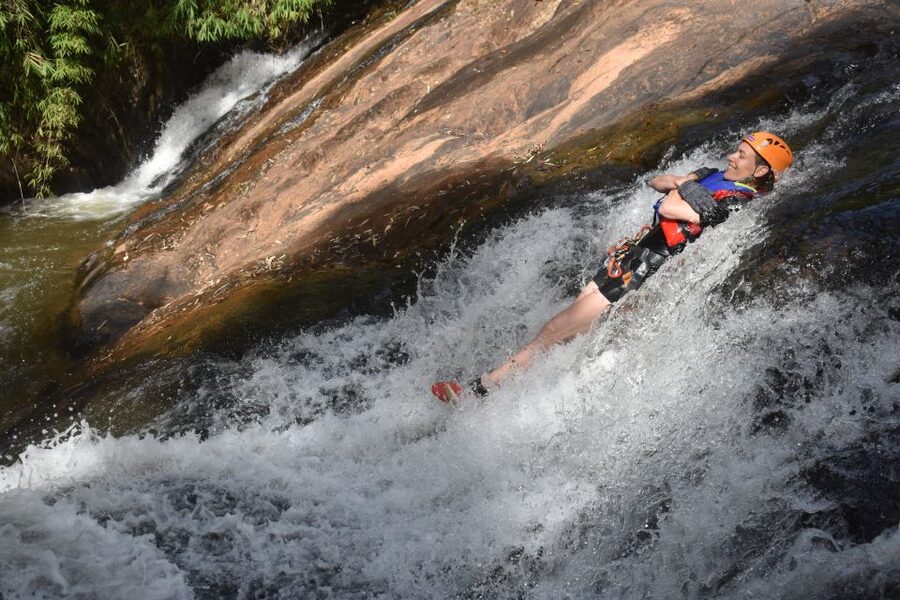
- More than abseiling: You’ll also use a 100-meter forest zipline, two natural rock slides, and natural swimming pools.
- Training comes first: Guides run practice sessions before the main descents, a big help if this is your first canyoning trip.
- Small groups matter: Smaller departures mean less waiting and more direct help at each cliff.
- Useful inclusions: Hotel pickup and drop-off, equipment, entry to Datanla Waterfall, a professional guide, and travel insurance are included.
- Bring very little: Pack socks, a change of clothes, and a camera. Alcohol and drugs are not allowed.
Why Dalat is built for canyoning
Dalat sits in Vietnam’s Central Highlands, where steep forested valleys and fast-moving water have cut channels through the rock. Around Datanla Waterfall, those natural drops create a useful sequence of adventure stops rather than one isolated waterfall viewed from a platform.
That setting explains why canyoning has become one of the main reasons foreign visitors add an extra day to Dalat. You are not simply looking at a waterfall from a distance. You use ropes to get down beside and through the falling water, then continue on foot or by slide.
The activity feels very different from a standard waterfall excursion. At several points, the river is your route. You follow it through gorges, pools, and polished rock, with the forest close around you. The scenery is attractive, but the real appeal is the changing rhythm: training, walking, rappelling, swimming, sliding, and then another walk.
The tour costs $73 per person. That is not a cheap half-day activity by Vietnamese standards, but the fee covers much more than admission. You are paying for transport, a full set of technical gear, trained staff, the Datanla entry ticket, insurance, and several hours of guided activity. If you tried to arrange comparable equipment and instruction independently, the convenience would disappear quickly.
More canyoning trips around Dalat:
- Dalat: Canyoning Extreme Adventure Vietnam
★ 4.9 · 178 reviews - Canyoning Da Lat Vietnam
★ 5.0 · 2,063 reviews - Full Day Canyoning Activity in Da Lat with Lunch
★ 5.0 · 1,577 reviews
Pickup and preparation at Datanla Waterfall
The day begins with hotel pickup and finishes with hotel drop-off. That matters in Dalat, where organizing transport to an outdoor site can otherwise take time and leave you worrying about the return journey while you are still wet and tired.
At the activity area, you receive the canyoning equipment. The supplied kit includes the gear needed for the descents, and participants also describe being given helmets, life jackets, gloves, wetsuits, and canyoning shoes. Bring swimwear underneath if you have it, but the practical essentials listed for the day are socks, a change of clothes, and a camera.
The guides do not send you straight to the first waterfall. You begin with a safety briefing and practice runs on a dry section. This is one of the strongest parts of the experience, especially for first-timers. You learn how to handle the rope, position your feet, control your descent, and listen for instructions before the height and water are added.
Guides are trained and have more than five years of experience. The English level is generally strong, with guides including Lan, Vin, Long, Tim, KD, Dalan, Binh, and others leading groups in English or Vietnamese. Names and pairings can change, but the useful point is that you should expect direct explanations rather than a quick demonstration followed by guesswork.
Take the practice seriously. It is not filler before the exciting part. Good rope technique saves your arms and gives you more confidence when the rock becomes wet.
The 18-meter dry cliff builds your nerve
The first main descent is a dry cliff of about 18 meters. This is the logical starting point because you can focus on the rope and your body position without also dealing with falling water.
Even at 18 meters, the height may feel serious if you have never abseiled. The guides stay close, explain what to do, and help you move steadily. You should expect the first few steps over the edge to be the hardest part mentally. After that, the task becomes simple: lean back, keep your feet against the rock, and lower yourself at a controlled pace.
This first cliff also shows you how the tour handles safety. Instructions are repeated before each descent, and guides position themselves at the start and finish points. Several participants describe feeling secure throughout the day, which is especially important when the activity is designed to push you outside your usual comfort zone.
Do not confuse feeling safe with feeling relaxed. You will still have to work. Your legs and hands take strain, and the harness can become uncomfortable over time. The safety system reduces the risk, but it does not remove the physical effort or the need to follow instructions.
The 25-meter waterfall is the signature descent
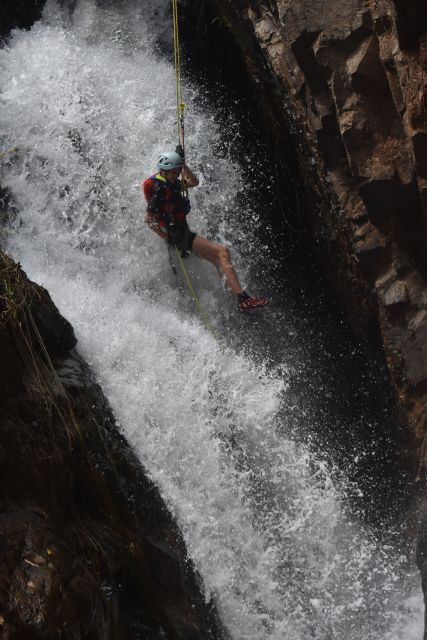
The wet abseil down the 25-meter waterfall is the moment most people picture when they hear Dalat canyoning. Here, you rappel while water runs over or beside you, depending on the conditions and the line chosen by the guides.
This descent feels more dramatic than the dry cliff for several reasons. The rock is slick, the sound of the water fills the gorge, and your clothes and equipment quickly become wet. The height is not extreme by specialist canyoning standards, but it is enough to create a strong rush for a first-time participant.
Listen carefully to the briefing before stepping onto the rock. Water can make it harder to hear, and the safest technique is not always the one that feels most natural. Move slowly, keep your weight in the harness, and avoid rushing simply because people are waiting above.
The wet descent is also where the setting becomes most memorable. Instead of standing at a lookout and taking a picture of Datanla Waterfall, you enter its working environment. You feel the spray, see the rock up close, and reach the pool at the bottom under your own control.
A few other Dalat trips to compare
- Dalat: Three Waterfalls Small Group Tour – Alpine Coaster
★ 4.9 · 1,256 reviews - Dalat: 3 Waterfalls Day Tour — Datanla, Pongour & Elephant
★ 4.9 · 931 reviews - Dalat: Go Kart – Mongo Land – Countryside Small Group
★ 5.0 · 600 reviews - Dalat: Countryside Tour with Silk Village & Elephant Falls
★ 5.0 · 300 reviews
The Washing Machine brings the biggest jolt
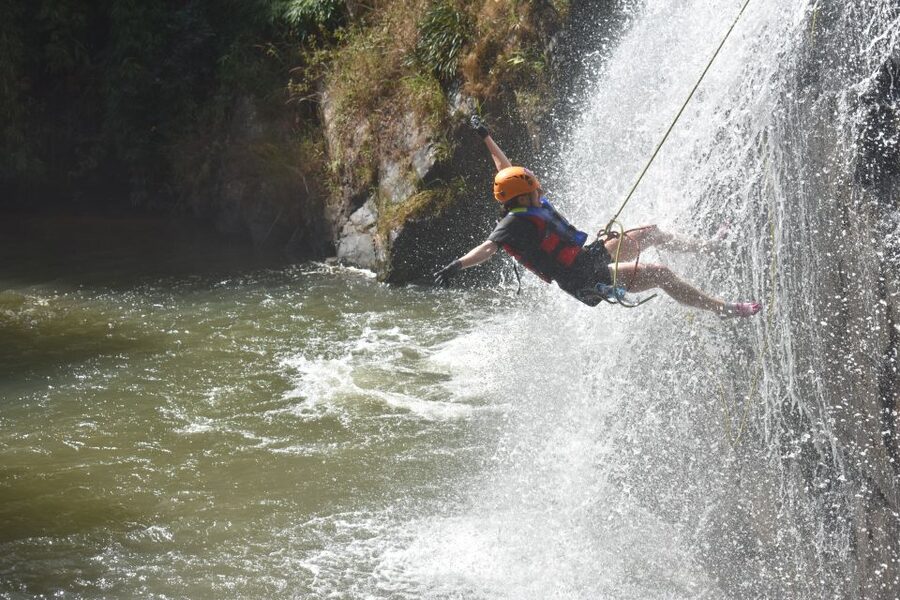
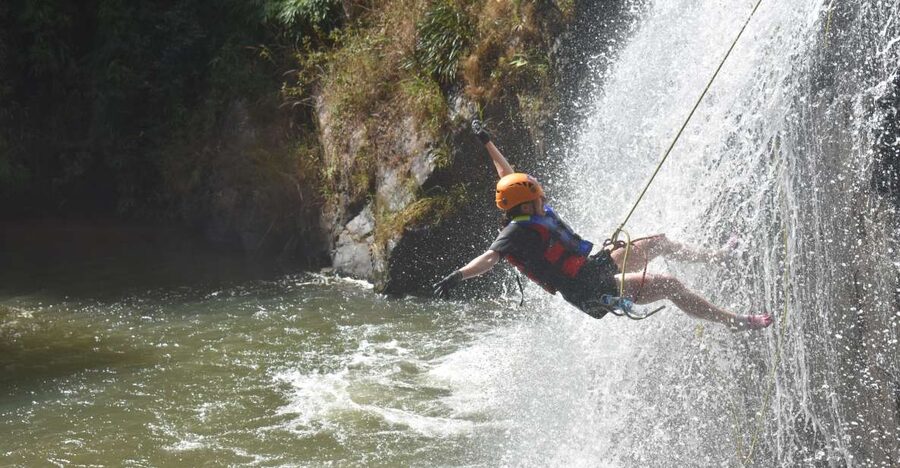
The Washing Machine is the second wet cliff and the most intimidating part of the route for many people. Its name gives you a fair warning: expect moving water and a more forceful finish than on a calm rappel.
This section combines rope work with the energy of the waterfall. The guides give specific instructions before you start, and they remain nearby to help at the exit. You need to pay close attention here, since the water can turn a straightforward movement into a sudden wobble.
The attraction is the controlled exposure to something that looks wild. You are not simply jumping into turbulent water without help. You are secured, briefed, and guided through the section. Still, it is not a gentle attraction, and anyone nervous around water should think carefully before booking.
If you are unsure, tell the guide before the descent. The activity is built around instruction, and clear communication gives the staff a better chance to help you manage the route.
Zipline and natural rock slides keep the pace lively
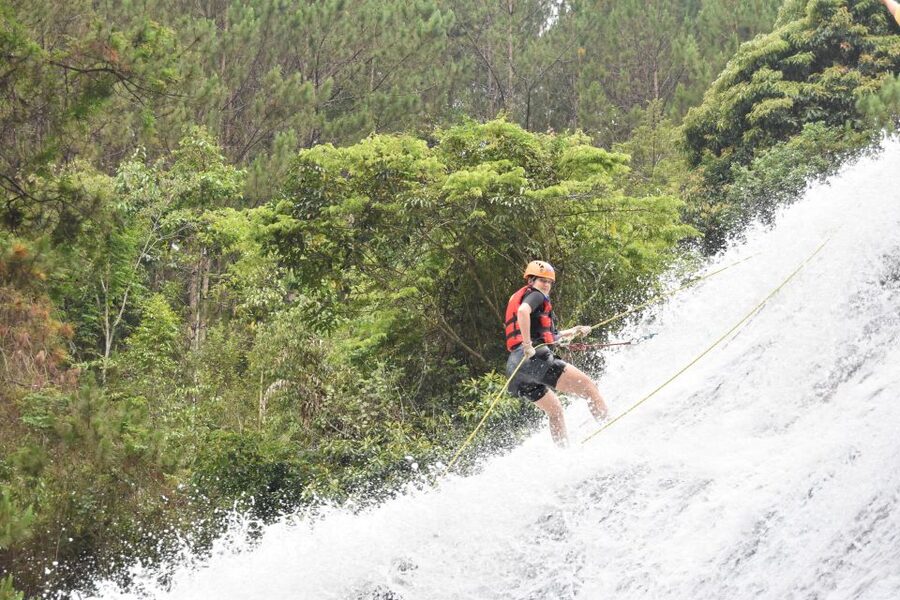
The 100-meter zipline runs through the forest canopy. It offers a change from the close concentration of rappelling. You clip in, cross above the forest, and get a short burst of speed without the same rope-control work required on the cliffs.
The two natural water slides are carved into smooth rock by flowing water. These are not manufactured amusement-park slides, and that difference is the charm. The route follows the shape of the river, with water doing the work as you move down the rock.
The slides are also a reminder that canyoning is not a collection of unrelated stunts. The gorge itself supplies the activities. Rock becomes a slide, a waterfall becomes a descent, and a pool becomes a swimming stop.
Some people will enjoy the slides more than the rappels. Others will find the rope descents more satisfying. The variety makes the tour a good choice for a mixed pair or small group, since you get several kinds of challenge in one outing.
Eight kilometers of jungle walking link it all together
Between the water sections, you trek through the forest for about 8 kilometers. This is a real part of the tour, not a short stroll between attractions.
The walk gives you time to dry a little, catch your breath, and see the wider setting around the gorge. You pass through thick natural terrain and follow the contours of the valley. After the intense rope sections, the walking can feel like a welcome reset. Later, when your clothes are heavy and your legs are tired, it can feel like work.
That mix is worth understanding before you book. The tour is not suitable if you want a quick waterfall activity with minimal exertion. You need enough stamina for repeated activity over several hours, and wet shoes can make the trek less comfortable.
Socks are specifically recommended, so pack them rather than assuming your usual footwear will be enough. A change of clothes is essential for the ride back to your hotel. Keep your camera protected, since the day involves water from start to finish.
Swimming gives you a quieter break
The route includes free time for swimming in natural pools. This is the calmest part of the day and a chance to appreciate the water without a rope or slide attached.
You should still treat the pools with care. The tour is not suitable for non-swimmers, and life jackets are part of the equipment described by participants. Follow the guide’s directions about where to enter and how far to move from the group.
For strong swimmers, the pools provide a pleasant pause. For less confident swimmers, they may be the point where you decide to stay close to the guide and use the flotation gear fully. You do not need to prove anything by taking unnecessary risks.
The swimming section also helps break up the adrenaline. A day made only of descents could become tiring and repetitive. The quiet water, forest, and pause in the schedule give your body a chance to recover before the next activity.
Small groups make a measurable difference
Group size is one of the most important practical details here. Smaller groups mean fewer people waiting at the top of a cliff and less pressure to hurry through a descent.
Participants describe groups as small enough to have two guides looking after only a few people. Some departures have had just two or three participants. That setup allows one guide to stay with the person starting a descent while another waits at the bottom, gives instructions, or prepares the next stage.
A larger group would not necessarily make the activity unsafe, but it could make the day feel less personal and add more waiting. The small-group format is especially valuable for first-time canyoners, couples, and anyone who wants time to ask questions.
Guides also take photos and videos during the day, then send them to participants afterward. This is a useful extra because handling a camera while clipped to a rope or moving through a waterfall is not practical. You can focus on the activity and still leave with pictures.
Lunch and the extra Roller Coaster
A simple lunch has been included on some departures, with descriptions of banh mi, fruit, or a meal at a local restaurant. Since lunch is not listed among the formal inclusions, confirm the current arrangement before booking rather than treating it as guaranteed.
The Roller Coaster is not included. It is an optional extra with a separate fee, so you can skip it without losing the main canyoning experience. The core tour already fills the day with rope work, water, walking, ziplining, and slides.
This is a good place to keep your budget clear. The $73 price covers the main canyoning program, but the optional ride and any personal food or drink costs may be extra.
Who should book this adventure?
You should book if you want an active way to see Datanla Waterfall and do not mind getting wet, tired, and muddy. It suits confident swimmers, nature lovers, and first-time abseilers who are willing to listen carefully and try something unfamiliar.
It is also a strong choice if you are traveling with a partner or friend and want a shared challenge rather than a passive day out. The different activities mean you are likely to have a favorite section, even if one descent makes you nervous.
You should skip it if you have a heart condition, limited mobility, are pregnant, cannot swim, or are bringing a child under 10. Baby carriages are not allowed, and alcohol and drugs are prohibited.
Wear practical swimwear and bring dry clothing. Do not arrive expecting a polished amusement ride. This is an outdoor activity shaped by water, rock, weather, and your own fitness.
Is $73 good value?
For a standard waterfall visit, $73 would be expensive. For a guided canyoning day with transport, equipment, insurance, entry fees, instruction, and several separate activities, the price is easier to justify.
The strongest value comes from the training and supervision. You are not paying only for access to the gorge. You are paying for the ropes, helmets, flotation gear, wetsuit, shoes, guides, and the systems that allow a beginner to attempt a 25-meter waterfall with proper support.
The small-group format improves the value again. Less waiting means more time moving through the route, and some small groups have been able to repeat sections when time allowed. If your group is larger, the experience may feel slower.
The optional Roller Coaster is not necessary. I would spend the money on the canyoning itself, then decide about the extra ride only if you still have energy and want another paid attraction.
Should you book Dalat Extreme Canyoning?
Book this tour if you want Dalat’s most physical, hands-on outdoor experience and you meet the health and swimming requirements. The combination of waterfall abseiling, natural slides, a zipline, swimming, and jungle trekking offers far more variety than a simple waterfall stop.
I would especially recommend it to first-time canyoners who are nervous but curious. The practice session, clear instructions, and small groups give you a sensible introduction. Just remember that feeling safe does not mean the day will be easy.
If you dislike heights, strong water, long walks, or wet clothes, choose a gentler Dalat outing. For everyone else, this is a well-packed adventure with trained English-speaking guides and strong value for an active day.
FAQ
How much does the Dalat canyoning tour cost?
The tour costs $73 per person.
What activities are included?
You can expect three abseils, a 100-meter zipline, two natural water slides, an 8-kilometer jungle trek, and free time for swimming in natural pools.
How high are the main descents?
The tour includes one dry 18-meter cliff and two wet descents, including a 25-meter waterfall and the Washing Machine.
Is hotel transportation included?
Yes. Hotel pickup and drop-off are included.
Is canyoning equipment provided?
Yes. All canyoning equipment is included. Participants also describe receiving wetsuits, canyoning shoes, gloves, helmets, and life jackets.
Is the Roller Coaster included?
No. The Roller Coaster is optional and requires an extra fee.
Who should not join this tour?
The activity is not suitable for children under 10, people with heart problems, pregnant women, people with mobility impairments, or non-swimmers.
What should I bring, and can I cancel?
Bring socks, a change of clothes, and a camera. You can cancel up to 24 hours in advance for a full refund.
Newly listed around Dalat
- Da Lat Loop Tour On Private Car★ 4.9 · 40 reviews
- Trekking to Hidden Waterfall & Sturgeon Farm for dog-lovers★ 4.8 · 43 reviews
- Dalat: Sunrise Trekking and Cloud Hunting experience★ 4.9 · 43 reviews
- Da Lat: Datanla New Alpine Coaster Experience Entry Ticket★ 3.6 · 44 reviews
- 7-hour Datanla waterfall, Clay Tunnel and Holy See temple★ 4.7 · 47 reviews
- Da Lat: Half-Day Morning Datanla + Clay Tunnel + Crazy House★ 4.8 · 50 reviews
- Dalat: MOTORBIKE TOUR TO PONGOUR FALLS- SILK- COFFEE FARM★ 4.9 · 52 reviews
- Dalat City Tour with Cable Car, Alpine Coaster & Clay Tunnel★ 4.9 · 60 reviews
Da Lat Tours, compared.
Da Lat Countryside Minivan Shared Tour (Three Waterfalls)
Read our review →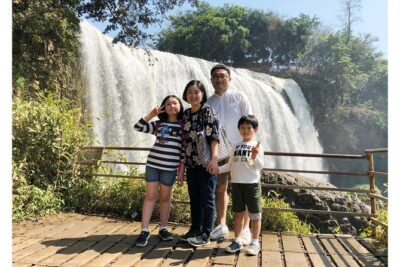
3 Waterfalls Tour (Datanla – Elephant – Pongour)
Read our review →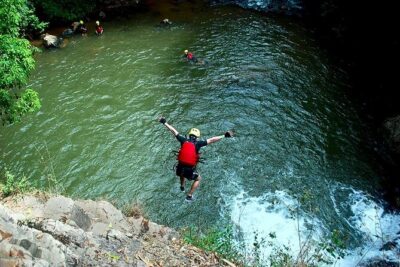
Full Day Canyoning Activity in Da Lat with Lunch
Read our review →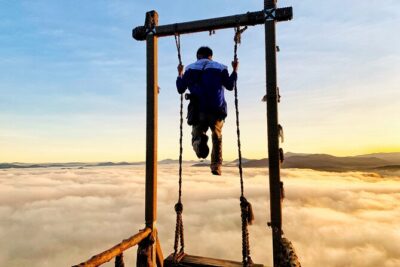
Cloud Hunting and The Glow of Dawn in Da Lat 4:00 – 10:00 AM
Read our review →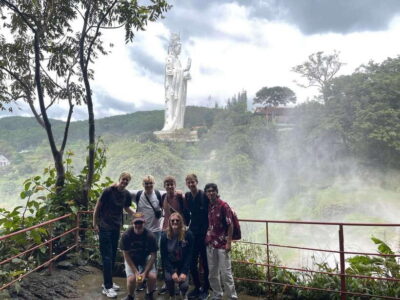
Three Waterfalls Small Group Tour – Alpine Coaster
Read our review →
Full Day Exploring Tour with Langbiang -Crazy House- Datanla Fall
Read our review →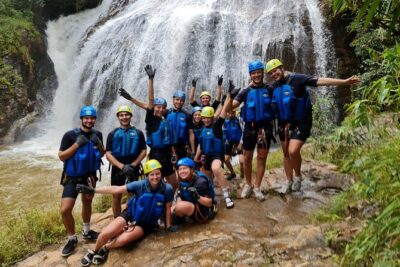
Browse the lists this tour appears in