
Reviewed · HUE TOURS
DMZ TOUR HUE – Deluxe group tour full day
The former Vietnamese DMZ is not a quick side trip from Hue. It is a long day into the country’s wartime past, with stops at Quang Tri Citadel, Khe Sanh, the Ho Chi Minh Trail, Hien Luong Bridge, and Vinh Moc Tunnels. The sites are spread far apart, so the minibus becomes your classroom between visits.
I like the small maximum of 12 people and the way a strong guide, such as Hoa or Thuan, can turn long drives into useful history lessons. I also like that entrance fees, lunch, hotel pickup, bottled water, and travel insurance are included. The catch is simple: you may spend most of the day on the road, and bad weather can force a shortened route or cancellation.
Key points before you book
- Khe Sanh and the Ho Chi Minh Trail: See one of the war’s best-known combat areas and the route network that supplied forces in the south.
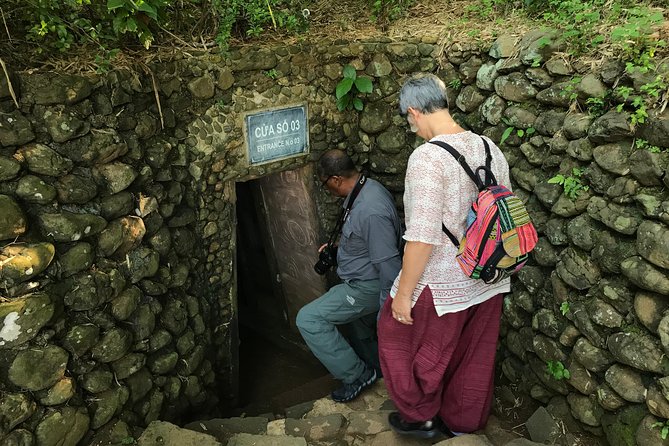
- Vinh Moc Tunnels: Walk through a civilian tunnel complex that offers a different experience from the better-known Cu Chi Tunnels.
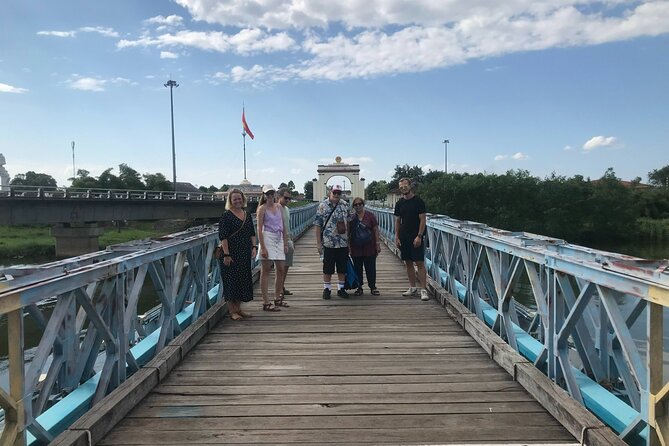
- Hien Luong Bridge and the Ben Hai River: Visit the former dividing line between North and South Vietnam.
- A small group of up to 12: A compact group gives you more room to ask questions and hear the guide.
- A 7:30 am start from central Hue: Hotel pickup saves time, but the early departure and late return make this a demanding day.
- Price of $49: The cost is fair if you want to cover distant sites in one day, but less appealing if you dislike long drives.
Why the DMZ makes a worthwhile day trip from Hue
Hue is famous for imperial palaces and royal tombs, but the region also sits close to some of the most important places connected with the Vietnam War. The former DMZ was created after the 1954 Geneva Agreements divided Vietnam into North and South along the Ben Hai River.
That boundary was meant to be temporary. Instead, it became one of the most heavily contested areas of the war. The road from Hue takes you through central Vietnam toward Quang Tri Province, where villages, bridges, military bases, tunnels, and supply routes still carry the marks of that period.
I find the route valuable because it shows more than one side of the conflict. You see military installations such as Khe Sanh, but also civilian survival spaces such as Vinh Moc. The guide can explain how the border worked, why the area mattered, and how ordinary people lived through years of bombing and disruption.
This is not a polished museum circuit. Some sites are quiet and rough around the edges. One former airstrip can be difficult to make out when weeds have grown over it, and some visitors may find the lack of memorials or interpretation at certain military sites disappointing. You are visiting real places with uneven presentation, not a carefully staged historical park.
A few other Hue trips to compare
- Hue City Tour Full Day – Group Tour
★ 4.7 · 518 reviews - From Da Nang/Hoian/Hue: Hue Imperial City Full-Day Tour
★ 4.8 · 295 reviews - Hue City Full-Day Tour
★ 5.0 · 261 reviews
The long road west from Hue
Pickup begins at about 7:30 am from hotels in central Hue. The vehicle is air-conditioned, and the group is limited to 12 people. That is a sensible format for a route this long, since a smaller group makes it easier to hear the guide and get in and out of the vehicle without wasting time.
The drive is a major part of the experience. Khe Sanh is roughly two to three hours from Hue, and some people find that the day is about 75 percent driving. I would not book this trip expecting a relaxed sightseeing loop with frequent short stops.
The good news is that the guide can use the journey well. Guides including Hoa, Thuan, Linh, Nam, and Nhoc have been praised for clear English and for explaining the conflict before you reach each site. Hoa, in particular, is known for combining wartime facts with stories about Vietnam after the war and, in some cases, personal family connections to the period.
You should still expect periods when you simply rest in the minibus. That is not a flaw in the guide. The sites are far apart, and seeing them in one day requires road time.
Quang Tri Citadel and the Horror Highway
The first major stop is Quang Tri Citadel. The citadel became a symbol of the fighting in Quang Tri, especially during the long battle for the city in 1972. A visit here helps establish the scale of the conflict before you move farther west.
The route also touches the area known as the Horror Highway, a stark name connected with the mass deaths and destruction suffered by civilians along Highway 1. This part of the day is important because it shifts attention away from military units and battle plans. The war was not only fought at bases and front lines. Roads used by families, refugees, and supply vehicles could become deadly corridors.
The stop is listed at about 30 minutes, so do not expect an extensive exploration. Your guide’s explanation matters here. Without context, a short visit to an open site can feel thin. With a clear account of what happened, the stop becomes a useful introduction to the human cost of the war.
Khe Sanh Combat Base and the Ho Chi Minh Trail
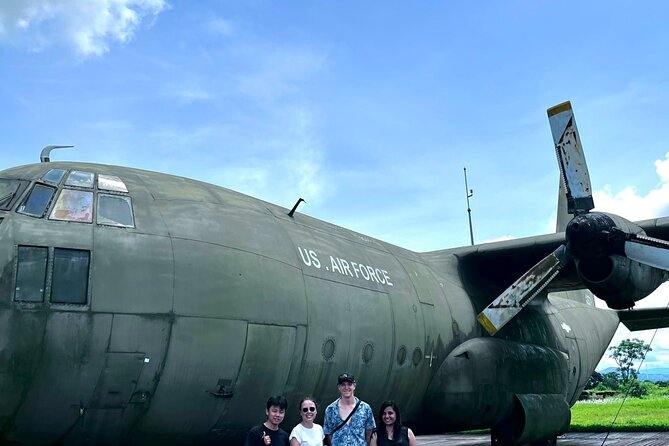
Khe Sanh is the emotional center of the trip for many people interested in military history. The former combat base was the scene of intense fighting and heavy bombardment. Today, the remains are more modest than the name might suggest, which can surprise you.
You may see remnants connected with the base, former airstrip areas, military displays, and relics from the fighting. The exact condition of the site can vary. Overgrown sections may make parts of the old base difficult to identify, and the presentation may feel less formal than you expect from a major battlefield.
That roughness has two sides. It can make the site feel more authentic, but it can also leave you wanting clearer signs, better maintenance, or a stronger memorial to those who died. If you expect a large, carefully organized war museum, adjust your expectations.
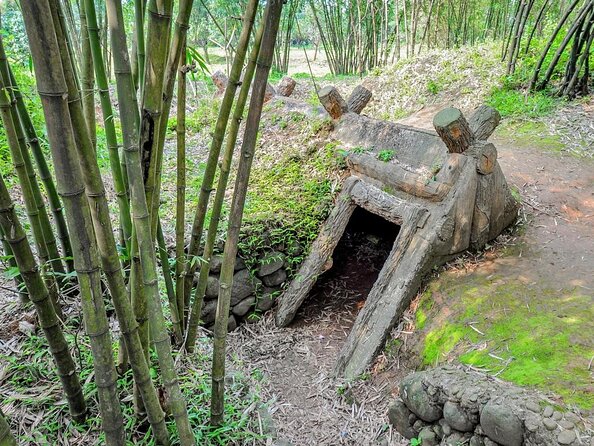
The itinerary also includes Dakrong Bridge and an introduction to the Ho Chi Minh Trail network. Dakrong was considered an important beginning or access point for the trail system, which carried people and supplies through difficult terrain during the war. The guide’s explanation is especially useful here because the physical remains alone do not tell the full story.
This section of the route gives you a sense of how geography shaped the war. Roads, bridges, ridges, and river crossings were not simply scenic features. They affected movement, supply, defense, and the daily risks faced by soldiers and civilians.
Weather matters greatly at Khe Sanh and along the western route. Heavy rain can make roads unsafe, create flooding, and lead to the Khe Sanh section being canceled. If that happens, the day may feel rushed as the group tries to return to Hue safely. The operator offers a new date or full refund when poor weather cancels the experience, but conditions can still affect the day’s route.
Same base, a completely different day:
- Hue to Hoi An ( Hoi An to Hue) Top Gear with Lefamily Riders Tours ( 1 way)
★ 5.0 · 3,156 reviews - Easy Rider private tour via Hai Van pass from Hue – Da Nang – Hoi An (1Way|Loop)
★ 5.0 · 1,542 reviews - Hue Customizable Tour with Imperial Citadel & Forbidden City
★ 4.9 · 937 reviews - Imperial City, Hue: Day Tour from Hoi An and Da Nang
★ 4.6 · 830 reviews
Hien Luong Bridge and the Ben Hai River
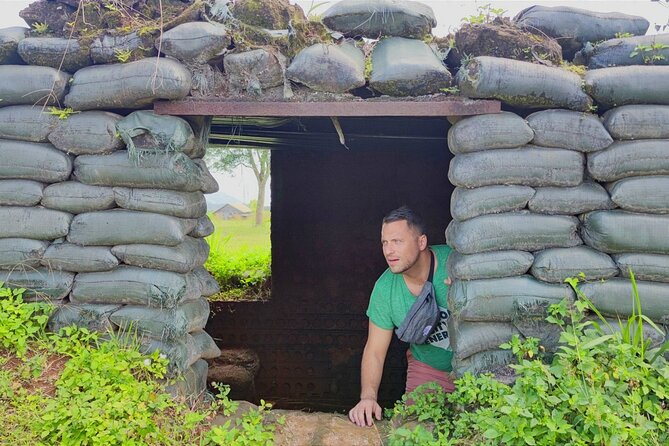
After the western section, the route returns toward the former dividing line at Hien Luong Bridge and the Ben Hai River. This is one of the clearest places to understand how Vietnam was physically split after 1954.
The bridge and river are more than scenic stops. They represent the political division between North and South, a division that shaped families, travel, military planning, and international involvement. Your guide can explain how the border functioned and why the area became so heavily contested.
The stop also gives the day a useful change of focus. Khe Sanh is about a battlefield and military strategy. Hien Luong is about separation and politics. Together, they show why this narrow part of Vietnam became so important.
Allow roughly an hour for this part of the itinerary. That gives you time to listen, look around, and connect the physical setting with the larger story. The stop is not only for people who already know the war well. A good guide can make the timeline easier to follow, especially if you are sorting out the Geneva Agreements, the division of Vietnam, and the later escalation.
Vinh Moc Tunnels, where civilians lived underground
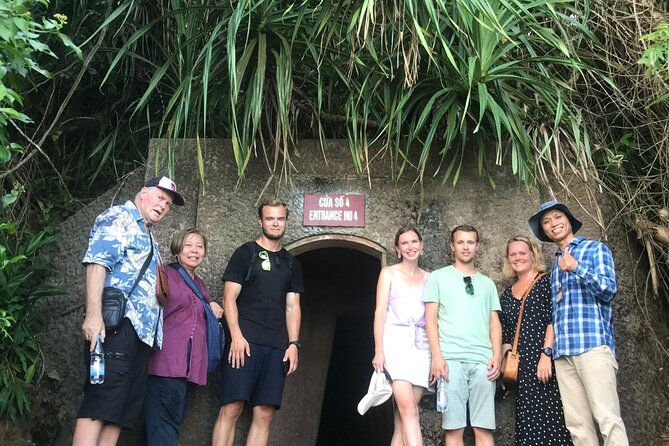
Vinh Moc Tunnels are one of the strongest reasons to choose this trip. The tunnels are sometimes overlooked by people who visit Vietnam’s more famous Cu Chi Tunnels, but they offer a different lesson.
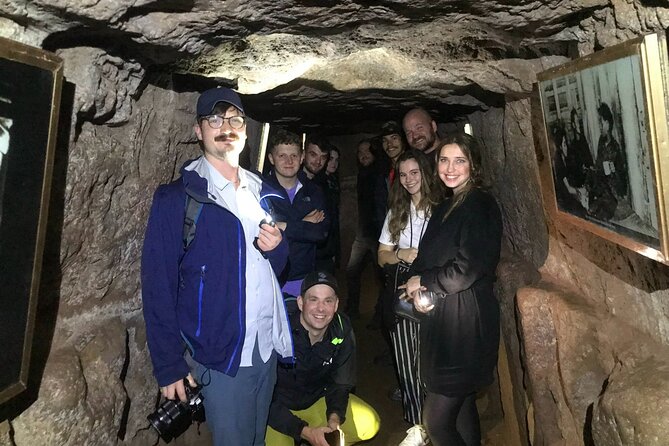
Vinh Moc was built for civilians living near the coast and close to the former DMZ. People used the underground complex for shelter and daily life during bombing. Walking through the tunnels gives you a direct sense of the cramped conditions and the effort required to create a functioning community below ground.
The tunnel floor can be wet and slippery, especially after several rainy days. Wear comfortable shoes with a good grip, and choose clothes you do not mind getting dusty or dirty. If you dislike confined spaces, ask the guide what sections you will enter before proceeding.
I like this stop because it brings the war down to human scale. Military bases explain operations. Vinh Moc shows how families adapted, protected themselves, and tried to maintain a life under attack. The guide’s background information is important, since the tunnels are much more meaningful when you understand why they were built and how they were used.
The experience can also be physically tiring. You will be walking, bending, and moving through spaces that are not designed for modern comfort. Most people can participate, but the tour is not a good fit if you need a fully effortless day.
Museums, relics, and the value of a guide
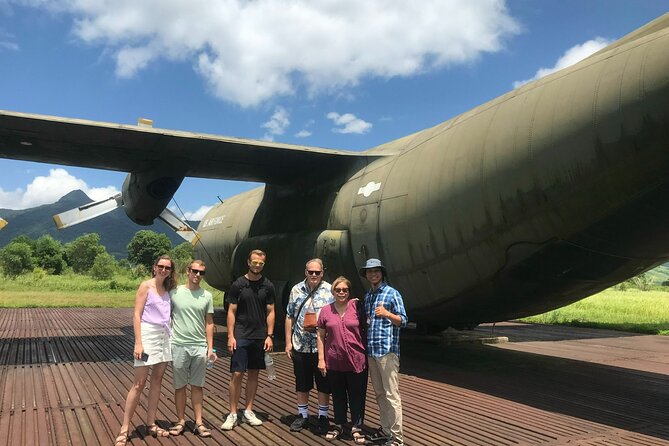
The route includes war-related museums and displays of military relics. Their condition and size vary, so the quality of your visit depends partly on the guide’s ability to connect objects with events.
I would choose this tour mainly for the interpretation, not just the buildings. Guides such as Hoa and Thuan have received especially strong praise for clear English, calm explanations, and thoughtful comparisons between northern and southern viewpoints. Nam has also been noted for friendly conversation and detailed knowledge of Khe Sanh and the surrounding sites.
That does not mean every guide will suit every person. One poor experience described unclear English and too much reliance on showing information on a tablet. Another person felt the explanations stayed too close to material already available in books and podcasts. Those are useful warnings for history specialists who want original analysis rather than an introductory overview.
For most people, though, the guide adds real value. You can ask questions, get background before entering a site, and use the drive time to make sense of what you have seen. I would tell serious history readers to bring their own preparation, then use the guide to fill in the local and personal details that books often miss.
Lunch, water, transport, and comfort
Lunch is included, along with bottled water, entrance fees, an air-conditioned vehicle, travel insurance, and an English-speaking guide. The exact meal can vary in appeal. Some people have enjoyed meals at a passionfruit farm, while others found the food plain, cold, or simply not to their taste.
I would bring extra snacks even though food is provided. The day is long, and the supplied meal may be basic. Drinks beyond the provided water are not included, so bring money if you want something else along the way.
The water arrangement deserves attention. The tour promotes a refillable bottle as a way to reduce plastic waste, so you may receive one bottle intended for refilling rather than a series of small bottles. That is a sensible environmental choice, but you should not expect unlimited bottled water.
The minibus is air-conditioned and generally comfortable, though a full group means all seats may be occupied. Vietnam’s roads and driving style can feel demanding, particularly on a route with this many hours behind the wheel. If you get carsick, choose your seat carefully and bring whatever you normally use for a long ride.
Is $49 good value for a full day?
At $49 per person, this is a reasonable price for a long, transport-heavy day. You are paying not only for the vehicle, but also for hotel pickup, a guide, entrance fees, lunch, water, and insurance. Arranging the same route independently would require more planning and a private vehicle or several transport connections.
The value depends on your priorities. If you want to see Khe Sanh, the former DMZ, Hien Luong, and Vinh Moc in one day, the price is attractive. If you prefer slow travel, long meals, or deep time at one battlefield, the schedule may feel rushed.
The group size is another part of the value. A maximum of 12 is much more manageable than a large coach. You are more likely to hear the commentary and get answers to specific questions, though a full vehicle can still feel tight during such a long day.
The overall rating is 4.9 from 383 ratings, with 96 percent recommending the experience. I would read those numbers as a sign that the tour delivers what it promises for people who accept the driving time. They do not erase the real drawbacks: uneven site maintenance, variable lunch quality, weather risks, and the occasional mismatch between guide style and visitor expectations.
Who should book this Hue DMZ tour?
I would book it if you have a serious interest in Vietnamese or military history and only one day available. It is also a strong choice if you want an English-speaking guide to explain the sites rather than simply point you toward them.
You should be comfortable with a 10 to 11 hour day, an early pickup, long road stretches, and some walking on uneven or wet ground. Bring comfortable shoes, snacks, and patience.
I would skip it if you dislike minibus tours, need a relaxed pace, or want beautifully maintained memorials at every stop. The tour takes you to important places, but some locations feel plain and overgrown. Its strength is the combination of sites and guide commentary, not luxury or polished presentation.
My verdict: book it for context, not convenience
This is a demanding but worthwhile day from Hue. The former DMZ, Khe Sanh, Hien Luong Bridge, and Vinh Moc Tunnels each show a different part of Vietnam’s wartime story, and the guide can tie them together as you travel.
Book this tour if you want the broadest useful introduction to the area for $49. Choose it with realistic expectations about the road time, bring sensible footwear and extra snacks, and hope for dry weather. If Hoa, Thuan, or another strong English-speaking guide leads your group, the long journey can become the best part of the day as well as the most tiring.
FAQ
How long does the DMZ tour from Hue last?
The tour lasts approximately 10 to 11 hours. It begins at about 7:30 am and includes substantial driving between the sites.
Is hotel pickup included?
Yes. Pickup is offered from hotels in central Hue.
What sites does the tour visit?
The route includes Quang Tri Citadel, the area known as the Horror Highway, Khe Sanh Combat Base, Dakrong Bridge, the Ho Chi Minh Trail area, Hien Luong Bridge, the Ben Hai River, Vinh Moc Tunnels, and war-related museums or displays.
Is lunch included?
Yes, lunch is listed as included. The meal may be simple, and the food may not suit every taste.
Are entrance fees included?
Yes. Entry fees for the sites on the route are included in the tour price.
How many people are in the group?
The tour has a maximum of 12 participants.
Is the tour conducted in English?
Yes. An English-speaking guide is included.
What happens if bad weather affects the tour?
The experience requires good weather. If poor weather causes cancellation, you can choose another date or receive a full refund.
Can I cancel for a full refund?
Yes, if you cancel at least 24 hours before the scheduled start time. Cancellations or changes made less than 24 hours before the start are not refunded, and the cut-off is based on local time.
Newly listed around Hue
- Half-Day Phong Nha Cave Adventure by Dragon Boat★ 4.9 · 39 reviews
- Hoi An/Da Nang : Golden Bridge , Marble Mt & Lady Buddha★ 5.0 · 39 reviews
- From Hue/Da Nang/Hoi An: Bach Ma National Park Trekking Tour★ 4.5 · 39 reviews
- Motorcycle Private Tour with Driver Hue-Da Nang-Hoi An or V.V.★ 5.0 · 40 reviews
- Half-Day Hue City Motorcycle Private Tour with Driver★ 5.0 · 40 reviews
- Dinner Cruise & Music Folk Song on the Perfume River in Hue★ 5.0 · 40 reviews
- Hue City Full-Day Tour★ 4.8 · 41 reviews
- Chan May Port : to Golden Bridge/Imperial City/Hoi An Town★ 5.0 · 41 reviews
Hue Tours, compared.
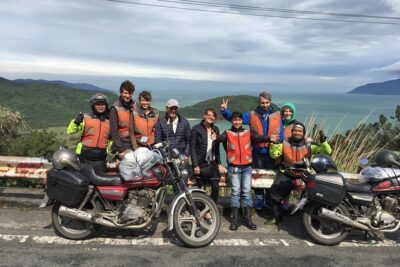
Hue to Hoi An ( Hoi An to Hue) Top Gear with Lefamily Riders Tours ( 1 way)
Read our review →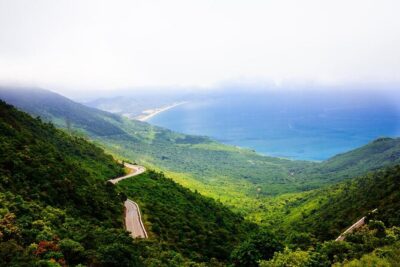
Easy Rider private tour via Hai Van pass from Hue – Da Nang – Hoi An (1Way|Loop)
Read our review →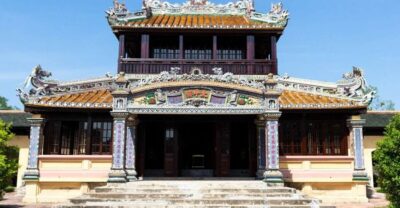
Hue Customizable Tour with Imperial Citadel & Forbidden City
Read our review →
Easy Rider From Hue Da Nang Hoi An Via Hai Van Pass With Mister T
Read our review →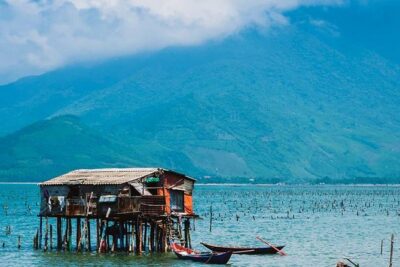
Hue to Dn/Hoi An: Hai Van Pass, beaches & Mt Monkey or vice versa
Read our review →
Imperial City Walk, Motorbike Tour & Private Car Options
Read our review →
Exploring Royal City with Multi Options and Dragon Boat
Read our review →
Hue city Deluxe Group Tour (Daily Tour-12 pax max)
Read our review →Browse the lists this tour appears in