
Reviewed · HANOI TOURS
(Private) Hanoi War Sites Tour
Hanoi’s war story comes into sharp focus on this private half-day tour, which links Ho Chi Minh’s memorial sites with Hoa Lo Prison and the wreckage of an American B-52. The most interesting feature is the chance to explore with a local student guide, giving you a personal conversation rather than a fixed speech.
I like the flexible itinerary, especially if you want to spend extra time at Hoa Lo Prison or the B-52 Museum. I also like the student-guide model, which gives young Vietnamese people practical English experience while helping fund their education. The catch is that the low headline price does not include transport, museum admissions, or costs such as your guide’s meal.
Key points at a glance
- Hoa Lo Prison anchors the visit: Allow about an hour for the former French prison and its later use during the American War.
- The downed B-52 adds a powerful outdoor stop: Huu Tiep Lake and the nearby B-52 Victory Museum connect wartime photographs and documents with physical wreckage.
- Your guide can shape the morning or afternoon: The suggested times are 9 a.m. to noon or 2 p.m. to 5 p.m.
- Student guides make the history conversational: Guides named Hannah, Chien, Anh, Nam, Victor, Shalia, and others have led tours, with English ability varying by person.
- The tire-sandal workshop is optional: You can learn how wartime sandals were made and create a pair yourself.
- Budget carefully: The advertised $5.13 covers the private guiding service for a group of up to 10, not the full cost of the outing.
Why this Hanoi history tour works
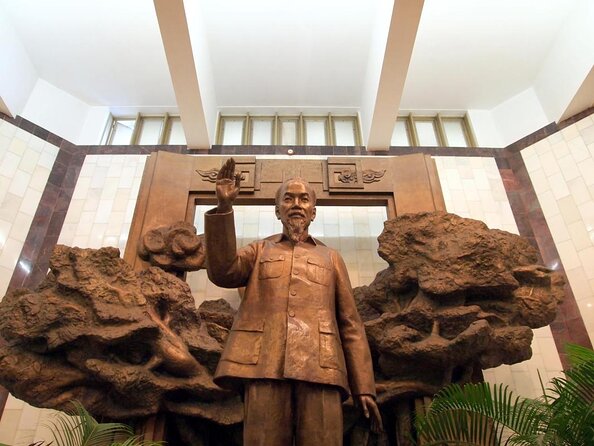
This is not a single-museum visit. It is a connected route through Hanoi’s 20th-century story, beginning with Ho Chi Minh and moving through colonial imprisonment, the American War, air raids, and the Vietnamese memory of resistance.
I find that structure useful. A museum can give you objects and dates, but moving between several sites helps you see how politics, military action, and everyday life fit together. Your guide can also explain details that are easy to miss when you walk through a display alone.
The tone is likely to be Vietnamese rather than neutral in the textbook sense. Hoa Lo Prison presents the suffering of Vietnamese prisoners under French colonial rule and also covers the period when American pilots held there gave the prison its later nickname, the Hanoi Hilton. At the B-52 sites, the emphasis is on Hanoi’s defense and the country’s victory.
That viewpoint is not a flaw, but you should know what you are booking. If you want a fully detached account of the war, bring your own questions and compare what you hear with museum captions, books, or other historic sites. The private format gives you room for a respectful discussion.
The tour carries a rating of 4.8 from 105 published ratings, with 97 percent recommending it. Those figures suggest a strong overall experience, though the occasional poor experience points to an important variable: your guide. Some guides, including Chien, Hannah, Anh, Nam, Victor, Shalia, and Truong, have received especially warm praise for clear English, patience, and strong command of dates and context. One unhappy booking reported difficult English and little useful explanation, so expectations should remain realistic.
A few other Hanoi trips to compare
- Doris Cruise 5 star cruise 2 days visiting Halong Bay Lan Ha Bay private balcony
★ 5.0 · 2,338 reviews - Private Walking Tour of Hanoi City
★ 5.0 · 1,251 reviews - Private Hanoi Street Food Walking Tour With Real Foodie
★ 5.0 · 1,042 reviews
Ho Chi Minh Museum, a useful opening chapter

The Ho Chi Minh Museum is scheduled for about one hour. It presents the life of Ho Chi Minh, making it a logical first stop before the mausoleum and war-related sites.
You will find a broad account rather than a narrow military display. The museum helps explain how Ho Chi Minh is presented in modern Vietnam and gives your guide a starting point for discussing independence, leadership, and national identity.
The admission ticket is not included. You should also expect to reach the museum by taxi or Grab, since transport is not part of the tour price. If you are staying in Hanoi’s Old Quarter, pickup is included, but the actual vehicle cost remains yours to pay.
A guide can make a major difference here. Museum material may assume some knowledge of Vietnamese politics and history, and your student guide can explain the basic sequence before you move on. If you have only three hours, tell the guide in advance that you want to keep this stop focused.
Ho Chi Minh Mausoleum and Ba Dinh Square
The mausoleum visit lasts about 30 minutes and has no admission charge. It sits beside Ba Dinh Square, an important civic space in central Hanoi.
This is a solemn stop, not a casual photo opportunity. Your clothing matters: tank tops and shorts above the knee are not permitted. Dress modestly from the start, since the same outfit also makes it easier to enter the other historic sites.
The schedule is flexible, but the mausoleum follows its own operating rules, so confirm the timing when you book. The tour information does not promise entry inside the mausoleum itself, and a short visit may focus on the exterior, square, and surrounding area.
I would treat this as a brief orientation to Ho Chi Minh’s public memory rather than the main event of the tour. Its value comes from seeing the ceremonial setting in person and then hearing how it connects to the museum next door.
Making wartime tire sandals by hand
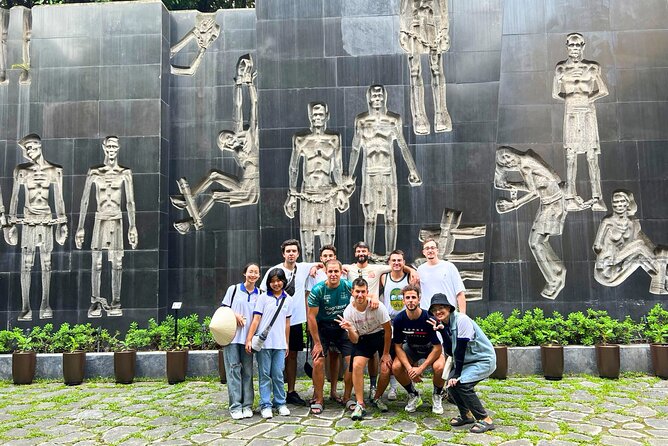
The tire-sandal workshop is optional and takes about 30 minutes. It is held at Vua Dép Lốp Phạm Quang Xuân, where you can learn how sandals made from old vehicle tires became linked with Ho Chi Minh and wartime life.
This is one of the tour’s more unusual additions. Instead of only looking at military objects behind glass, you get a hands-on activity tied to practical wartime goods. You can make tire sandals for yourself, though the workshop admission is not included.
I would add it if you enjoy crafts, local products, or small details about daily life during conflict. If your main interest is military history and you have limited time, you may prefer to use those 30 minutes at Hoa Lo Prison or the B-52 Museum.
Ask about the extra cost before you begin. The information provided confirms that admission is separate, but it does not state the workshop fee.
Same base, a completely different day:
- Hanoi Jeep Tour: Food, Culture and Fun by Vietnam Army Jeep
★ 5.0 · 15,222 reviews - Full-Day Ninh Binh Highlights Tour from Hanoi
★ 5.0 · 7,761 reviews - Hanoi: Ha Long Bay Day Cruise – Swimming, Meal, Kayaking
★ 4.7 · 7,415 reviews - Hanoi: Water Puppet Show Tickets
★ 4.6 · 7,029 reviews
Hoa Lo Prison and the layered story of the Hanoi Hilton
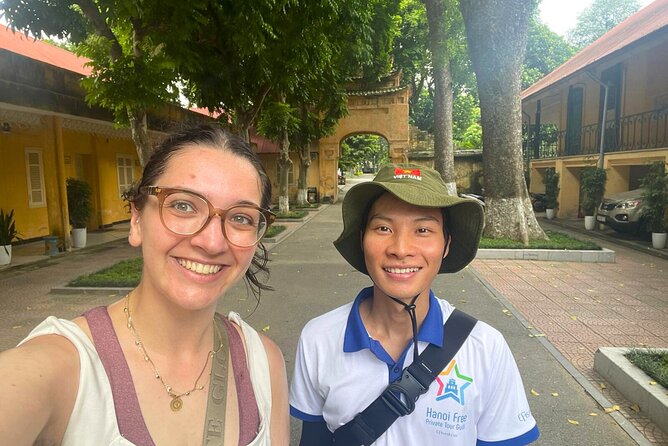
Hoa Lo Prison receives about an hour, and this is likely to be the emotional center of your visit. The site was built during French colonial rule and later held American prisoners of war. Its nickname, the Hanoi Hilton, refers to the American POW period, but much of the display focuses on Vietnamese prisoners and the earlier colonial era.
That balance matters. If you arrive expecting a museum devoted only to American pilots, you may be surprised by how much attention goes to French imprisonment, Vietnamese resistance, and the prison’s use up to the mid-1950s.
This is where a private guide earns its keep. You can ask about dates, terminology, and the differences between the Vietnamese and American experiences. You can also linger over the parts that matter most to you instead of keeping pace with a large group.
Some guides have been praised for fluent English and for explaining the causes and effects of the war in a way that encourages open discussion. A retired history teacher, for example, used the visit to ask detailed questions about the war with guide Chien. That kind of exchange is exactly what a private tour can support.
Do not expect the site to provide every side of the story in equal detail. Museums are shaped by national memory, and Hoa Lo is no exception. I recommend listening carefully, asking polite questions, and treating the visit as an important Vietnamese account rather than the final word on the conflict.
The prison is also a practical reason to check opening days before you go. Some museums close on Mondays, and the tour information specifically warns about Monday closures. If Hoa Lo is central to your plans, avoid booking Monday unless the operator confirms that the site will be open.
Huu Tiep Lake and the downed B-52
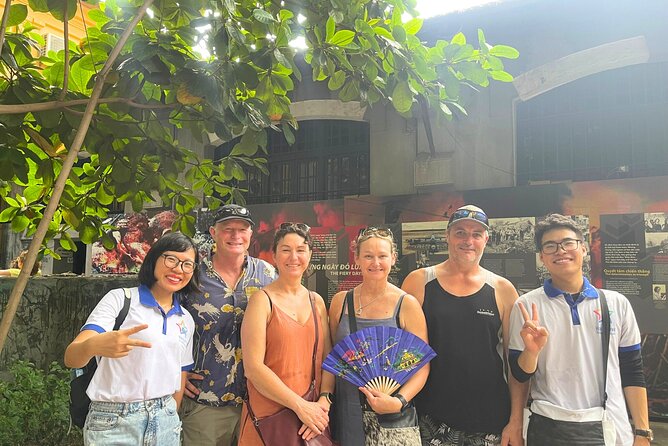
The final part of the standard route takes about an hour and includes Huu Tiep Lake and the B-52 Victory Museum. The lake preserves the wreckage of a B-52 shot down over Hanoi, giving you a physical reminder of the air war rather than another room of printed panels.
The nearby museum displays weapons, photographs, documents, and wreckage. It is smaller than Hanoi’s major national museums, but the focus is direct. You can connect the aircraft remains outside with the Vietnamese military account presented inside.
This stop suits anyone interested in military equipment, the bombing campaign, or how Hanoi remembers its wartime defense. It also breaks up the indoor museum visits with an outdoor location.
The exact wording of the route groups Huu Tiep Lake with the B-52 Victory Museum, so ask your guide how much time will be spent at each. The museum ticket is not included, and transport to the site is also extra.
Rain may affect this part of the outing. One four-hour visit went ahead on a wet day, and the guide still provided a useful history lesson. Bring suitable footwear and a light rain layer if the forecast looks uncertain, but remember that these are general preparations rather than tour-supplied equipment.
What private guiding changes
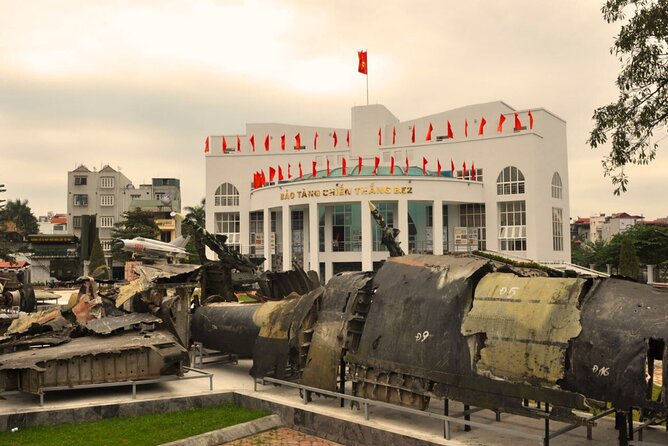
Only your group takes part, with a maximum of 10 people. That does not necessarily mean the guide will deliver a polished professional lecture. The guide is often a local student, and the quality of the experience depends on that person’s English, preparation, and interests.
At its best, the format feels like an informed walk with a bright local who is eager to explain Hanoi. Guides have helped with taxis, changed the order of stops, answered questions about modern Vietnam, and even added food or coffee suggestions when time allowed.
One guide, Anh, contacted her group through WhatsApp the night before, asked which sites mattered most, and adjusted the route. Another guide, Shalia, helped with an ATM problem, arranged taxis, selected a restaurant, and briefly showed the famous train street when the group became curious. Those extras are not guaranteed, but they show how the private setup can become more useful than a rigid schedule.
You may also be paired with a guide who is still building experience. That is part of the purpose of the program, which supports local students and their education. If you want a licensed historian with formal museum training, this may not be the right product. If you enjoy conversation and are willing to help a student practice English, it offers a more personal exchange.
English ability is not identical across every guide. Several named guides have been praised for fluent English, while one poor experience described communication as very difficult. I would message the operator with your interests and ask for a guide comfortable discussing military history, especially if the subject is important to you.
Timing, taxis, and the real price
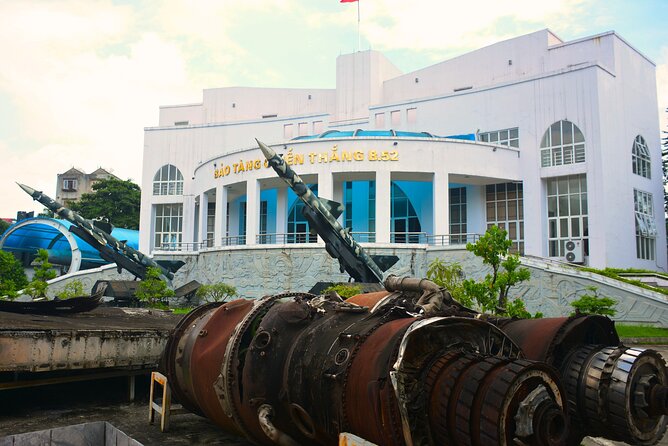
The advertised cost is $5.13 per group of up to 10 people. That is remarkably low for a private activity, but it should be read as the guiding charge, not the total cost of the day.
Included are Old Quarter hotel pickup and drop-off and a private guide. Transport itself is not included. The route uses taxis or Grab, so you pay those fares as you go. Museum admissions are separate, and the tire-sandal workshop also has its own admission charge if you choose it.
You may also need to cover the guide’s entrance fees and meal. One booking specifically noted these extra expenses, which are small compared with many private tours but easy to overlook when the initial price is so low. Tips are optional, though a tip may feel appropriate if your student guide puts in extra effort.
The suggested morning schedule is 9 a.m. to noon, while the afternoon option runs from 2 p.m. to 5 p.m. The listed stops add up to more than three hours if you visit every location, so the three-hour estimate assumes a brisk pace or a customized route. A four-hour outing is more realistic if you want meaningful time at several museums, and five hours may suit a group that stops for lunch, coffee, or the workshop.
For the best use of time, decide what matters most:
- Choose Hoa Lo Prison and the B-52 sites for a military-history focus.
- Choose the Ho Chi Minh Museum and mausoleum for political history and national memory.
- Add the sandal workshop for a hands-on cultural activity.
- Ask to shorten one museum if you need to finish by lunch or before dinner.
The free hotel service applies only to the Hanoi Old Quarter. If you stay outside that area, arrange a meeting point and confirm it before booking.
Who should book this experience
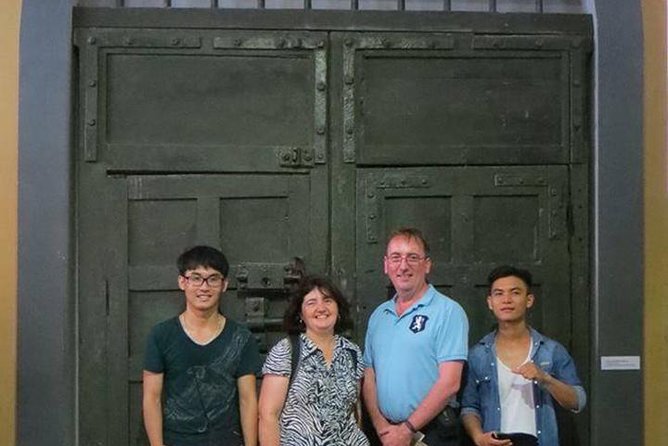
I would recommend this tour to first-time visitors who want historical context early in a Hanoi stay. Several hours with a local guide can help you understand later museum visits, conversations, and memorials across Vietnam.
It also suits people who prefer questions and discussion over a large group lecture. Military-history fans should appreciate the B-52 wreckage and Hoa Lo Prison, while visitors interested in Vietnamese national identity will get more from the Ho Chi Minh sites.
Families and mixed-interest groups may find the private format helpful because you can adjust the order and skip the stop that does not suit everyone. Most people can participate, and service animals are allowed. You should still be comfortable walking between sites and using taxis, since transport is not supplied as part of the package.
I would be more cautious if you need guaranteed museum entry, a highly polished professional guide, or a strictly neutral account of the war. Monday closures and special holiday schedules can disrupt the route, as one visit during Tet demonstrated. Confirm openings and the day’s plan before setting aside your only morning in Hanoi.
Should you book the Hanoi War Sites Tour?
Book it if you want an inexpensive, private introduction to Hanoi’s wartime sites and are comfortable with a student-guide model. The strongest reasons are the flexible pacing, the chance to ask direct questions, and the unusual combination of Hoa Lo Prison, Ho Chi Minh sites, and B-52 wreckage.
Before paying, send the operator your preferred sites, your walking tolerance, and your interest in military history. Ask which museum admissions and workshop fees apply, how transport will be handled, and whether your guide is comfortable speaking English about the war.
The price makes this a strong value even after extra costs, provided you see it as a flexible guided service rather than an all-inclusive tour. I would choose a morning starting at 9 a.m. if you want to fit in several sites, avoid Monday, dress below the knee with covered shoulders, and allow four hours rather than trying to force the whole route into three.
FAQ
How long does the Hanoi War Sites Tour last?
The experience takes approximately three to five hours. A morning option is suggested from 9 a.m. to noon, and an afternoon option from 2 p.m. to 5 p.m.
Is this a private tour?
Yes. Only your group participates, with a maximum of 10 people.
Is hotel pickup included?
Free pickup and drop-off are offered for hotels in Hanoi’s Old Quarter only. Transport costs are not included.
Which sites are included?
The route includes the Ho Chi Minh Museum, Ho Chi Minh Mausoleum, Hoa Lo Prison, Huu Tiep Lake, and the B-52 Victory Museum. The tire-sandal workshop is optional.
Are museum entrance tickets included?
No. Admission tickets for the Ho Chi Minh Museum, Hoa Lo Prison, the B-52 Victory Museum, and the optional tire-sandal workshop are not included. The mausoleum visit is listed as free.
Can I personalize the itinerary?
Yes. The itinerary can be adjusted to suit your interests. You can discuss preferred sites and timing with the operator.
Are museums open every day?
Some museums close on Mondays. Check the operating schedule before booking, especially if Hoa Lo Prison or the B-52 Museum is essential to your plans.
What should I wear?
Tank tops and shorts above the knee are not permitted. Wear clothing that covers your shoulders and reaches at least to the knee.
Newly listed around Hanoi
- Hanoi: Halong Bay Cruise, Amazing Cave, Titov Island & Kayak★ 4.2 · 39 reviews
- 2Days-1Night Halong Bay Luxury Genesis Regal Cruises★ 4.5 · 39 reviews
- Ninh Binh 1 Day Tour(Tam Coc – Mua Cave – Bich Dong)★ 5.0 · 39 reviews
- 8 days 360° Vietnam Adventure from Hanoi★ 5.0 · 39 reviews
- Dora Cruise – Luxury 5 Star Cruise in Halong Bay & Lan Ha Bay (2D1N)★ 4.5 · 39 reviews
- 3 Days and 2 Nights Ha Giang Loop Tour★ 5.0 · 39 reviews
- Best Value Ha Long bay 1 day – Lunch, kayak, swimming, transfer★ 5.0 · 39 reviews
- From Hanoi: Ha Giang Loop Motorbike Tours 3-Days 2-Nights★ 5.0 · 40 reviews
Hanoi Tours, compared.

Hanoi Jeep Tour: Food, Culture and Fun by Vietnam Army Jeep
Read our review →
Full-Day Ninh Binh Highlights Tour from Hanoi
Read our review →
Ha Long Bay Day Cruise – Swimming, Meal, Kayaking
Read our review →

Hanoi Motorbike Tour: Food, Culture and Fun by Vintage Motorbike
Read our review →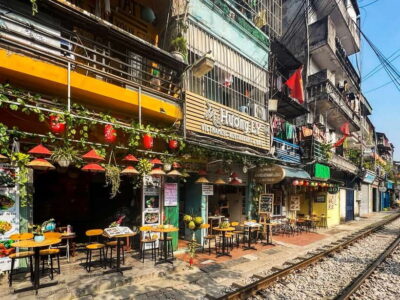

Hanoi Cooking Class: Culture, Local Market & Meaning CSR Impact
Read our review →